
Used Mack Construction/Vocational Trucks For Sale
Browse used Mack construction and vocational trucks, including Granite, RD, mixer, pump, and conveyor configurations built for jobsite duty.
Selling a used mack construction/vocational truck? List your used mack construction/vocational truck for sale and reach thousands of commercial buyers.
Used Mack Construction/Vocational Trucks
The most important buying decision is usually the truck's exact application history. A Mack mixer, pump truck, or conveyor truck can look sound on paper and still have very different wear depending on PTO use, idle time, payload habits, and terrain. Pay close attention to engine family, transmission model, axle ratings, suspension type, wheelbase, and rear ratio. Older used Mack vocational trucks commonly show Mack E7, AI, AMI, or related diesel platforms paired with Maxitorque or other manual transmissions, often in 8-speed, 9-speed, or 10-speed setups. Ratios in the low 4s are common for construction work where launch, gradeability, and low-speed control matter more than highway fuel economy. Beam suspensions, camelback-style vocational suspensions, and heavy front axle specs are also typical on units expected to carry mixers, pumps, or severe-duty bodies.
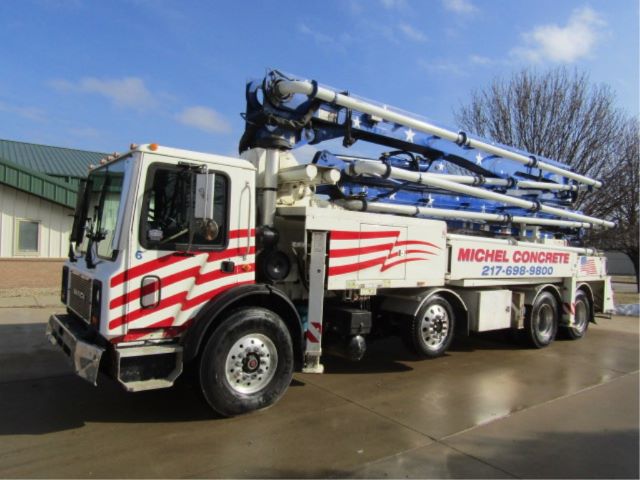
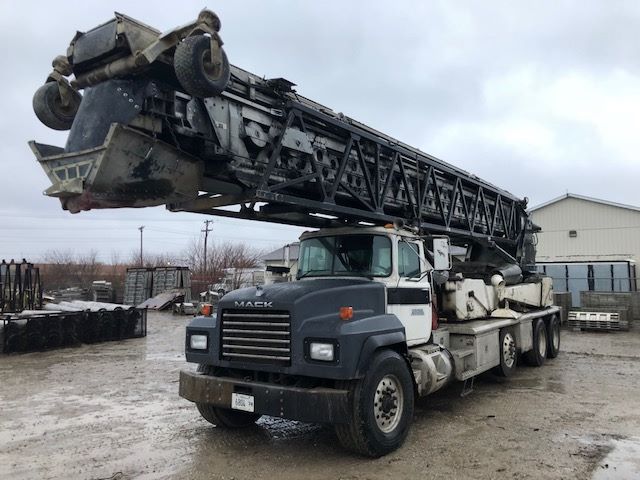
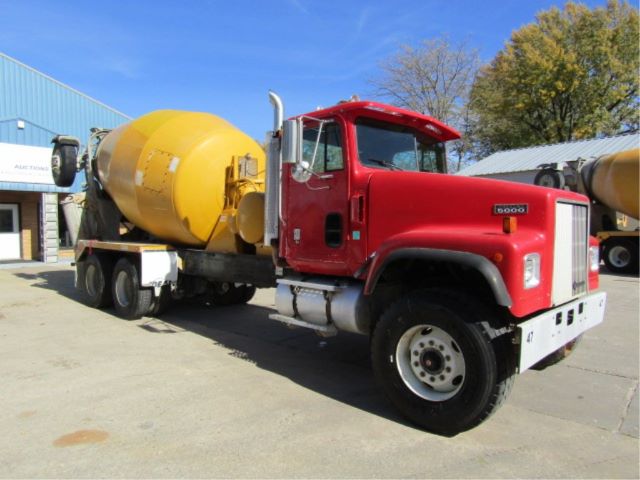
Body and upfit condition matters as much as the chassis. On a used Mack concrete mixer, inspect drum condition, water system, rollers, charge hopper structure, and frame rail integrity around the mixer mount. On pump trucks, look closely at boom hours, outrigger condition, hydraulic system service history, and any cracks or repairs in the subframe and pedestal area. Conveyor and other specialty vocational bodies should be checked for belt wear, PTO engagement quality, hydraulic leaks, and control operation under load. Mileage alone does not tell the full story on vocational equipment. Engine hours, PTO hours, frame corrosion, suspension wear, steering play, and evidence of chronic overloading usually give a better picture of remaining service life.
A Mack vocational truck is often chosen for its ability to stay productive in punishing conditions, but the right spec still depends on where and how it will work. Tight urban sites may favor axle-forward or maneuverable chassis layouts, while bridge formula mixers and heavy haul jobsite work demand close attention to axle spacing, legal weight distribution, and suspension capacity. Buyers comparing used Mack construction trucks should also confirm parts support for older powertrains, emissions requirements in their operating area, and the serviceability of the attached equipment, not just the cab and chassis. A well-matched Mack vocational spec can deliver long life, strong resale value, and the kind of low-speed pulling power and structural toughness that contractors and municipal operators expect.
Frequently Asked Questions about Used Mack Construction/Vocational Trucks
What are the most common types of used Mack construction and vocational trucks?
Common used Mack vocational configurations include dump trucks, concrete mixers, concrete pump trucks, conveyor trucks, roll-off trucks, hooklift trucks, and chassis built for utility or municipal bodies. Popular Mack model families in this segment include the RD, Granite, MR, and other severe-duty platforms. The body or mounted equipment is just as important as the truck itself, since application-specific wear can vary widely between a mixer, a pump, and a dump setup.
What should I check first on a used Mack vocational truck?
Start with the truck's job history, engine hours, PTO usage, and body application. Then verify engine model, transmission, axle ratings, suspension type, wheelbase, rear ratio, and frame condition. On vocational trucks, structural condition is critical. Look for frame cracks, crossmember repairs, suspension wear, steering looseness, driveline vibration, hydraulic leaks, and signs of chronic overloading. If the truck carries specialized equipment such as a mixer drum or concrete pump, inspect that system separately and review service records for both chassis and upfit.
Are Mack engines and transmissions a good fit for construction work?
Mack powertrains have a strong reputation in severe-duty service because they are typically geared and calibrated for low-speed pulling power, launch performance, and durability under repeated load cycles. Many used units in this category feature Mack diesel engines such as the E7 or AI-series paired with Maxitorque manual transmissions. These combinations are well known in construction fleets for handling frequent starts, uneven terrain, and PTO-related work better than a highway-oriented spec.
Is mileage less important than hours on a used construction truck?
Yes, in many cases hours are just as important as mileage, and sometimes more important. Vocational trucks often spend long periods idling, operating PTO-driven equipment, creeping through jobsites, or making short repetitive runs. A truck with moderate miles can still have substantial wear if it has high engine hours, high PTO hours, or has spent years carrying near-maximum loads. Buyers should evaluate miles, hours, maintenance history, and body condition together instead of relying on odometer readings alone.
What axle and suspension specs matter most on a Mack vocational truck?
Front axle capacity, rear axle ratings, suspension design, and rear ratio all directly affect how well the truck handles its intended work. Mixers, pumps, and heavy dump applications often need heavier front axle specs and robust rear suspensions such as beam or camelback-style vocational setups. Rear ratios in the 4.00-plus range are common when low-speed control and gradeability are priorities. The right axle spread and suspension package also help with legal weight distribution, especially on bridge formula and other weight-sensitive applications.