
Used Construction/Vocational Trucks For Sale
Browse used construction and vocational trucks, including mixer, pump, conveyor, and jobsite-ready chassis built for severe-duty work.
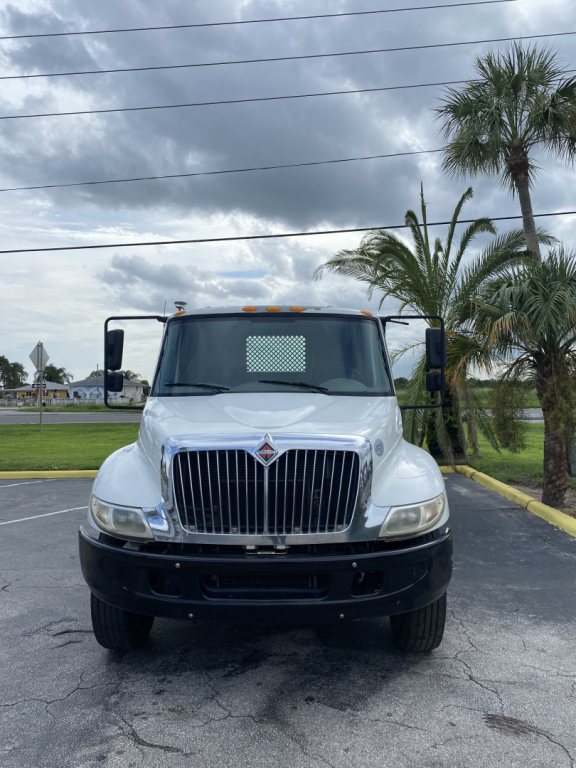
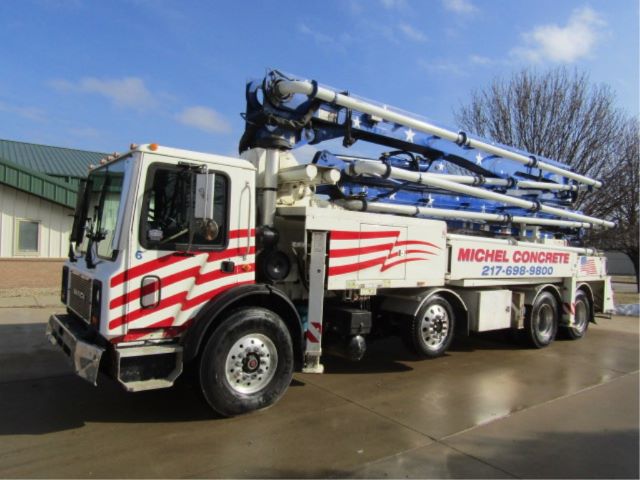
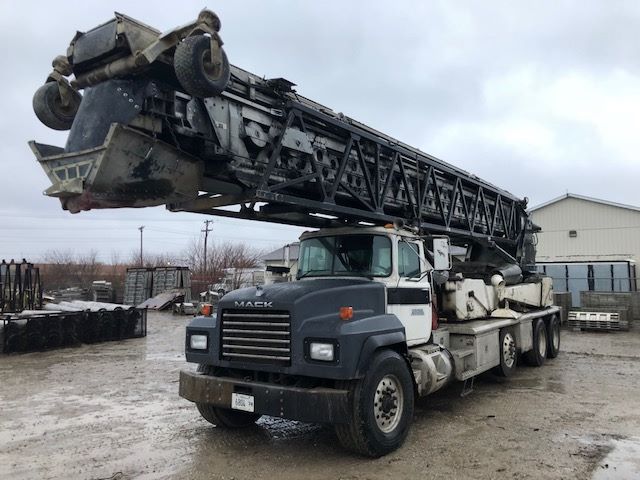
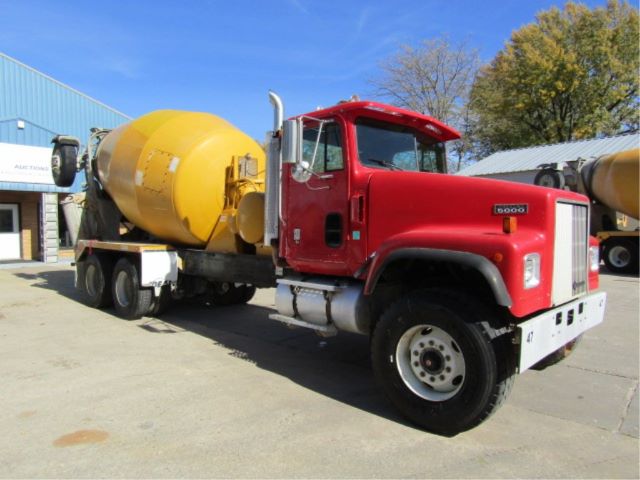
Selling a used construction/vocational truck? List your used construction/vocational truck for sale and reach thousands of commercial buyers.
Used Construction/Vocational Trucks
A used vocational truck is usually built around high-GCWR, low-speed durability rather than over-the-road efficiency. Common features include double-frame construction, heavy front axles, multi-leaf or beam rear suspensions, deep rear ratios, PTO capability, and manual transmissions such as 8-speed, 9-speed, 10-speed, or automated severe-service setups. In mixer and concrete pump applications, pay close attention to front axle capacity, bridge law compliance, wheelbase, and the relationship between body weight and legal payload. On older used units, engine family, transmission model, suspension design, and hours can matter as much as mileage because many of these trucks spend their lives in stop-and-go service, idling on site, or powering auxiliary equipment.
Condition evaluation should focus on both the truck and the vocational equipment mounted on it. Frame rails, crossmembers, suspension hangers, steering components, driveline wear, brake condition, and evidence of concrete, aggregate, or asphalt corrosion are all important. If the truck carries a mixer drum, conveyor, or pump system, inspect hydraulic performance, PTO engagement, hopper and chute wear, boom structure, outriggers, drum rollers, water systems, and maintenance records for the mounted equipment. A low-mile truck can still be a high-hour truck in this segment. Service history, engine hours, pump hours, drum condition, and previous fleet use often tell a more accurate story than odometer readings alone.
Regional use also matters. Trucks working in urban concrete delivery may show different wear than trucks used in quarry, paving, or municipal utility work. Tight turning radius, setback axle configuration, bridge formula spec, and body-specific controls can all affect how well a truck fits your routes and crew. Mack, among other vocational brands, is common in this class because of durable chassis designs and severe-duty drivetrains, but buyers should compare specs unit by unit. The best used construction truck is the one with the correct axle package, legal capacity, body condition, and service history for the work you run every day.
Frequently Asked Questions about Used Construction/Vocational Trucks
What should I look at first when buying a used construction or vocational truck?
Start with the intended application and body equipment, then confirm the chassis is correctly matched to it. Axle ratings, wheelbase, suspension, transmission, rear ratio, PTO setup, and frame strength all need to support the body and the job. On a mixer, pump, or conveyor truck, the mounted equipment can be as important as the truck itself, so hydraulic condition, hours, and maintenance records should be reviewed early in the process.
Are miles less important than hours on a used vocational truck?
In many cases, yes. Construction and vocational trucks often accumulate wear through idling, PTO operation, stop-and-go movement, and jobsite work rather than long highway runs. A truck with modest mileage may still have significant engine hours or body-equipment hours. Looking at mileage, engine hours, PTO hours, and service records together gives a more accurate picture of remaining life and expected repair needs.
Why do axle ratings and suspension matter so much on vocational trucks?
Vocational trucks are built to carry concentrated loads and operate on uneven surfaces, so axle capacity and suspension design directly affect legal payload, durability, and stability. Heavy front axles are especially important on mixer and pump applications where weight transfer can be substantial. Suspension type also affects ride, body control, and service life, particularly on rough sites or short-haul routes with frequent loading cycles.
What is the biggest difference between a highway truck and a construction or vocational truck?
A highway truck is generally optimized for fuel economy, lighter tare weight, and sustained road speed. A construction or vocational truck is built for severe-duty cycles, heavier chassis components, lower-speed operation, and compatibility with PTO-driven equipment or specialized bodies. That usually means stronger frames, heavier suspensions, deeper gearing, and specs chosen for durability and jobsite function instead of long-haul efficiency.
What are common signs of hard use on a used vocational truck?
Common signs include frame rust or repairs, worn suspension bushings, steering looseness, brake wear, driveline vibration, hydraulic leaks, and corrosion from concrete, salt, or aggregate exposure. On body equipment, look for boom wear, outrigger issues, drum roller wear, conveyor belt condition, hopper damage, and inconsistent PTO or hydraulic operation. Uneven tire wear and evidence of overloading can also indicate a truck has worked beyond its intended spec.