
Used Peterbilt Trucks For Sale in Illinois
Browse used Peterbilt trucks for sale in Illinois, including day cabs, sleepers, vocational and heavy-duty models with proven specs.
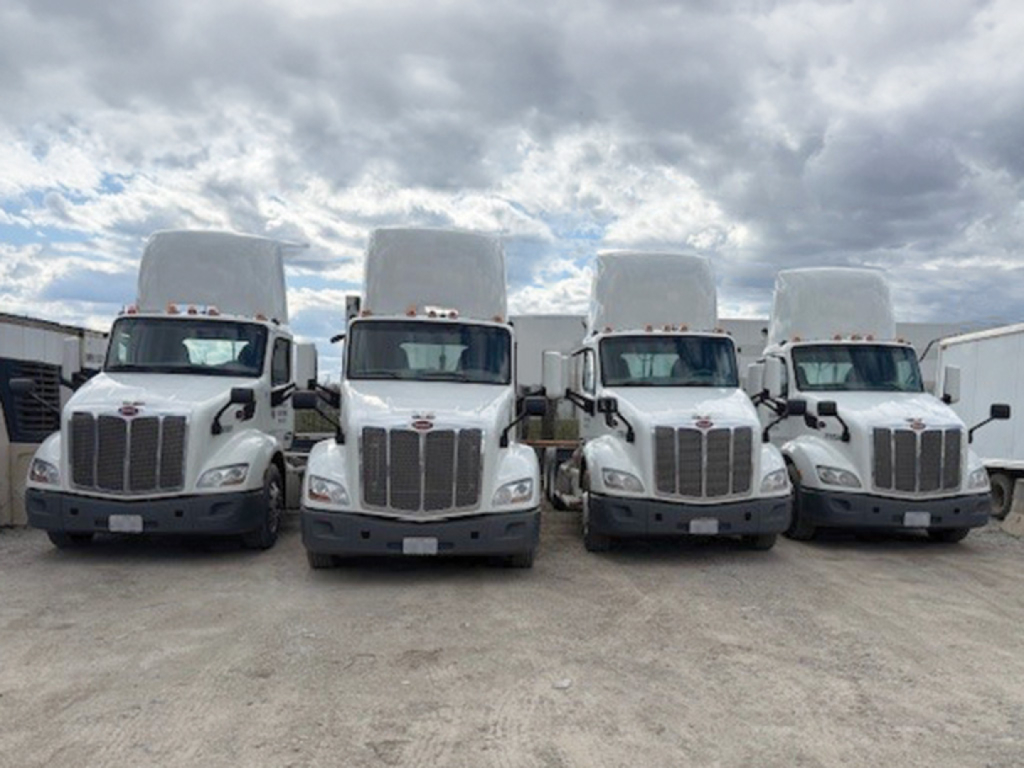
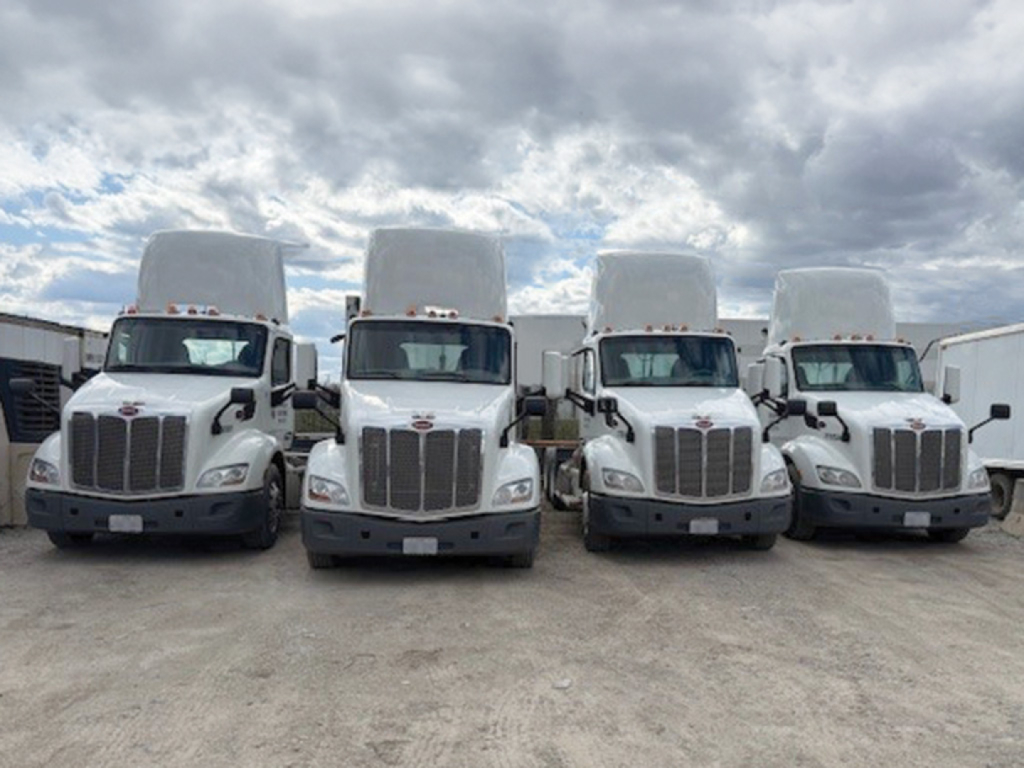
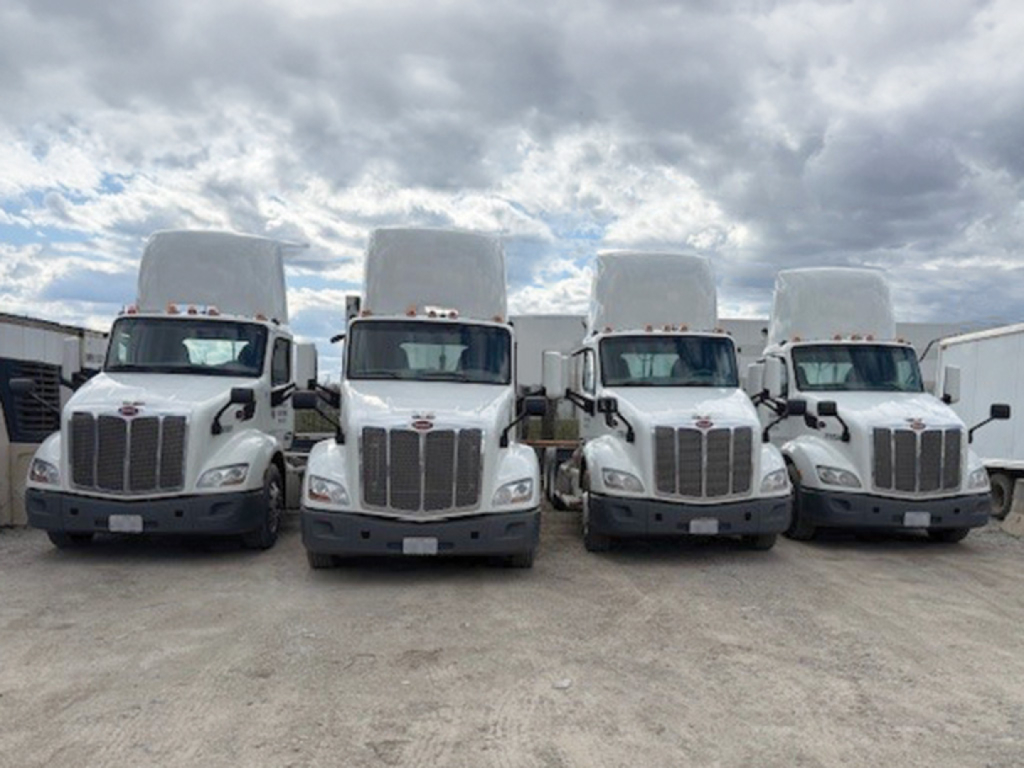
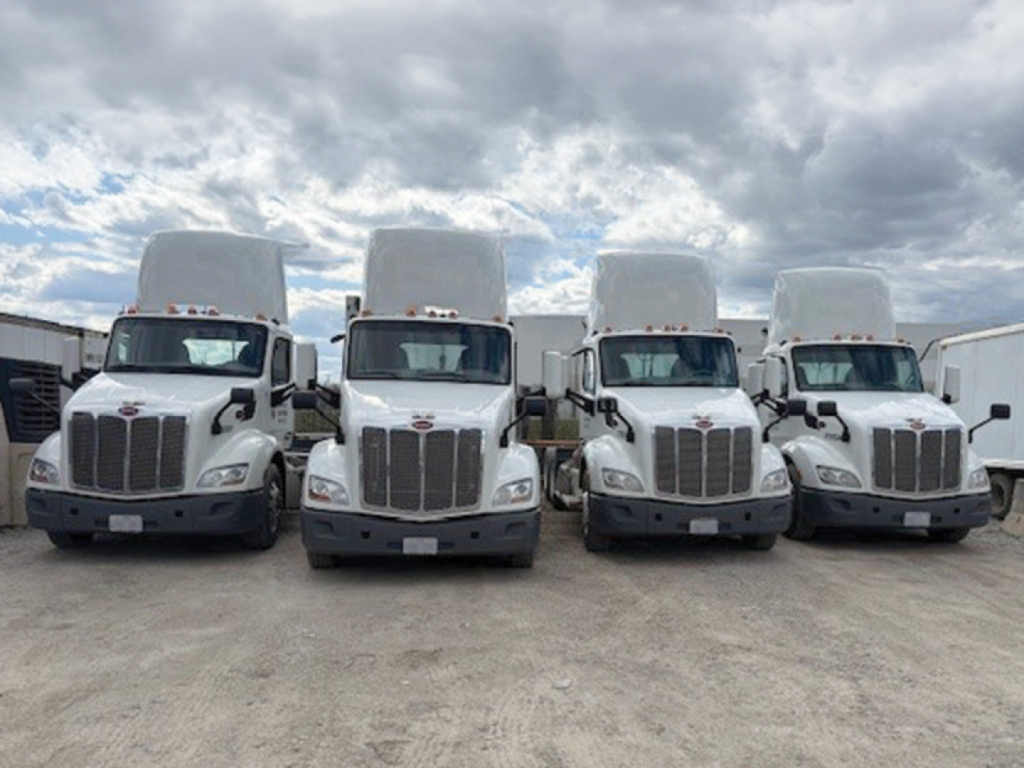
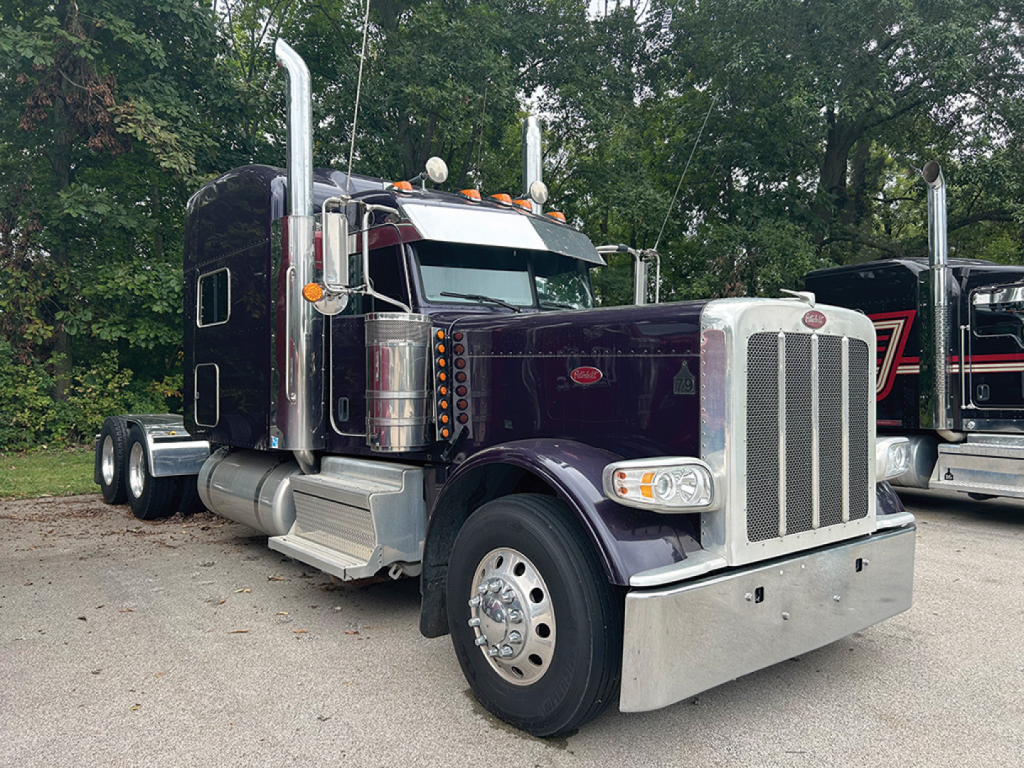
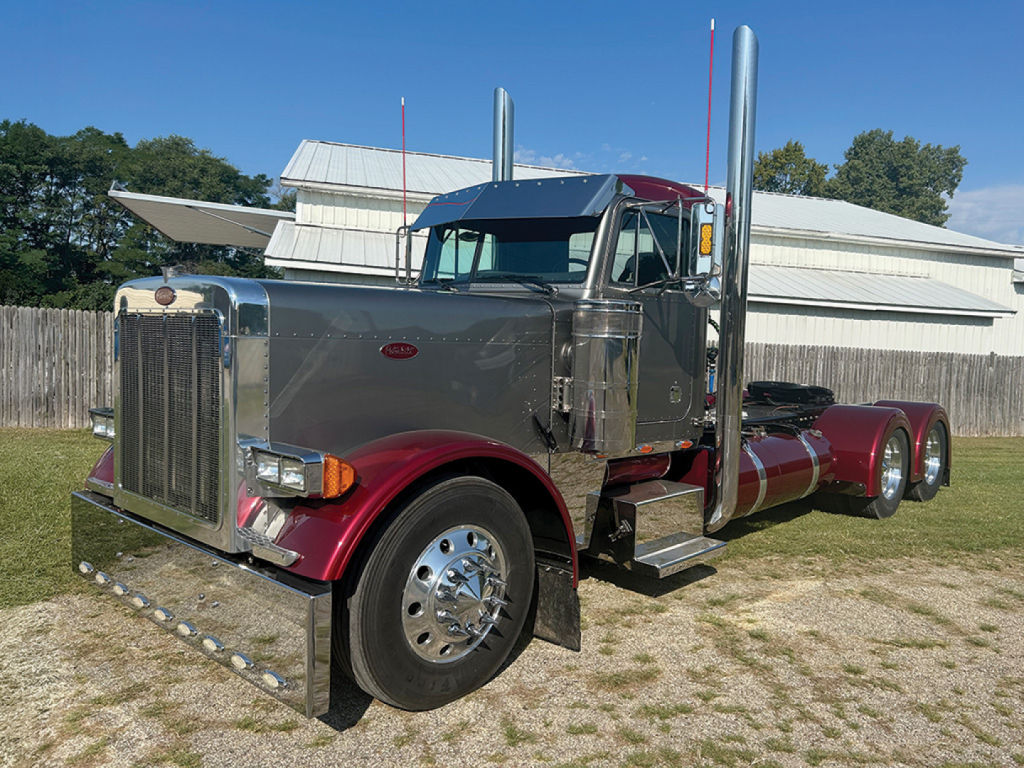
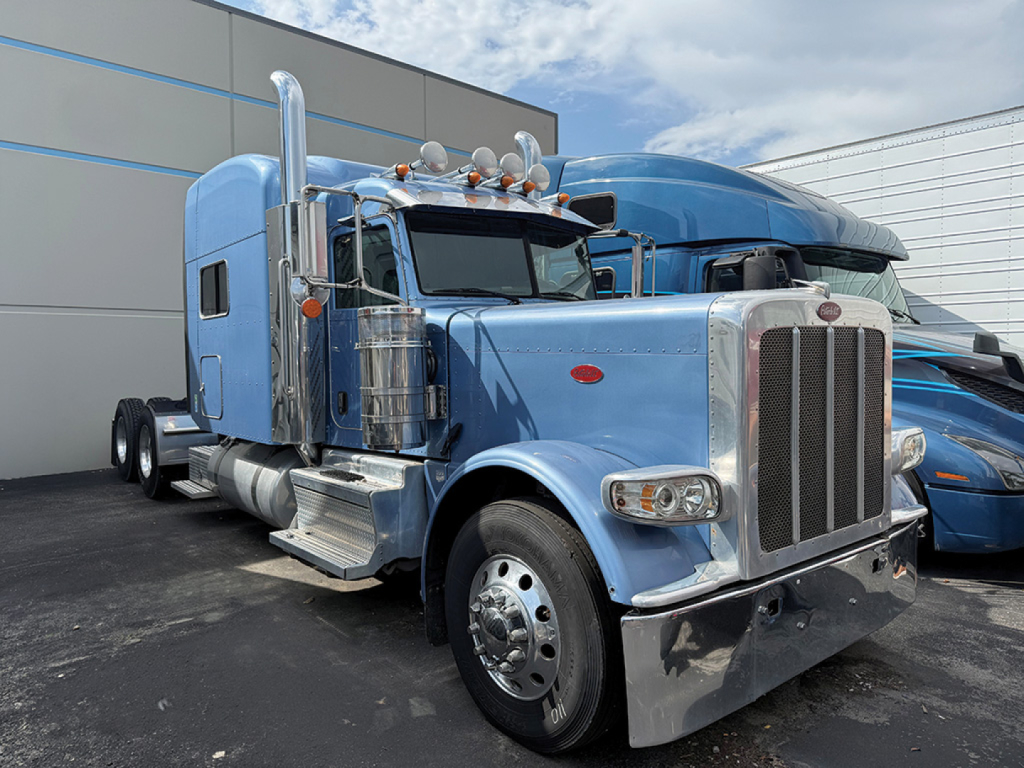
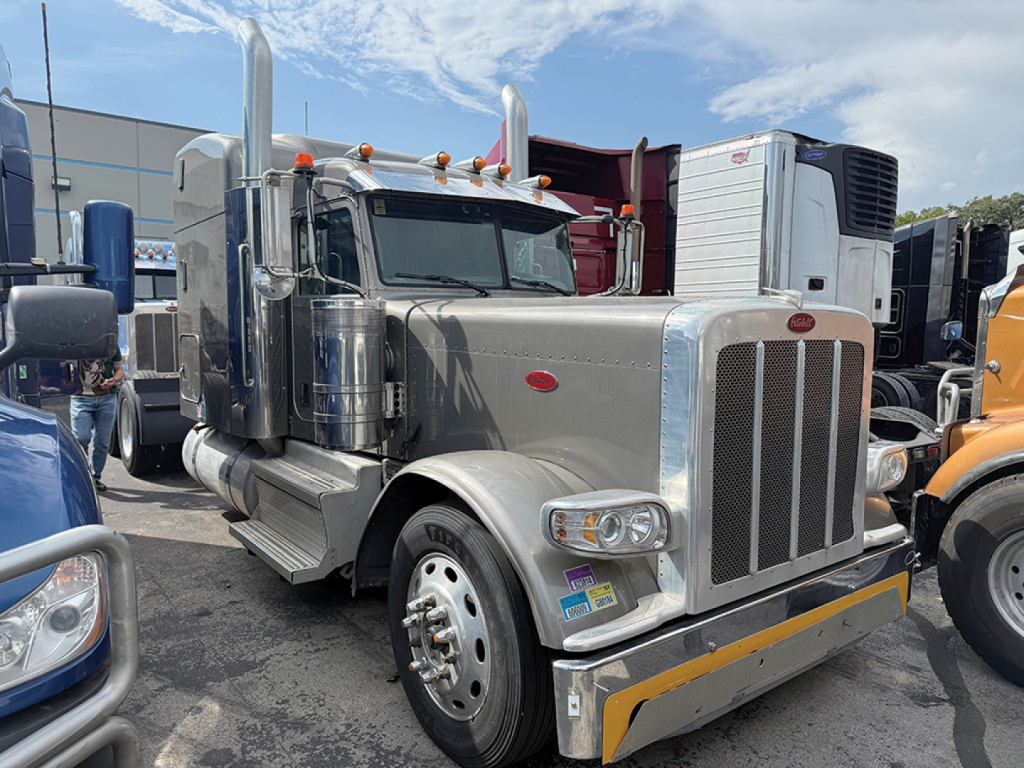
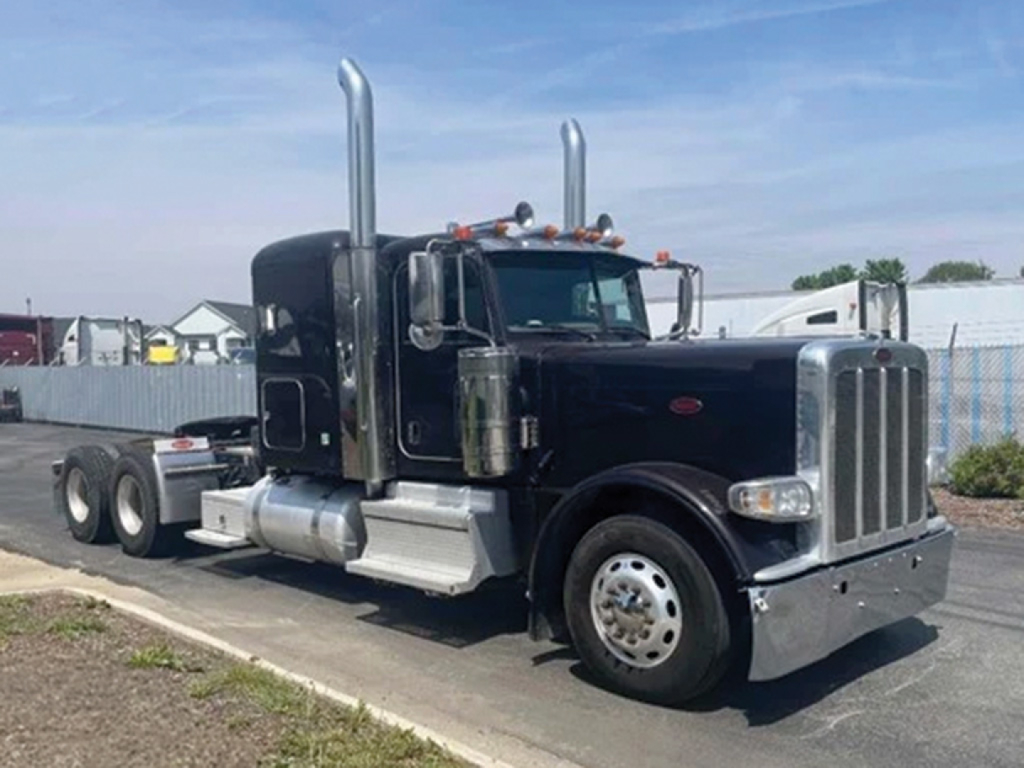
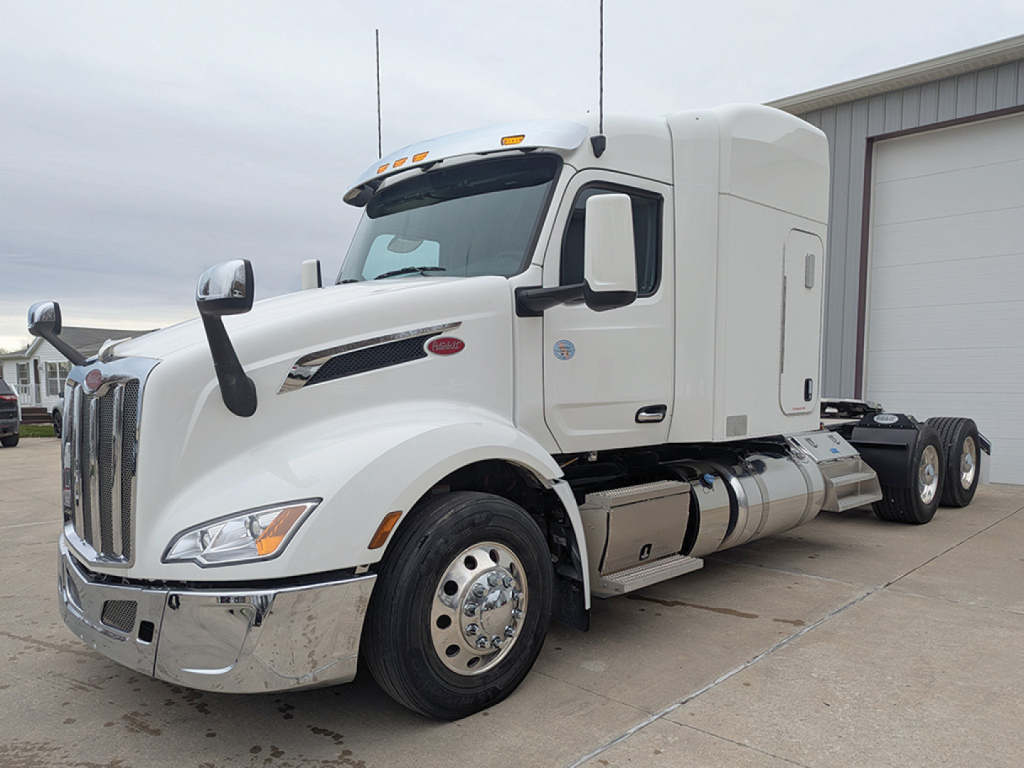
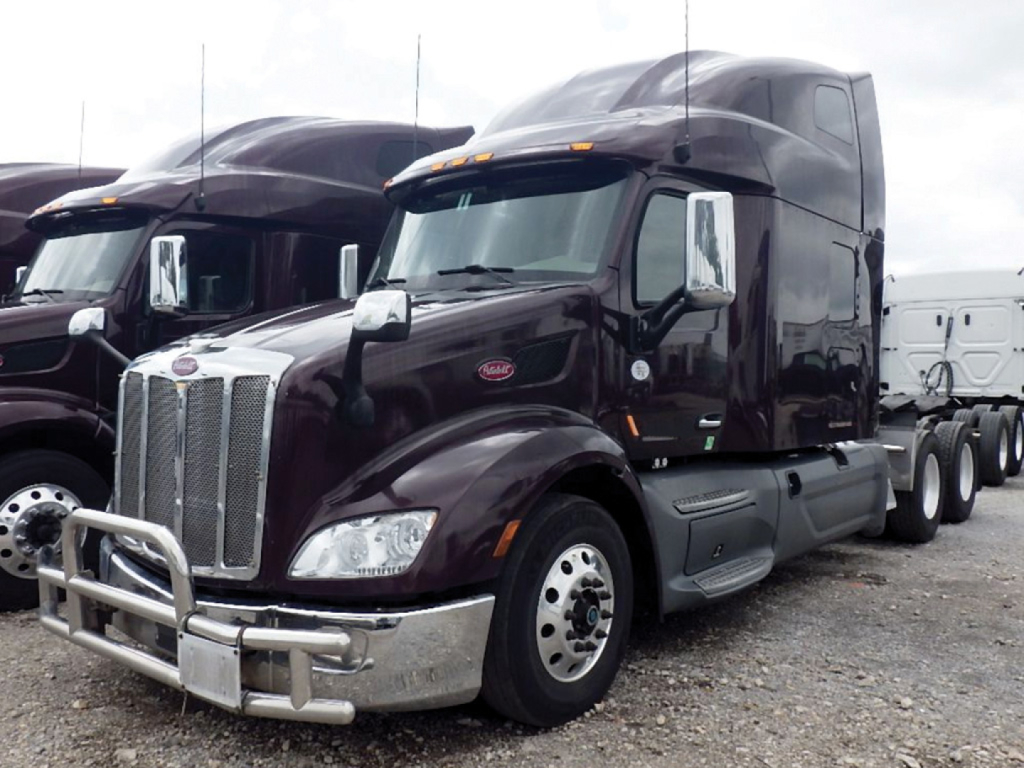
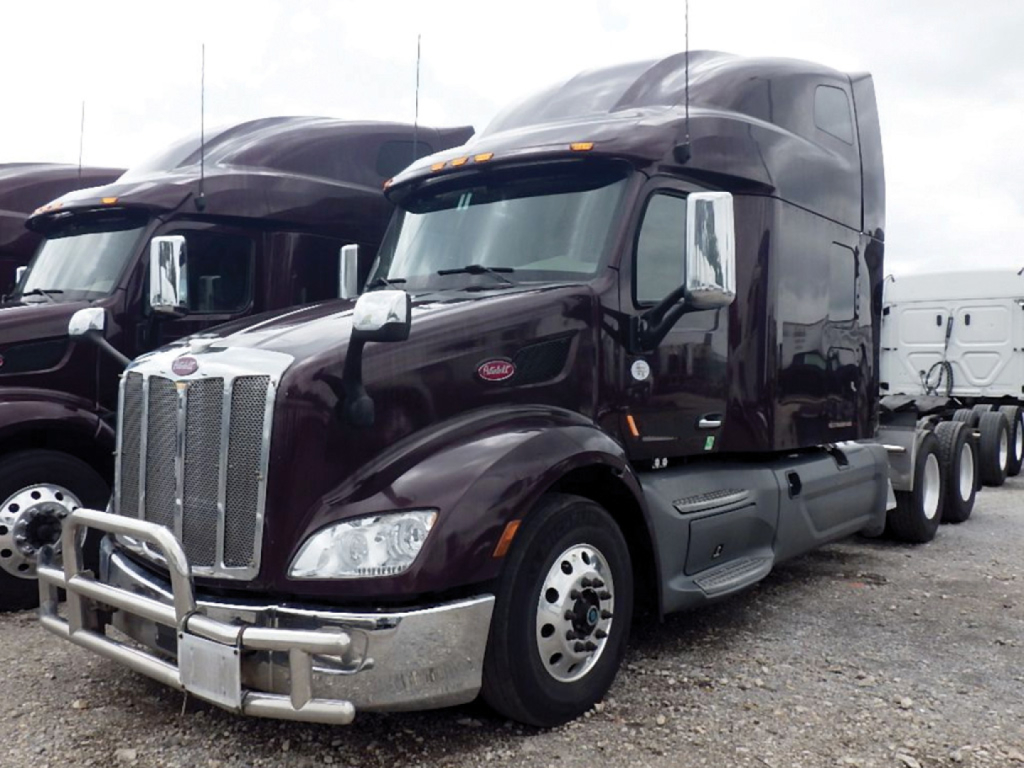
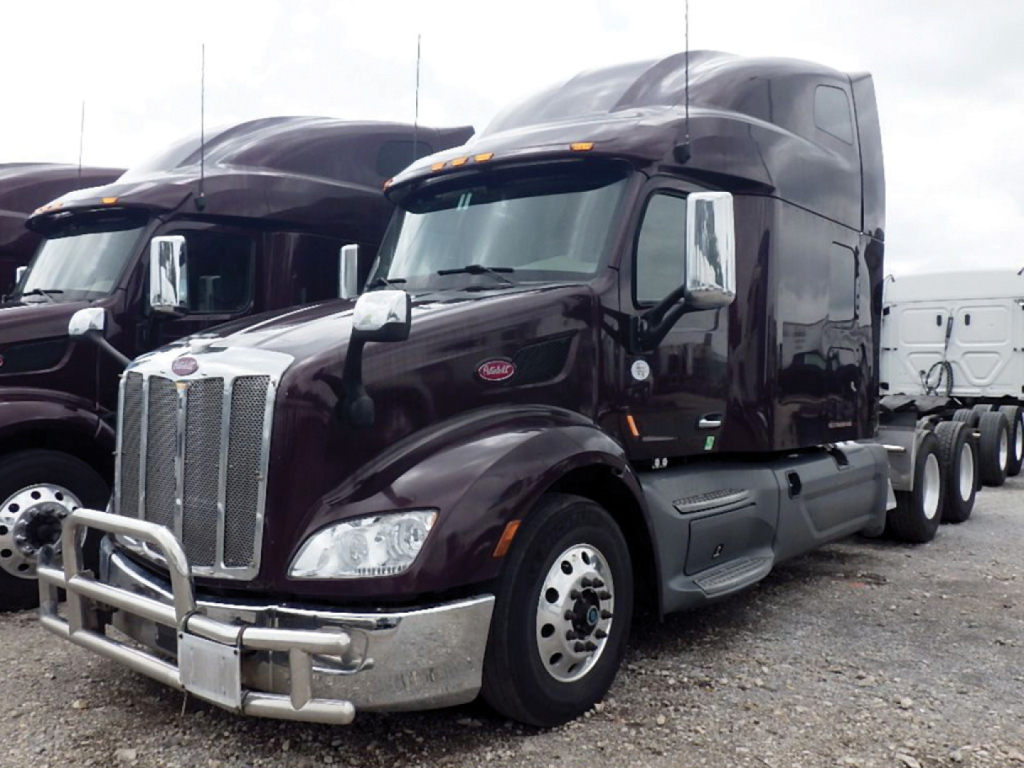
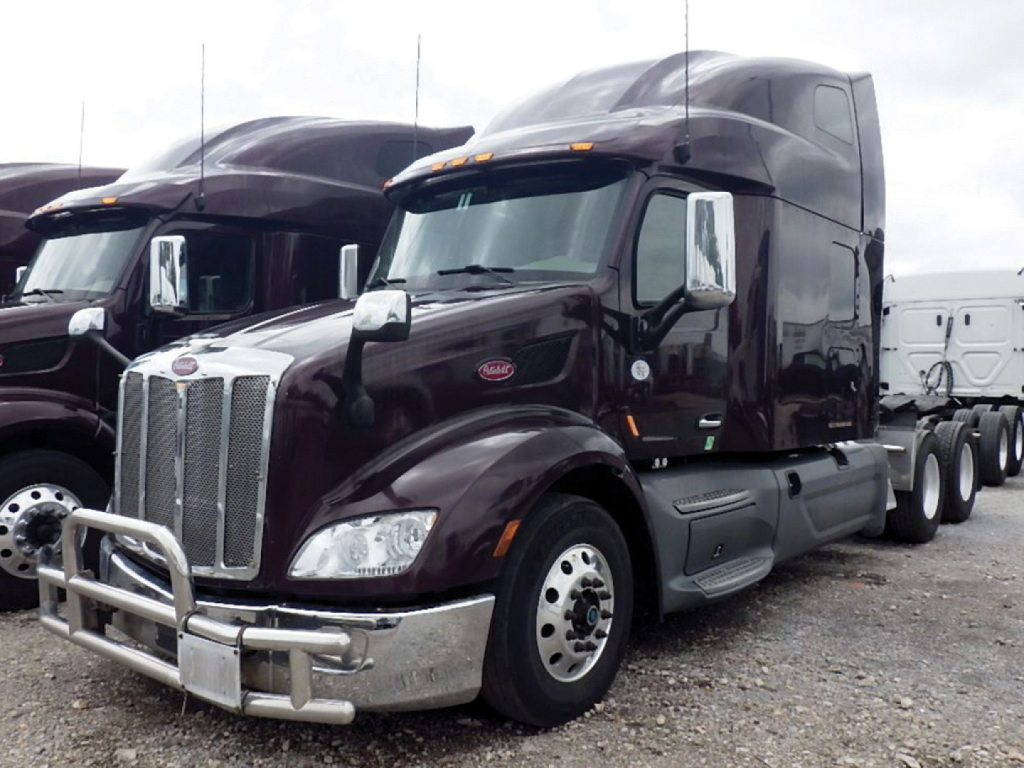
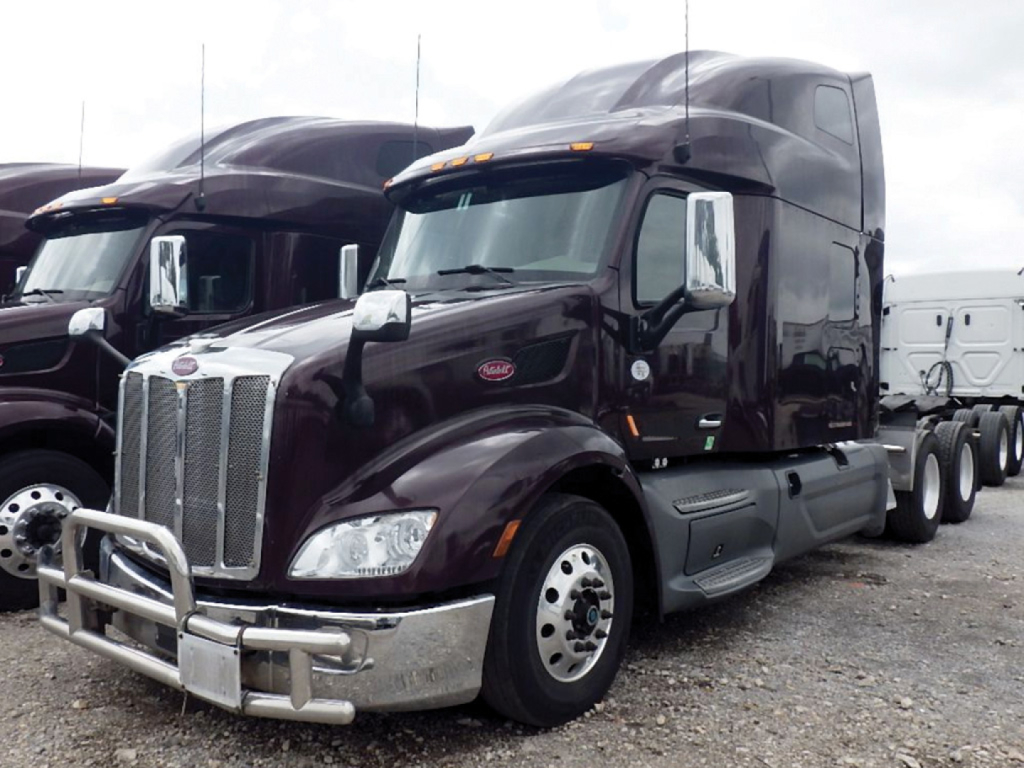


Looking for the easiest place to sell your used peterbilt truck? List it here to reach thousands of buyers.
Used Peterbilt Trucks in Illinois
For over-the-road use, used Peterbilt sleeper and day cab tractors are often chosen for driver comfort, resale value, and broad parts support. Models like the Peterbilt 579 are common in fleet and owner-operator service, typically spec'd with PACCAR MX-13 or Cummins power, automated or manual transmissions, tandem rears, and air ride suspension. Buyers should pay close attention to horsepower, rear axle ratio, wheelbase, fuel capacity, and whether the truck has an air-slide fifth wheel, engine brake, APUs, or recent aftertreatment work. On older conventional sleepers such as the 389, extended hood layout, larger horsepower ratings, manual 13-speed or 18-speed transmissions, and heavier rear axle ratings are more common. Those trucks appeal to operators pulling heavier loads or buyers who want a traditional long-hood platform with strong serviceability and visual appeal.
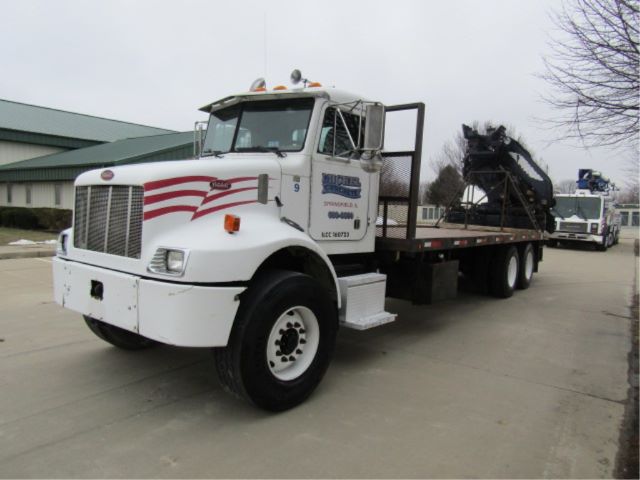
On the vocational side, used Peterbilt trucks in Illinois often include dump trucks, boom trucks, snow plow setups, municipal units, and straight trucks built on models like the 330 or 348. Here, the truck spec is more important than the badge alone. Look closely at front axle capacity, pusher or cheater axles, PTO provision, Allison automatic versus Eaton manual transmissions, frame condition, hydraulic system health, and body compatibility. For dump and plow work, buyers should inspect corrosion exposure, especially around spreader mounts, hoist points, cab corners, electrical connections, and underbody components. Wheelbase and axle spacing are especially important if the truck will carry a body, run in tight urban areas, or need legal payload flexibility.
Condition on a used Peterbilt should be judged beyond odometer miles. Service history, engine hours, aftertreatment maintenance, suspension wear, steering play, brake condition, tire matching, and signs of prior frame or cab repair all matter. Peterbilt trucks generally hold value well, but a buyer still needs to verify emissions system status, ECM history, title condition, and how the truck was previously used. A fleet-maintained highway tractor can be a very different purchase from a municipal plow truck or a construction-spec tandem. The best used Peterbilt truck is the one with a spec that fits the work, documented maintenance, and enough remaining life in the driveline, chassis, and emissions components to support the next operating cycle.
Frequently Asked Questions about Used Peterbilt Trucks in Illinois
What are the most common used Peterbilt truck models buyers look for in Illinois?
The most common used Peterbilt trucks in Illinois usually include the 579 for highway freight, the 389 for long-hood sleeper applications, and vocational models such as the 330 and 348 for local work, dump service, utility use, and municipal operation. The right model depends on the job. A 579 is typically aimed at regional or long-haul freight, while a 348 or 330 is more likely to be configured for bodies, hydraulics, or seasonal equipment like plows.
What should I inspect first on a used Peterbilt truck?
Start with the truck's original and current spec, then confirm that the condition matches the intended use. Key checks include engine make and horsepower, transmission type, axle ratings, wheelbase, suspension, PTO capability, and emissions system status. After that, inspect maintenance records, frame rails, suspension components, steering, brakes, tires, and any signs of rust or repaired damage. On Illinois trucks, corrosion from winter road treatment is an important inspection point, especially on vocational units.
Are used Peterbilt 579 trucks good for fleet and owner-operator use?
Yes. The Peterbilt 579 is one of the most common late-model used aerodynamic tractors on the market and is widely used by both fleets and owner-operators. It is known for driver comfort, parts availability, and flexible specs that range from day cabs to sleepers. Buyers should compare engine choice, transmission type, fuel capacity, wheelbase, and maintenance history, especially any work related to aftertreatment, EGR, DPF, or SCR components.
Is a used vocational Peterbilt different from a used highway Peterbilt in what matters most?
Yes. On a vocational Peterbilt, the critical factors are usually axle capacity, frame strength, PTO setup, body condition, hydraulic performance, and evidence of off-road or severe-service wear. On a highway Peterbilt, buyers focus more on fuel economy spec, sleeper or day cab layout, rear axle ratio, driveline condition, and road-speed gearing. Mileage alone tells less of the story on either truck than service records, duty cycle, and prior application.
Do Peterbilt trucks hold their value well on the used market?
Peterbilt trucks generally retain value well because of brand reputation, driver appeal, and strong demand in both highway and vocational segments. Resale value still depends heavily on the exact configuration and maintenance history. A clean, documented truck with a desirable engine and transmission combination will usually draw stronger interest than a poorly documented unit, even if both are the same model year. Spec, condition, and prior use drive value more than branding alone.