
Used 2014 Commercial Trucks For Sale in Illinois
Used 2014 commercial trucks for sale in Illinois: compare axle ratings, salt corrosion and emissions history to choose the right work configuration.
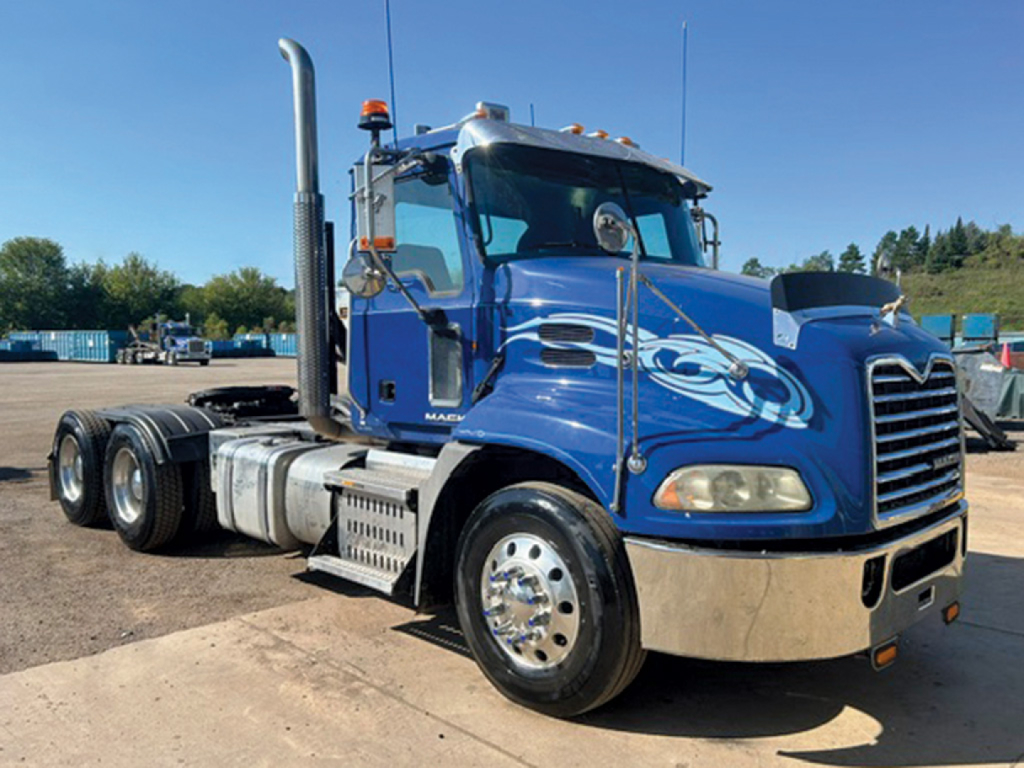
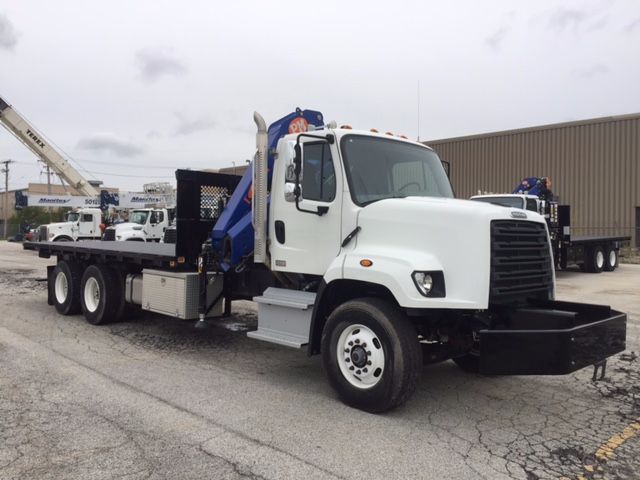

Looking for the easiest place to sell your used 2014 commercial truck? List it here to reach thousands of buyers.
Used 2014 Commercial Trucks in Illinois
Match the configuration to the job before comparing horsepower. Chicago-area intermodal and regional freight favor maneuverable daycabs, while longer Interstate runs may justify a sleeper; central and southern Illinois farm, construction and delivery work bring straight trucks, dumps and specialized bodies into the decision. Highway platforms such as the Volvo VNL and Mack Pinnacle serve different needs than a vocational Freightliner 108SD or a medium-duty delivery chassis. Check wheelbase, axle ratings, rear ratio, fifth-wheel position or body dimensions against the actual load. For boom trucks, verify crane capacity at working radius, outrigger requirements and remaining payload.
The 2014 model year falls within the first phase of federal heavy-duty greenhouse-gas standards. Most on-road diesels of this era have a DPF, and many use SCR with DEF; confirm the engine certification label and installed system rather than assuming every truck shares the same equipment. Obtain ECM mileage, engine hours, fault history and available regeneration records alongside maintenance invoices. Documented DPF cleaning, DEF-system repairs, injector work and cooling-system service help separate a maintained truck from one carrying deferred repairs. Gasoline-powered commercial chassis require a different emissions assessment.
Require a cold start and a loaded road test where practical, checking blow-by, coolant pressure, transmission shifts, driveline vibration and braking. PTO-equipped trucks need a separate operating test of hydraulics and attachments because road mileage does not measure stationary work. Inspect tires by date and condition, not tread depth alone, and check fifth-wheel wear or body-mount integrity as appropriate. Verify registered weight and intended routes separately from component ratings; Illinois posted bridges, local restrictions and seasonal limits can affect otherwise suitable equipment.
Frequently Asked Questions about Used 2014 Commercial Trucks in Illinois
Should I choose an automated manual or an automatic transmission in a 2014 work truck?
An automated manual transmission suits many 2014 highway tractors, while a torque-converter automatic often better suits frequent low-speed vocational work. Confirm the transmission model rather than relying on an automatic label. Test launch behavior, creeping, reverse engagement and hill starts, and obtain clutch wear data where supported. A dump, boom or other PTO-equipped truck may require transmission provisions that a highway configuration lacks.
Will a forced regeneration fix a DPF problem on a 2014 diesel truck?
A forced regeneration burns soot but does not remove accumulated ash from a 2014 diesel truck's DPF. Ash loading requires appropriate off-truck cleaning or filter replacement. Before authorizing a regeneration, diagnose pressure sensors, temperature sensors, exhaust leaks and engine faults that can prevent successful operation. Ask for measured restriction and service records rather than accepting a cleared warning light as proof that the aftertreatment system is healthy.
Can a 2014 tractor-trailer legally run at 80,000 pounds in Illinois?
A properly configured five-axle 2014 tractor-trailer can generally operate at 80,000 pounds on Illinois Interstate routes without an overweight permit. Federal limits include 20,000 pounds on a single axle and 34,000 pounds on a tandem, subject to the bridge formula. Registration, axle spacing, tire capacity and equipment ratings must also support the load. Posted bridges and local roads can impose lower limits, so verify the complete route rather than only the highway portion.
What repair risks should I allow for with a non-running 2014 commercial truck?
A non-running 2014 commercial truck has an unproven powertrain until an independent diagnosis establishes why it will not operate. Retrieve engine and transmission fault codes, check electrical supply, and inspect oil and coolant for contamination. A failed emissions component does not establish that the engine, clutch or transmission is sound. Account for professional recovery, loading access and repairs that cannot be identified without a running test before committing to the project.