
Used Van Trucks For Sale in Illinois
Used van trucks for sale in Illinois: compare usable payload, liftgate capacity, salt corrosion, and diesel service records before choosing a box truck.
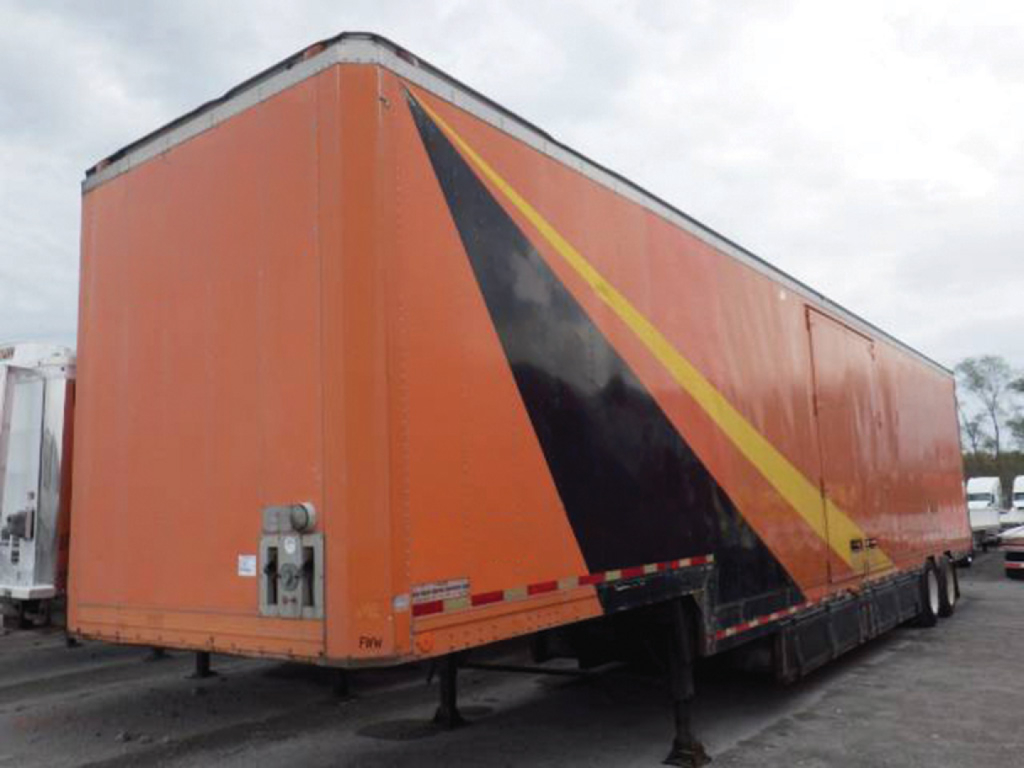
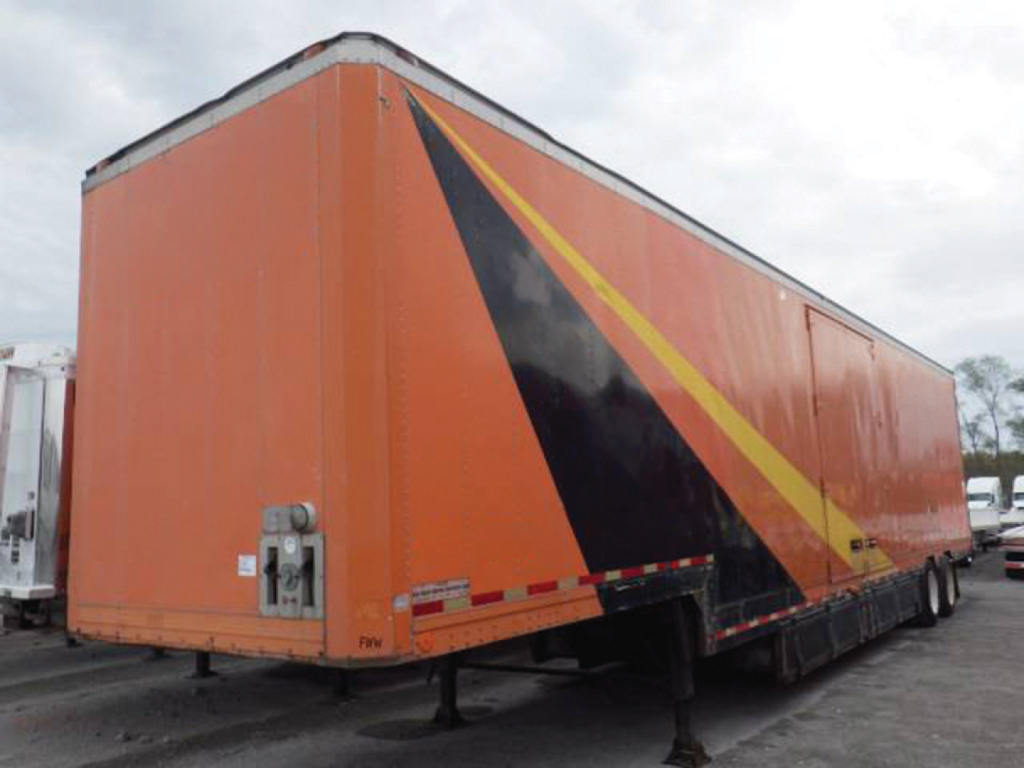
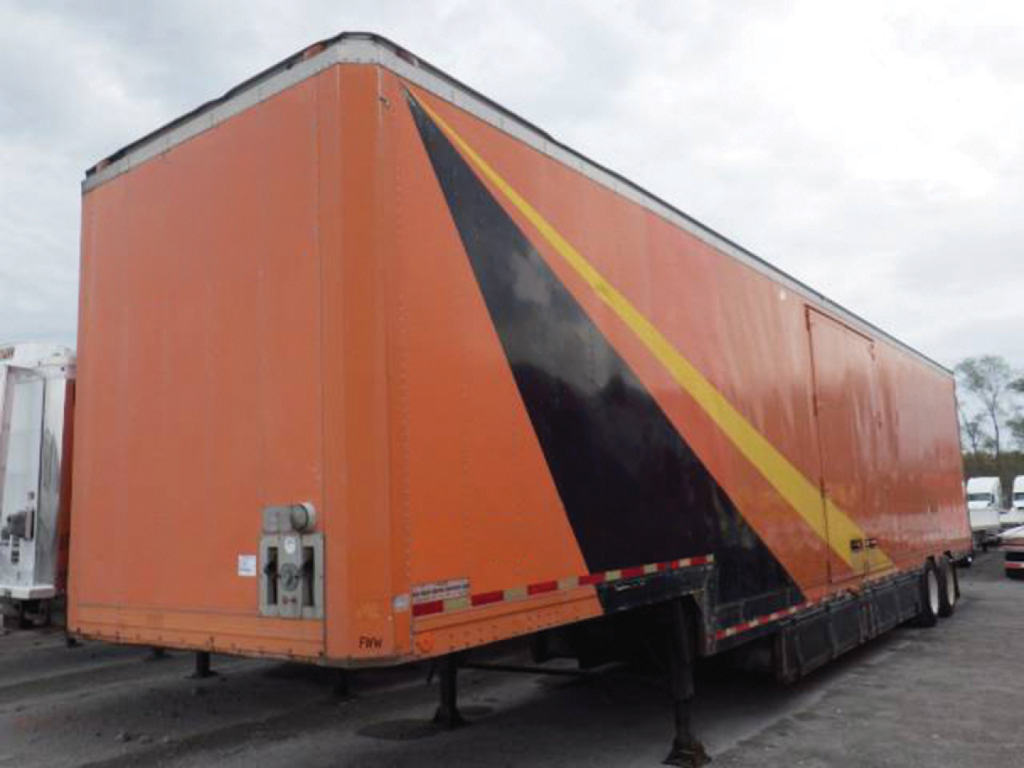
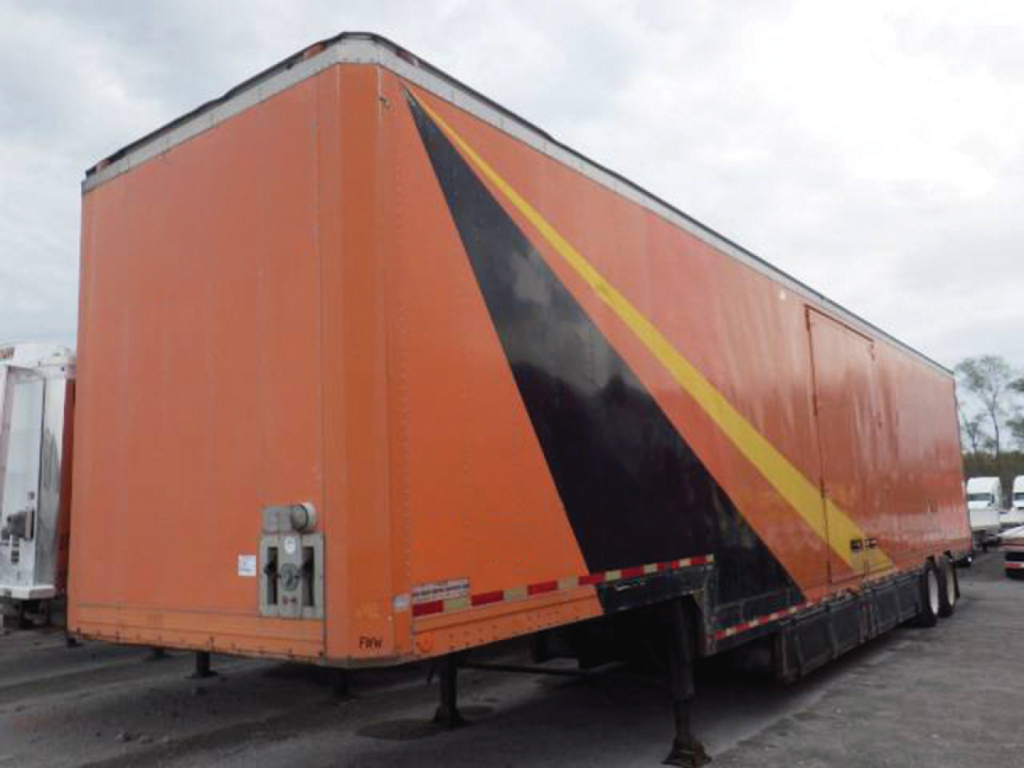
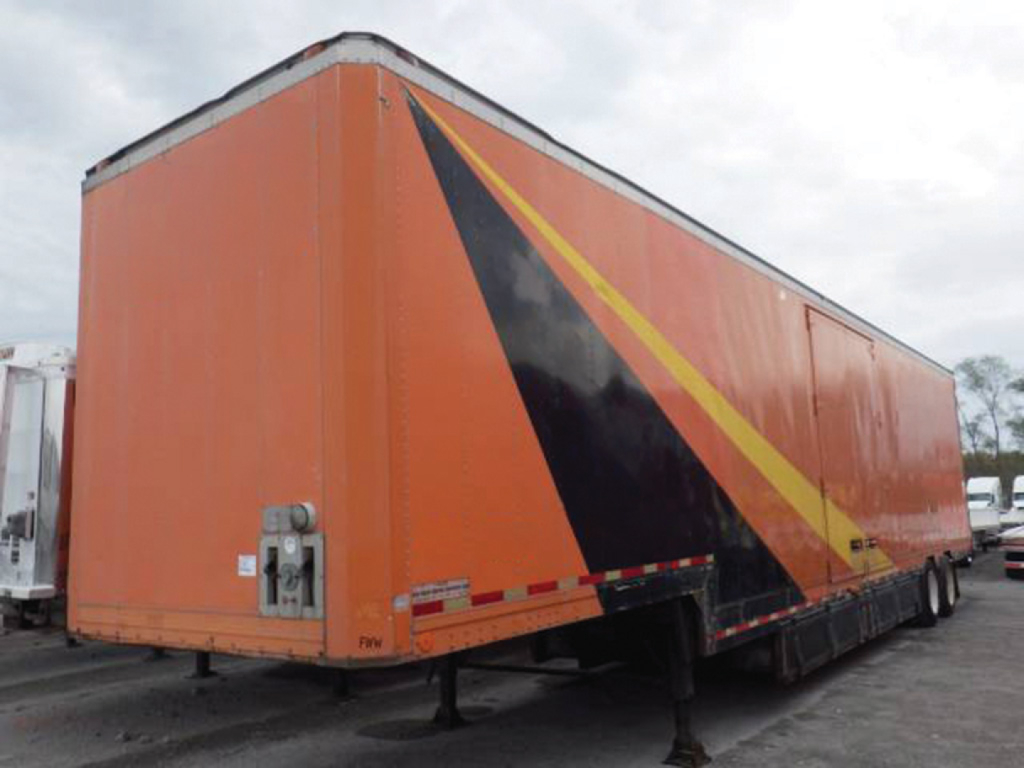
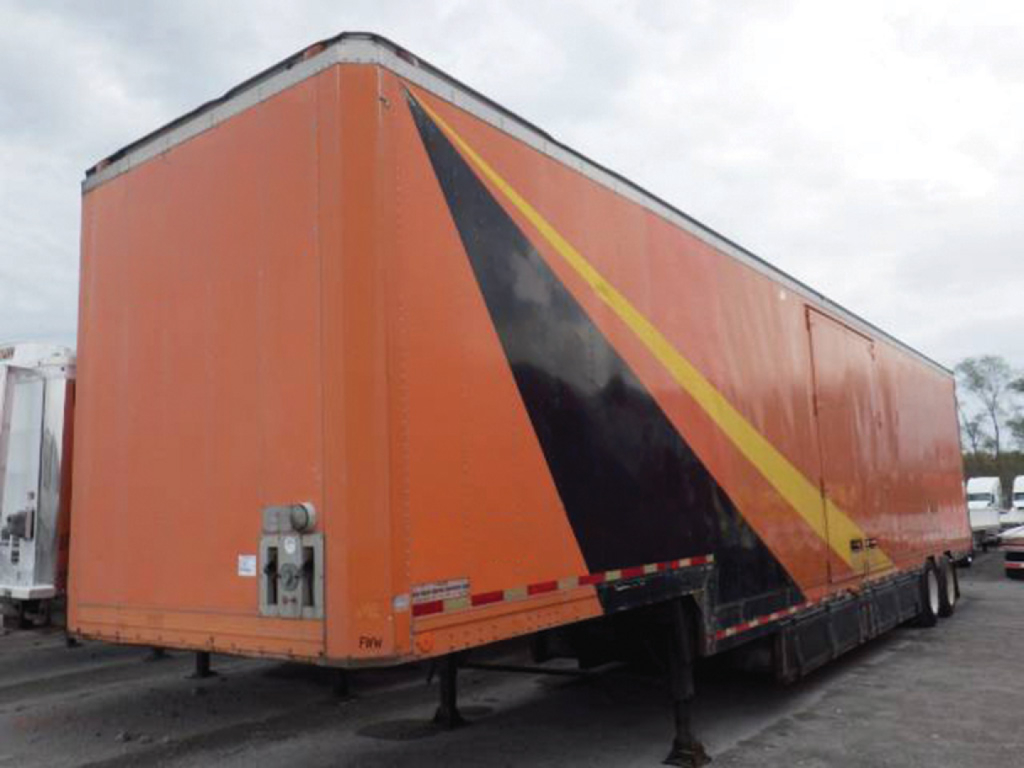
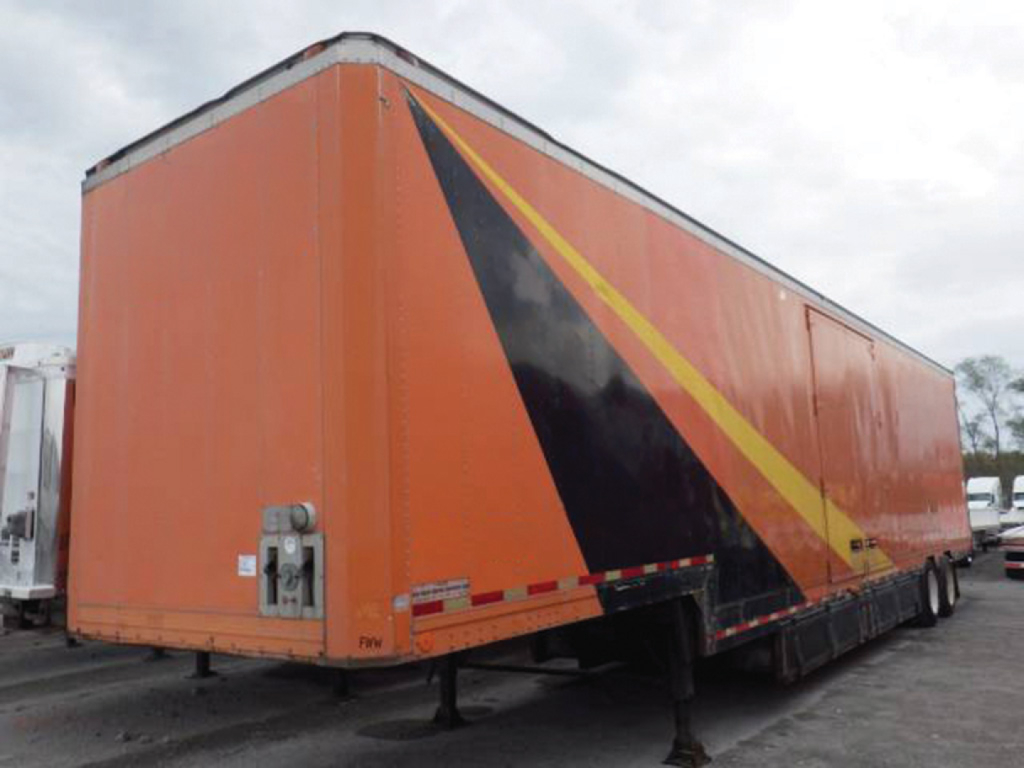
Looking for the easiest place to sell your used van truck? List it here to reach thousands of buyers.
Used Van Trucks in Illinois
Choose body length, interior height, and rear opening around the freight, then verify usable payload after the body and liftgate are installed. Cabover designs suit tight delivery stops; conventional cabs can suit longer regional runs. A liftgate helps at customers without docks, while its platform dimensions and rated capacity must match the complete load being handled.
Across makes and model years, compare gasoline and diesel power against annual mileage, idle time, and stop frequency rather than engine reputation alone. On used diesels, identify the engine's emissions configuration and review maintenance records for aftertreatment work, cooling-system repairs, and transmission service. Compare ECM miles and engine hours with the odometer, then road-test the truck cold and fully warmed. Illinois winter operation also makes battery condition, coolant freeze protection, cab heat, and tire condition worth checking. Match registration weight and individual axle capacity to the planned load, not just the advertised GVWR.
Frequently Asked Questions about Used Van Trucks in Illinois
Do I need a CDL to drive a used box truck in Illinois?
A single Illinois box truck with a GVWR or actual gross weight of 26,001 pounds or more normally requires a Class B CDL. Illinois also uses a non-CDL Class C license for qualifying single vehicles rated from 16,001 through 26,000 pounds; a standard Class D license is not enough for that weight class. Hazardous-material and passenger operations can trigger CDL requirements below 26,001 pounds.
How do I calculate the actual payload of a used van truck?
A certified scale weight with fuel, driver, and installed equipment is the starting point for calculating a used van truck's available payload. Subtract that weight from the GVWR, then confirm the proposed load stays within each axle rating and applicable road limits. A long cargo box can run out of legal payload before running out of floor space.
What rust damage should concern me on an Illinois used box truck?
Structural metal loss at spring hangers, body mounts, or liftgate attachment points is more serious than surface rust on an Illinois used box truck. Have a qualified inspector assess pitting, flaking scale, cracked brackets, and patched frame sections. Check inside boxed crossmembers and behind splash shields, where corrosion can remain hidden, and verify that repaired mounting areas still support the loaded body.
Which used diesel box truck years have DPF and DEF systems?
Most 2007-era and newer on-road diesel box trucks use a diesel particulate filter, while many 2010-era and newer diesels also use SCR and DEF. Confirm the engine's emissions label rather than relying only on the chassis model year. Older pre-DPF trucks avoid that hardware but may need age-related cooling, fuel-system, wiring, and seal repairs. For newer trucks, review regeneration frequency, fault history, and documented filter cleaning.
What liftgate capacity do I need for furniture or pallet deliveries?
A box truck liftgate must be rated for the combined weight of the freight, pallet jack, and any operator allowed on the platform. For Illinois furniture and appliance deliveries, measure platform depth and confirm that the largest load fits within the manufacturer's permitted load center. Cycle the gate under load and inspect cylinders, hinges, hydraulic hoses, and electrical connections for leaks or slow operation.