
Van Trucks For Sale
Compare van trucks by body length, FRP vs aluminum bodies, roll-up or swing doors, liftgates, gas-diesel-electric power, and CDL vs non-CDL GVWR choices.
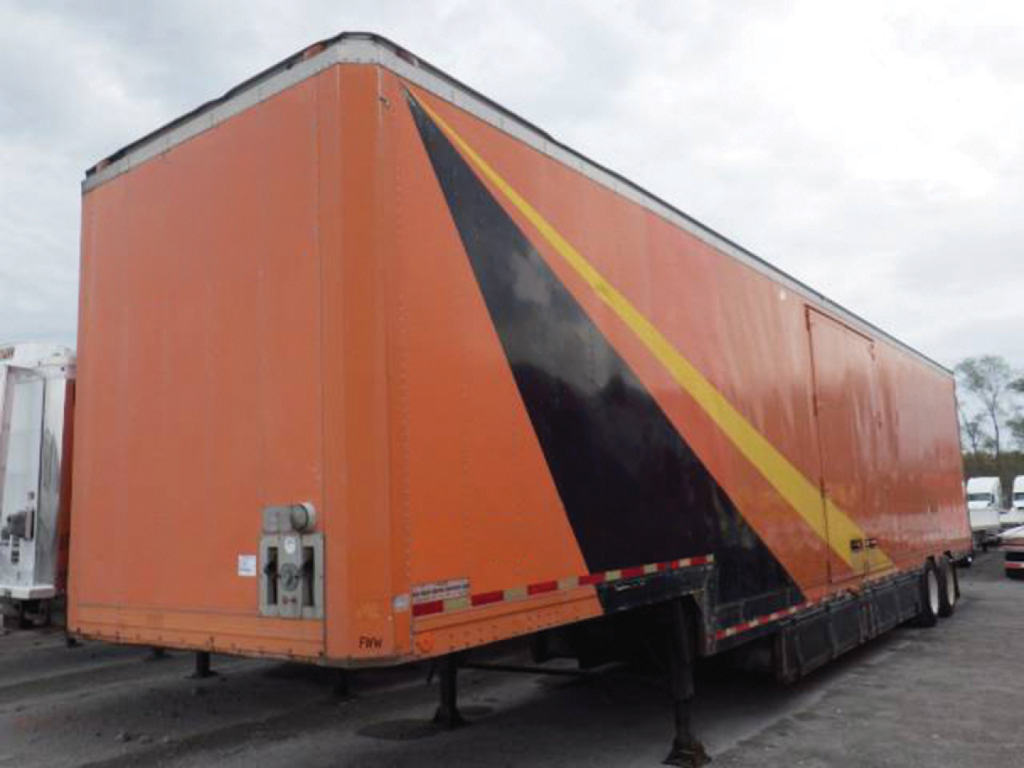
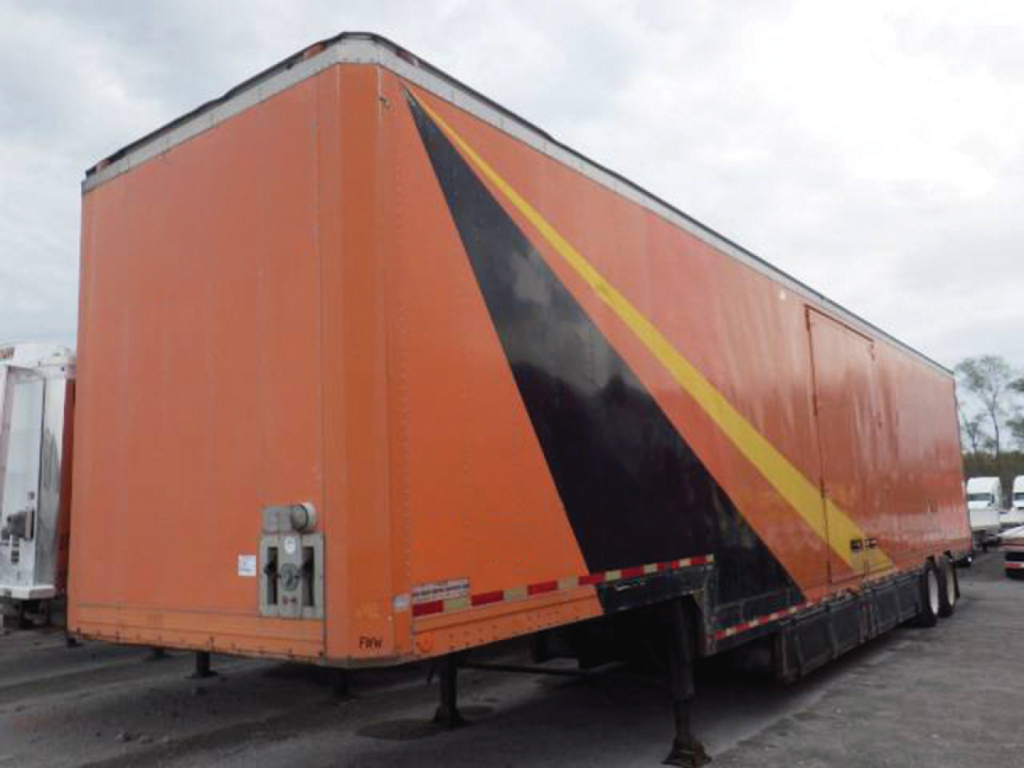
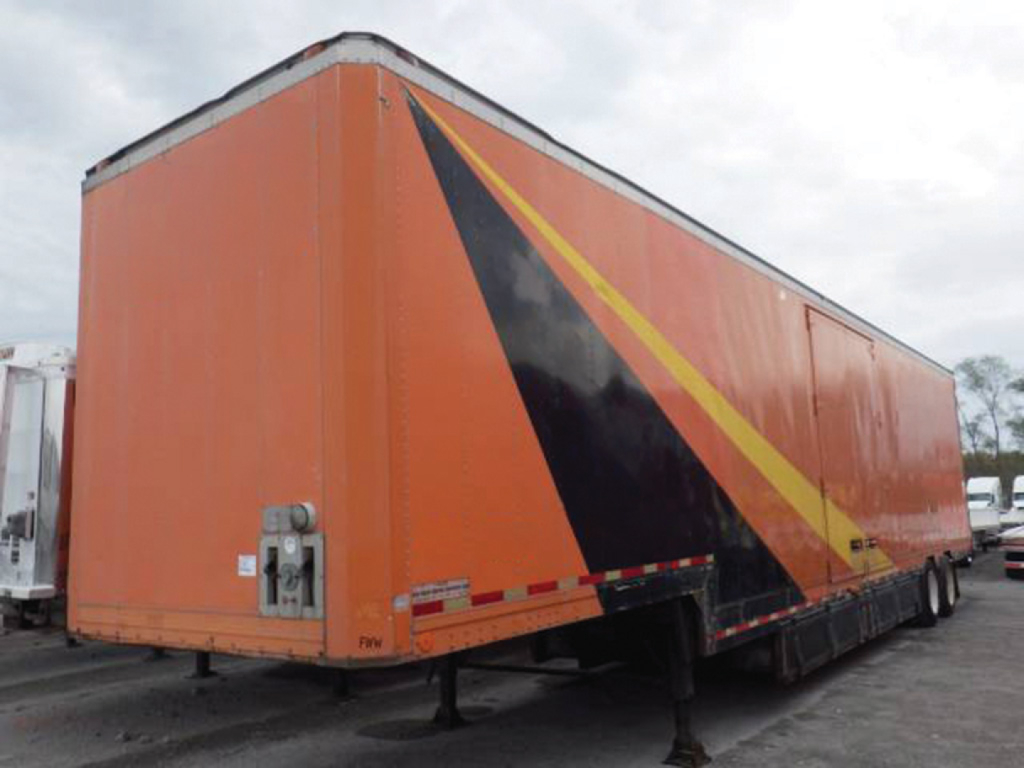
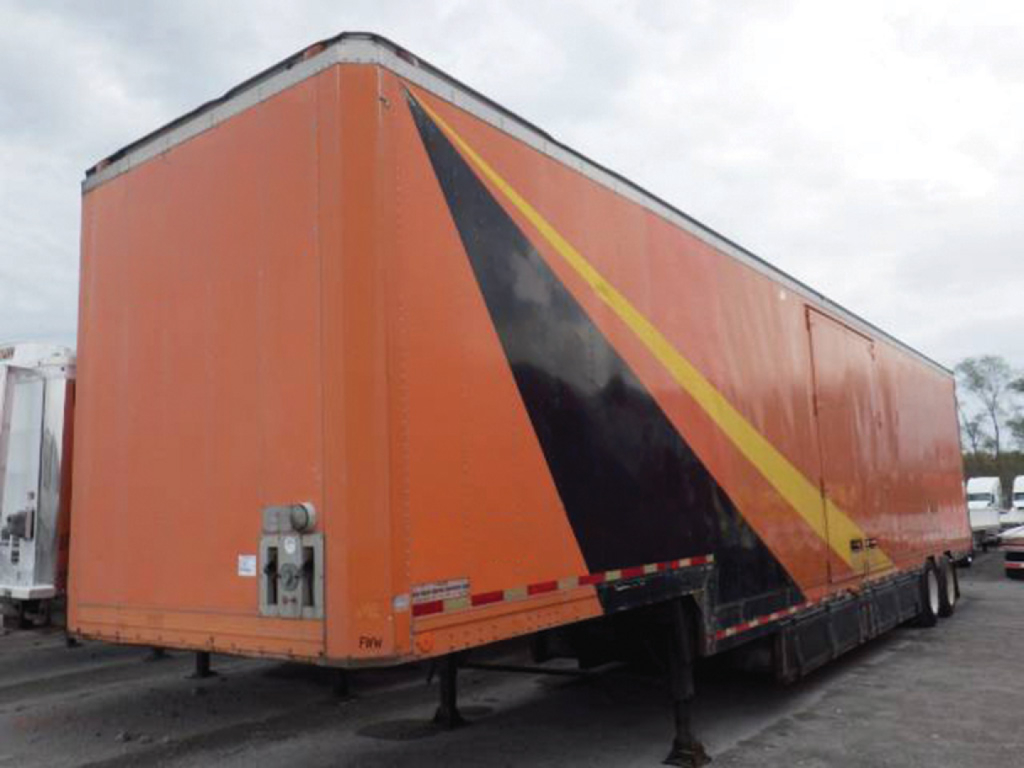
Selling a van truck? List your van truck for sale and reach thousands of commercial buyers.
Van Trucks
Body construction and interior features drive usability. Common lengths are 12 to 28 ft at 96 or 102 in width with interior heights from 90 to 110 in. FRP panels are tough and easy to repair locally but add weight. Aluminum sheet-and-post or composite panels save a few hundred pounds, improving payload and fuel economy. Translucent roofs brighten the box for parcel work, while aluminum roofs run cooler and improve security. Roll-up rear doors speed city deliveries and clear tight alleys; swing doors seal better, weigh less, and open wider for dock and forklift loading. Look for fork-rated floors, 24 in scuff liners, 2 rows of e-track or logistics posts, LED interior lights, and optional curbside doors. For high-value freight, specify opaque roofs, slam-locks, and alarmed rear door switches.
Chassis choice affects performance and total cost. Gas engines dominate light Class 3-5 city rigs with lower upfront cost and simpler emissions systems, but they burn more fuel. Diesel in Class 5-7 adds torque, engine brake options, and longevity for 26 ft bodies and hilly routes. Emerging electric straight trucks fit quiet, zero-tailpipe-emission urban P&D with predictable daily miles, trading higher purchase price and payload penalty for fuel and maintenance savings. Allison 2000-2500 series automatics and comparable AMTs are common for stop-and-go. Spring suspensions are cost effective; air ride protects freight and eases dock alignment. Dock-height 22.5 in tire packages pair with most warehouses, while low-profile 19.5 in packages lower step-in for residential delivery. Wheelbase and cab-to-axle must match body length for proper axle loading and turning radius. Liftgates are critical: tuck-under gates preserve dock access and suit pallet-jack freight, while railgates act like a moving dock plate for bulky appliances. Typical capacities run 2,000 to 3,500 lb; add dual batteries and an on-board charger for heavy cycle routes.
Regional and compliance details matter. Watch overall height around 12 ft 6 in for urban routes with low bridges. In snow states, undercoating, sealed harnesses, and stainless hardware slow corrosion around door tracks and liftgates. For California and similar jurisdictions, confirm engine year, DPF and SCR status, and any Clean Truck rules that apply to your operation. Inspect roof seams, roll-up door drums and cables, floor fasteners, and liftgate pivots and pump condition. Adding collision mitigation, lane departure alerts, TPMS, backup cameras, and telematics can reduce incidents and document deliveries. A well-spec’d van truck moves 8 to 12 pallets in a 24 to 26 ft body, turns in tight city blocks if the wheelbase is chosen correctly, and keeps freight secure and dry at the dock and the curb.
Also known as: Box Truck, Straight Truck, Cube Truck, Cube Van
Frequently Asked Questions about Van Trucks
What body length and height should I choose for my van truck?
Match the body to your freight and delivery environment. Parcel and home delivery often run 14 to 20 ft with lower overall height for garages and tight neighborhoods. Retail and LTL P&D commonly use 22 to 26 ft dock-height bodies to handle 8 to 12 pallets and pallet jacks. Taller interiors improve cube for light freight but add drag and can create bridge clearance issues. Verify rear door opening height against your tallest freight and material handling equipment.
What is the difference between FRP and aluminum van bodies?
FRP panels are durable and easy to repair locally, making them popular for city fleets that brush trees and docks. The trade-off is weight, which reduces payload. Aluminum sheet-and-post or composite panels shave several hundred pounds, can improve fuel economy, and resist moisture, but panel replacement may require body shop expertise. If image matters, aluminum can hold paint or decals well, while FRP offers a smooth billboard surface. Consider climate, repair network, and payload targets.
Which liftgate style is best for my operation?
Tuck-under liftgates fold beneath the rear frame, keeping the dock door clear for warehouse loading and providing good ground clearance. They are versatile for palletized freight. Railgates ride on vertical tracks and create a large, stable platform ideal for appliances, furniture, and vending, but they can block dock access when stowed and add weight. Cantilever gates level-load on slopes and are popular in Europe-style curb deliveries. Size the platform to your freight and choose 2,000 to 3,500 lb capacity for most P&D work.
Should I choose gas, diesel, or electric power for a van truck?
Gas is cost effective for lighter Class 3-5 city routes with shorter daily miles and simpler emissions systems. Diesel provides higher torque, better fuel economy under load, and longer service life for 24 to 26 ft bodies, hills, and highway legs. Electric straight trucks excel in urban P&D with fixed routes and overnight depot charging, offering quiet operation and lower maintenance, but they carry higher upfront cost, reduced range, and potential payload penalties. Model your duty cycle and total cost of ownership before deciding.
Do I need a CDL to drive a van truck and what about air brakes?
A CDL is generally required at 26,001 lb GVWR and above. Many van trucks are spec’d at or below 26,000 lb to stay non-CDL, though payload is reduced. Air brakes do not by themselves require a CDL, but operating vehicles with air brakes over the CDL threshold requires passing the CDL air brake knowledge and skills components. Requirements vary by state, so confirm local rules, endorsements, and medical card needs before putting a unit in service.