
Used Van Trucks For Sale
Shop used van trucks including cargo vans and delivery vans. Compare wheelbase, roof height, payload, engine type, and access features.

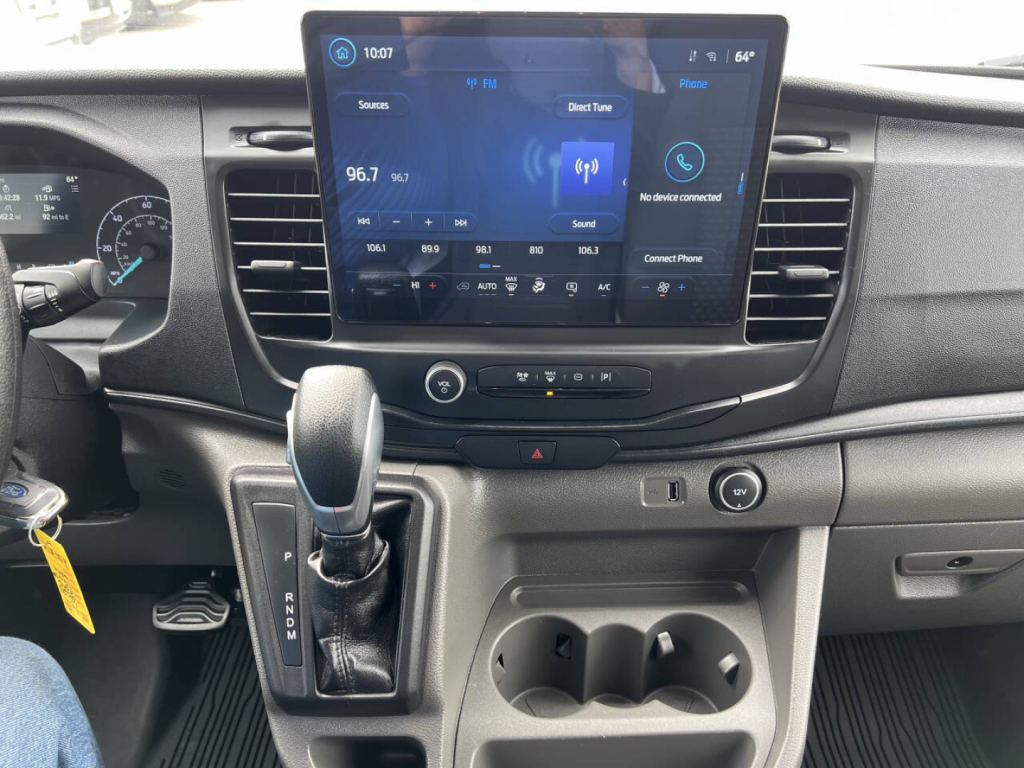
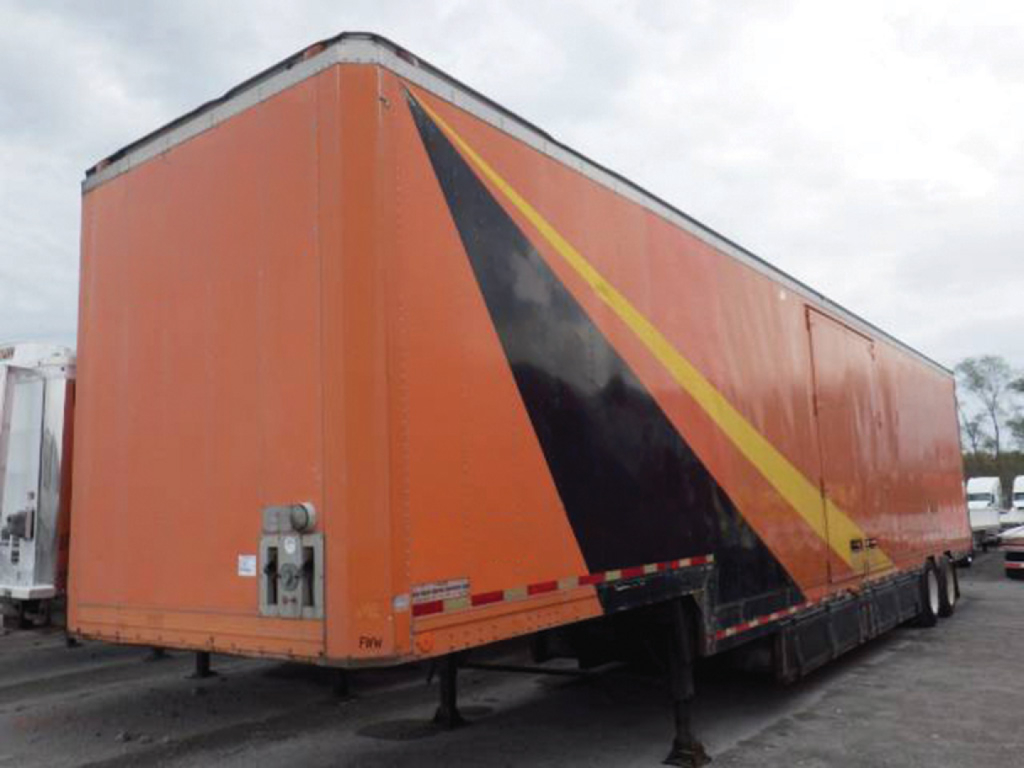
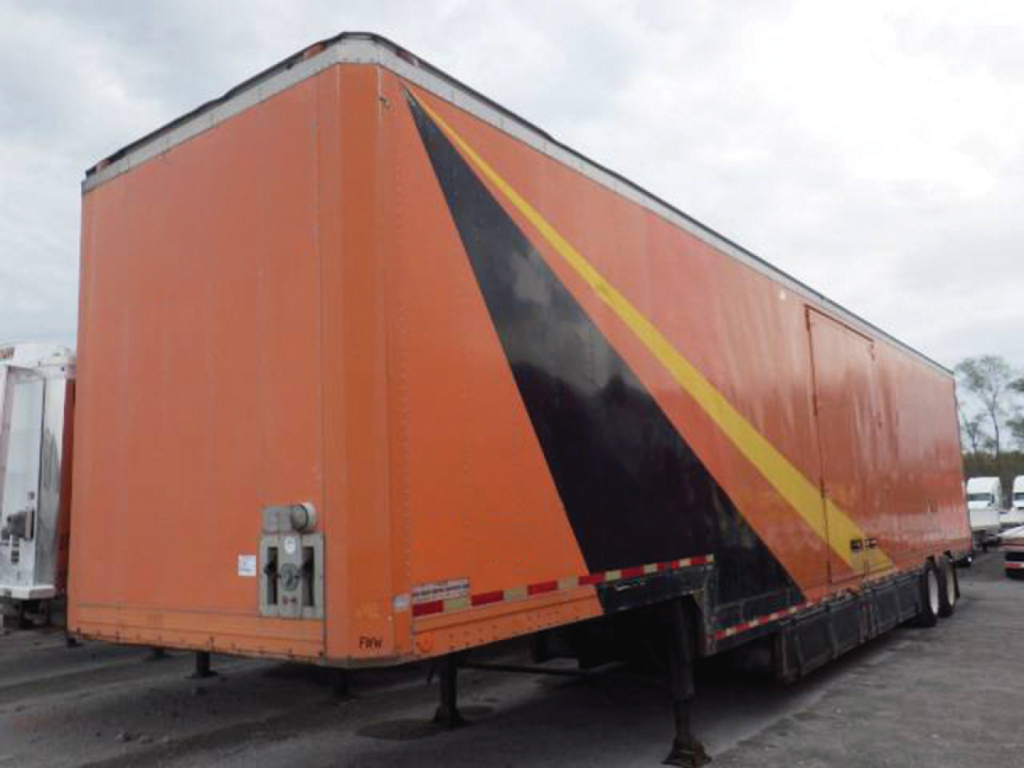
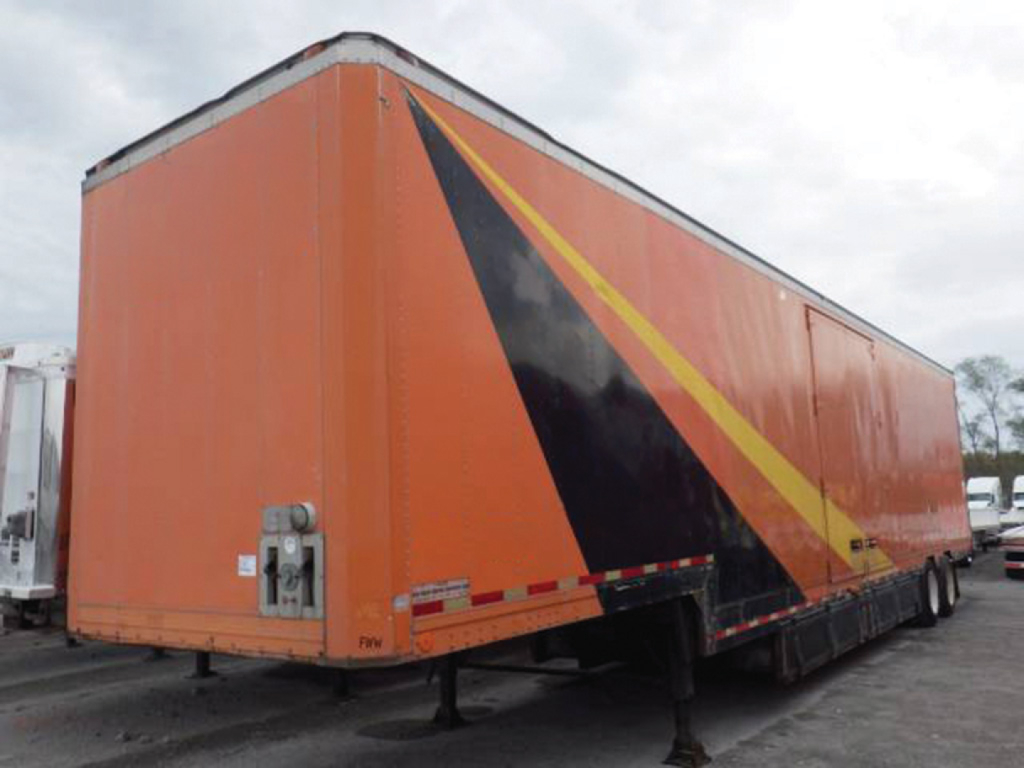
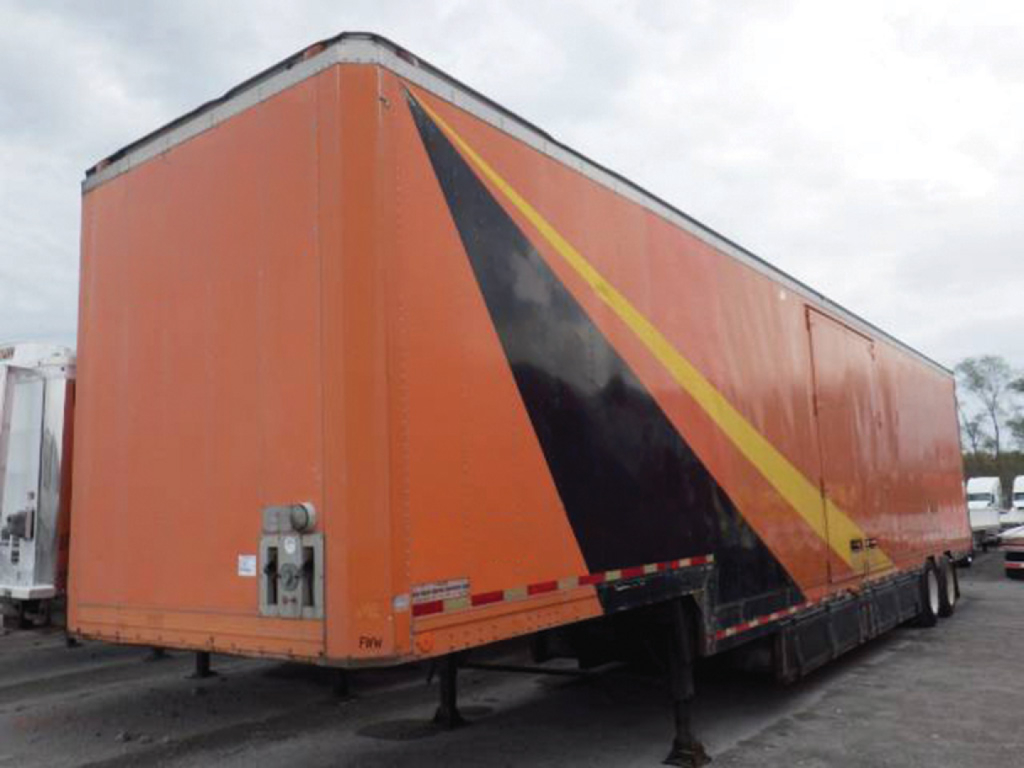
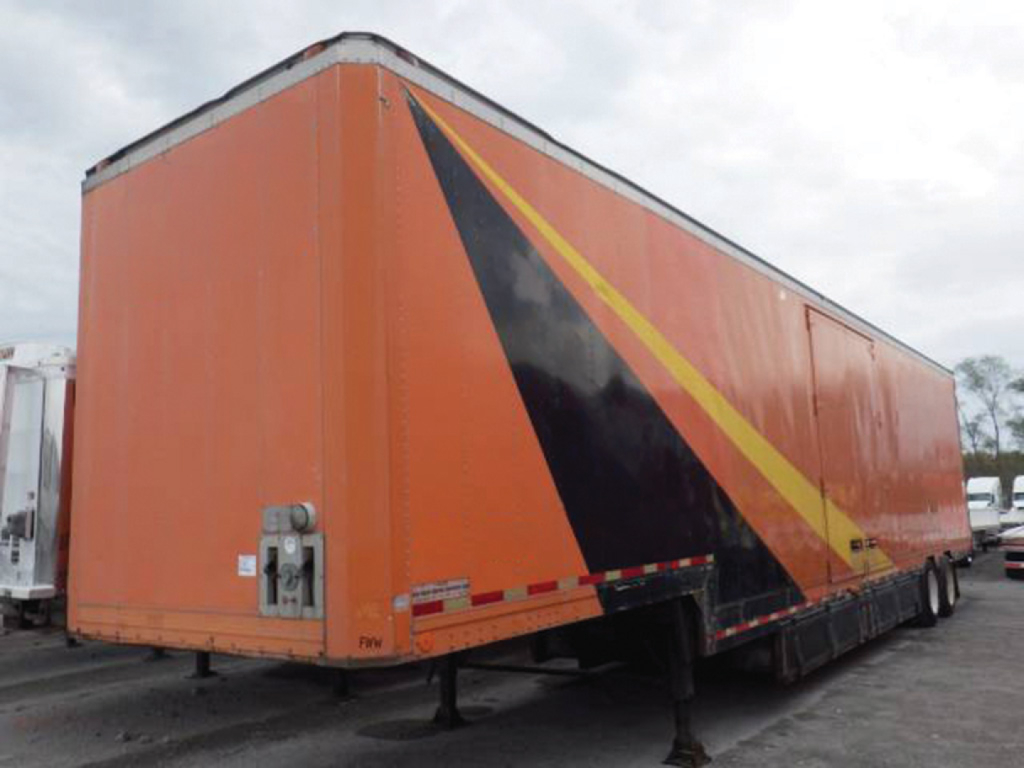
Selling a used van truck? List your used van truck for sale and reach thousands of commercial buyers.
Used Van Trucks
The first decision is usually body configuration. Standard-roof vans are easier to park, clear height restrictions, and fit mixed city use, while high-roof vans improve stand-up access and speed up loading for multi-stop work. Wheelbase matters just as much. A shorter wheelbase is easier in tight alleys, service calls, and downtown routes, while a longer wheelbase gives more cubic capacity and usually a better layout for shelving, racks, or bulk cargo. Buyers should also compare side-door opening width, rear swing-out or split rear door design, floor height, and interior upfit condition. On a used van truck, shelving, partitions, ladder racks, electrical inverters, and bulkhead setups can add value if they match the intended application.
Payload and GVWR deserve close attention because two vans with similar exterior size can have very different carrying ability. Light-duty van trucks in the used market often fall into 1500, 2500, and 3500-style ratings, with higher-rated models offering stronger rear axles, heavier suspension, and more payload margin for tools, parts, or route freight. Engine choice affects more than fuel economy. Gas V6 and V8 vans are common for local fleets because service is straightforward and repair networks are broad. Diesel vans can make sense for high-mileage operations, especially where torque, fuel efficiency, or highway time matter, but buyers should inspect emissions-system history, maintenance records, and idle hours carefully. Transmission behavior, brake wear, tire condition, and signs of repeated overload use are all important on a used unit.
A good used van truck should be evaluated like a route asset, not just a passenger vehicle with an empty cargo area. Check cargo floor wear, rear threshold damage, door alignment, hinge condition, water intrusion, and the condition of partitions and tie-down points. Fleet buyers should also verify wheelbase, roof height, seating layout, and telematics or backup camera capability before standardizing on a model. For last-mile delivery and service applications, van trucks remain one of the most practical choices because they protect cargo from weather, secure tools and packages, and operate efficiently in dense urban and suburban environments.
Frequently Asked Questions about Used Van Trucks
What is the difference between a cargo van and a van truck in this category?
In this marketplace category, van trucks generally refer to enclosed van-style commercial trucks and cargo vans used for delivery, service, and light freight. Most buyers are looking at enclosed body configurations with full cargo access, commercial-grade payload capacity, and work-focused interiors rather than passenger seating. The exact chassis can range from light-duty cargo vans to heavier enclosed van-body trucks, so GVWR, wheelbase, and cargo dimensions should be confirmed on each listing.
What should I check first on a used van truck?
Start with cargo-area condition, door operation, and maintenance history. Floor wear, wall damage, water leaks, bent thresholds, and misaligned rear or side doors can reveal hard route use. Then review engine and transmission service records, brake condition, tire wear, suspension health, and any warning lights. If the van has a diesel engine, emissions-system history and idle time are especially important.
Which is better for commercial use, gas or diesel in a used van truck?
Gas engines are often the simpler choice for local fleets, contractor work, and moderate annual mileage because parts and service are widely available. Diesel engines can be a strong fit for higher-mileage highway use and heavier payload demands, especially when torque and fuel economy matter. The better choice depends on route length, idle time, load weight, and access to qualified service support for the specific engine platform.
How do I choose the right wheelbase and roof height?
Choose wheelbase based on route environment and cargo layout. Shorter wheelbase vans are easier to maneuver in tight urban areas, job sites, and parking structures. Longer wheelbase vans provide more usable cargo space and can handle shelving, bins, and bulk loads more efficiently. Roof height should match loading style and clearance limits. High-roof vans improve driver ergonomics and interior access, while standard-roof models are often easier to operate in height-restricted areas.
Are used van trucks good for last-mile delivery and service fleets?
Yes. Used van trucks are widely used for parcel delivery, appliance and parts distribution, field service, plumbing, electrical work, telecom, and mobile repair fleets. Their enclosed cargo area protects freight and equipment from weather and theft, and their size makes them practical in dense urban and suburban routes. The key is matching payload, cargo volume, door configuration, and interior upfit to the actual work being done.