
Used 2020 Commercial Trucks For Sale
Browse used 2020 trucks for sale, including day cabs, sleepers, vocational trucks, and medium-duty models with modern specs and proven value.
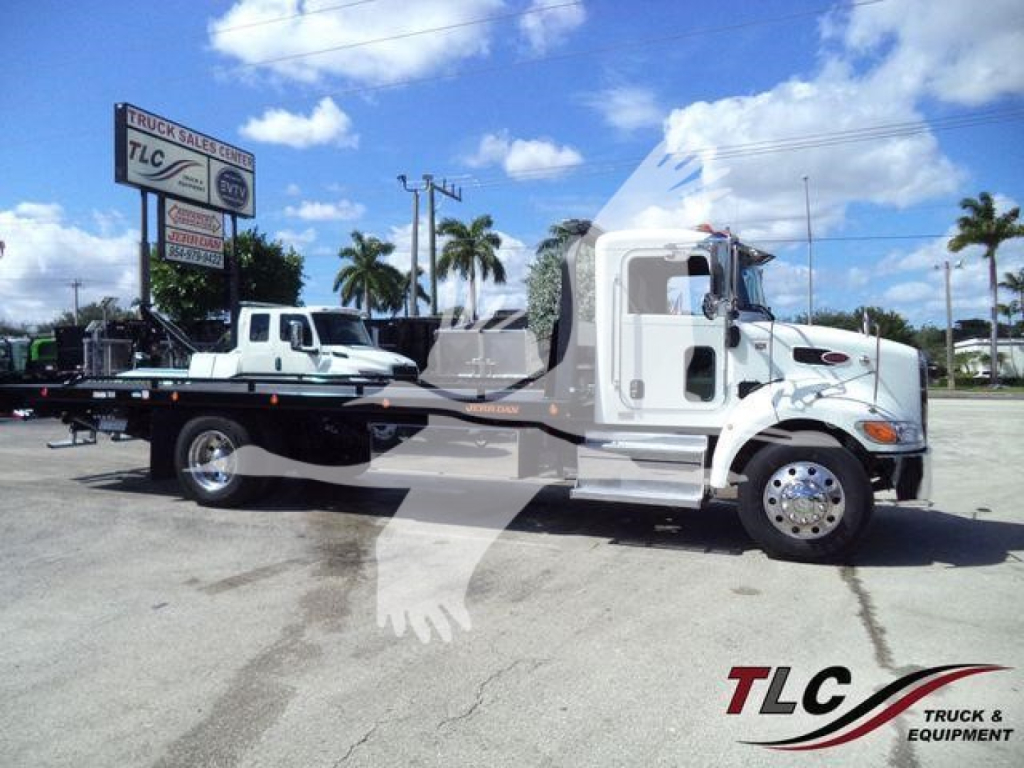
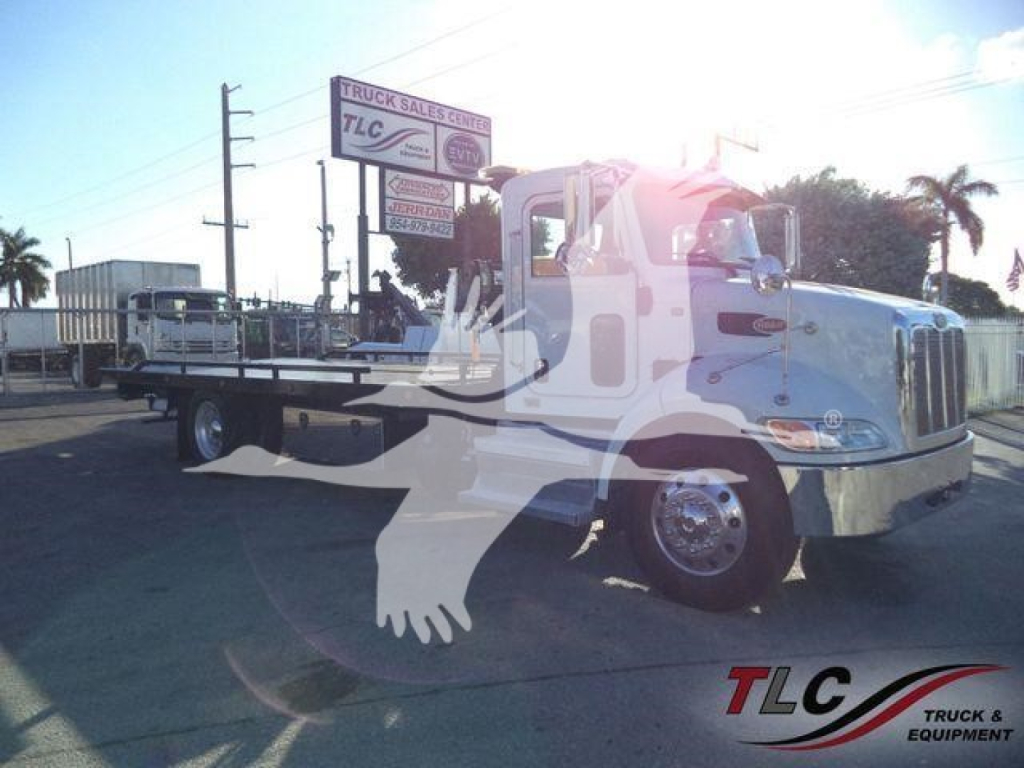
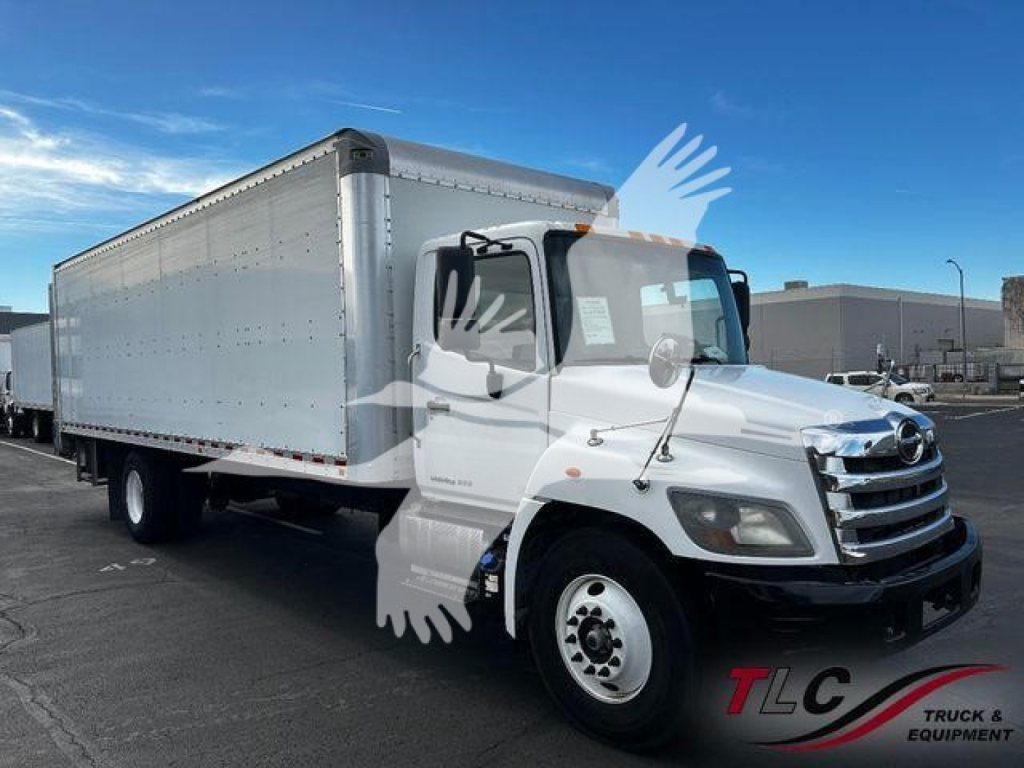
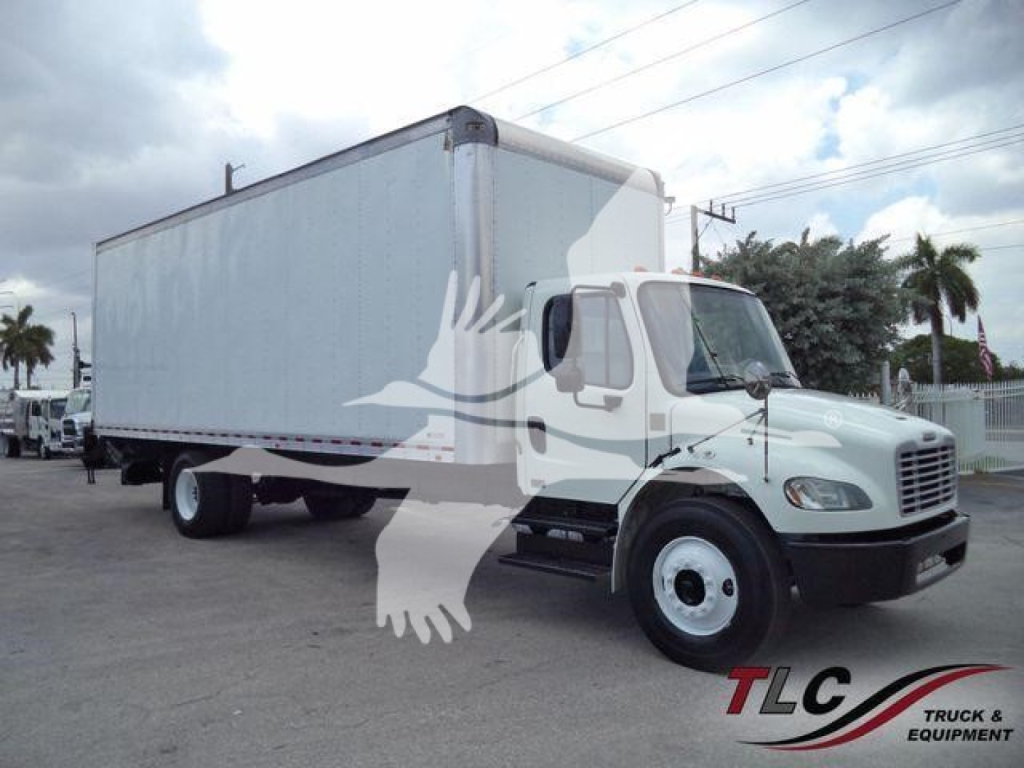

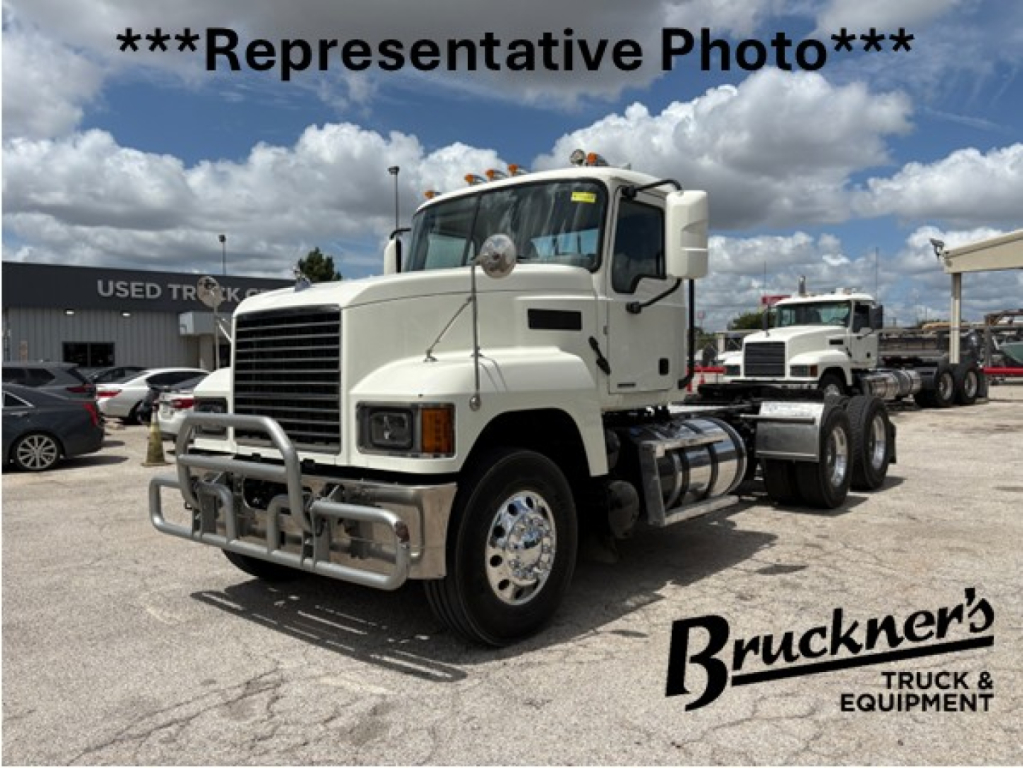
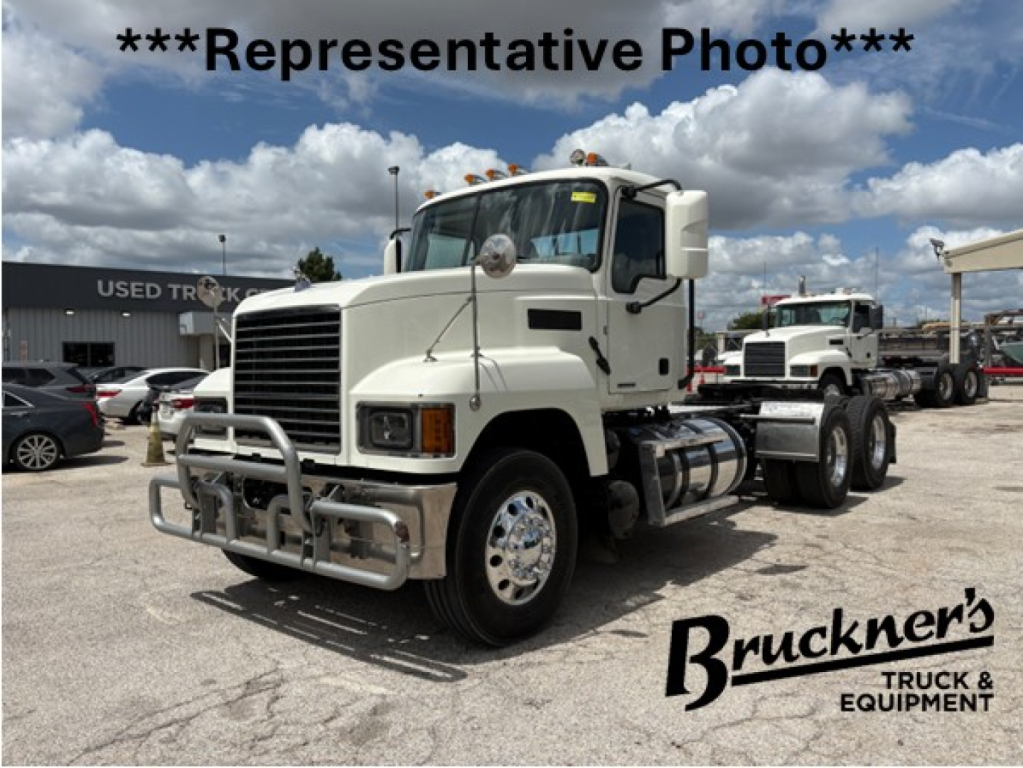
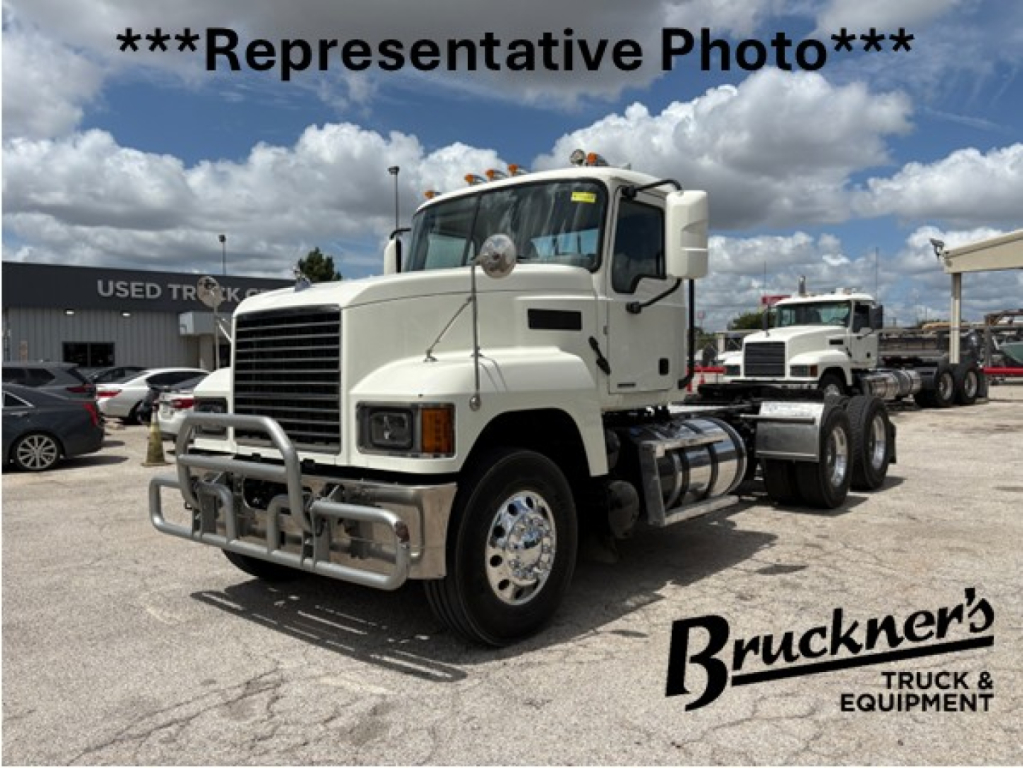
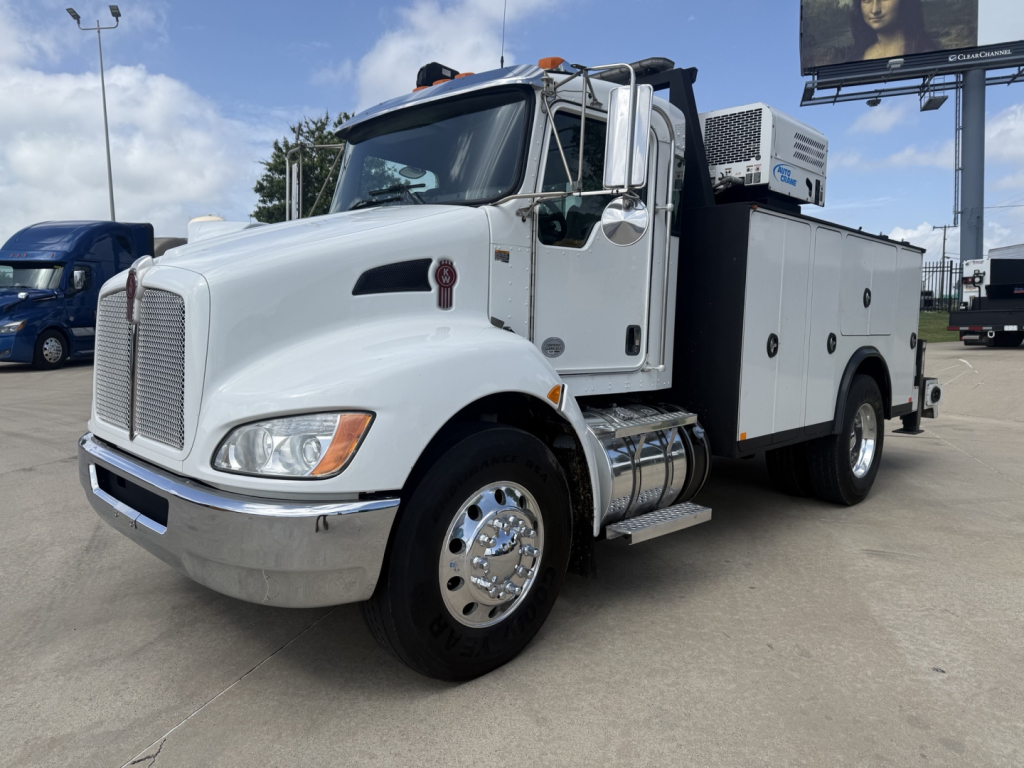
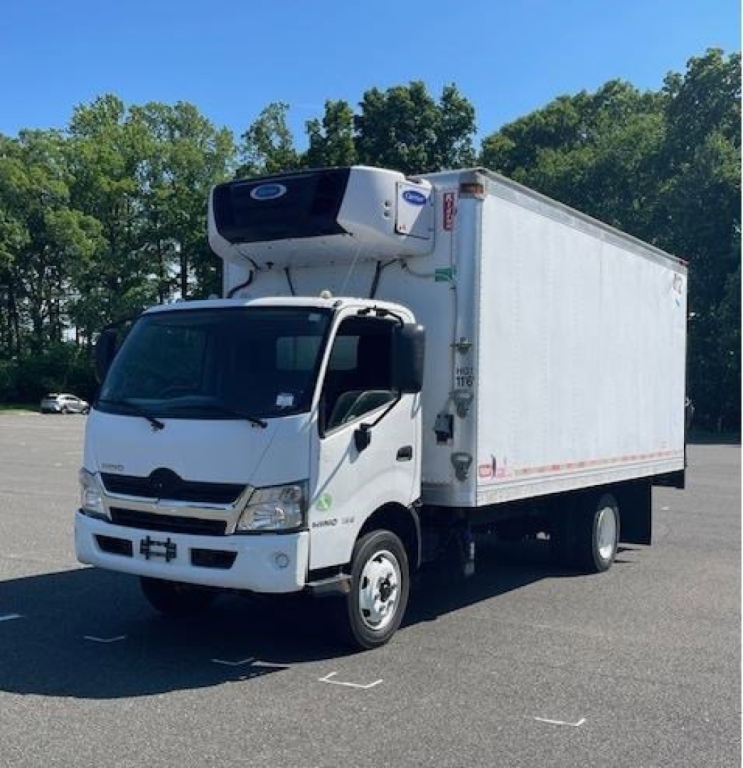
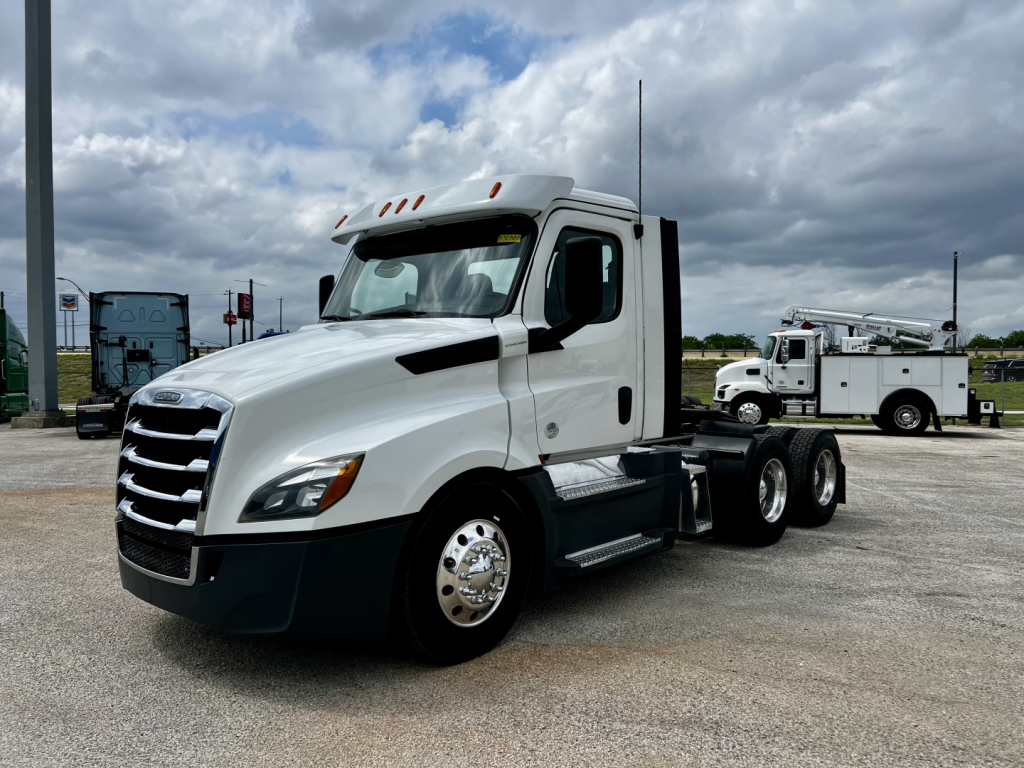
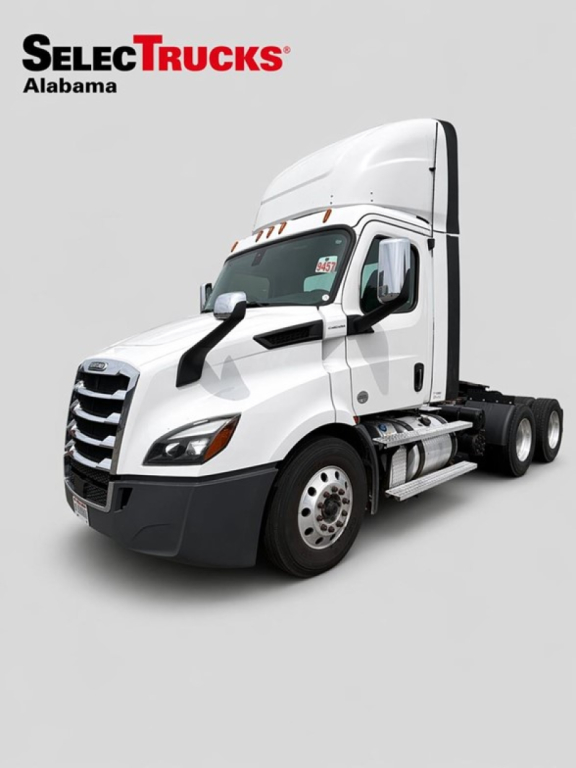
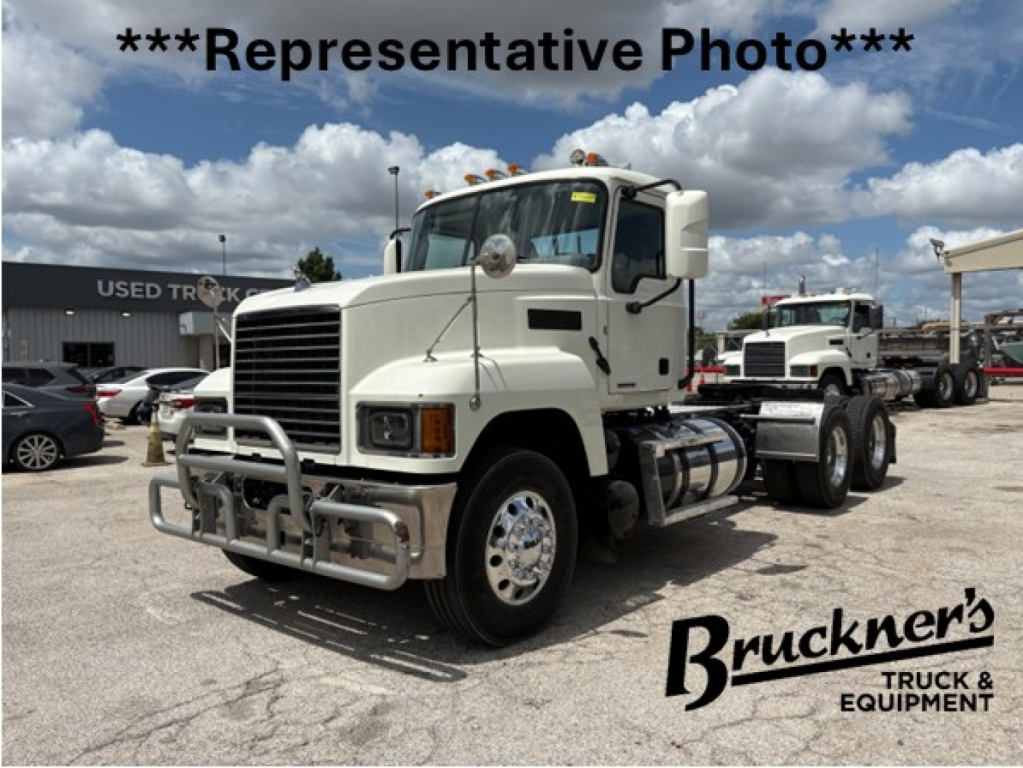
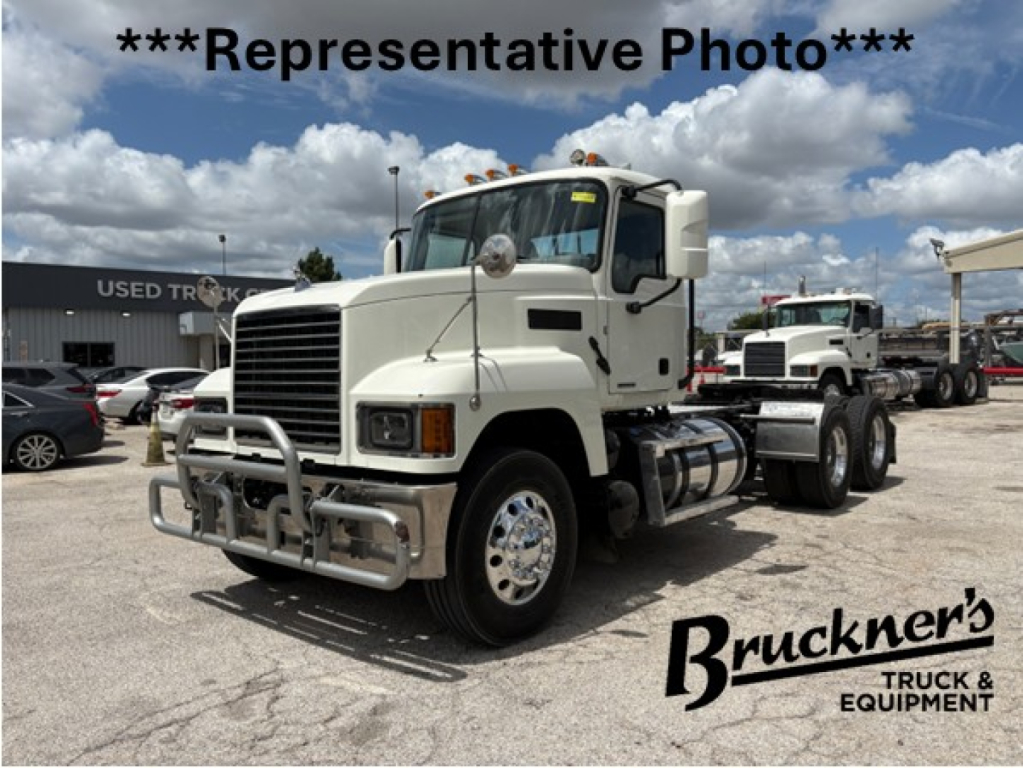
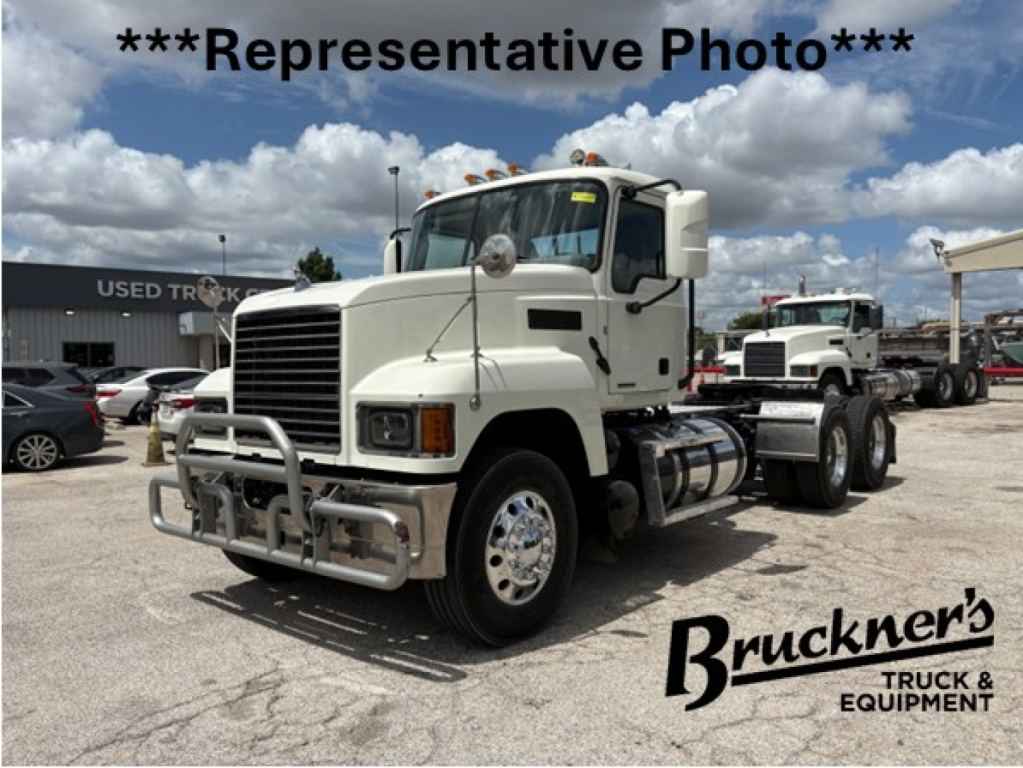
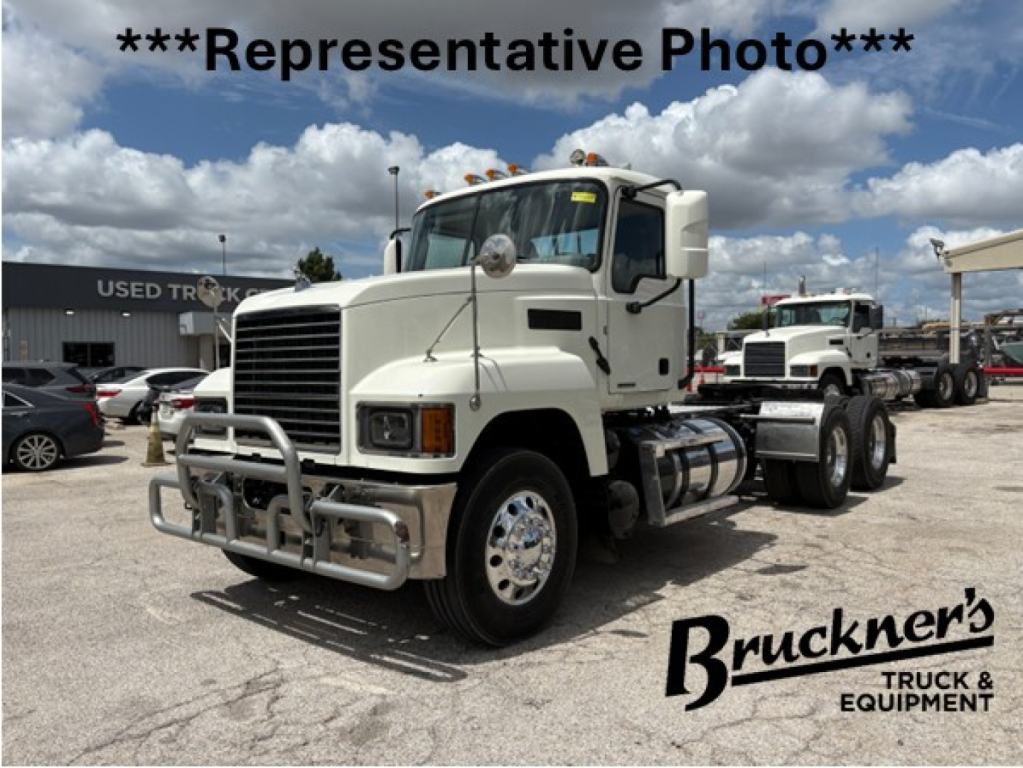
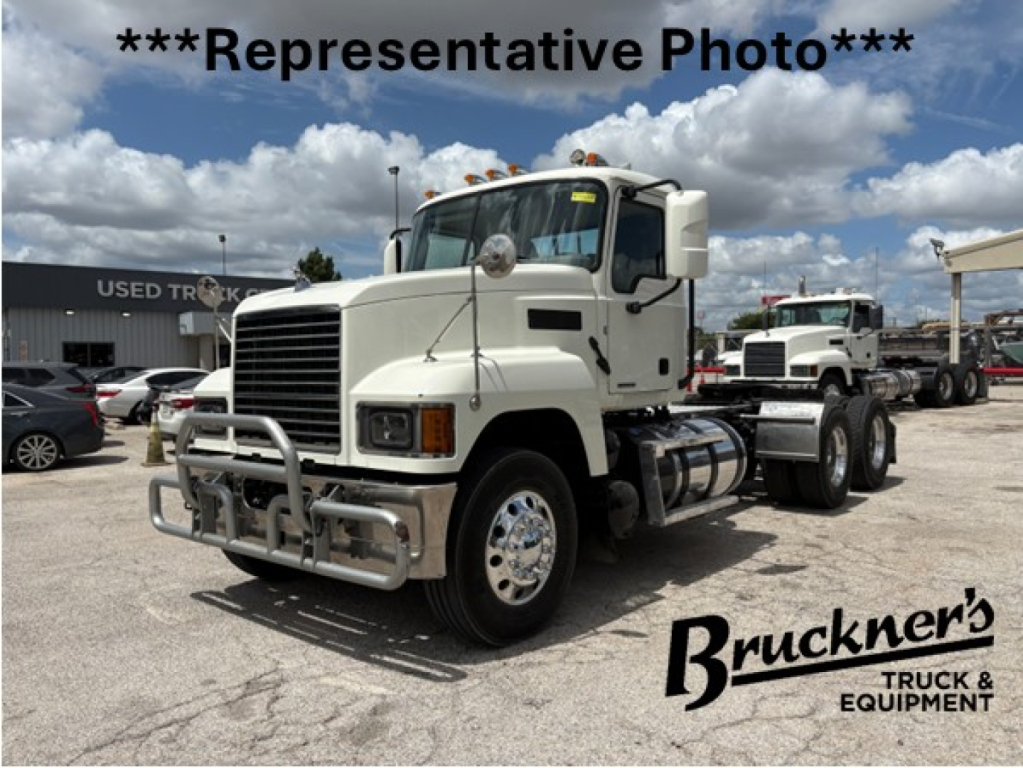
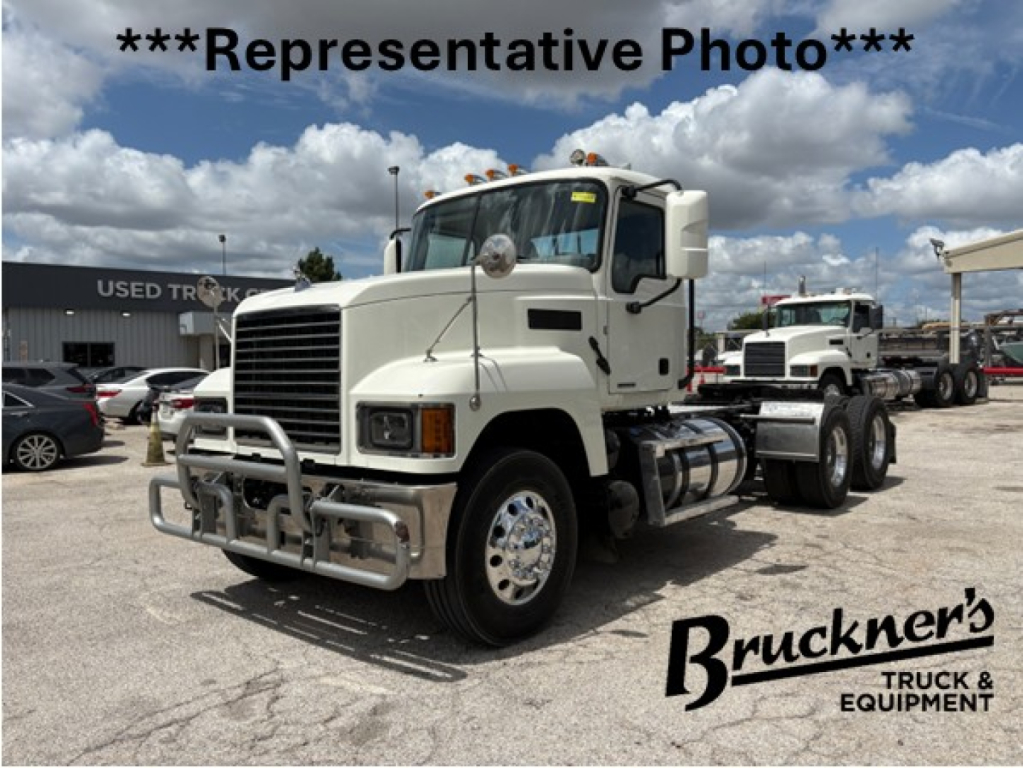
2020 Mack PI64T
477,905 mi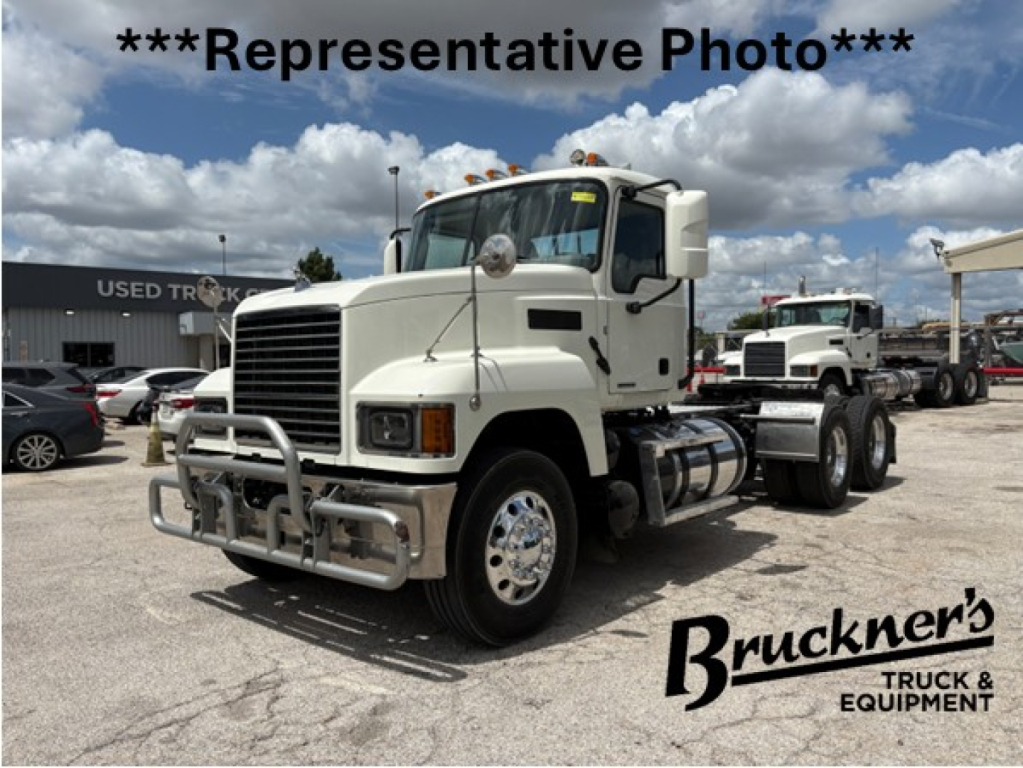
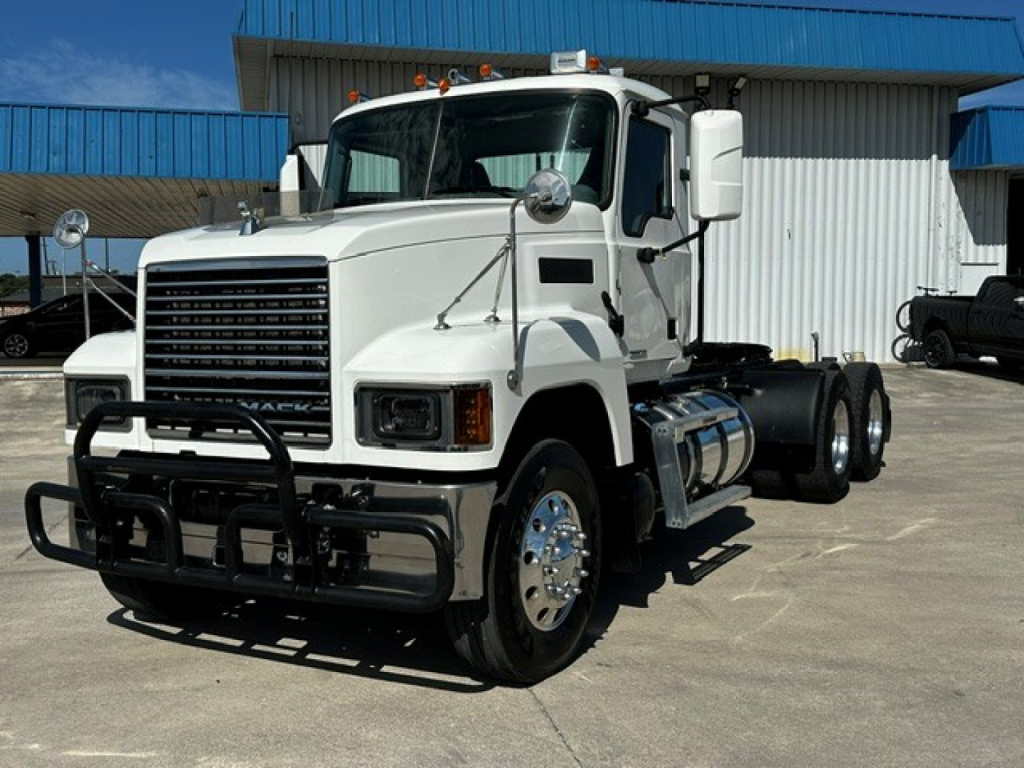
2020 Mack PI64T
493,000 mi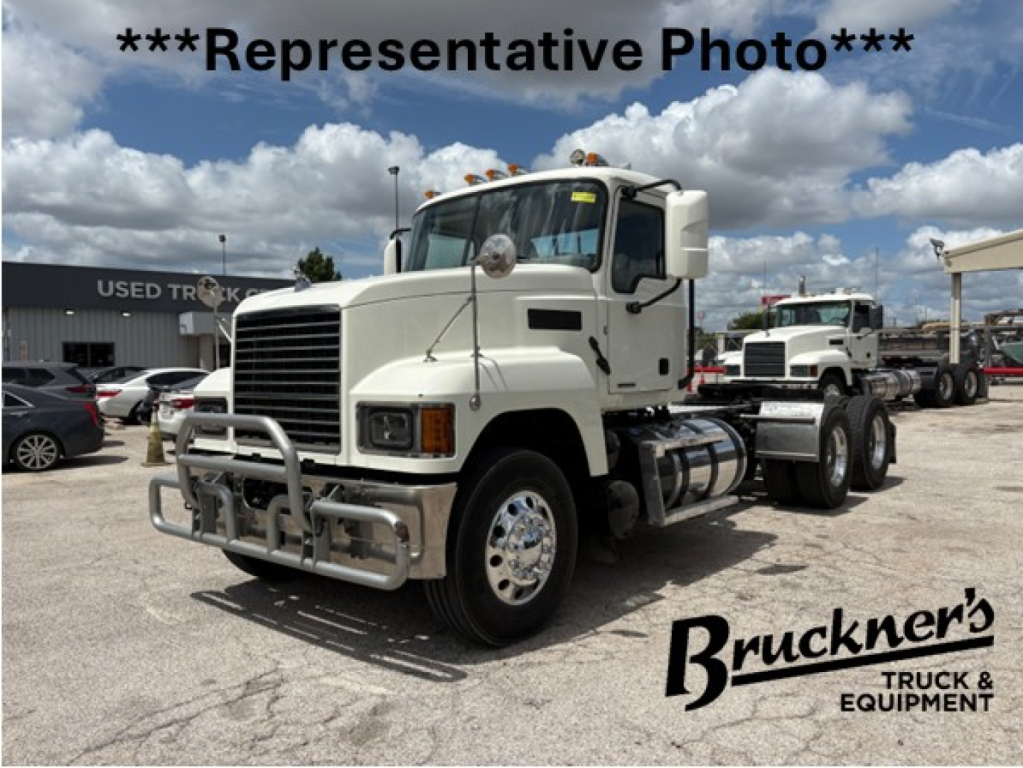
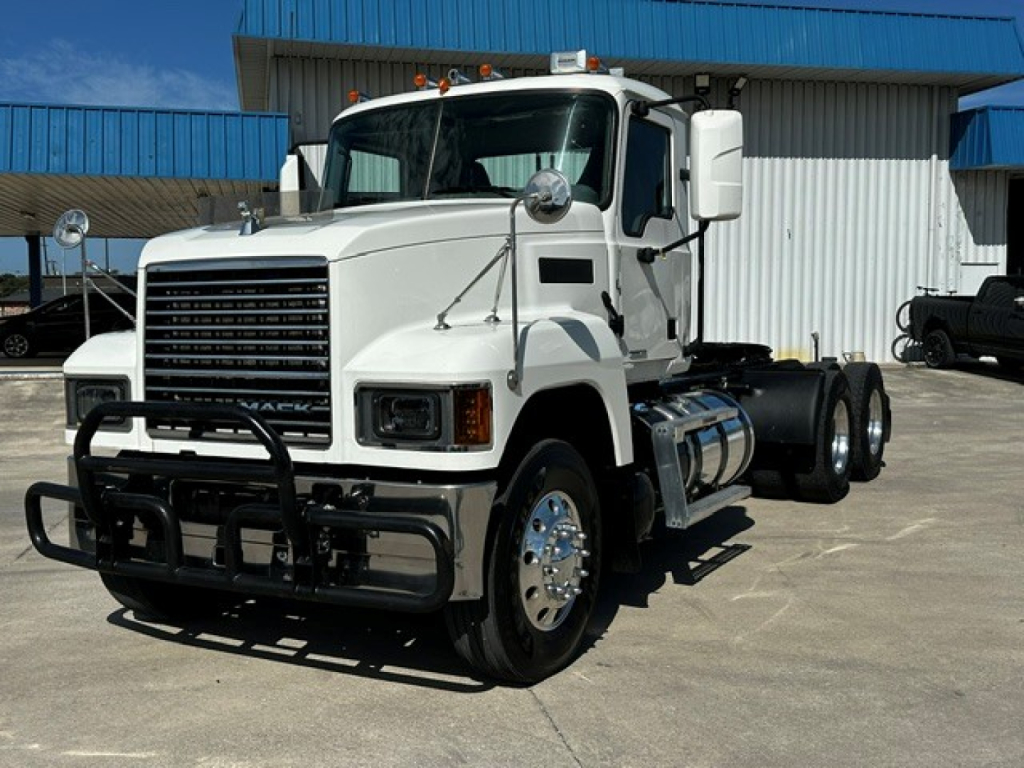
2020 Mack PI64T
489,000 mi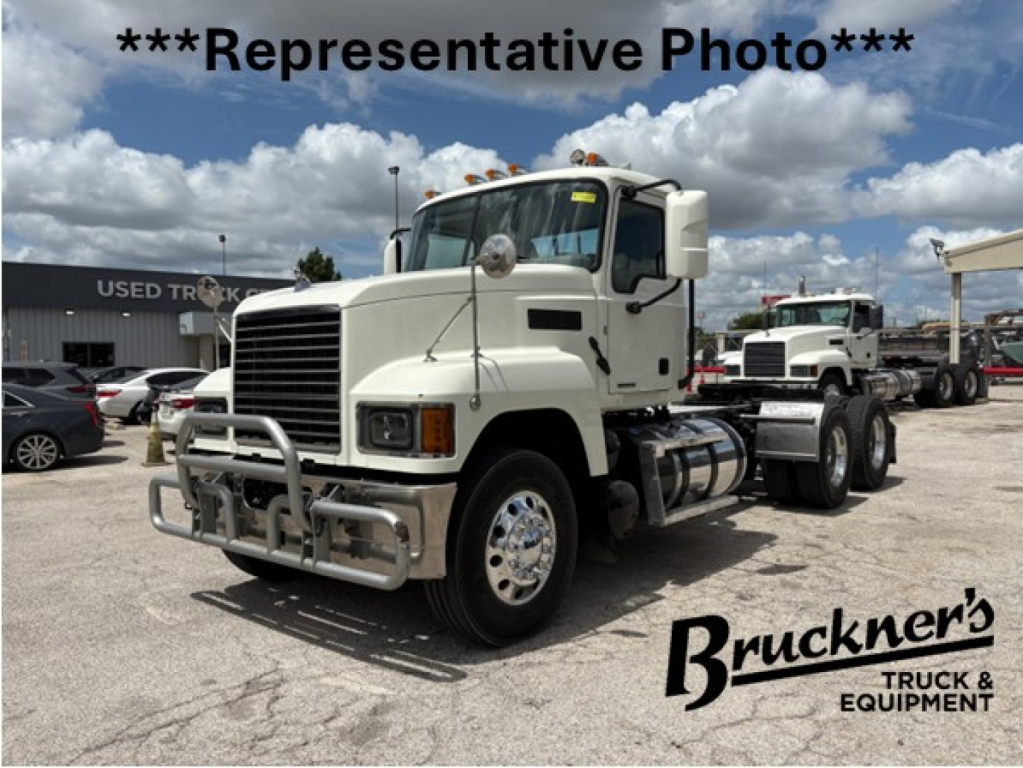
Showing 97 to 120 of 186 results
Have used 2020 commercial truck to sell? List it here to reach thousands of buyers.
Used 2020 Commercial Trucks
On the highway side, many 2020 trucks were spec'd with automated manual transmissions, aerodynamic packages, collision mitigation, and fuel-efficient rear axle ratios. Common engines in this age group include the Detroit DD13 and DD15, Cummins X15 and B6.7, Paccar MX series, Volvo D11 and D13, and Navistar A26, depending on class and application. Buyers comparing used 2020 semi trucks should pay close attention to horsepower and torque ratings, wheelbase, front axle and rear axle capacity, suspension type, fifth wheel setup, and ratio specs. A day cab built for regional freight will be spec'd differently than a 72-inch sleeper meant for long-haul service, and those differences affect fuel economy, maneuverability, and resale.
For vocational and medium-duty buyers, a 2020 truck may be configured as a dump, flatbed truck, box truck, utility truck, bucket truck, rollback, stake body, or municipal unit. Body condition matters as much as drivetrain condition in these applications. Check PTO operation, hydraulic performance, frame integrity, corrosion around crossmembers, and signs of upfit fatigue. On diesel models, review idle hours along with mileage, especially on work trucks that spend long periods running stationary equipment. Cab-and-chassis buyers should also confirm CA, axle spacing, frame rail dimensions, and any body-builder provisions before planning a swap or new installation.
A used 2020 truck should be evaluated by total operating fit, not just price and odometer. Service history, engine hours, brake type, tire size, emissions maintenance, and electronic safety systems all affect ownership cost. Buyers should also verify GVWR or GCWR, transmission calibration, aftertreatment status, and any fleet maintenance records available. When the spec matches the route, payload, and body requirement, a 2020 truck can deliver strong productivity with a lower acquisition cost than newer model years.
Frequently Asked Questions about Used 2020 Commercial Trucks
What makes a used 2020 truck a good buying range?
A used 2020 truck often gives buyers a favorable mix of newer technology and lower acquisition cost. Many 2020 models came with improved aerodynamics, automated transmissions, telematics capability, and more advanced safety systems than older trucks. At the same time, they are old enough to offer meaningful price savings compared to very late-model units. This model year also tends to have solid parts support and broad familiarity among service shops.
What should I check first on a used 2020 semi truck?
Start with engine hours, mileage, service records, and fault code history. Then review the core spec, including engine rating, transmission type, axle ratio, wheelbase, suspension, and brake setup. A truck can look clean and still be wrong for the job if the gearing, axle capacity, or fifth wheel position does not fit the trailer and route. On emissions-equipped trucks, aftertreatment service history is especially important because deferred maintenance can become expensive quickly.
Are 2020 trucks available in both highway and vocational configurations?
Yes. The 2020 truck market covers a wide range of applications, including sleeper tractors, day cabs, box trucks, flatbeds, dump trucks, utility trucks, and bucket trucks. The correct choice depends on whether the truck will spend most of its time pulling a trailer, carrying a mounted body, idling PTO equipment, or running stop-and-go local routes. Vocational buyers should pay close attention to body condition, PTO function, and frame layout in addition to the engine and transmission.
How important are axle ratio and wheelbase on a used 2020 truck?
Axle ratio and wheelbase have a major effect on performance and operating cost. A faster ratio can improve fuel economy at highway speeds, while a deeper ratio may better support heavier loads, off-road use, or frequent starts. Wheelbase affects turning radius, trailer compatibility, bridge law considerations, and body fitment on straight trucks. These specs should be matched to the truck's actual duty cycle instead of chosen only by price or brand preference.
Should I focus more on mileage or engine hours when buying a 2020 truck?
Both matter, but engine hours can be especially revealing on vocational trucks and units with heavy idle time. A truck with moderate mileage may still show high engine wear if it spent long periods idling or powering auxiliary equipment. For over-the-road tractors, mileage often tells more of the story, but hours still help show how the truck was used. Reviewing both numbers together gives a more accurate picture of wear than relying on odometer reading alone.