
Used 2020 Box Trucks For Sale
Shop used 2020 box trucks with common specs, GVWR ranges, body lengths, liftgate options, and delivery-focused buying tips.
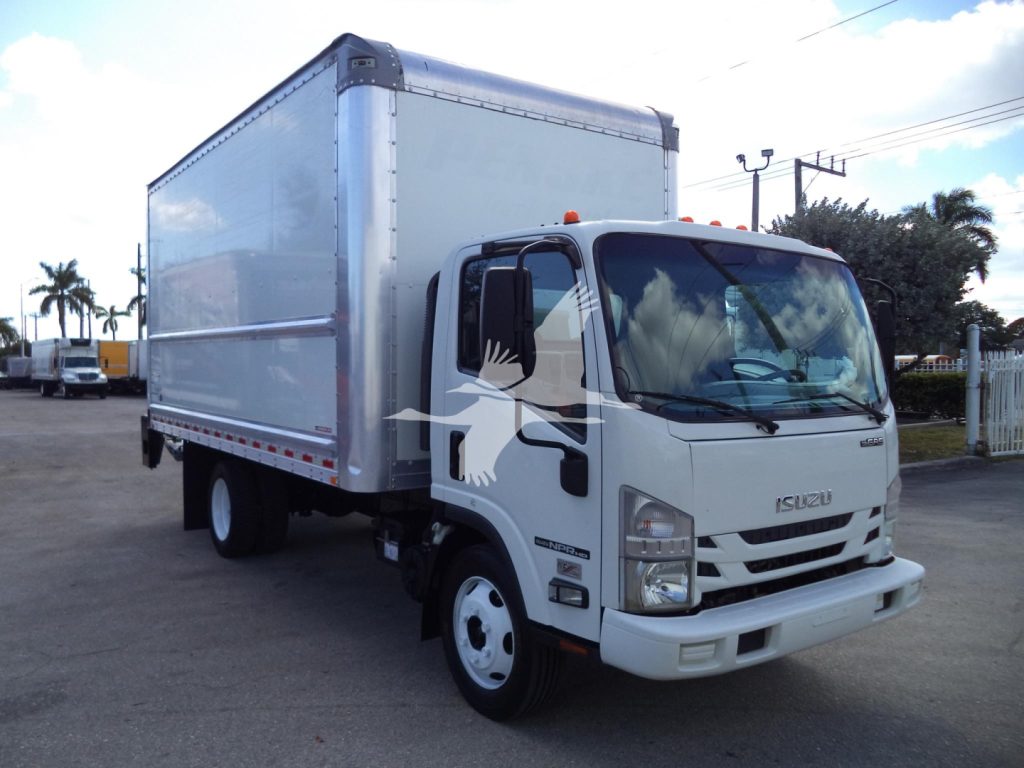
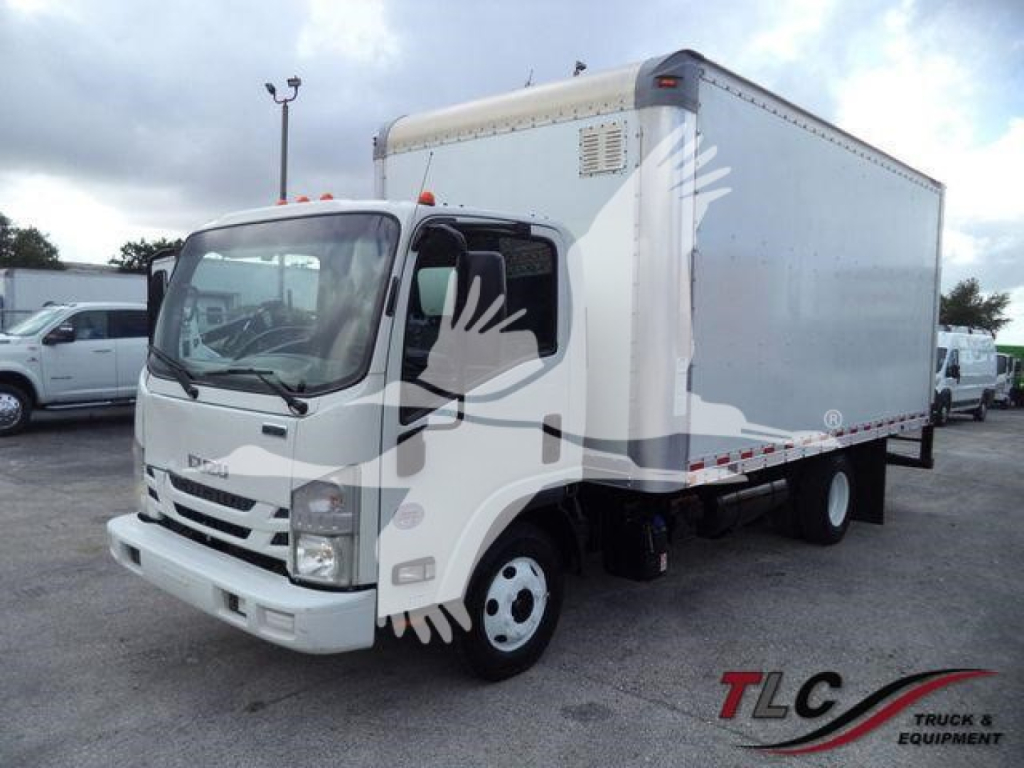

Selling a used 2020 box truck? List your used 2020 box truck for sale and reach thousands of commercial buyers.
Used 2020 Box Trucks
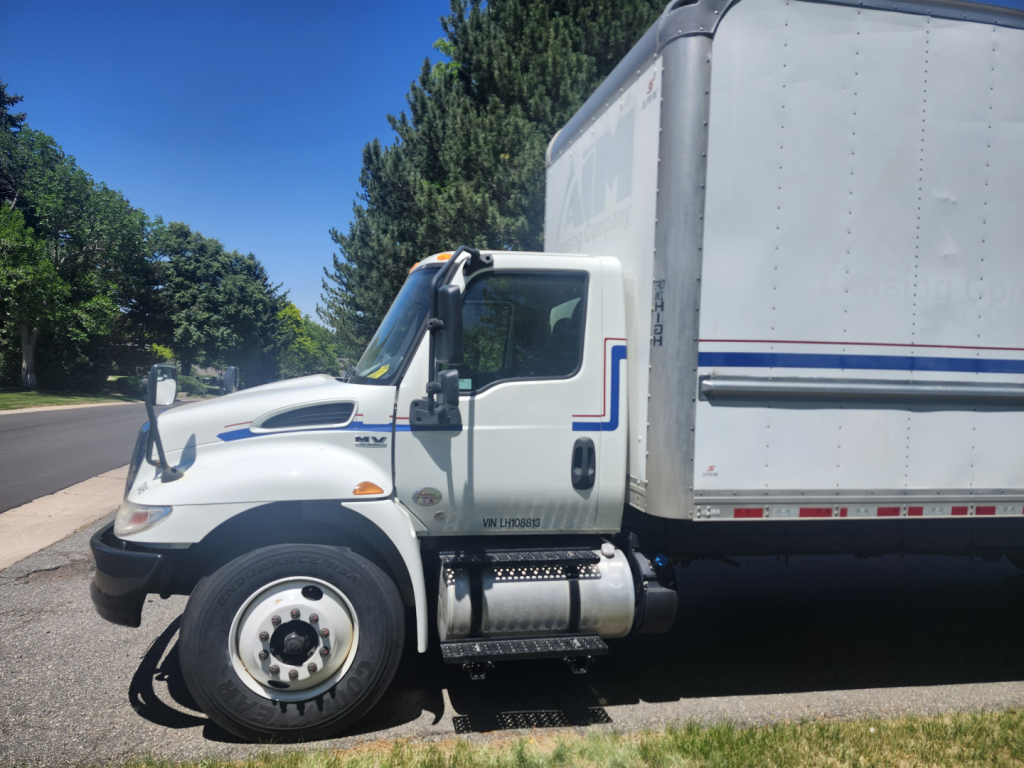
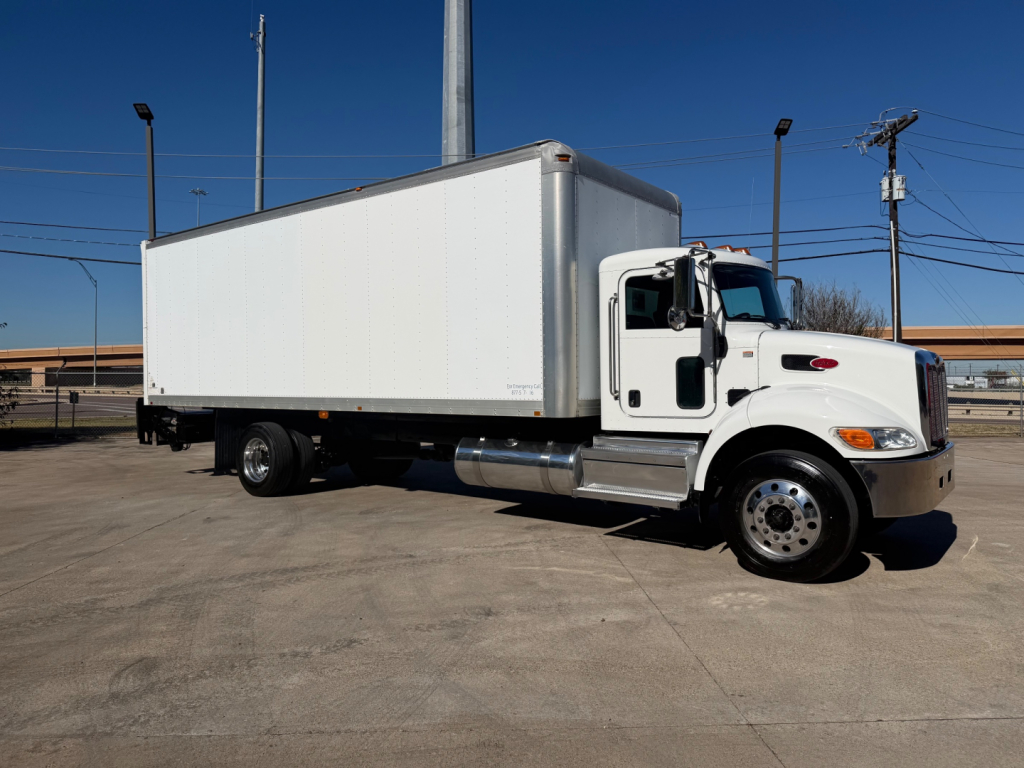
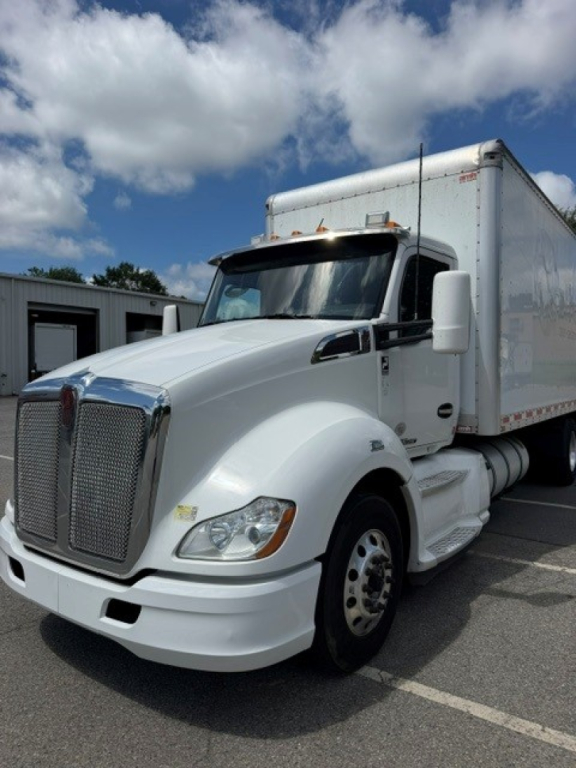
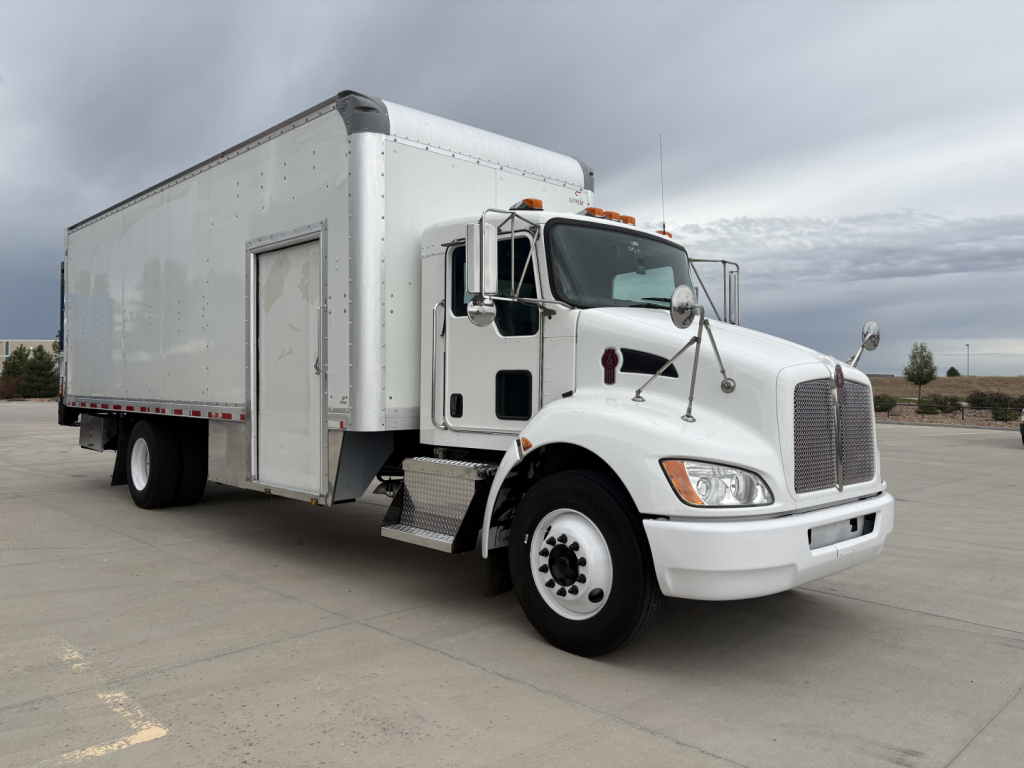
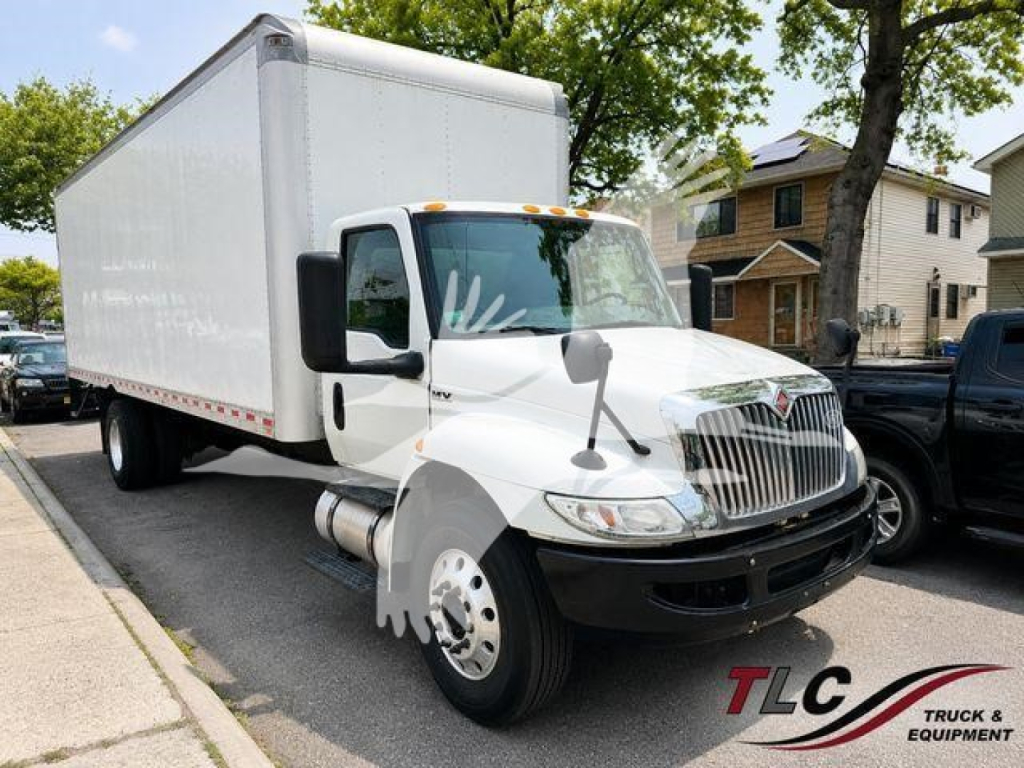
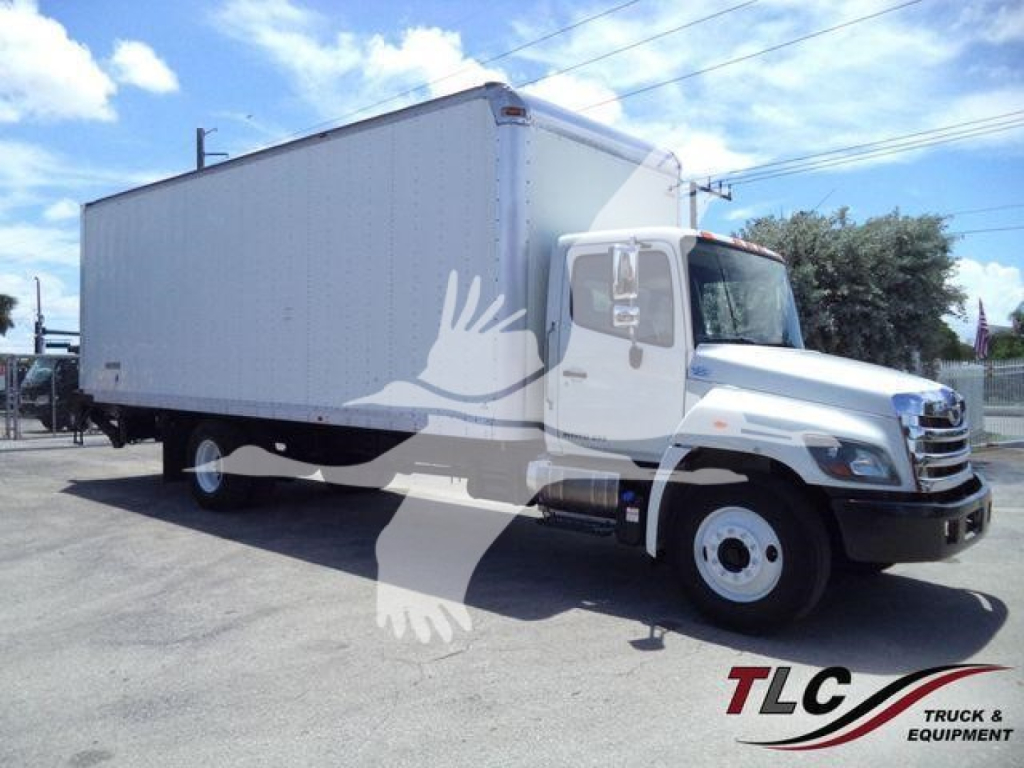
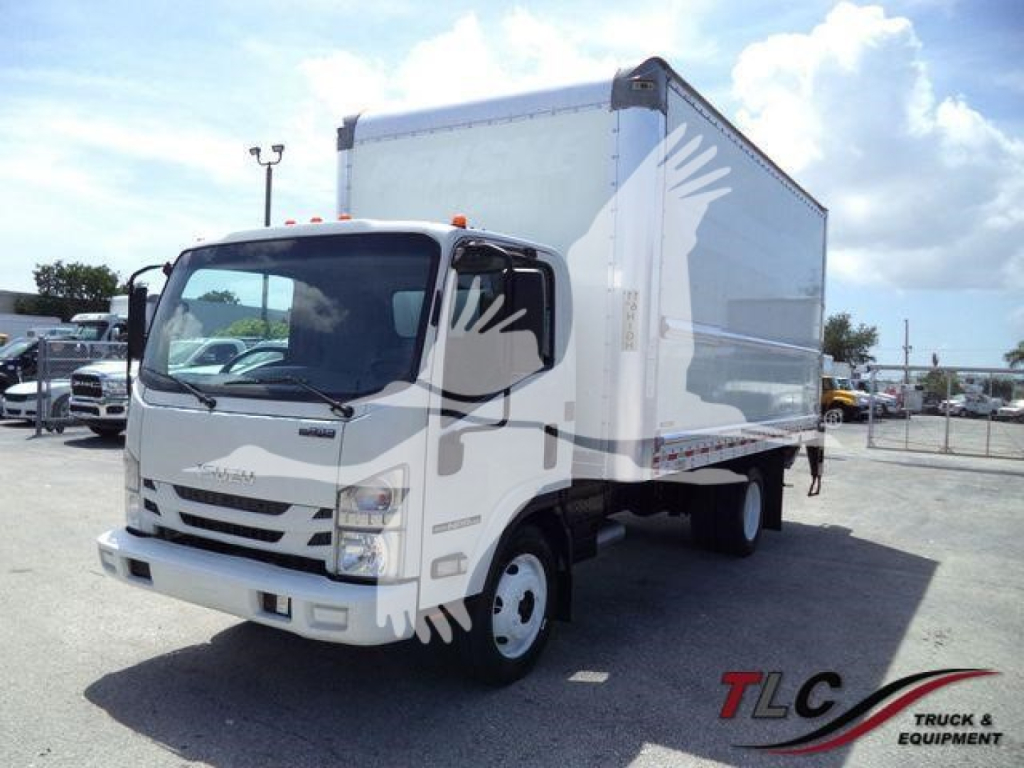
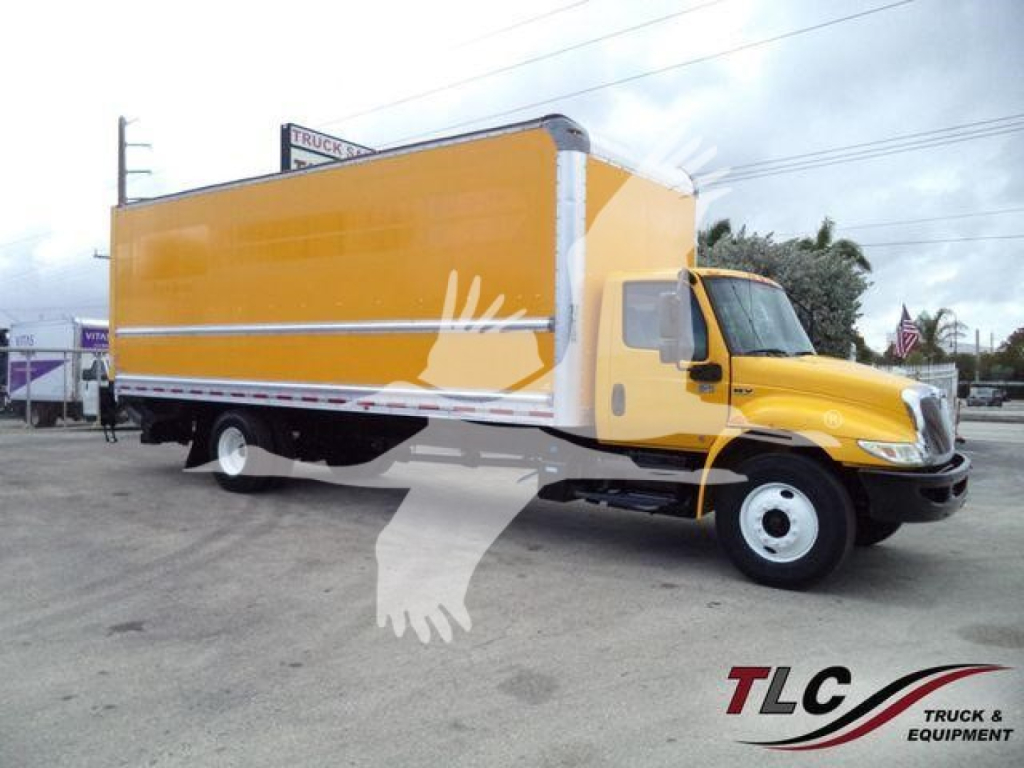
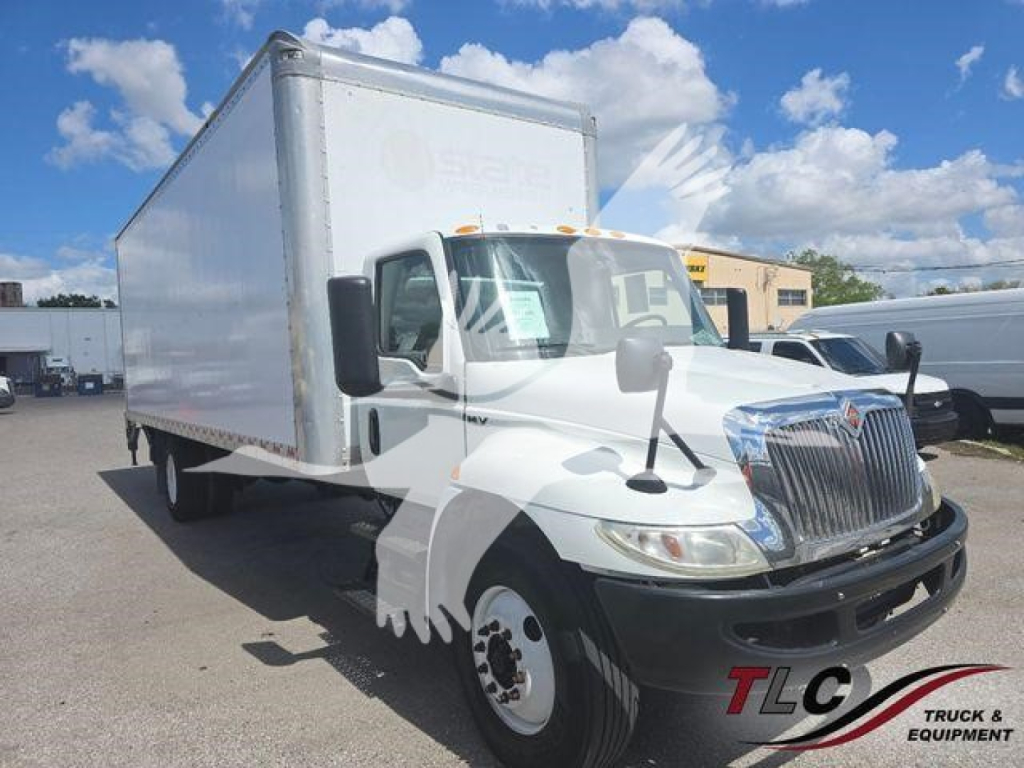
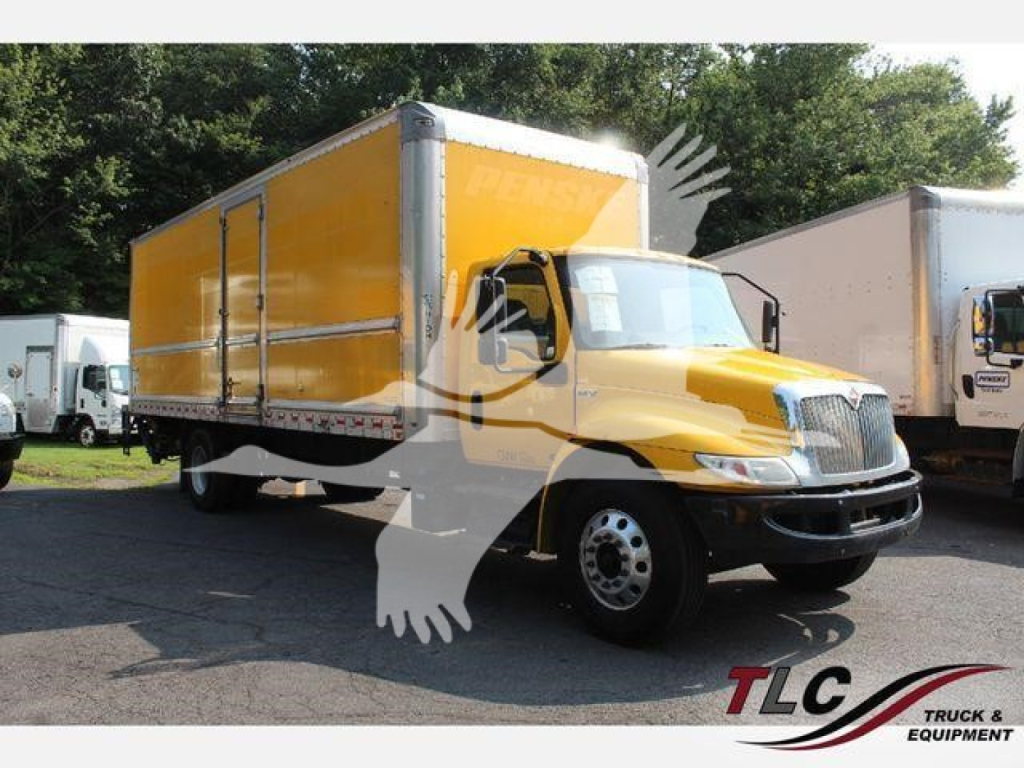
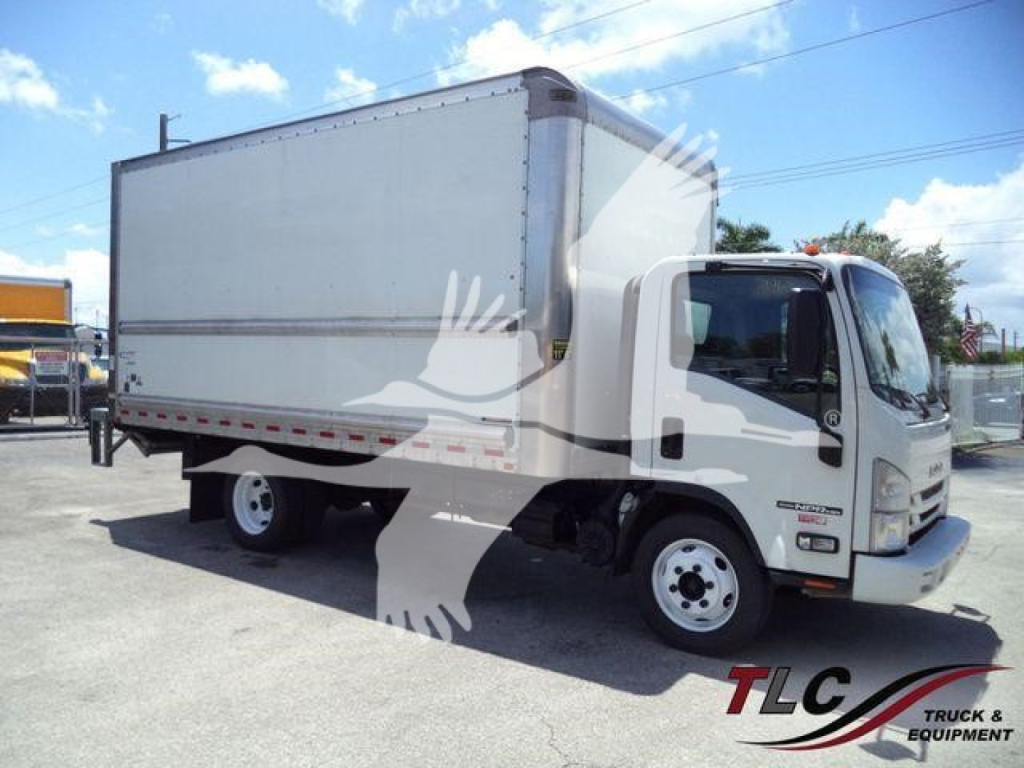
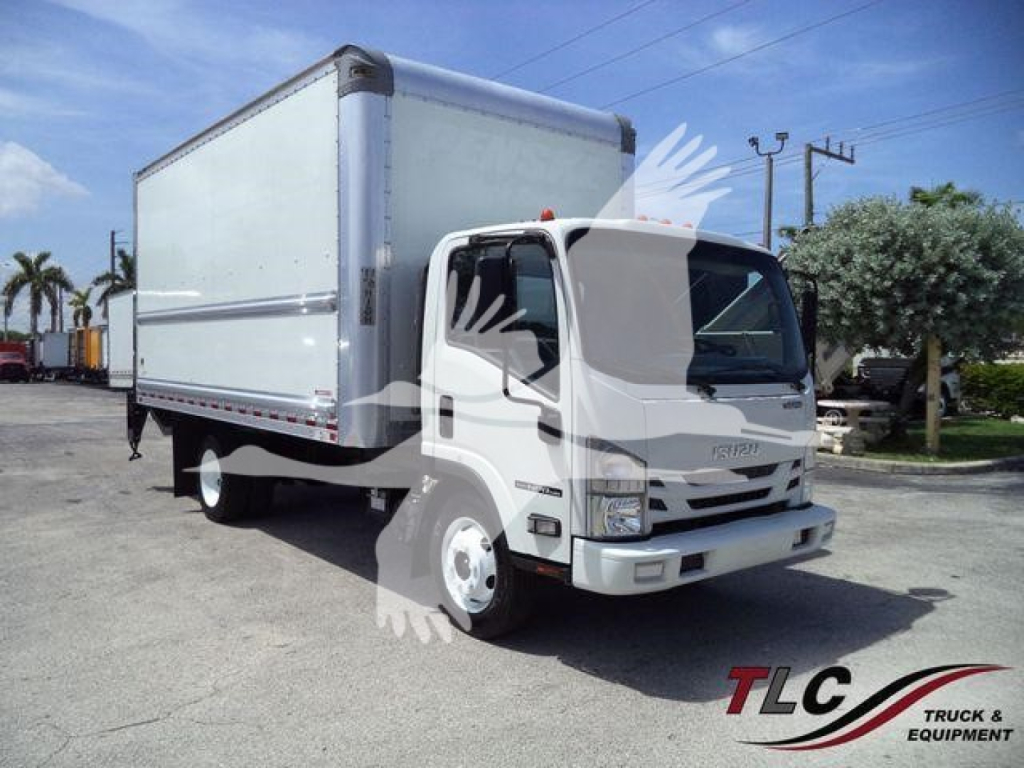
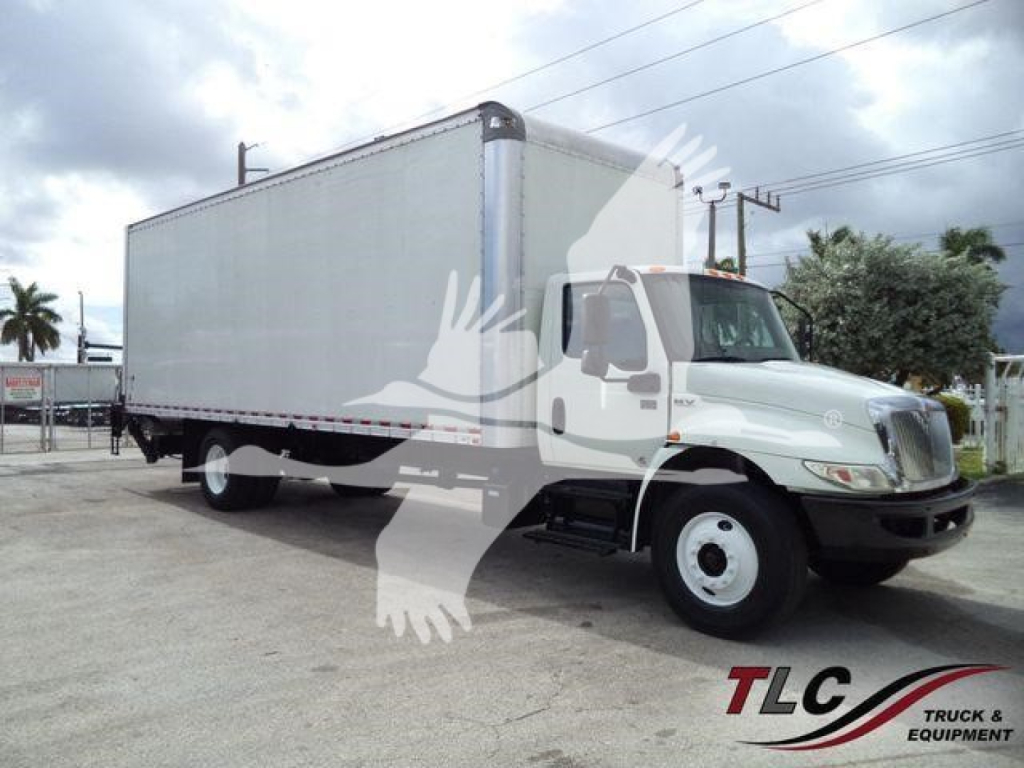
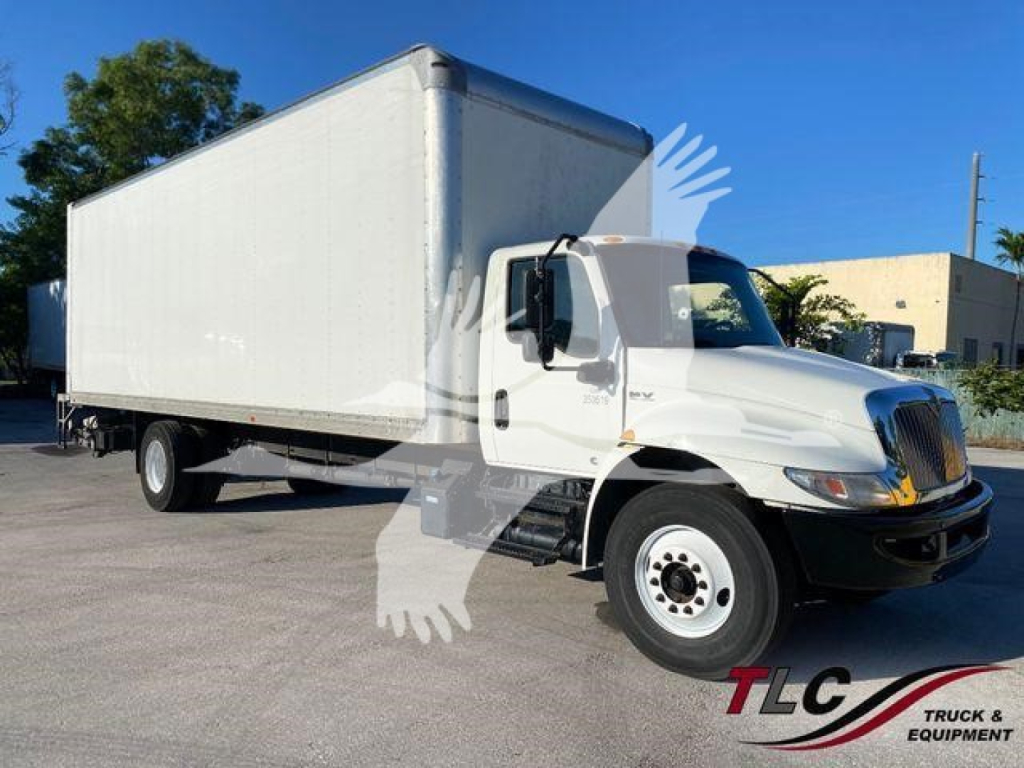
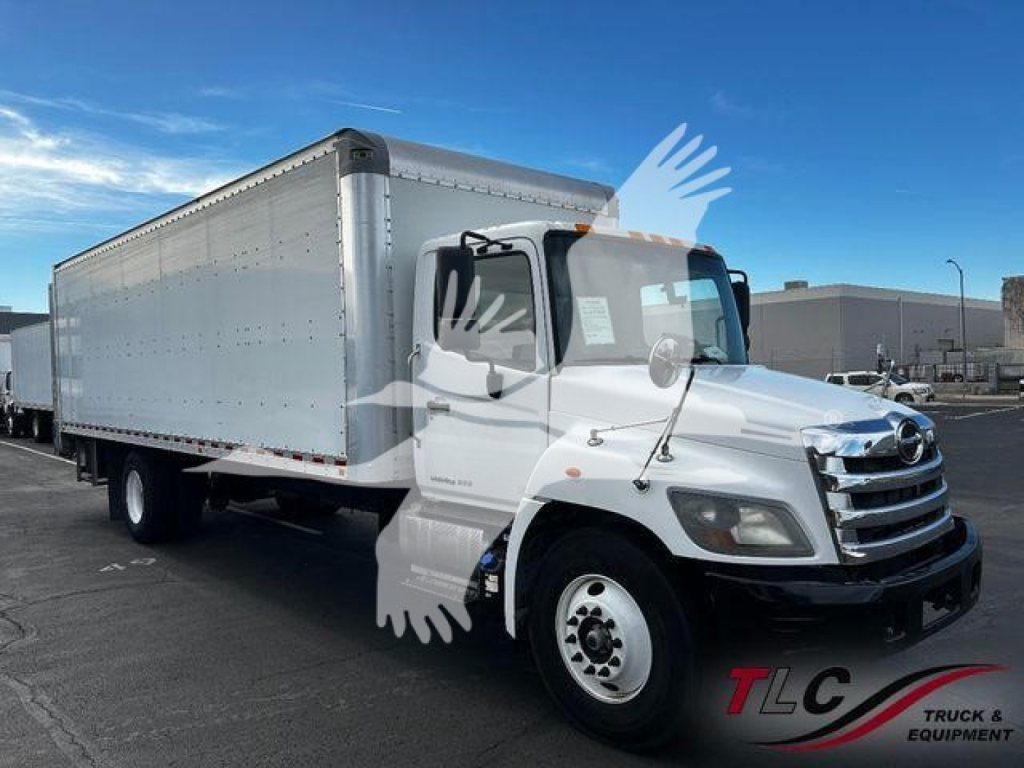
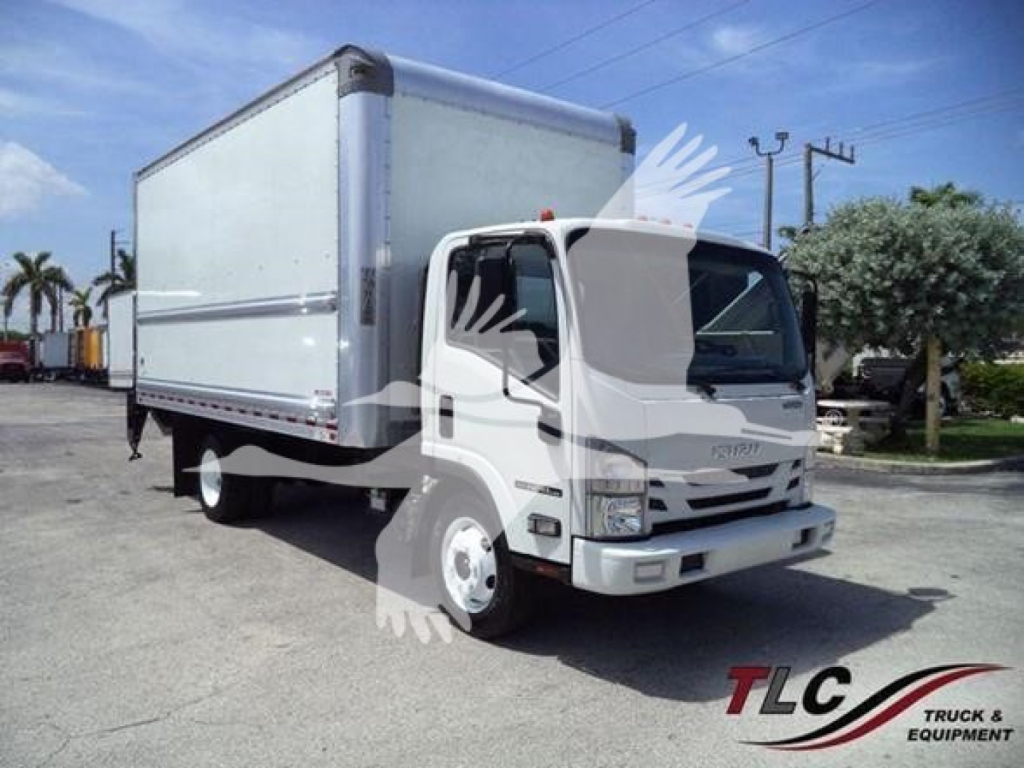
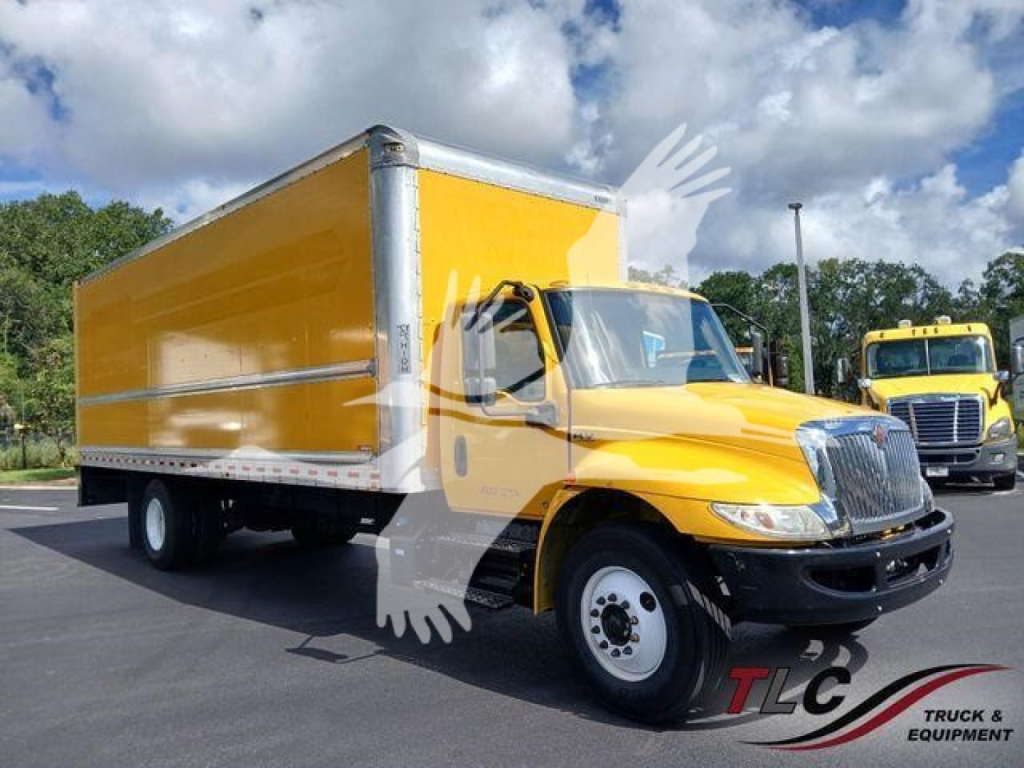
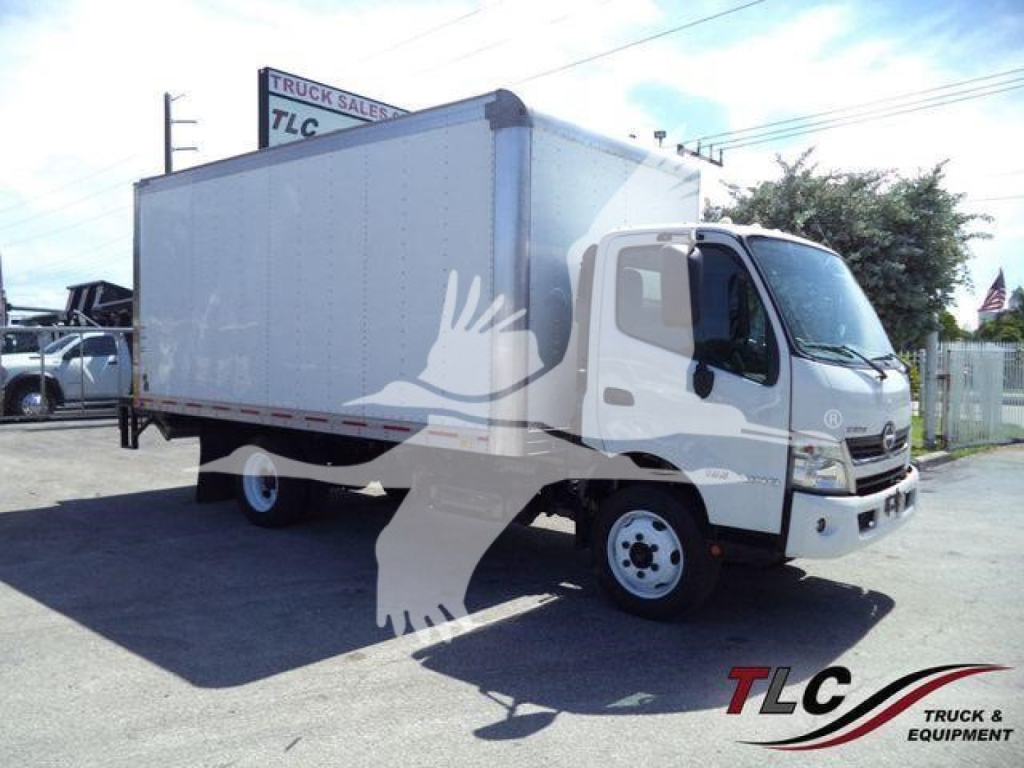
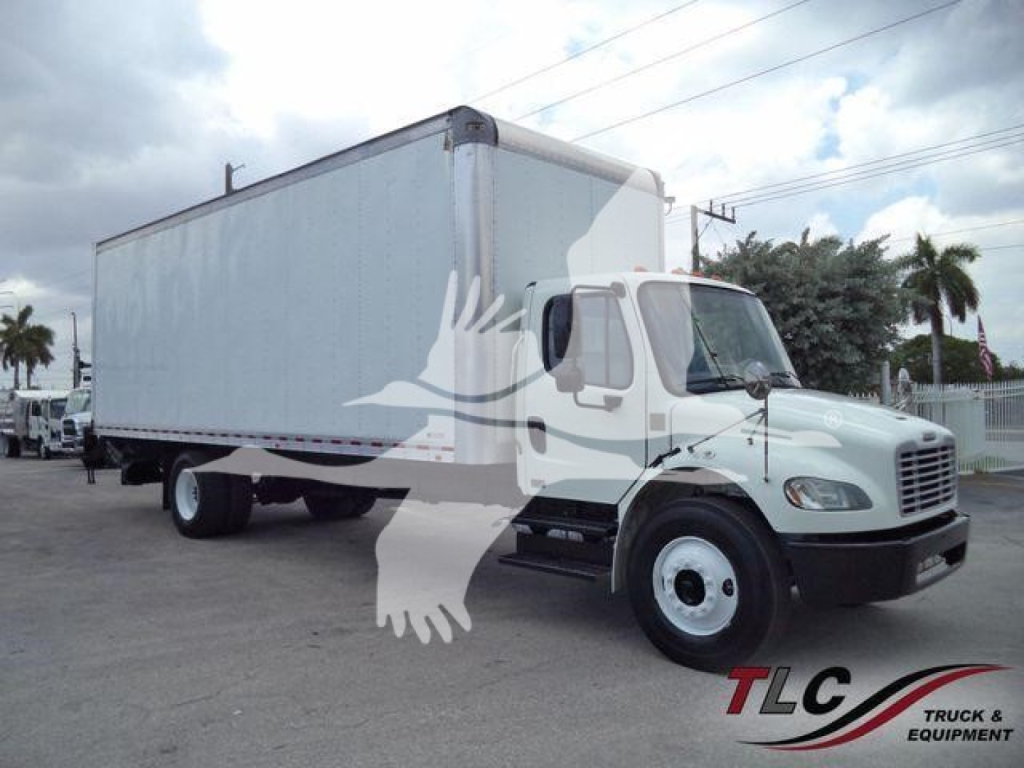
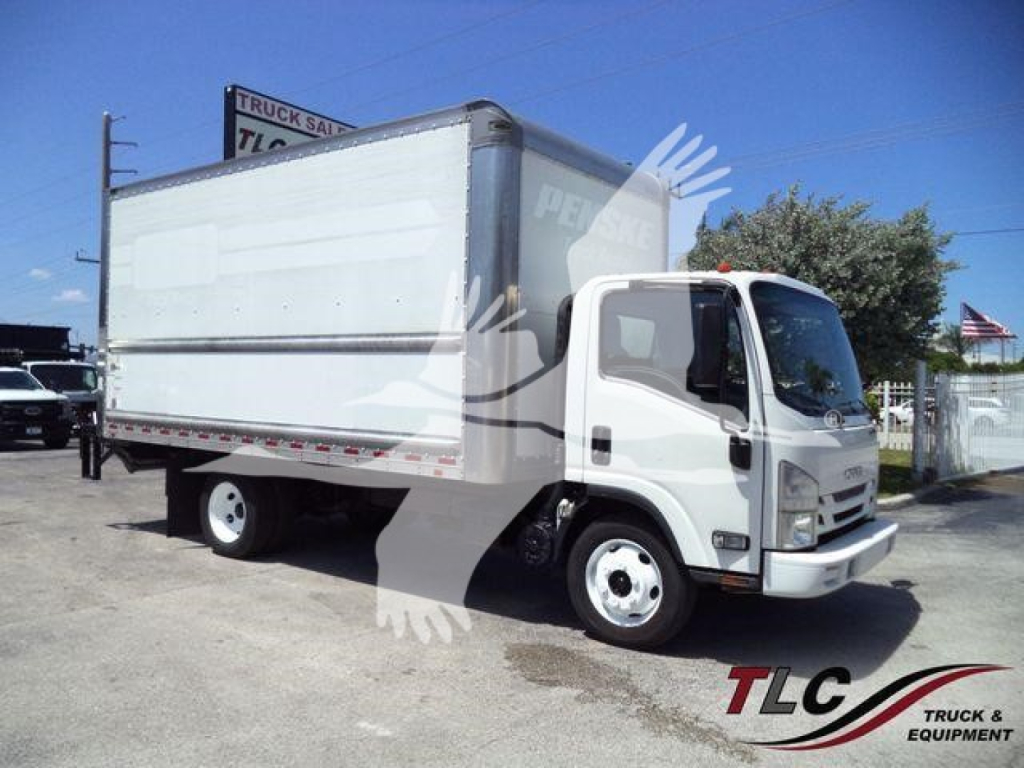
The key buying decision is matching body and chassis spec to the freight. A 16-foot to 20-foot body works well for city routes, appliance delivery, and tighter dock access. A 24-foot to 26-foot body gives more cubic capacity for furniture, parcel, and retail distribution, but wheelbase, turning radius, and rear overhang become more important in dense urban service. Payload depends on body construction, liftgate weight, floor type, and chassis rating, so it is worth checking actual empty weight rather than relying on a general estimate. Typical features in this class include roll-up rear doors or swing doors, hardwood floors, E-track, translucent roofs, tuck-under or rail liftgates, and side doors. Buyers handling carts, palletized freight, or multi-stop delivery should pay close attention to door opening height, liftgate capacity, and dock height compatibility.
Powertrain and brake spec matter more on a 2020 box truck than many buyers expect because duty cycle changes operating cost. Diesel engines remain common in medium-duty units and are usually preferred for higher annual miles, heavier payloads, and highway use. Gas-powered 2020 box trucks can make sense for lighter routes, shorter trips, and fleets prioritizing lower initial cost and simpler emissions systems. Automatic transmissions dominate this segment. Hydraulic brakes are common on lighter GVWR trucks, while air brakes are more typical as you move up in chassis size and payload. Check axle ratings, rear ratio, suspension type, tire size, and wheelbase alongside engine make and transmission model. On used 2020 units, it is smart to review idle hours, maintenance history, DPF and SCR service records on diesels, liftgate operation, roof condition, front wall integrity, and signs of floor rot or water intrusion around door frames and body seams.
Body condition is often the separator between two otherwise similar used 2020 box trucks. Look for scuff liner condition, crossmember corrosion, patched roof bows, rear frame wear from dock contact, and uneven tire wear that may point to alignment or loading issues. If the truck will be lettered for delivery service, panel straightness matters. If it will handle food, medical, or higher-value cargo, cargo area cleanliness, sealing, and security hardware matter more than cosmetics. A well-matched 2020 box truck should give you a usable blend of modern safety, emissions-era reliability, and broad parts support, but the best choice always comes down to cube, payload, and route profile rather than just make or mileage.
Frequently Asked Questions about Used 2020 Box Trucks
What is the most common size for a used 2020 box truck?
The most common sizes are 24-foot and 26-foot box trucks because they balance cargo volume, payload, and versatility for delivery, moving, and dry freight service. Smaller 16-foot to 20-foot bodies are easier in urban routes and tighter loading areas, while 26-foot units are often chosen for maximizing cubic capacity in non-CDL configurations where GVWR is kept under 26,001 pounds.
Do I need a CDL to operate a 2020 box truck?
It depends on the truck’s GVWR, actual use, and local regulations. Many 2020 box trucks are rated at 25,950 or 26,000 pounds GVWR specifically to stay under the federal CDL threshold, but air brake rules, passenger endorsements, hazardous materials, and state or municipal requirements can still affect licensing. The correct approach is to verify the door sticker GVWR and confirm the legal requirement for your operating area and application.
Is a diesel or gas engine better in a used 2020 box truck?
Diesel is usually the better choice for heavier payloads, longer routes, and higher annual mileage because it typically offers better torque and durability in medium-duty service. Gas can be the better fit for lighter loads, shorter urban runs, and buyers who want lower upfront cost and less complex emissions equipment. The right answer depends on route density, idle time, maintenance discipline, and how often the truck will run near its weight rating.
What should I inspect first on a used 2020 box truck?
Start with the body, floor, roof, and rear frame because cargo box repairs can get expensive quickly and affect the truck’s usability more than cosmetic cab issues. Then inspect liftgate function if equipped, verify door seals, check for water intrusion, and review tire wear, brakes, suspension, and steering. On diesel trucks, emissions service history, fault codes, and idle hours are critical because DPF, DEF, and SCR issues can be costly if the truck spent a lot of time in low-speed stop-and-go work.
How much payload can a 2020 box truck carry?
Payload varies widely based on chassis class, body length, liftgate weight, fuel load, and final upfit. A lighter cutaway box truck may carry only a few thousand pounds, while a medium-duty 24-foot or 26-foot unit can handle substantially more if the axle ratings and body spec support it. The only reliable number is the actual payload calculated from the truck’s GVWR minus its real empty weight, so buyers should confirm scale weight or detailed build information before making a decision.