
Used 2020 International Box Trucks For Sale
Shop used 2020 International box trucks with common specs, GVWR, body lengths, drivetrain options, and delivery-ready upfit features.
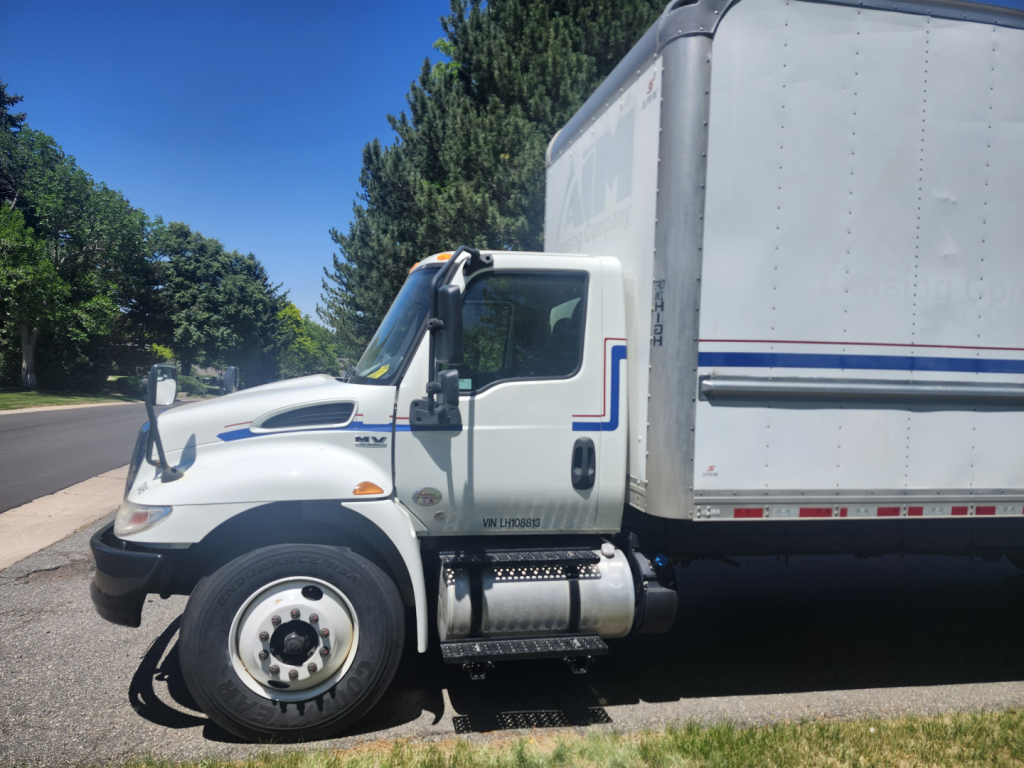
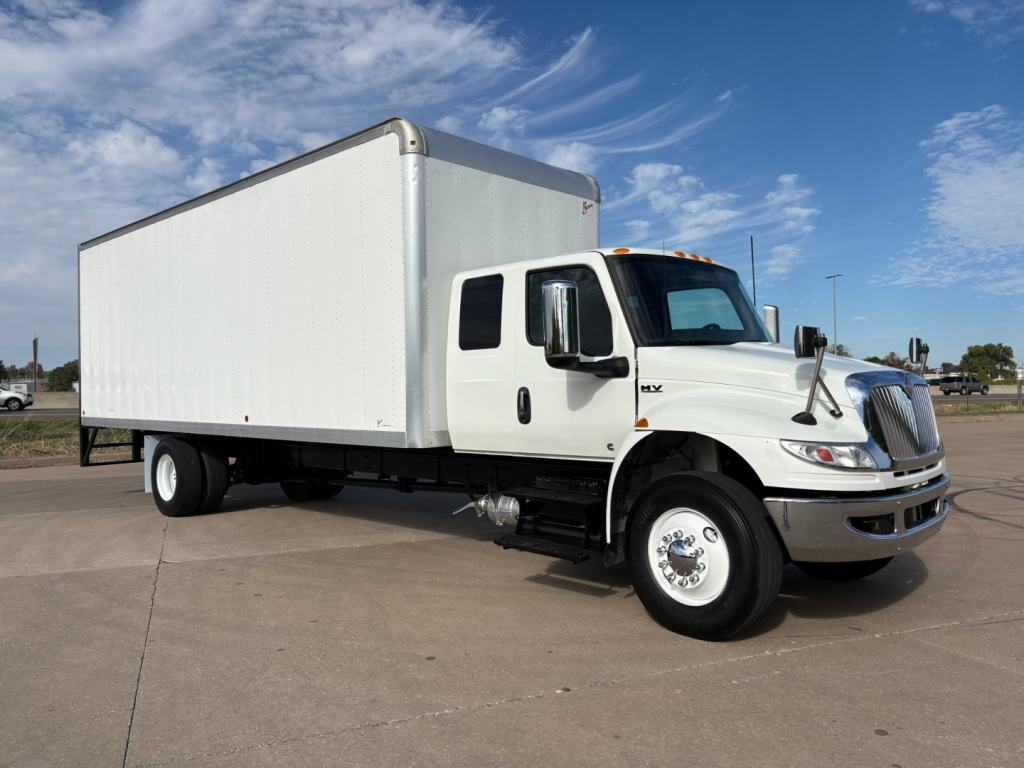
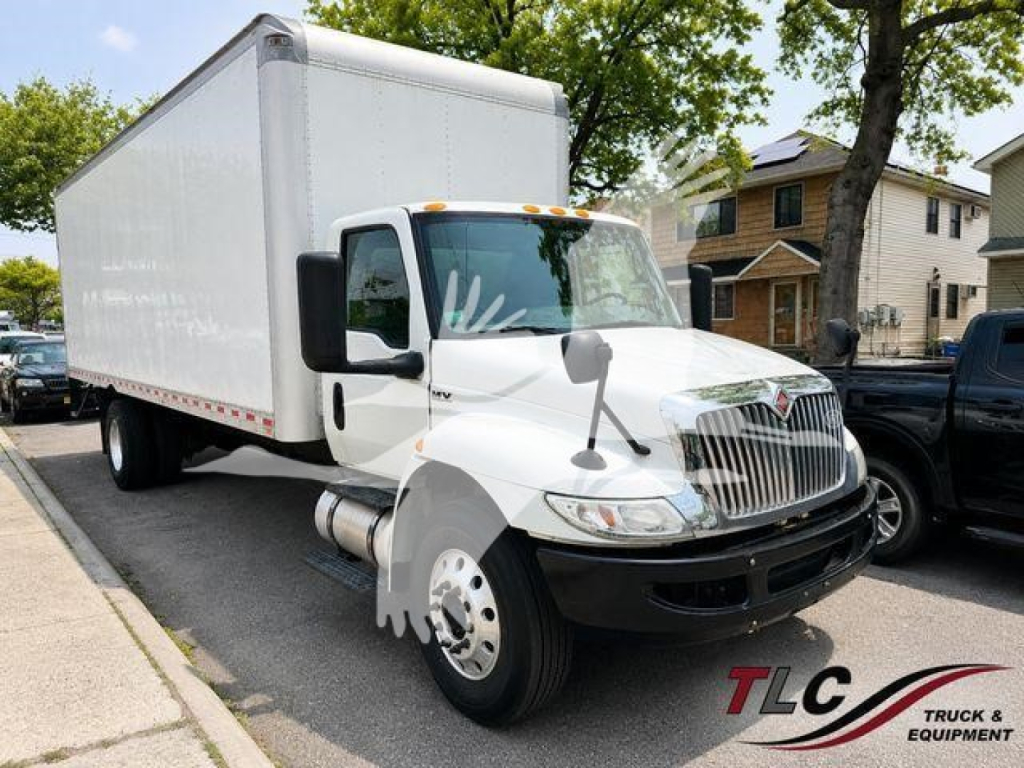
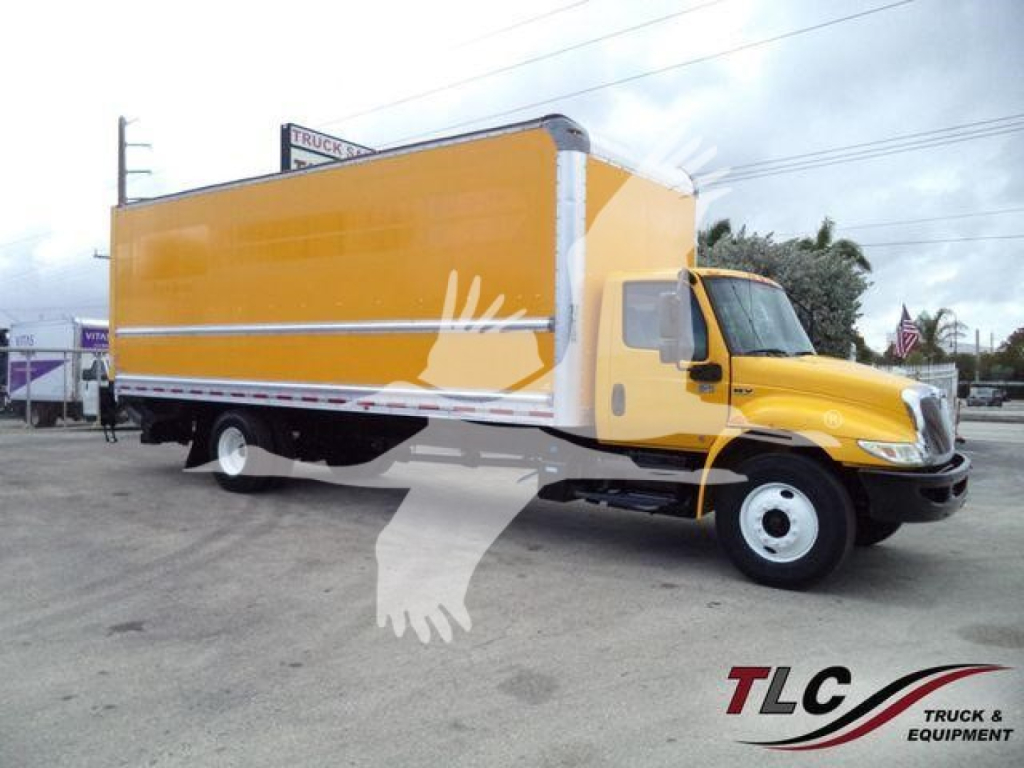
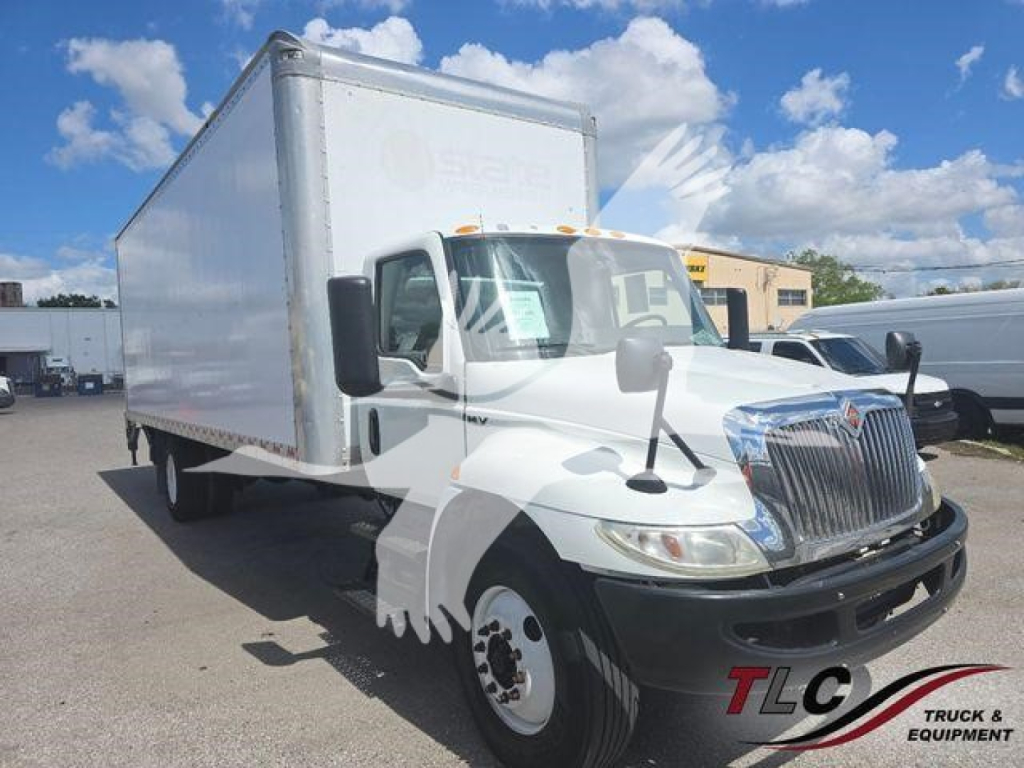
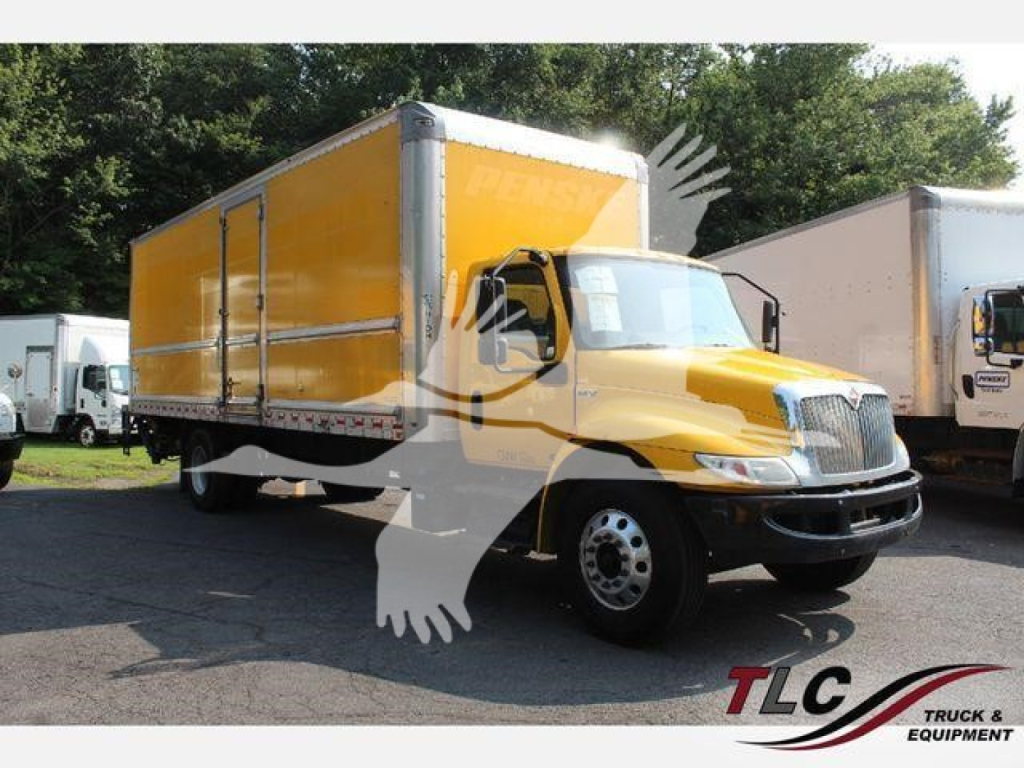
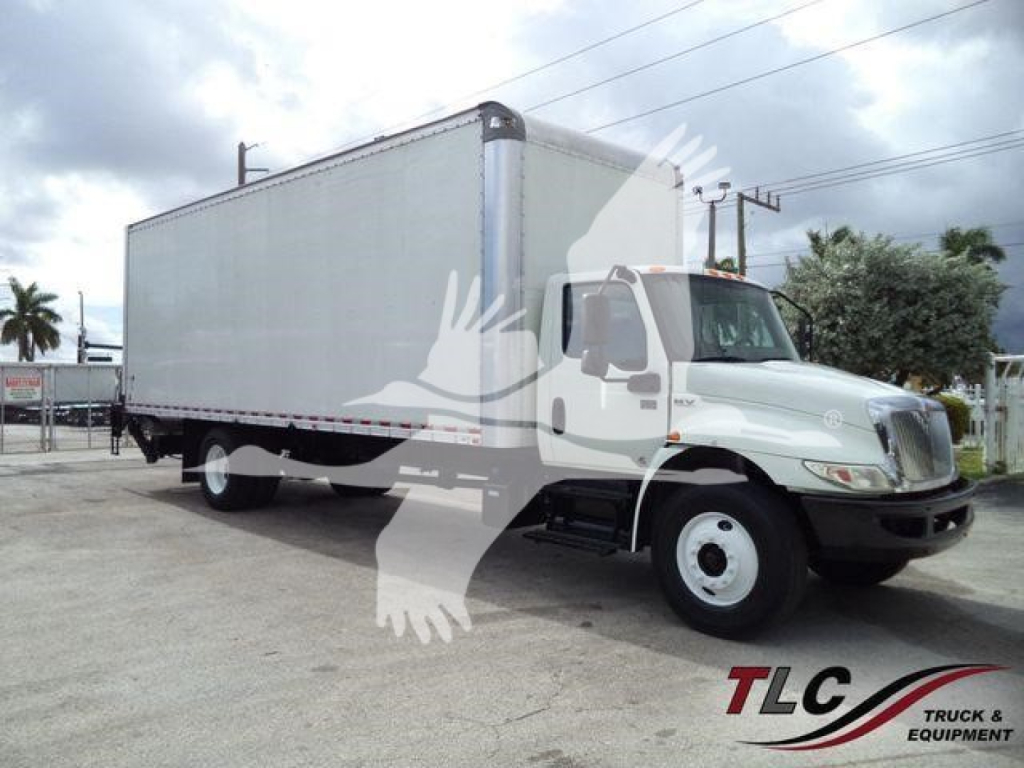
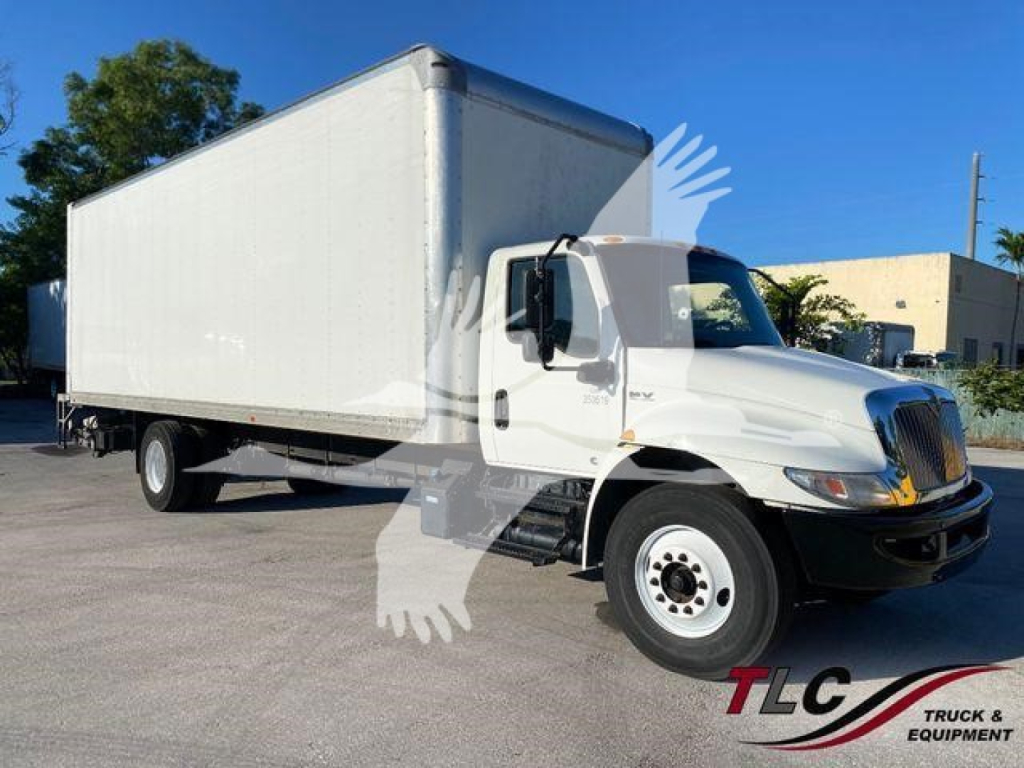
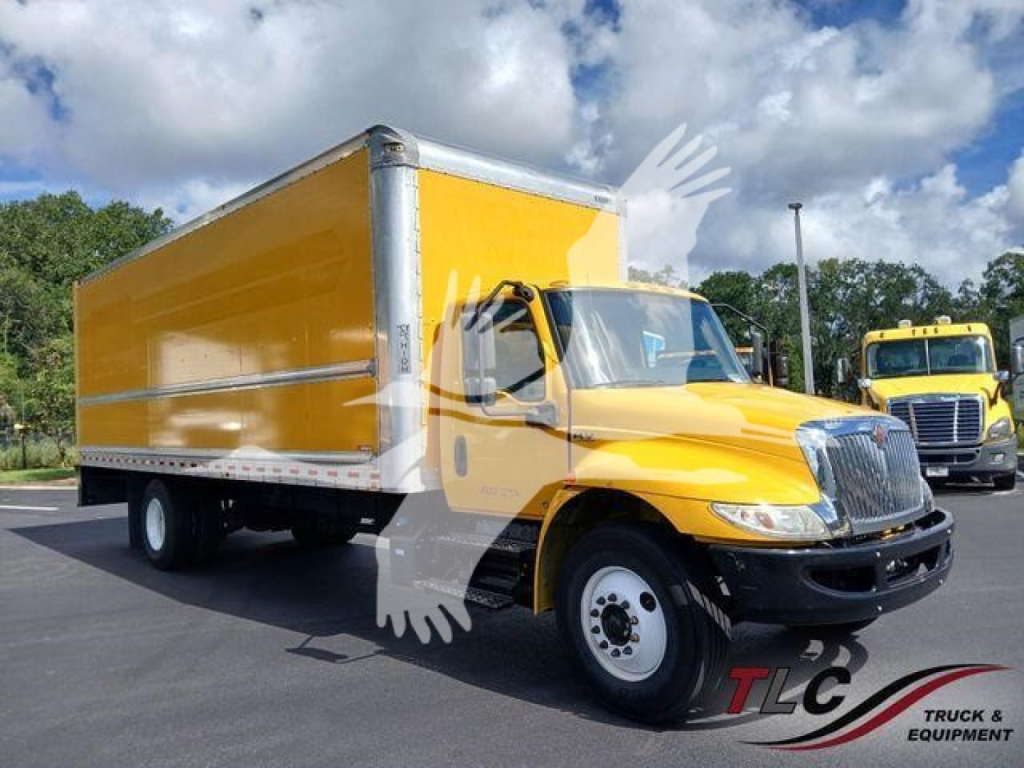
Selling a used 2020 international box truck? List your used 2020 international box truck for sale and reach thousands of commercial buyers.
Used 2020 International Box Trucks
Powertrain and chassis spec are what separate a good city truck from an expensive mistake. Many 2020 International box trucks are equipped with Cummins diesel engines paired with Allison automatic transmissions, a combination widely chosen for stop-and-go service and straightforward maintenance support. Common buyer checkpoints include air brakes versus hydraulic brakes, spring suspension versus air ride, wheel and tire size, and axle rating relative to actual payload. A 26 ft body with a liftgate, pallet jack freight, and multi-stop urban use will benefit from the right rear axle ratio, adequate cooling, and suspension spec that keeps the truck stable when loaded close to capacity. If the truck will live on tight city streets, wheelbase and cab-to-axle measurement matter just as much as box length.
Body and rear access details drive daily productivity. International box trucks in this class are commonly fitted with Morgan, Supreme, Kidron, or similar dry freight bodies, usually with roll-up or swing doors, hardwood flooring, E-track, slats, translucent roofs, and optional scuff liners. Liftgates from Waltco, Maxon, Tommy Gate, or Anthony are common on route-delivery builds, while ramp bodies show up on lighter hand-load operations. Buyers should look closely at body height, interior cube, door opening dimensions, and the condition of the floor, roof bows, sidewalls, and front wall. Water intrusion, rust around the rear frame and underbody, and prior dock impact are more important on a used box truck than cosmetic cab wear.
A 2020 International box truck can be a strong fit for fleets that want a conventional medium-duty platform with broad parts availability and familiar service points. The best spec depends on what the truck hauls every day, not just the badge on the hood. For higher-cube but lighter freight, a 26 ft non-CDL setup can maximize route efficiency. For denser freight, reevaluate payload after accounting for body weight, liftgate weight, and fuel. On used units, maintenance records, idle hours if equipped with PTO-driven accessories, brake life, tire date codes, DEF and emissions history, and evidence of consistent preventive maintenance are usually better indicators of future uptime than odometer reading alone.
Frequently Asked Questions about Used 2020 International Box Trucks
What is the typical GVWR for a 2020 International box truck?
A common GVWR for a 2020 International box truck is 25,950 lb, especially on non-CDL delivery specifications. That rating allows many operators to stay below the 26,001 lb CDL threshold while still running a 24 ft to 26 ft dry van body. CDL-rated configurations are also available and may be better suited for heavier freight, larger liftgates, or routes that regularly push payload limits.
What engines and transmissions are common in used 2020 International box trucks?
Many used 2020 International box trucks are equipped with Cummins diesel engines and Allison automatic transmissions. That combination is common in medium-duty pickup and delivery work because it handles frequent starts and stops well and has broad service support. Exact horsepower, torque, and transmission model vary by spec, so buyers should match engine rating and rear axle ratio to route terrain, average payload, and delivery cycle.
What box length is most common on a 2020 International box truck?
The most common box lengths are usually 22 ft, 24 ft, and 26 ft, with 26 ft being especially common in dry freight and last-mile applications. The right choice depends on cube requirements, dock access, turning radius, and weight distribution. A longer box increases cargo volume, but wheelbase, cab-to-axle dimension, and liftgate installation can affect maneuverability and usable payload.
Should I choose air brakes or hydraulic brakes on a used International box truck?
Air brakes are common on heavier medium-duty specs and are often preferred for 26 ft bodies, higher GVWR ratings, and fleet applications where consistency and service familiarity matter. Hydraulic brakes may be found on lighter setups and can be adequate for lower-GVWR use. The better choice depends on gross weight, route density, maintenance capability, and driver familiarity. Brake type should be evaluated along with suspension, axle rating, and actual loaded operating weight.
What should I inspect first on a used 2020 International box truck?
Start with the body, frame, and maintenance history before focusing on appearance. Check the box floor for soft spots or heavy forklift damage, inspect the roof and front wall for leaks, and look for corrosion around the rear frame, crossmembers, and liftgate mounting points. Then review engine and transmission service records, emissions system history, brake wear, tire age, suspension condition, and any signs of repeated overloading. On a delivery truck, the condition of the box and rear access equipment often has a bigger effect on day-to-day usability than cab cosmetics.