
Used 2020 Commercial Trucks For Sale in Missouri
Used 2020 commercial trucks for sale in Missouri: compare duty specs, emissions history, axle ratings, and corrosion before choosing a work-ready truck.
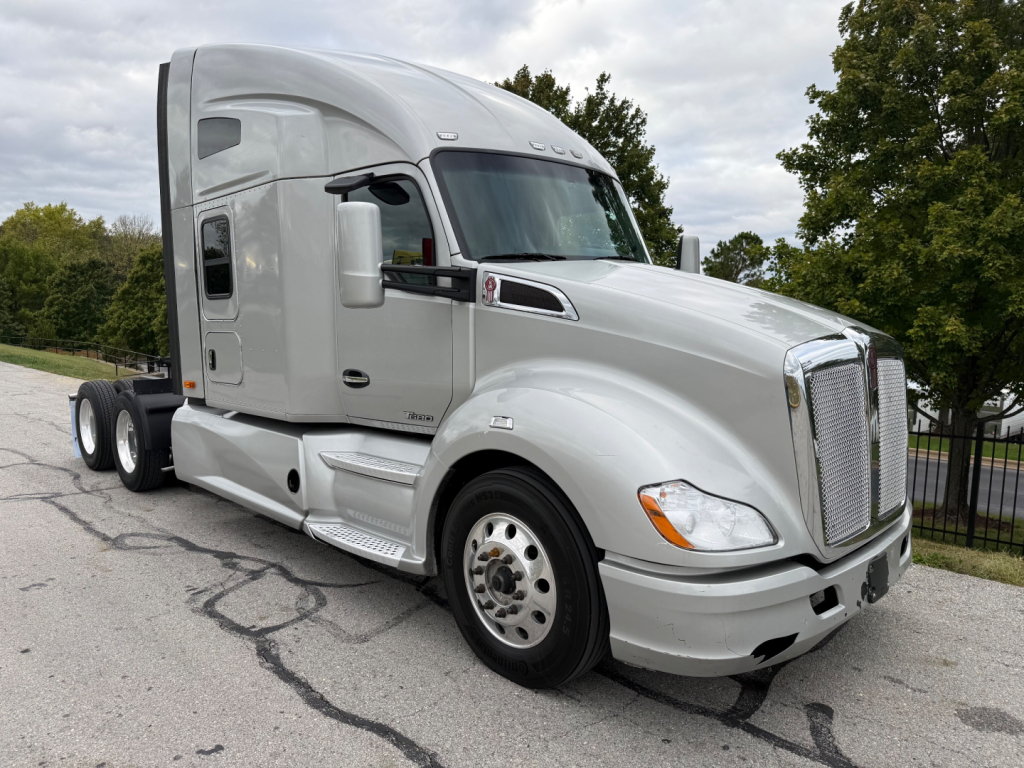
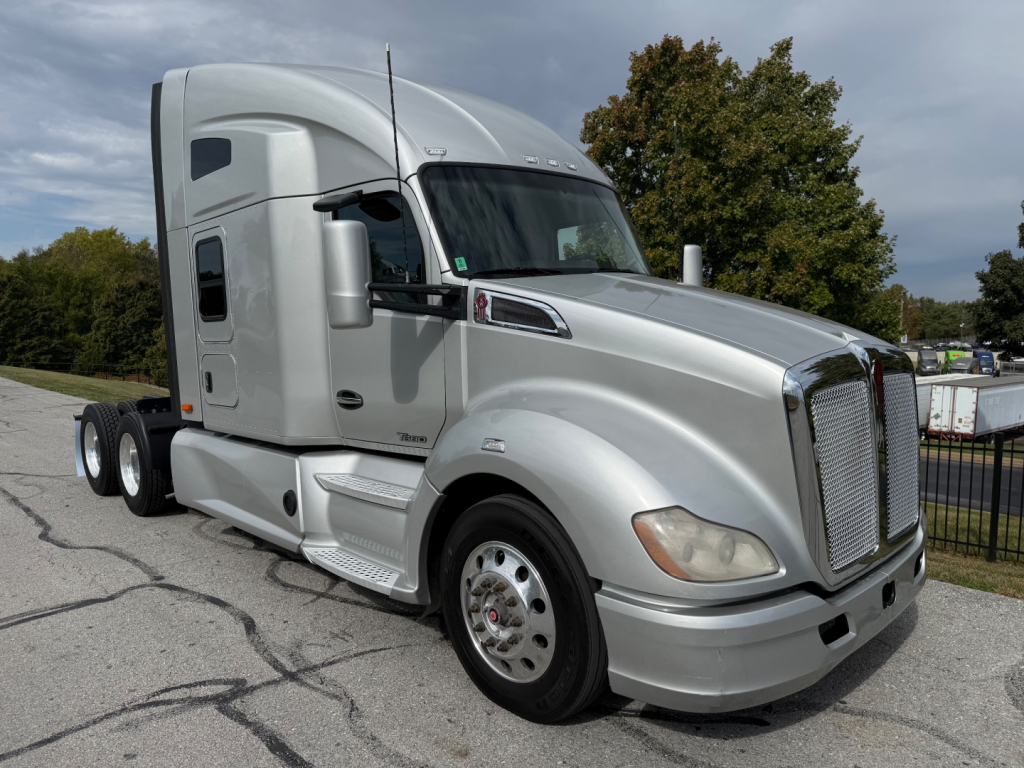
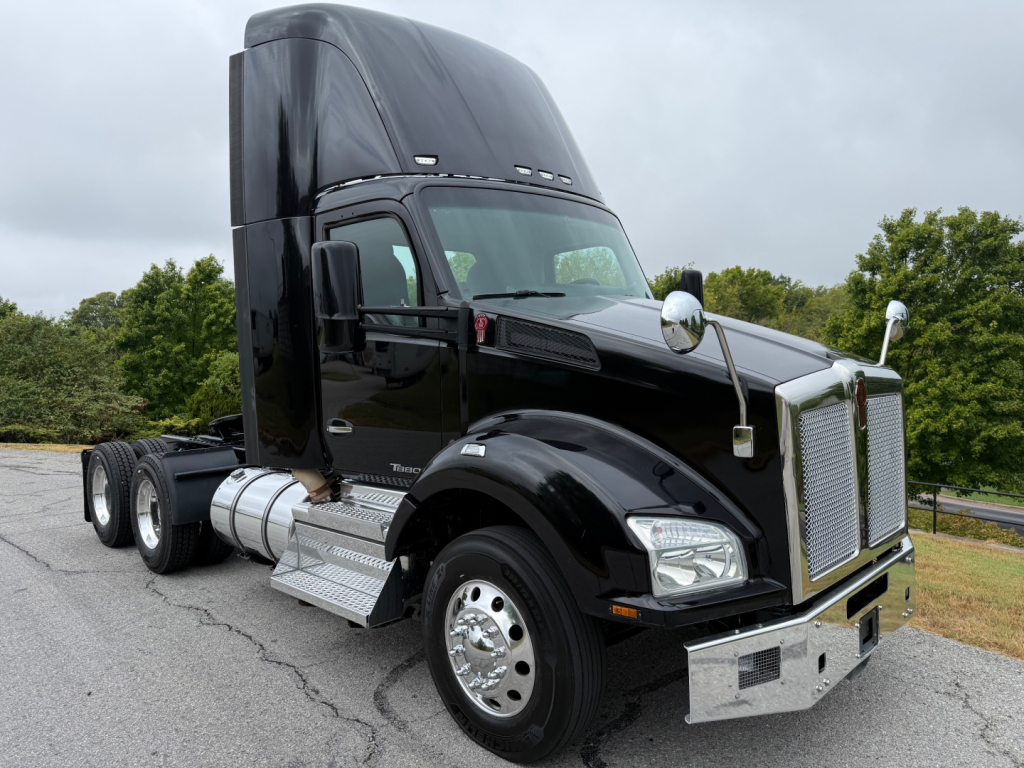
Selling a used 2020 commercial truck? List your used 2020 commercial truck for sale and reach thousands of commercial buyers.
Used 2020 Commercial Trucks in Missouri
A 2020 Kenworth T680 belongs to the generation preceding the T680 Next Gen, while a 2020 Freightliner Cascadia uses the newer-generation platform introduced before that model year. Kenworth's T880 targets vocational applications. Heavy-duty combinations include PACCAR MX-13 or Cummins X15 power in Kenworth applications and Detroit DD13 or DD15 engines in Cascadias, with manual or automated transmissions depending on specification. Medium-duty lines such as Freightliner's M2 have different engine choices, ratings, and body arrangements. Confirm the engine, transmission, and axle ratio from build records rather than assuming trucks sharing a badge have identical equipment.
Most 2020 heavy-duty highway diesels use a diesel particulate filter and selective catalytic reduction with DEF. Review regeneration history, aftertreatment fault codes, DPF cleaning records, and documented sensor or dosing-system repairs. Frequent stationary delivery work can create a different maintenance burden than steady interstate operation. Gasoline-powered commercial trucks require a different inspection plan and should not be evaluated against diesel aftertreatment requirements.
Maintenance records should explain how the truck worked, not merely show oil changes. Compare odometer mileage with ECM mileage, engine hours, idle time, and any documented engine or instrument replacement. Start the engine cold, check cooling-system condition and crankcase pressure, and road-test the drivetrain through operating temperature. Automated transmissions need checks for clutch wear, engagement delays, and fault history; manuals need clutch and shift-quality checks. Inspect steering play, suspension bushings, wheel seals, brake components, and uneven tire wear. On straight trucks, examine body mounts, floors, doors, liftgates, and evidence of overloaded or poorly executed frame modifications.
Missouri winter deicing makes underbody inspection essential, even when paint and cab interiors look clean. Examine frame crossmembers, cab mounts, battery boxes, brake plumbing, and electrical connectors for corrosion or concealed repairs. Agricultural and construction trucks also deserve close inspection for packed debris, abrasive dust, and off-road impact damage. Confirm that axle spacing, registered weight, and loaded axle distribution suit the intended routes. Posted local bridges can restrict farm and jobsite access even when a truck meets interstate weight limits.
Frequently Asked Questions about Used 2020 Commercial Trucks in Missouri
Do I need a Class A or Class B CDL for a commercial truck in Missouri?
A single commercial truck rated or weighing 26,001 pounds or more generally requires a Class B CDL in Missouri. A combination at that threshold generally requires Class A when the towed unit exceeds 10,000 pounds. Placarded hazardous materials or certain passenger operations can require a CDL below those weights. Air brakes alone do not determine CDL class, but an air-brake restriction can prevent a driver from legally operating an air-braked truck.
What weight limits apply to a truck running Missouri interstates?
Standard interstate limits in Missouri are 80,000 pounds gross, 20,000 pounds on a single axle, and 34,000 pounds on a tandem axle, subject to the federal bridge formula. A commercial truck can reach an axle or bridge-formula limit before reaching the gross limit. Manufacturer ratings, tire capacity, registration, and posted restrictions can impose lower limits. Do not assume agricultural exceptions or overweight permits apply to ordinary interstate freight.
How do I calculate the payload of a used 2020 box truck?
A box truck's usable payload is its permitted loaded weight minus its actual ready-to-work empty weight. Weigh the truck with its body, liftgate, full operating fluids, driver, and normally carried equipment rather than relying on a chassis brochure. Check front and rear axle weights separately because cargo placement can overload one axle before the truck reaches GVWR. Body length and liftgate capacity do not establish legal cargo capacity.
Can every 2020 daycab tractor take a wet kit for a dump trailer?
No, a transmission-driven wet kit requires a PTO-compatible transmission and hydraulic output matched to the dump trailer. For a 2020 daycab tractor, verify PTO provision by transmission model and build sheet, then check pump flow, pressure, reservoir capacity, controls, and hose connections. An automated transmission may require manufacturer-approved hardware and programming. A tractor described as PTO-ready does not necessarily include a functioning pump, reservoir, or hoses.
Is a deleted 2020 diesel truck legal for road use in Missouri?
No, removing or disabling required emissions equipment on a 2020 on-road diesel truck violates federal anti-tampering requirements, regardless of Missouri's inspection requirements. Have an independent shop verify that the DPF, SCR system, sensors, and ECM calibration remain compliant. Missing fault codes alone do not prove compliance because altered software can suppress them. Restoring a deleted commercial truck may require both replacement hardware and approved software before road operation.