
Used 2020 Conventional Sleeper Trucks For Sale in Missouri
Used 2020 conventional sleeper trucks for sale in Missouri: compare gearing, sleeper layouts, emissions records and salt damage before choosing a tractor.
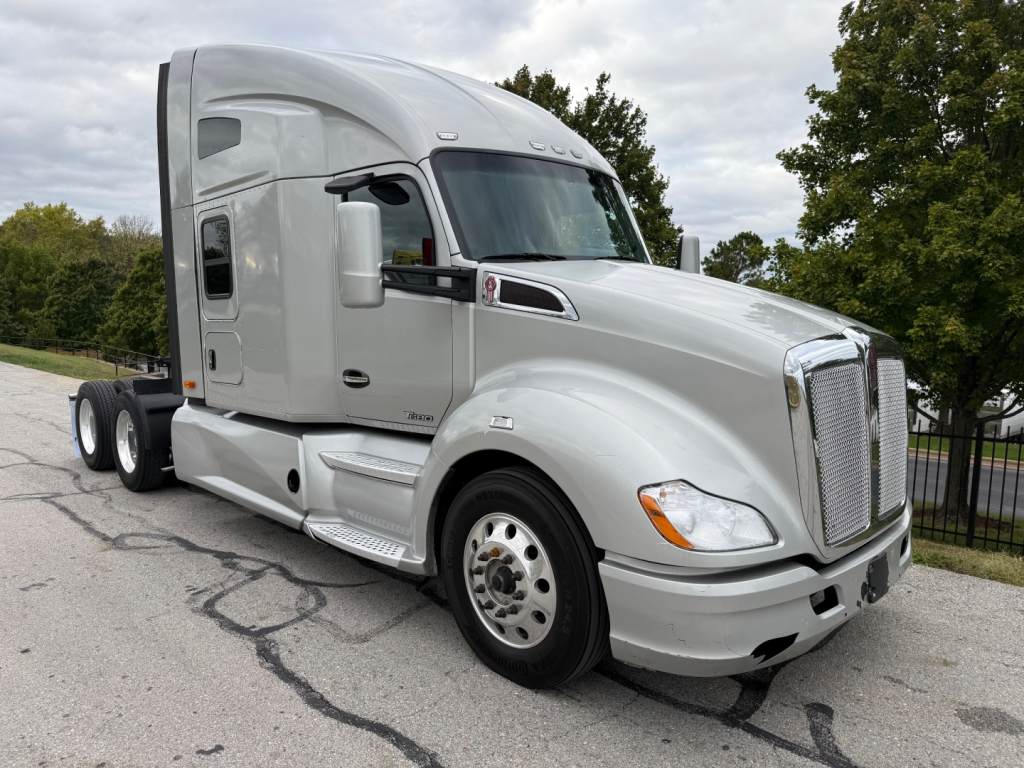
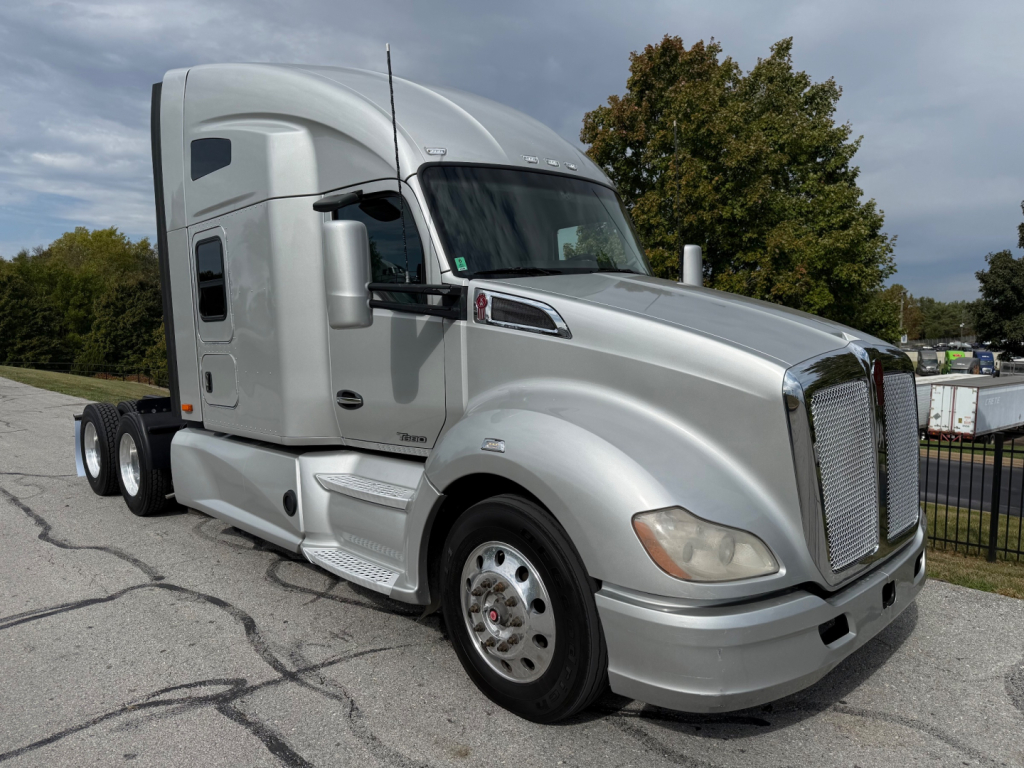
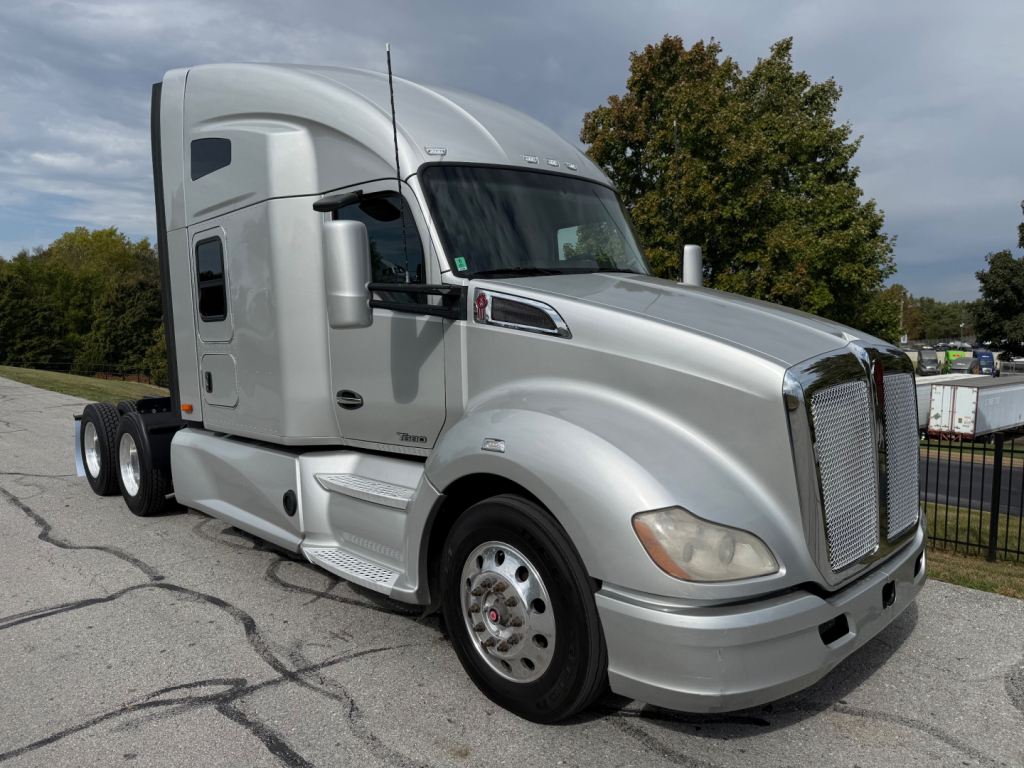
Selling a used 2020 conventional sleeper truck? List your used 2020 conventional sleeper truck for sale and reach thousands of commercial buyers.
Used 2020 Conventional Sleeper Trucks in Missouri
The 2020 model year sits in the GHG17 emissions era, with diesel particulate filters and selective catalytic reduction systems using DEF. Common configurations include Kenworth T680 and Peterbilt 579 tractors with PACCAR MX-13 or Cummins X15 power, Freightliner Cascadias with Detroit DD15 engines, and Volvo VNLs with Volvo D13 engines. A 2020 T680 or 579 predates the later redesigned versions of those models, so compare cab features and components by build specification rather than model name alone. Automated manual transmissions are common, but verify the actual transmission model and installed software before assessing suitability.
A numerically low rear-axle ratio such as 2.85 can suit interstate van work, but transmission ratios and tire size determine cruise RPM and starting performance. Frequent loaded starts, steep access roads or heavier permitted work may call for different gearing. Check wheelbase, fifth-wheel travel and trailer clearance together, particularly with reefers and flatbeds. Axle ratings establish component capacity, not legal payload; scale the tractor with fuel and operating equipment to determine how much capacity remains for trailer and cargo.
Maintenance records should document oil service, overhead adjustments where required, cooling-system repairs and aftertreatment work. Compare odometer mileage with ECM mileage, engine hours and idle hours, and have a technician retrieve active and inactive fault codes. DPF ash-cleaning records, regeneration history, DEF dosing faults and repeated sensor replacements deserve close review. Inspect a cold engine for starting behavior, leaks and abnormal crankcase pressure, then road-test the tractor under load to evaluate shifts, boost and engine-brake operation. An oil analysis is useful supporting evidence, but one clean sample does not establish engine condition or prove an overhaul is unnecessary.
Missouri winter road treatments make frame rails, crossmembers, air tanks, brake chambers and electrical connections priority corrosion checks. A Missouri location does not establish where a used tractor previously operated, so trace its fleet history. Summer heat also warrants checking radiator and charge-air-cooler condition. Inspect sleeper roof seams, window seals and the floor beneath mattresses for water damage, and assess fifth-wheel jaws, suspension bushings and uneven tire wear before accepting cosmetic refurbishment as evidence of mechanical care.
Frequently Asked Questions about Used 2020 Conventional Sleeper Trucks in Missouri
How much weight can a 2020 sleeper tractor legally haul on Missouri interstates?
A standard five-axle tractor-trailer combination on Missouri interstates is generally limited to 80,000 pounds gross, with 20,000 pounds on a single axle and 34,000 pounds on a tandem. Federal Bridge Formula limits also apply, so axle spacing matters. Payload is the legal gross allowance minus the actual operating weight of the tractor and trailer. Tire ratings, equipment ratings, posted bridges and permit conditions can impose additional limits.
Does a high-mileage 2020 sleeper truck automatically need an engine overhaul?
High mileage alone does not establish that a 2020 sleeper tractor needs an overhaul. Oil consumption, crankcase pressure, coolant loss and documented internal repairs provide stronger evidence than the odometer alone. Have an engine specialist measure crankcase pressure against the manufacturer's limits and investigate any contamination or recurring low-oil-pressure faults. Treat an advertised rebuild as unverified until invoices identify the parts replaced, machining performed and repair mileage.
Is the 12-speed automatic in a 2020 sleeper tractor a true automatic transmission?
Many 12-speed transmissions in 2020 sleeper tractors are automated manuals, not torque-converter automatics. An automated manual uses a clutch and electronically controlled shifting, so the exact transmission identification matters. Request clutch-wear information and calibration records where the system supports them. During inspection, test reverse engagement, low-speed backing and hill starts, and investigate engagement delays or repeated clutch-overtemperature faults before committing to the tractor.
How should I test an APU on a used 2020 sleeper truck?
Test a sleeper tractor's APU under sustained heating or cooling load, not just by confirming that the engine starts. For a diesel APU, inspect service-hour records, coolant connections, exhaust routing and generator output. For a battery HVAC system, verify battery capacity and runtime under load. Confirm that the system can maintain comfortable sleeper temperature without the main engine running, and check shore-power operation if equipped.
Does an engine replacement warranty transfer with a used 2020 sleeper tractor?
An engine replacement warranty transfers only when the written warranty terms permit transfer and all required procedures are completed. A replacement engine does not automatically renew coverage for the transmission, aftertreatment or chassis. Obtain the repair invoice, engine serial number, warranty start date and mileage limits, then confirm coverage with the warranty administrator. Check whether diagnostic labor, towing and consequential damage are excluded before counting the warranty as protection.