
Used 2020 Dump Trucks For Sale
Browse used 2020 dump trucks for sale, including tandem and tri-axle models with steel or aluminum bodies for construction, paving, and site work.
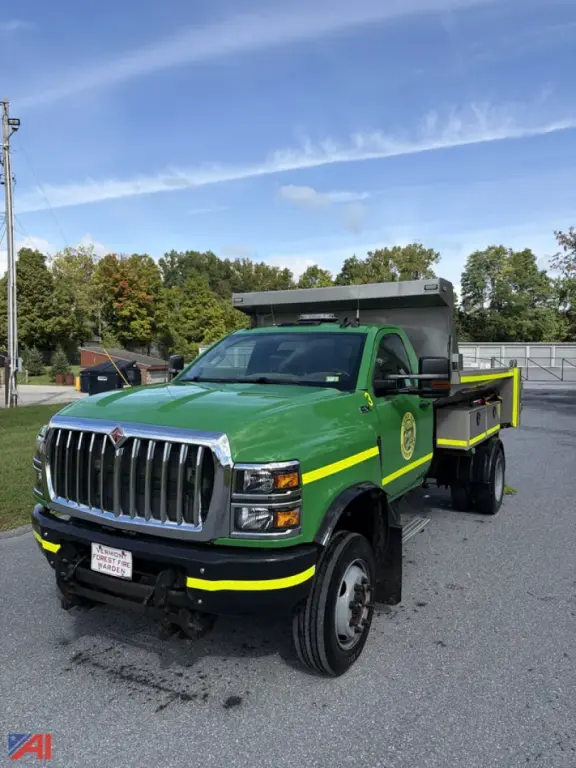
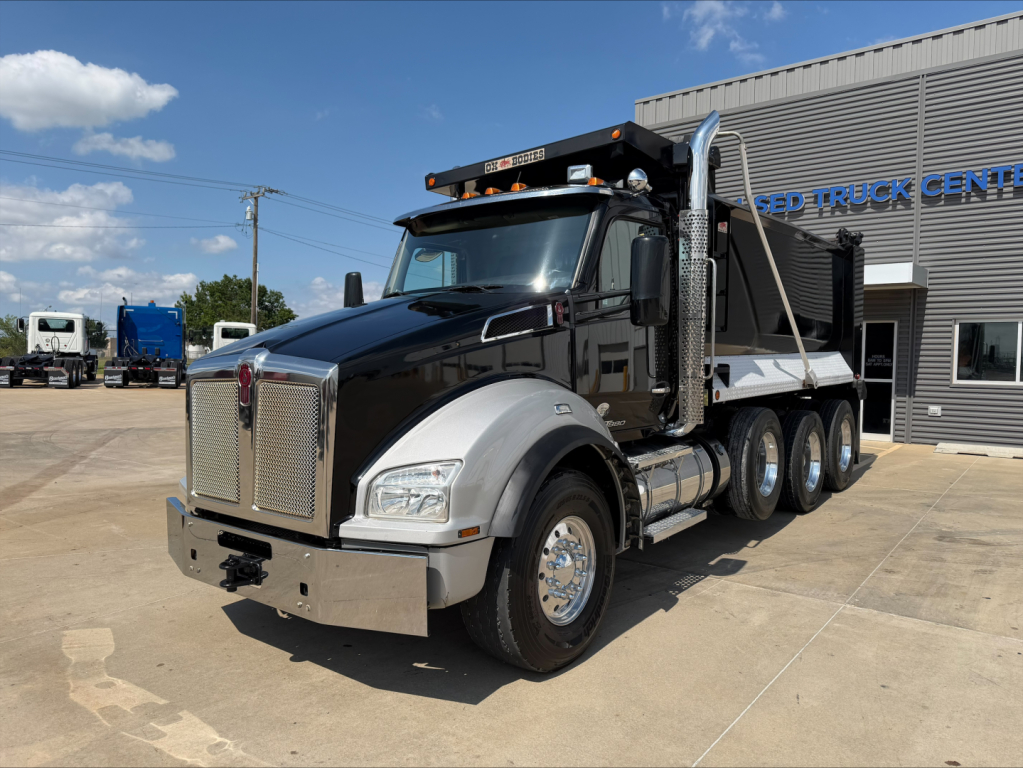
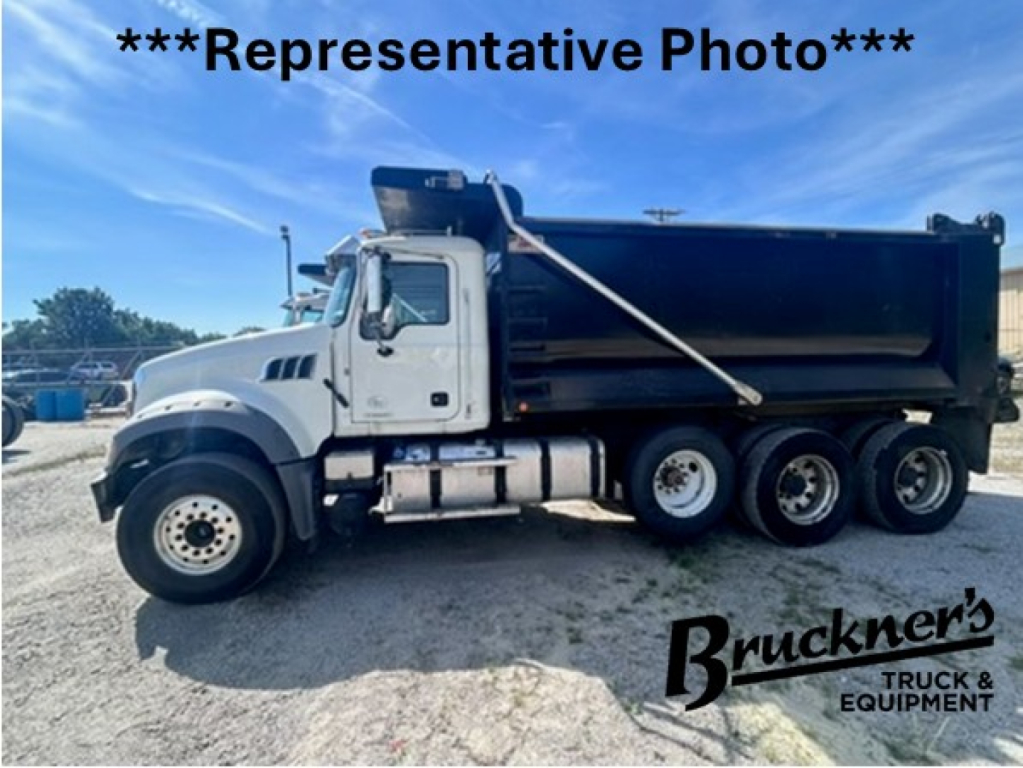
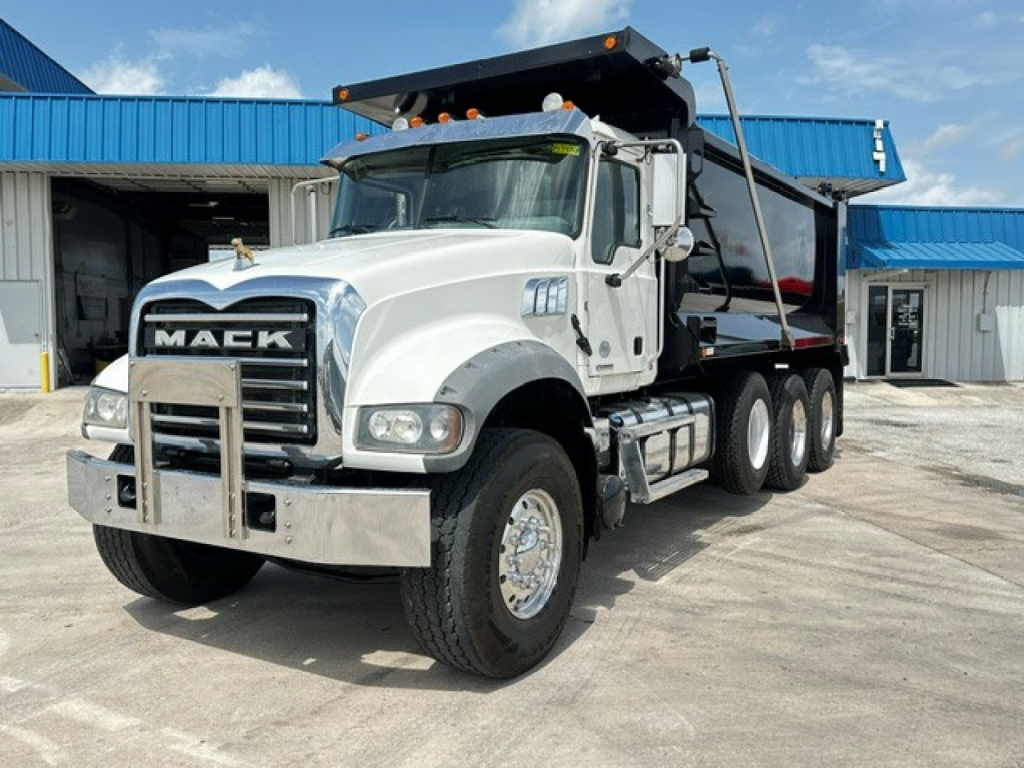
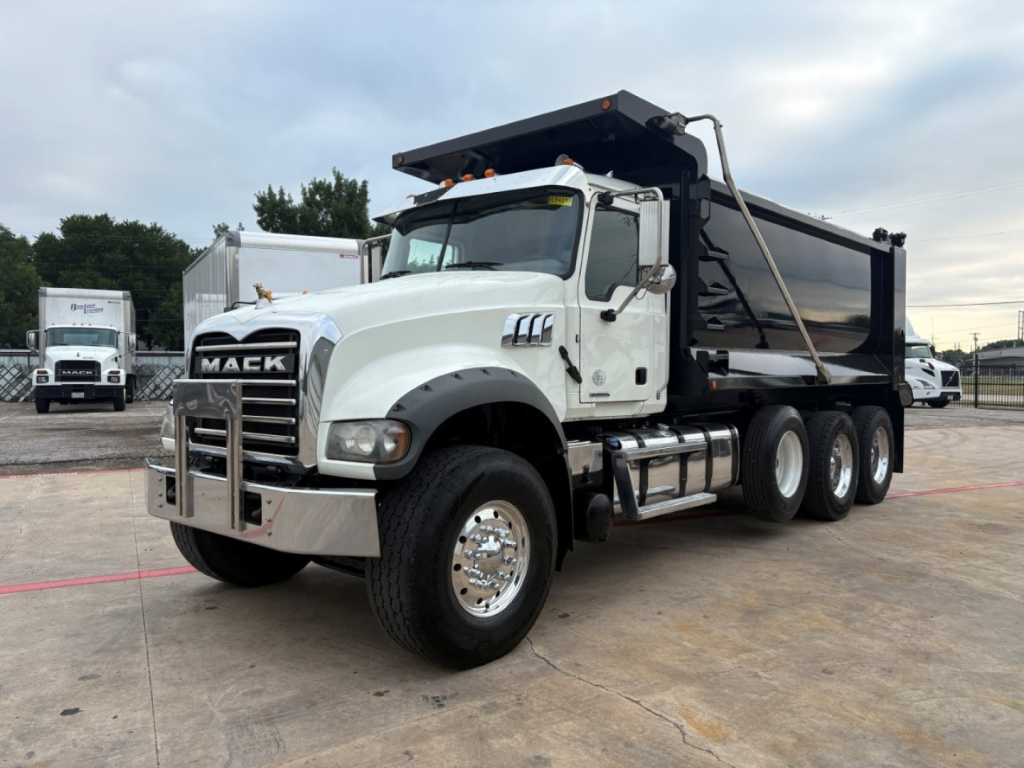
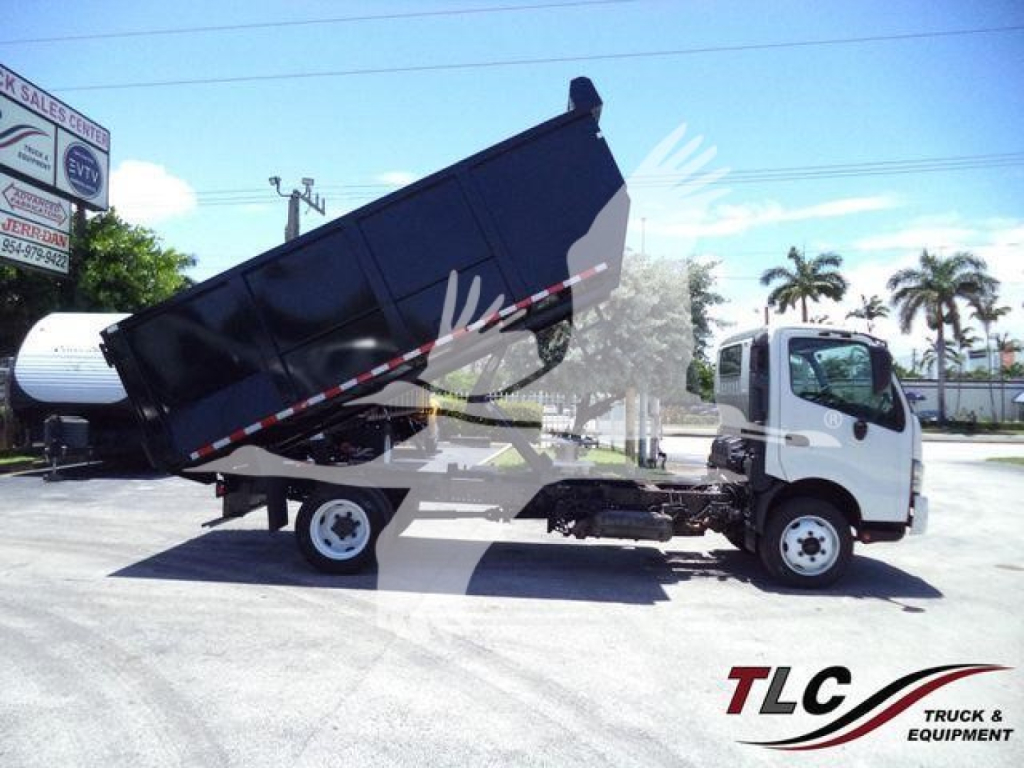
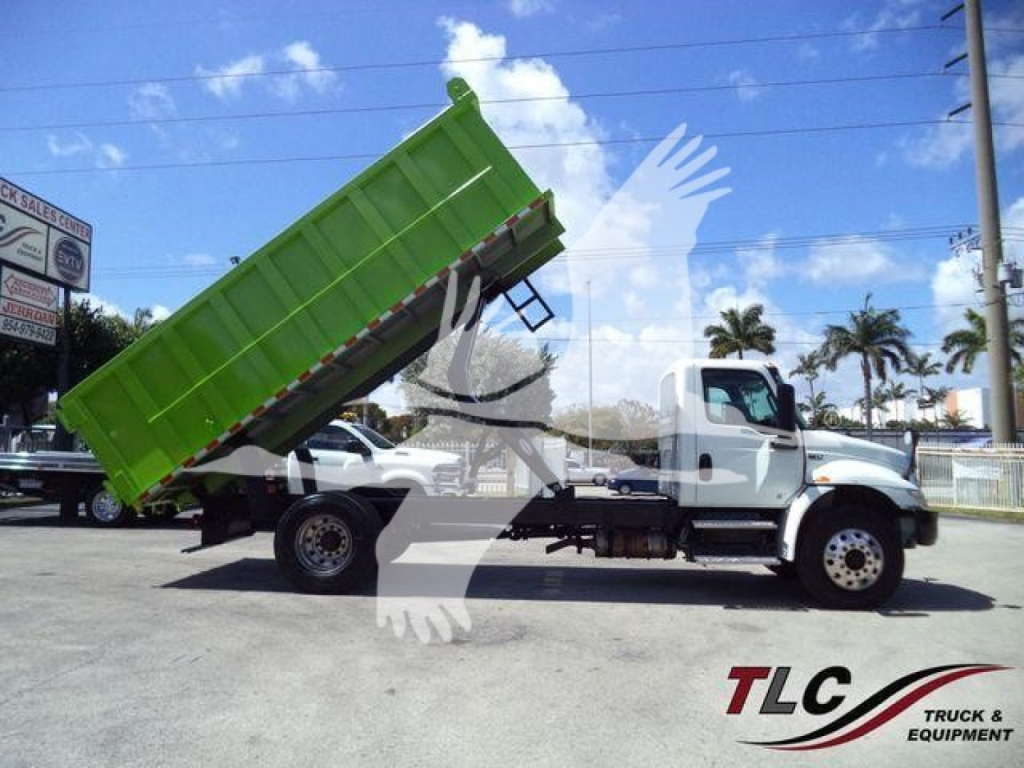
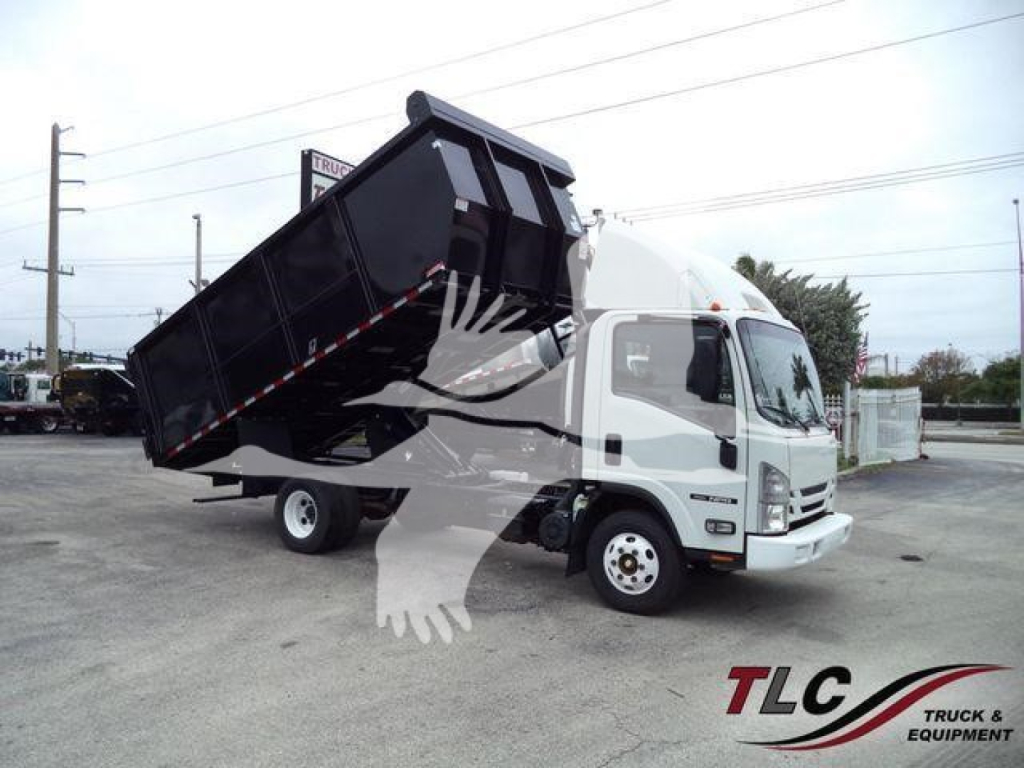
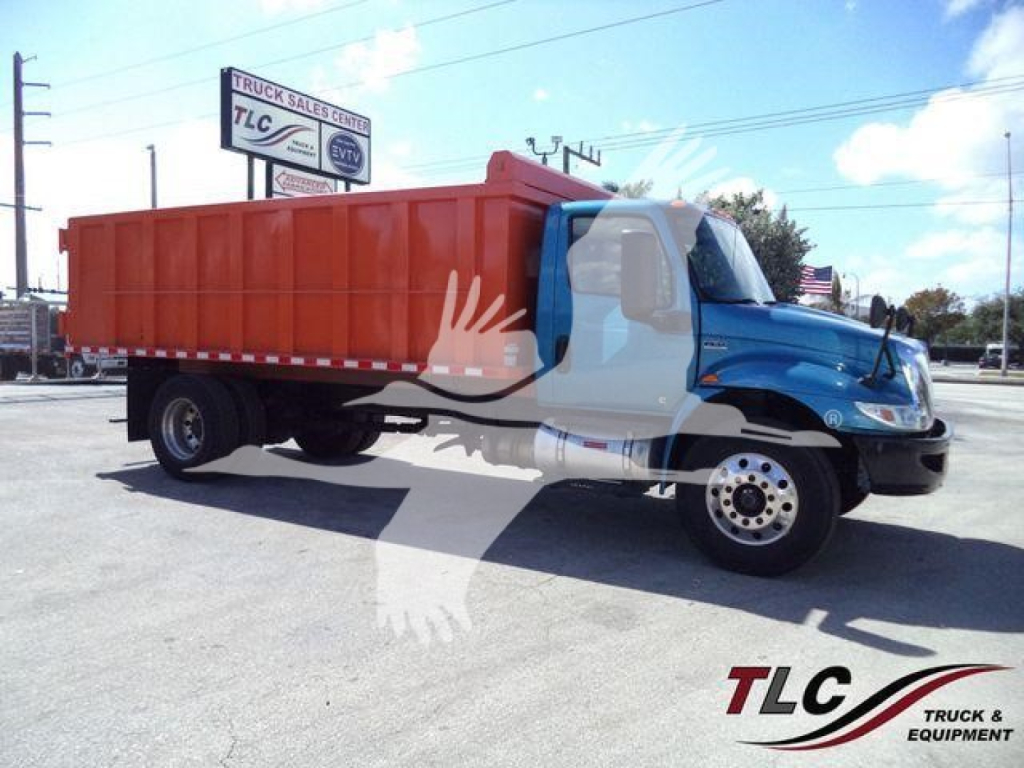
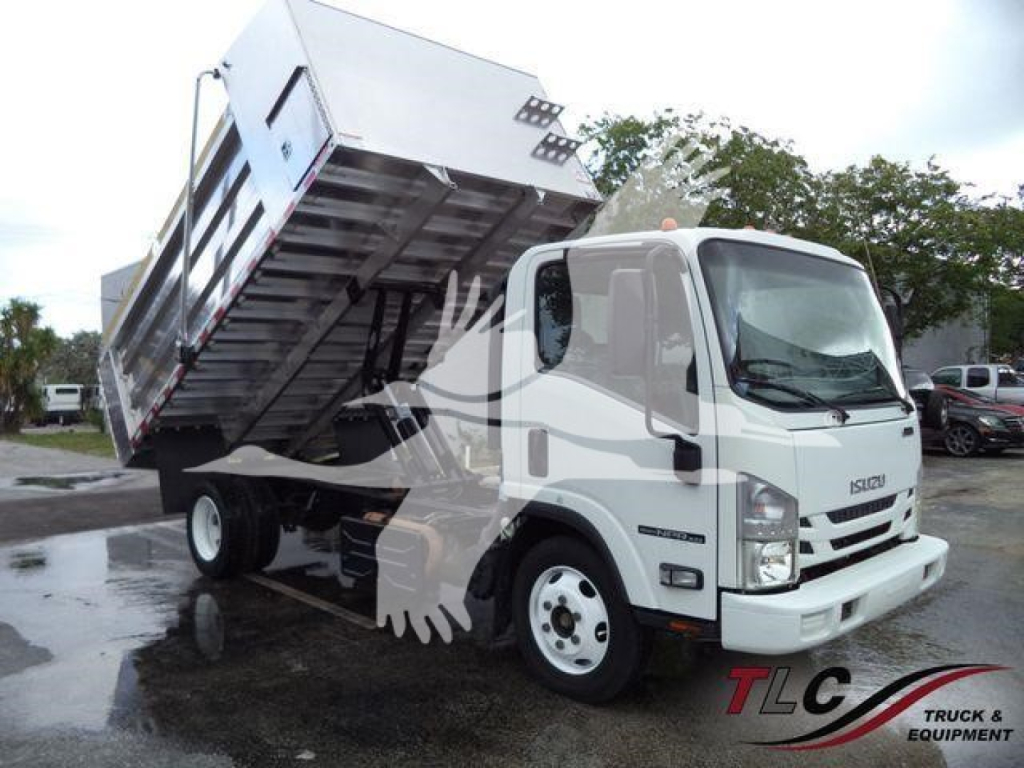
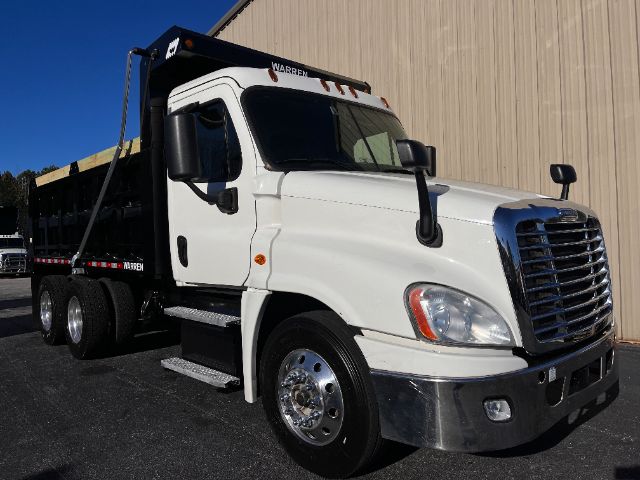
Selling a used 2020 dump truck? List your used 2020 dump truck for sale and reach thousands of commercial buyers.
Used 2020 Dump Trucks
Axle configuration is one of the first buying decisions. A tandem axle dump truck works well for general site work and shorter-haul material movement, while a tri-axle or tag axle setup gives you added legal payload flexibility in many states. Body length, side height, and material type should match the work. Steel bodies hold up well in demolition, rock, and abrasive aggregate service. Aluminum bodies save weight and can improve payload on lighter materials. Common features worth checking include underbody or telescopic hoists, high-lift tailgates, asphalt tarping systems, electric or air-operated gate controls, cab shields, material screens, and pintle hitch setups for hauling equipment trailers. For municipal buyers, plow mounts, central hydraulics, and spreader controls can add off-season value.
On a used 2020 dump truck, inspection should focus on both the chassis and the body system. Look closely at frame condition, suspension bushings, walking beam or air ride components, lift axle operation, steer tire wear, and brake life. On the body, inspect floor thickness, crossmember condition, hinge points, hoist pins, cylinder seals, tailgate hardware, and any signs of previous weld repair. Because 2020 trucks are still in the emissions-era sweet spot, buyers should also review maintenance history for the aftertreatment system, including DPF cleaning intervals, DEF system repairs, and any recurring fault codes. PTO engagement, hydraulic response, and dump cycle smoothness tell you a lot about how the truck has been worked and maintained.
Spec matching matters more than chasing the lowest price. A dump truck used in paving or municipal service may have lower mileage but much higher idle time and hydraulic usage than a highway-maintained aggregate truck. Bridge law, local axle regulations, body capacity, and jobsite conditions all affect the right choice. Buyers comparing used 2020 dump trucks should pay attention to GVWR, wheelbase, engine horsepower and torque, transmission type, axle ratio, suspension rating, body manufacturer, and lift axle design. A properly spec'd 2020 dump truck can still deliver strong service life for contractors, quarries, excavators, landscapers, and municipalities that need a vocational truck built for daily hauling.
Frequently Asked Questions about Used 2020 Dump Trucks
What should I look for first on a used 2020 dump truck?
Start with the truck's original application and axle setup, then move to the dump body and hydraulic system. A 2020 dump truck may look clean but still have significant wear in the hoist, tailgate hardware, lift axle, suspension, and frame from heavy jobsite use. Service records are especially important on emissions components, PTO operation, brakes, and any body or frame repairs. Tire wear patterns, dump cycle speed, and visible cracks or patch welds around body mounts can reveal a lot quickly.
Is a 2020 dump truck a good year to buy used?
For many buyers, yes. A 2020 model is often modern enough to include updated driver controls, vocational electronics, and current safety equipment, while still offering better value than late-model replacements. Many 2020 dump trucks were fleet-maintained and built on proven vocational chassis. The key is confirming how the truck was used, because municipal, paving, demolition, and aggregate service all create different wear patterns even when mileage is relatively low.
What is better for a dump truck, a steel body or an aluminum body?
Steel bodies are generally preferred for severe-duty work such as demolition, riprap, heavy aggregate, and abrasive materials because they resist impact damage better. Aluminum bodies reduce tare weight and can improve legal payload, which helps in lighter aggregate, mulch, grain, or other bulk material applications. The better choice depends on the material being hauled, the roads traveled, and whether durability or payload is the main priority.
How important is axle configuration on a used dump truck?
Axle configuration directly affects payload, maneuverability, legal compliance, and tire and suspension maintenance costs. Tandem axle dump trucks are simpler and often easier to maintain, but tri-axle, drop axle, or tag axle configurations can increase legal carrying capacity depending on state bridge laws and route restrictions. Buyers should match axle layout to the actual job, not just body size, because the wrong configuration can limit revenue or create permit and weight issues.
What engine and transmission specs are common in used 2020 dump trucks?
Used 2020 dump trucks commonly carry diesel engines in the roughly 300 to 450 horsepower range, with torque ratings selected for start-and-stop vocational work rather than over-the-road cruising. Automated manual and full automatic transmissions are both common, although many contractors still prefer an Allison automatic for stop-and-go hauling, paving, and municipal operation. Rear axle ratios, suspension ratings, and PTO compatibility are just as important as engine output because they affect launch, gradeability, and hydraulic performance under load.