
Used 2020 Commercial Trucks For Sale in Iowa
Browse used 2020 trucks in Iowa, including vocational and commercial models with modern specs, emissions systems, and fleet-ready capability.
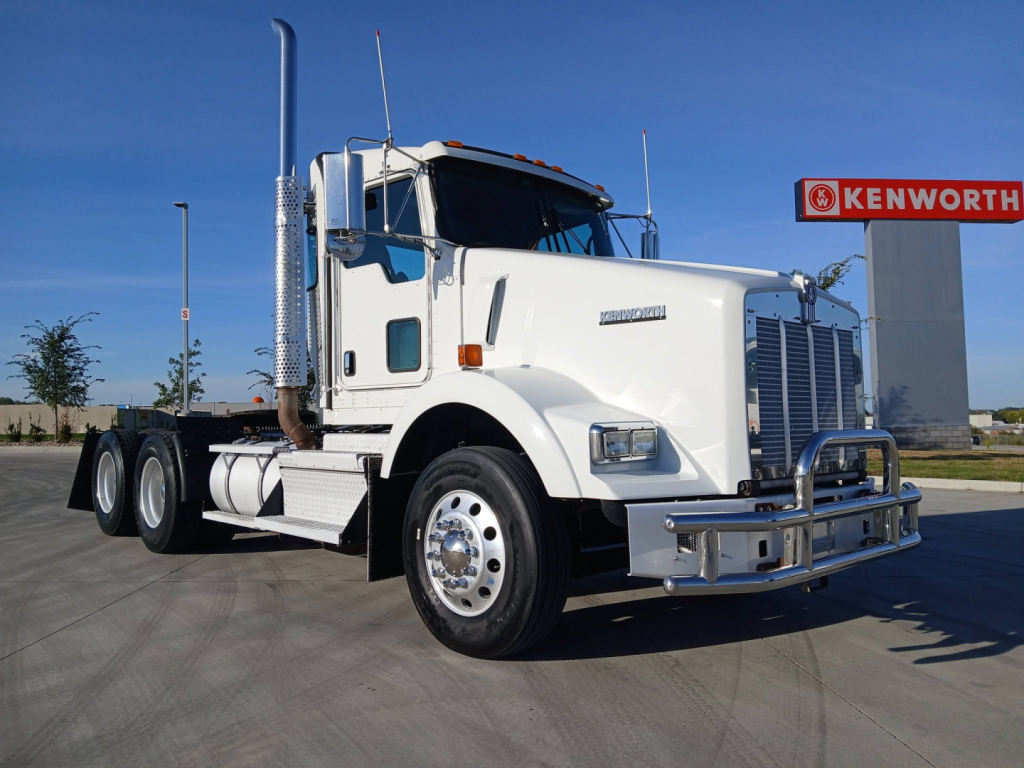
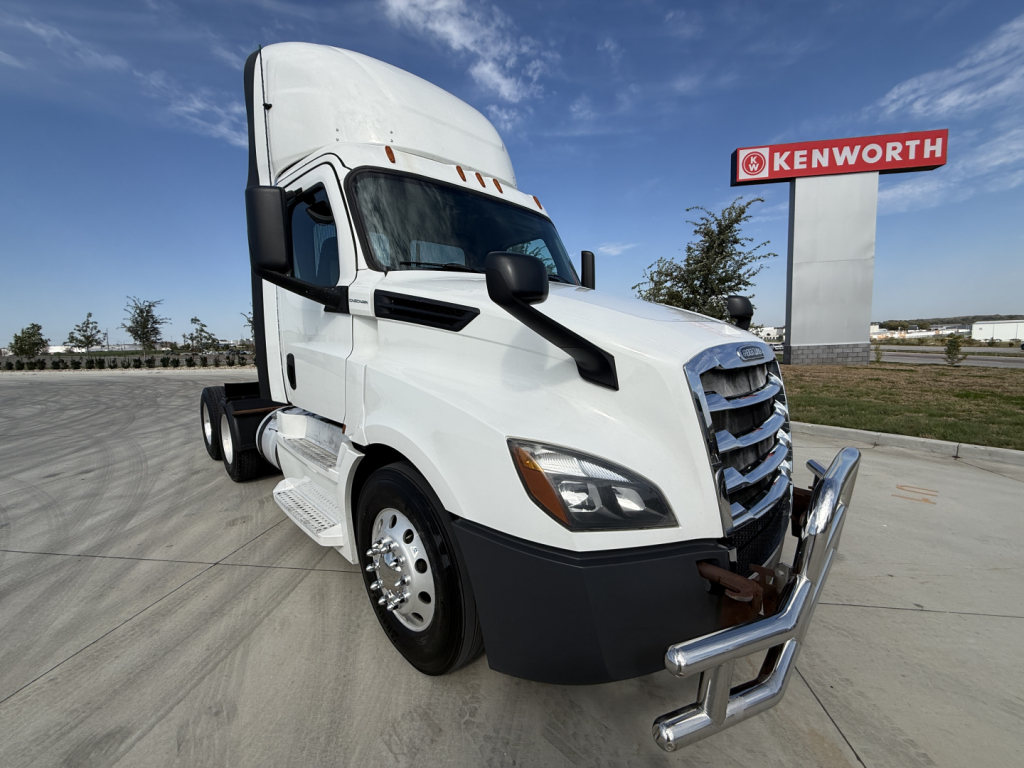
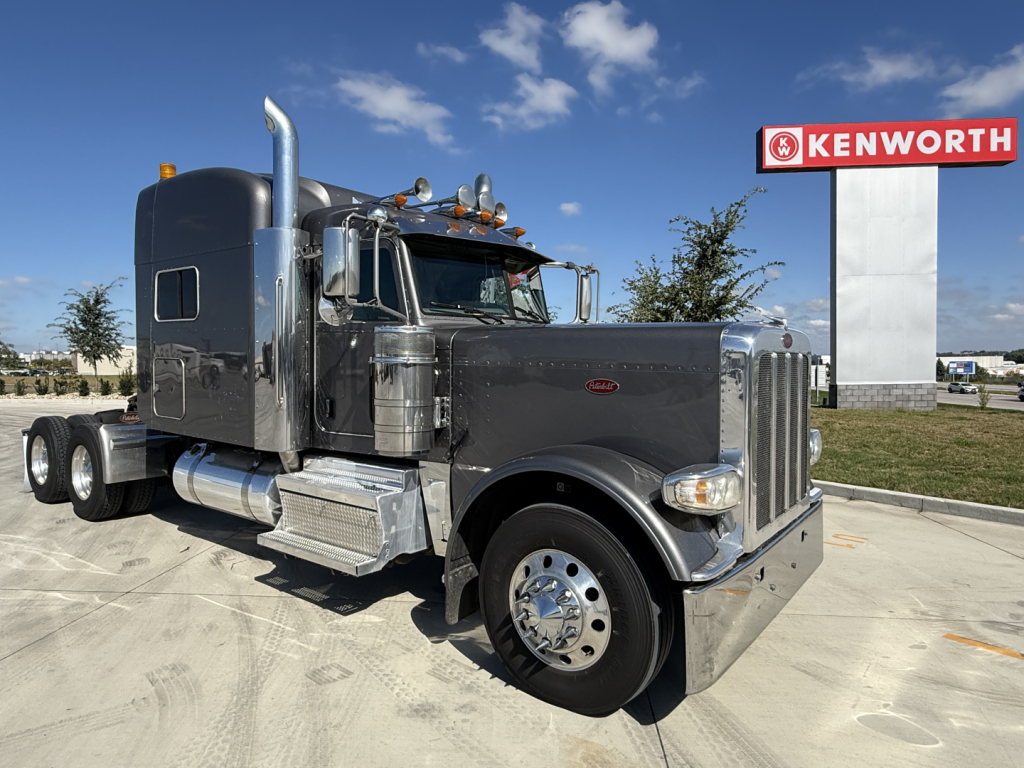
Selling a used 2020 commercial truck? List your used 2020 commercial truck for sale and reach thousands of commercial buyers.
Used 2020 Commercial Trucks in Iowa
The first decision is usually application, not brand. A used 2020 truck can be spec'd for construction, municipal snow and ice control, refuse collection, farm support, utility work, or regional on-road service. Buyers should look closely at axle configuration, GVWR, wheelbase, PTO setup, body manufacturer, and hydraulic system design if the truck carries vocational equipment. On straight trucks and cab and chassis models, frame condition, upfit compatibility, and remaining payload after body installation are key. On specialized units such as dump trucks, garbage trucks, or water trucks, the condition of the body, hoist, packer, tank, spreader, or plow gear can be just as important as engine and transmission health.
Most used 2020 trucks on the market will have late-generation diesel emissions equipment, so it is worth reviewing DPF service history, DEF system repairs, fault code records, and regen performance. Engine hours, PTO hours, and idle time can tell a very different story than odometer miles, especially on municipal and vocational trucks. Common inspection points include suspension wear, brake condition, steering play, frame corrosion, wiring integrity, hydraulic leaks, and signs of hard seasonal service. In Iowa, trucks that handled winter road duty should be checked carefully for rust around spreader mounts, plow frames, crossmembers, air tanks, and harness connections.
A well-matched used 2020 truck can still deliver long service life if the spec fits the job and the maintenance record supports it. Buyers comparing listings should focus on service documentation, prior fleet use, body and equipment condition, drivetrain compatibility with the intended route or site work, and parts support for both chassis and upfit. A truck with a proven vocational package, clear maintenance intervals, and the right axle and powertrain configuration will usually outperform a cheaper unit that needs immediate body, hydraulic, or emissions work.
Frequently Asked Questions about Used 2020 Commercial Trucks in Iowa
What should I check first on a used 2020 truck?
Start with the truck's actual job history. A 2020 truck used for refuse, snow removal, dump service, or utility work can have much heavier component wear than a highway-operated chassis with similar miles. Review engine hours, idle hours, PTO hours, maintenance records, fault codes, and the condition of the body or mounted equipment. After that, inspect the frame, suspension, brakes, steering, tires, and emissions system service history to understand near-term repair exposure.
Are used 2020 diesel trucks a good balance of price and technology?
For many buyers, yes. A used 2020 truck is new enough to offer modern powertrains, updated driver controls, and current vocational integration features, but it usually costs less than newer late-model replacements. The tradeoff is that 2020 trucks still rely on complex emissions components such as DPF and DEF systems, so documented maintenance and clean diagnostics are important. The best value is usually a truck with consistent fleet service records and a spec that matches the intended application.
How important are engine hours and PTO hours on a 2020 vocational truck?
They are critical. Odometer mileage alone does not tell the full story on dump trucks, refuse trucks, plow trucks, water trucks, or other vocational units. A truck can show moderate miles but very high idle or PTO hours, which increases wear on the engine, hydraulic systems, and accessories. For municipal and construction applications, hours often reveal more about real-world use than miles do.
What matters most when buying a used 2020 truck in Iowa?
Rust exposure, seasonal use, and application-specific wear should be high on the checklist. Iowa trucks that worked through winter may have corrosion around plow mounts, spreaders, dump bodies, electrical connections, and underbody components. Buyers should also consider local hauling conditions, bridge law requirements, and whether the truck's axle rating, wheelbase, and body setup fit farm, municipal, or construction work common in the region. A clean frame and sound upfit condition can make a major difference in long-term value.
Should I focus more on the chassis or the body equipment on a used 2020 truck?
On vocational trucks, both matter equally because repair costs can be high on either side. A healthy engine and transmission do not offset a worn packer, leaking hoist, rusted dump body, cracked tank mounts, or failing plow hydraulics. Likewise, a clean body on a truck with unresolved emissions faults or driveline issues can create immediate downtime. The best purchase is a balanced unit with a sound chassis, functional vocational equipment, and service records supporting both.