
Freightliner Trucks For Sale in New York
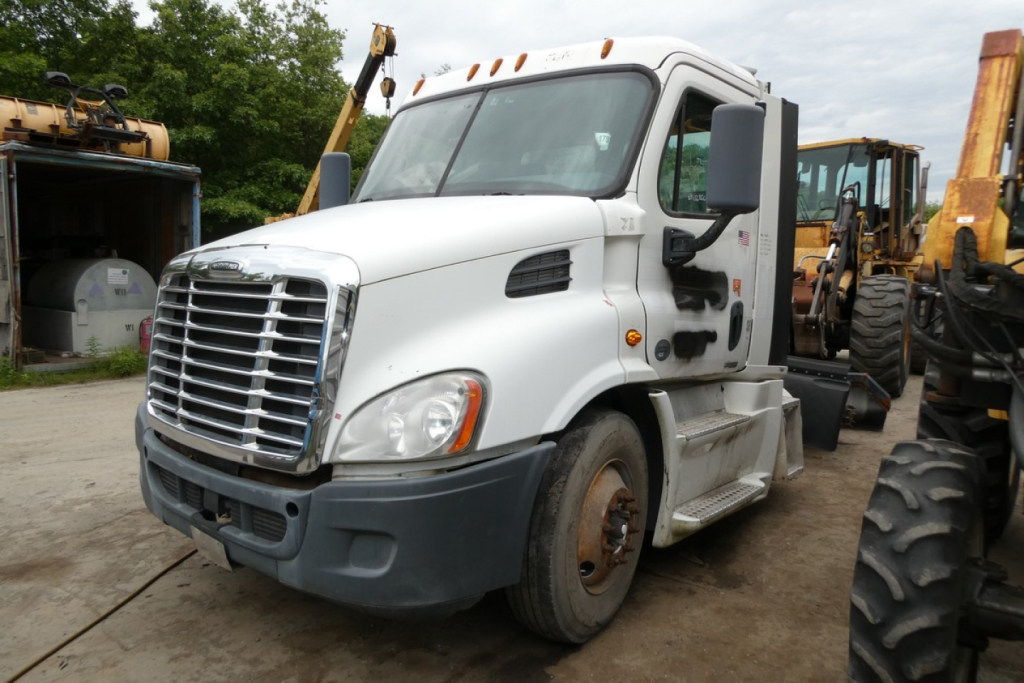
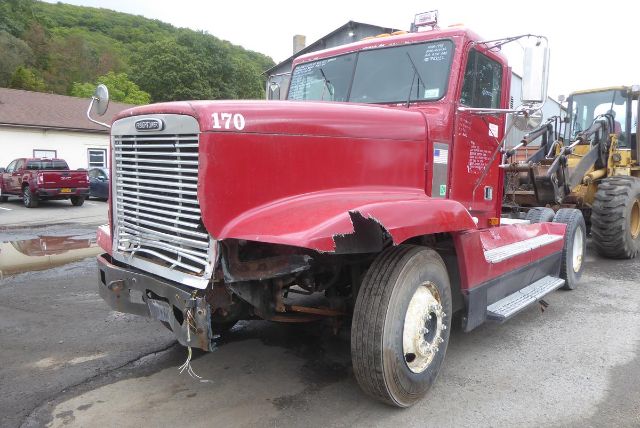
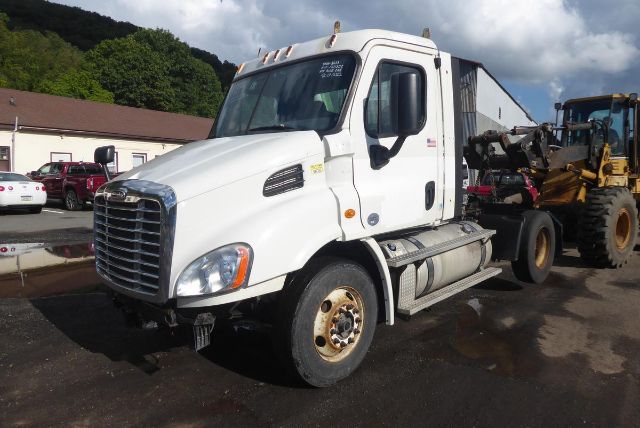
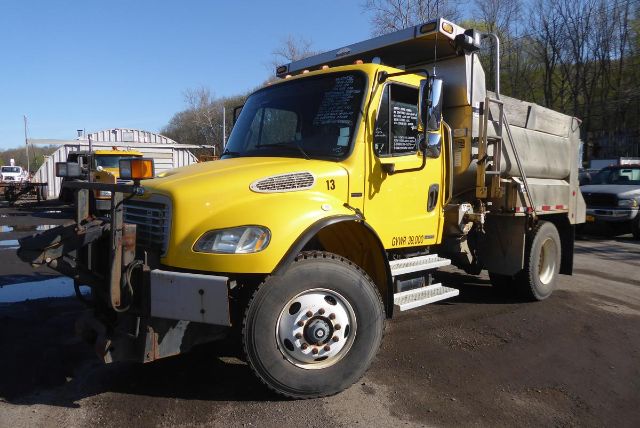
Freightliner trucks in New York, from Cascadia tractors to M2 box and dump units. Compare tare weight, floor strength, thermal integrity, and corrosion protection.
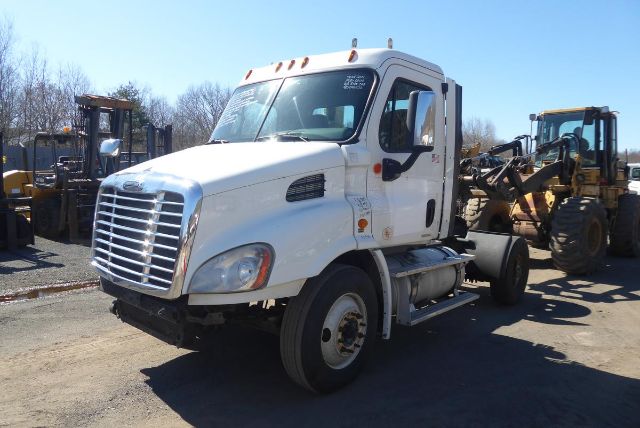
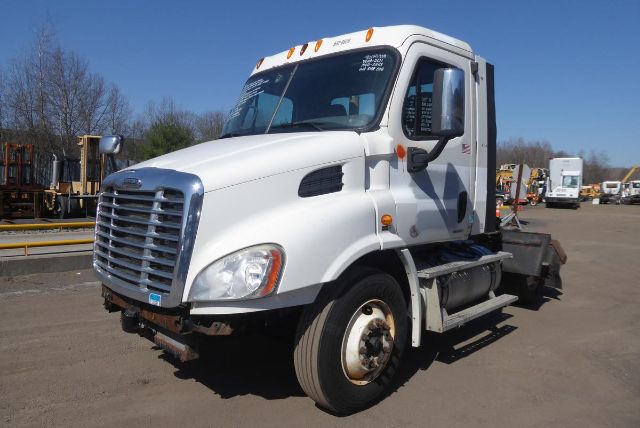
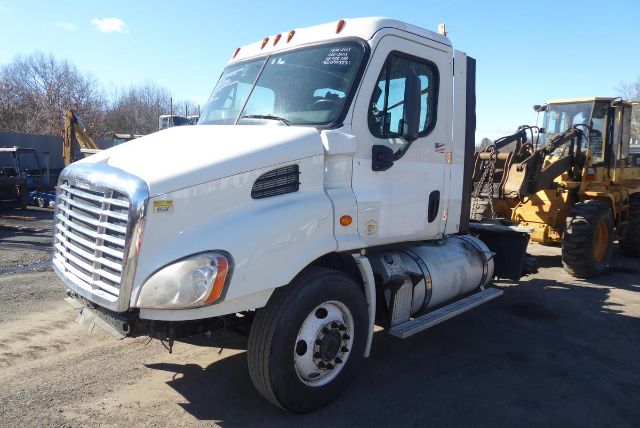
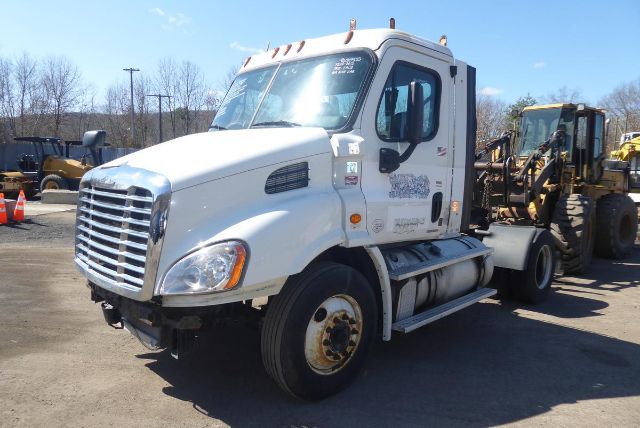
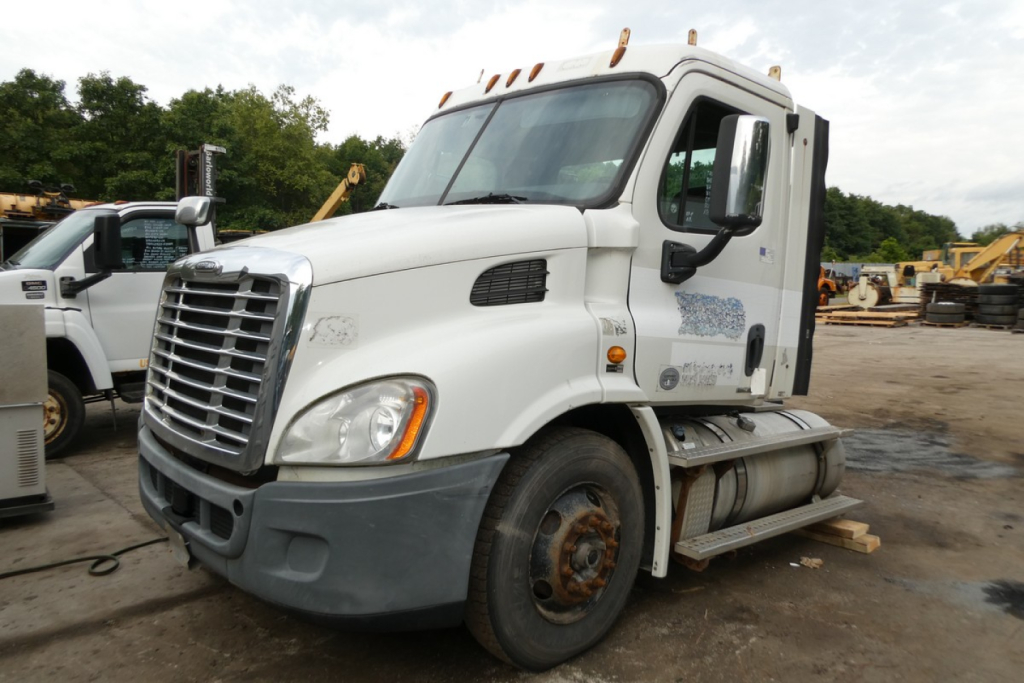
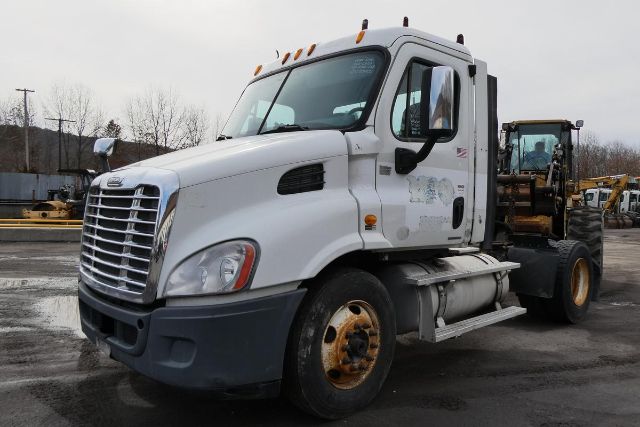
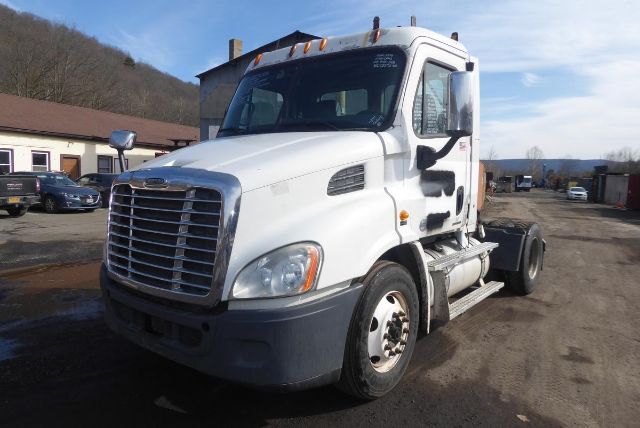
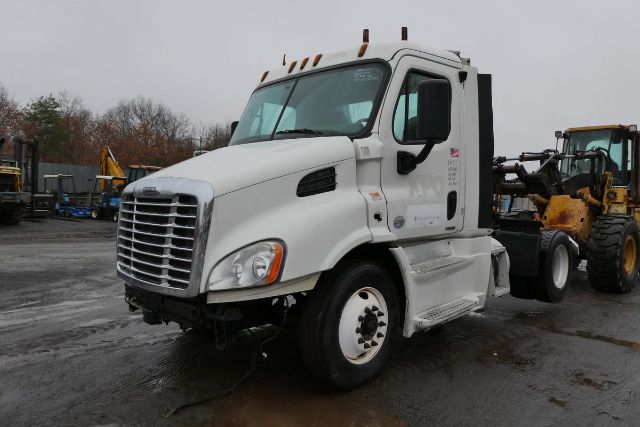

Showing 73 to 91 of 91 results
Have freightliner truck to sell? List it here to reach thousands of buyers.
Freightliner Trucks in New York
Floor strength drives uptime on straight trucks. In dry vans and reefers, look for laminated hardwood or aluminum plank floors with forklift entry ratings, 3 or 4 inch crossmembers on 10 to 12 inch centers, rear wear plates, and tall scuff liners to keep walls square. Dump bodies using AR450 or Hardox floors resist impact without adding unnecessary pounds, hinged high lift gates and reinforced corner posts keep loads inside on rough Northeast pavement. Underneath, frame rails with 120 ksi or higher yield, proper section modulus and RBM, and double frame inserts at hoist mounts or mixer posts protect alignment and reduce crack propagation.
Thermal integrity matters for refrigerated box trucks and for sleeper cabs that see winter idle cycles. Foam in place insulation, thermal breaks at door frames, tight rear seals, and insulated swing or roll up doors preserve setpoint and reduce fuel burn. In sleepers, sealed cab to bunk joints, diesel fired bunk heaters, APUs, and effective curtains keep HVAC loads down and align with New York idling limits. Spec higher amp alternators and pure sine inverters if drivers run hotel loads off battery packs between charge events.
Corrosion resistance is critical in New York road salt. Freightliner aluminum cabs, e coated frames, powder coated brackets, and sealed Deutsch harness connectors slow electrolysis and rust. Stainless or composite air tanks, aluminum battery boxes, galvanized or stainless crossmembers under van and reefer bodies, and quality undercoating on vocational chassis extend service life. Air disc brakes add consistent stopping and resist winter fade, coated calipers and hardware live longer in brine. Tire pressure monitoring, heated mirrors, heated fuel filter housings, and winter fronts stabilize cold weather reliability, while automatic traction control and interaxle locks help 6x4 tractors launch cleanly on slick streets without unnecessary tire spin.
Frequently Asked Questions about Freightliner Trucks in New York
Which Freightliner models fit New York city and regional routes best?
For dense urban and regional work, Cascadia day cabs and M2 106 straight trucks with short wheelbases improve maneuverability and curb approach angles. A DD13 or L9 with an automated manual keeps starts smooth in traffic, and 12,000 to 13,200 lb steer axles with set back geometry help with tight turns. Low height roof fairings clear borough height restrictions, and air disc brakes with collision mitigation reduce stop and go fatigue.
How do I evaluate floor strength on a Freightliner box or reefer truck?
Start with the body spec. Look for laminated hardwood or aluminum plank floors with published forklift entry ratings, 3 or 4 inch crossmembers on 10 to 12 inch centers, rear wear plates to prevent dock rash, and 12 inch or taller scuff liners to protect sidewalls. If you load heavy palletized freight, a 10 inch on center pattern and aluminum threshold plates reduce floor deflection and fastener loosening. Inspect sills and outriggers for corrosion at the frame interface, since rust there undermines floor capacity even if the deck looks sound.
What specifications improve thermal integrity for New York refrigerated operations?
Closed cell foam insulation with verified K factor, thermal breaks at door frames, tight rear seals, and insulated swing or roll up doors limit heat gain during dock time. Smooth interior liners and deep scuff plates reduce punctures that create thermal bridges. For multi stop routes, consider rear evaporators with standby, load lock tracks that do not penetrate insulation, and a heavy duty threshold to keep the rear door square. On tractors with sleepers, APUs or bunk heaters, tight cab to bunk seals, and blackout curtains lower HVAC load and fuel use in winter.
How can I protect a Freightliner chassis from New York road salt corrosion?
Prioritize an aluminum cab, e coated frame rails, powder coated brackets, and sealed wiring with Deutsch connectors. Stainless or composite air tanks, aluminum battery boxes, galvanized or stainless crossmembers under van and reefer bodies, and quality undercoating on vocational frames add years of service. Specify stainless fasteners where practical, keep drain paths open around steps and fairings, wash the undercarriage frequently in winter, and inspect frame to body interfaces where trapped brine accelerates rust.
How do axle ratings and wheelbase affect legal weights in New York?
Axle ratings set the ceiling and wheelbase determines how easily you can balance to those limits. Common regional specs use a 12,000 to 14,600 lb steer axle and 40,000 to 46,000 lb tandem drives, paired with a 200 to 230 inch wheelbase for van and flatbed work. A fifth wheel slider with adequate travel lets you fine tune the steer and drive split with different trailer kingpin settings. On straight trucks, match rear axle ratings and suspension capacity to intended payload, and ensure body placement and axle spacing meet bridge requirements while keeping turning radius acceptable for city streets.