
2003 Freightliner Trucks For Sale in New York
Shop 2003 Freightliner trucks for sale in New York. Compare medium and heavy-duty specs, engines, axle ratings, body types, and applications.
Learn more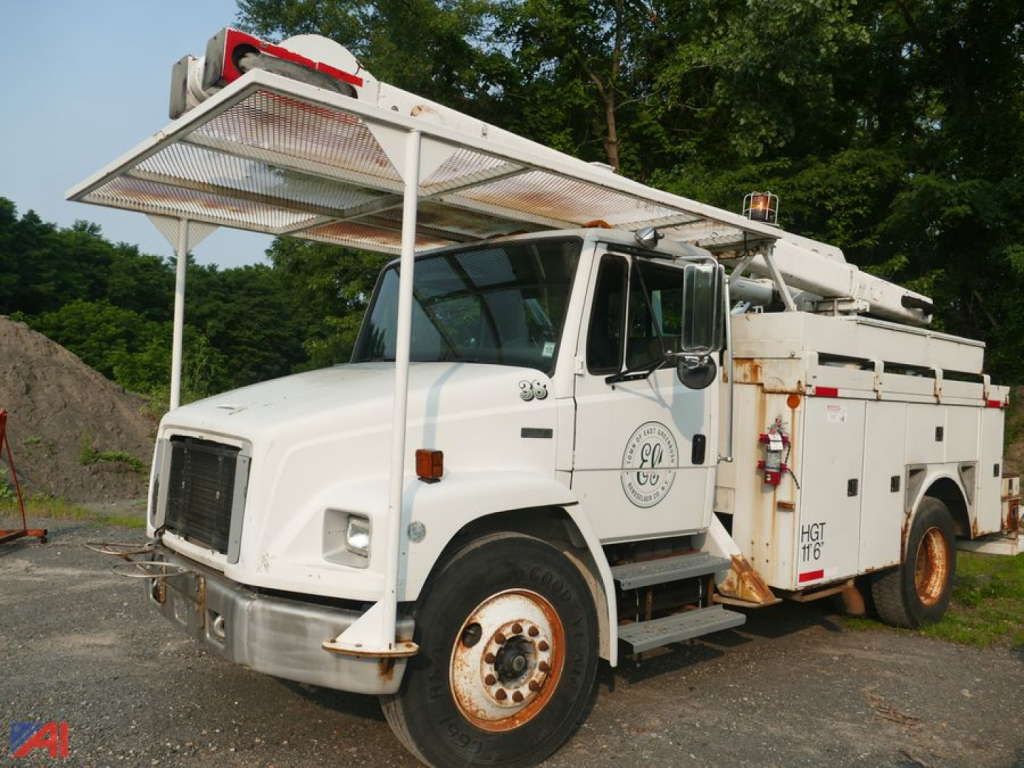
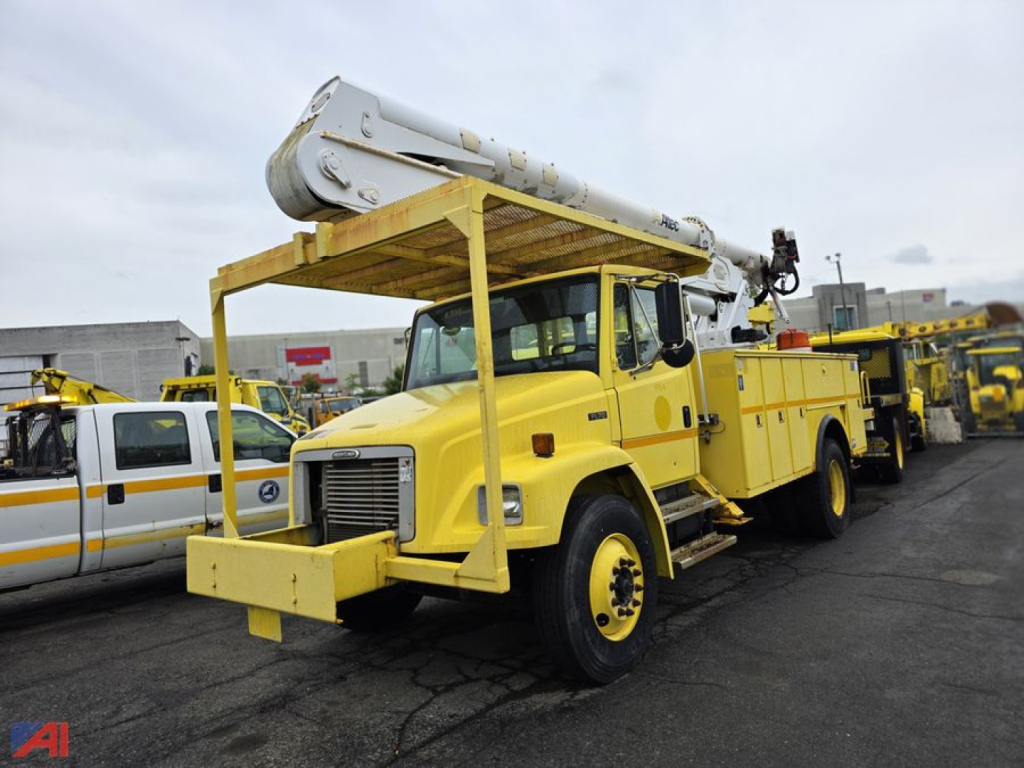
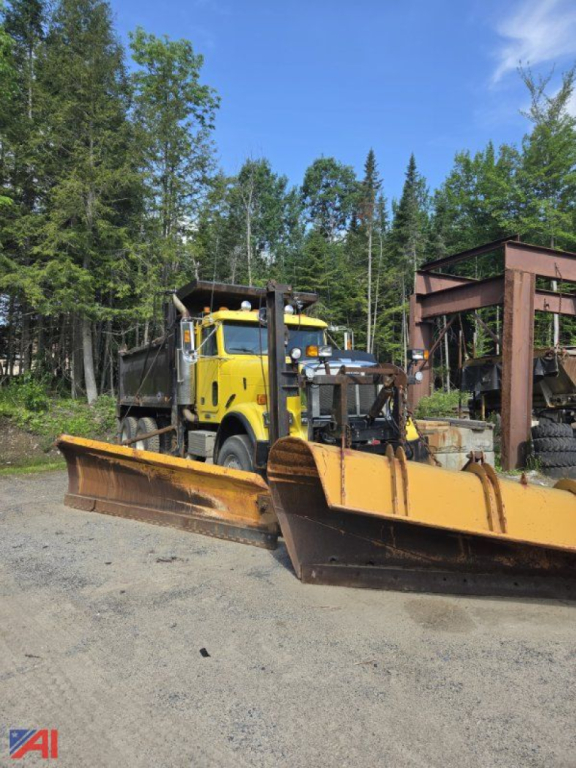
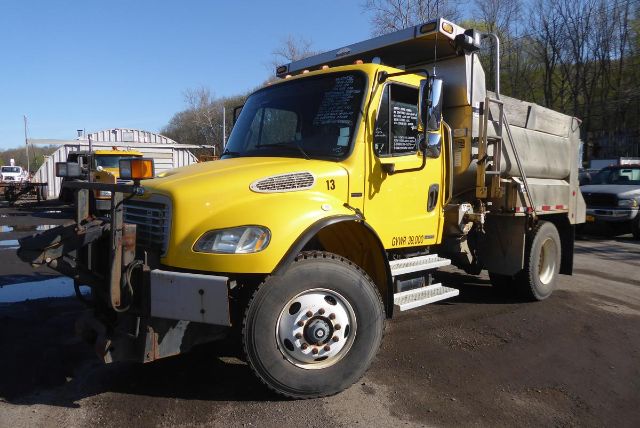
Have 2003 freightliner truck to sell? List it here to reach thousands of buyers.
About 2003 Freightliner Trucks in New York
On a 2003 Freightliner, powertrain and axle specs deserve close attention because these trucks were built with a wide range of engine and transmission combinations. Common engines from that era can include Detroit Diesel, Caterpillar, Cummins, and Mercedes-Benz offerings depending on model and original order spec. Transmission choices often include Eaton Fuller manual gearboxes, Allison automatics in medium-duty applications, and automated options on some later-configured units. Check horsepower, torque, rear axle ratio, suspension type, and GVWR against the work the truck will actually do. A delivery truck in city traffic has different needs than a tandem-axle dump or a day cab pulling a loaded trailer across the state. Wheelbase, cab-to-axle, and frame condition also matter if the truck will carry a body or be repurposed.
For used 2003 Freightliner trucks, maintenance history is often more important than mileage alone. Buyers should look closely at engine service records, clutch or transmission work, suspension wear, brake type, steering components, and signs of frame corrosion, especially in a Northeast market like New York where road salt can accelerate rust. On vocational trucks, inspect PTO operation, hoists, hydraulic lines, body mounts, crossmembers, and any evidence of hard off-road or municipal use. On highway units, pay attention to fifth wheel condition, air system health, kingpin wear patterns, and tire wear that could point to alignment or suspension issues. If emissions simplicity is a priority, 2003 trucks appeal to many buyers because they predate the later DEF systems and more complex aftertreatment found on newer models.
Freightliner remains a practical choice in this age range because parts availability is generally strong and the brand has broad service familiarity across the market. The right 2003 unit depends on its original specification, current mechanical condition, and how closely it matches the route, payload, and body requirements of the next owner. A properly spec'd Freightliner from this era can still make sense for farm use, construction support, local fleets, export, or buyers who want a straightforward truck with less electronic complexity than newer equipment.
Frequently Asked Questions
What types of 2003 Freightliner trucks are most common on the used market?
Common 2003 Freightliner trucks include medium-duty delivery trucks, box trucks, dump trucks, service bodies, and heavy-duty day cabs or road tractors. Freightliner offered several chassis families in this period, so the same model year can cover a wide range of GVWR ratings, wheelbases, axle setups, and vocational body configurations. The best choice depends on whether the truck is intended for local delivery, municipal work, construction, towing, or trailer hauling.
Are 2003 Freightliner trucks easier to maintain than newer trucks?
Many buyers consider 2003 Freightliner trucks simpler to maintain because they were built before the DEF era and before later emissions systems added more sensors, aftertreatment components, and software-related diagnostics. That does not automatically make them low-cost trucks to own. Condition still drives repair cost. A well-kept older truck with documented service can be more practical than a neglected newer one, but buyers should still inspect the engine, transmission, air system, electrical system, and frame carefully.
What should I inspect first on a used 2003 Freightliner in New York?
Start with frame rust, cab corrosion, brake system condition, suspension wear, and any evidence of salt-related damage. In New York, winter road treatment can affect frame rails, crossmembers, spring hangers, airlines, electrical connections, and body mounting hardware. After that, verify engine health, transmission operation, axle ratings, tire condition, and whether the wheelbase and cab-to-axle dimensions fit the intended job or body.
What engine and transmission options were common in 2003 Freightliner trucks?
Engine options in 2003 Freightliner trucks often included Detroit Diesel, Cummins, Caterpillar, and Mercedes-Benz diesel engines, depending on the model and application. Transmission choices commonly included Eaton Fuller manual transmissions in heavy-duty trucks and Allison automatics in many medium-duty and vocational units. Because specs vary widely by chassis and original buyer order, it is important to confirm the exact engine family, horsepower, transmission model, rear axle ratio, and suspension before purchasing.
Is a 2003 Freightliner a good fit for vocational work like dumping or local delivery?
A 2003 Freightliner can still be a strong vocational platform if the truck was originally spec'd for that work and the chassis is in sound condition. For dump or construction use, buyers should confirm PTO setup, hydraulic condition, axle capacity, suspension type, and frame integrity. For local delivery, focus on wheelbase, turning radius, body length, door access, and automatic versus manual transmission preference. The right truck is the one whose existing spec aligns closely with the intended duty cycle.