
Freightliner Box Trucks For Sale in New York
Browse Freightliner box trucks with common M2 specs, GVWR ranges, body lengths, liftgate options, and delivery-ready configurations.
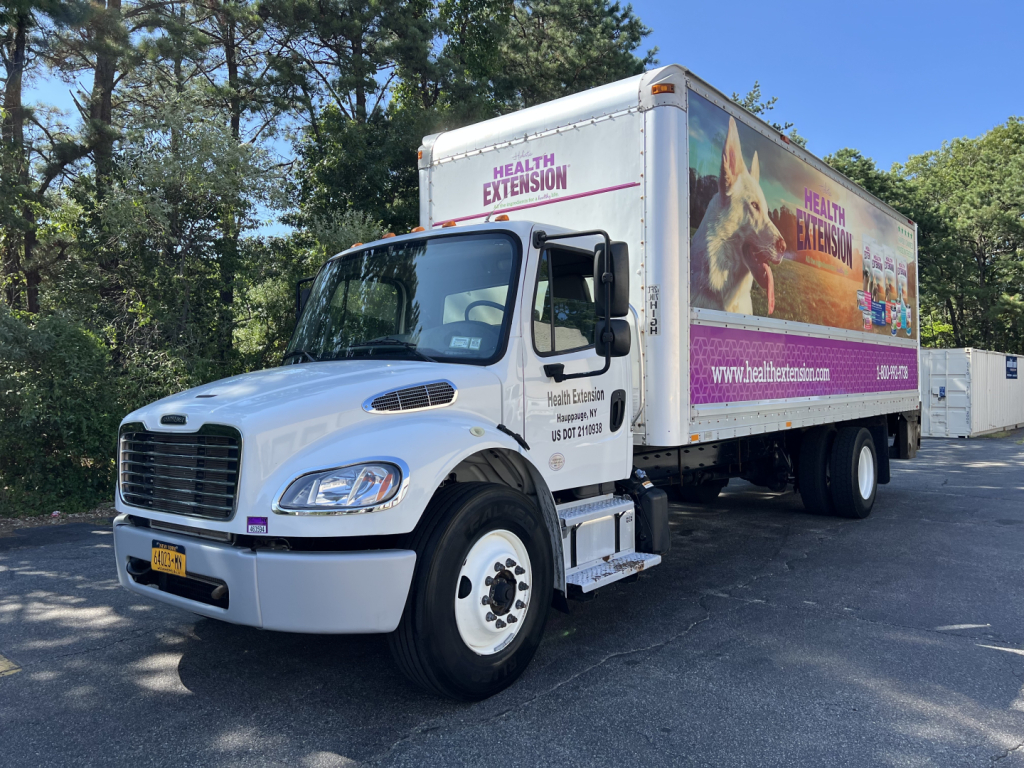
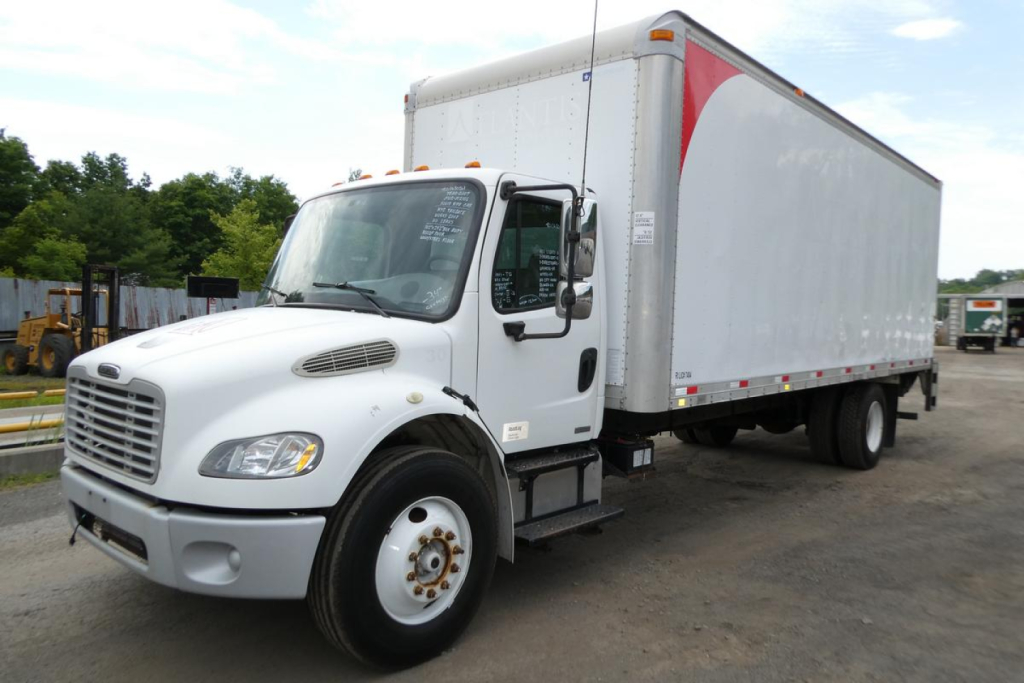
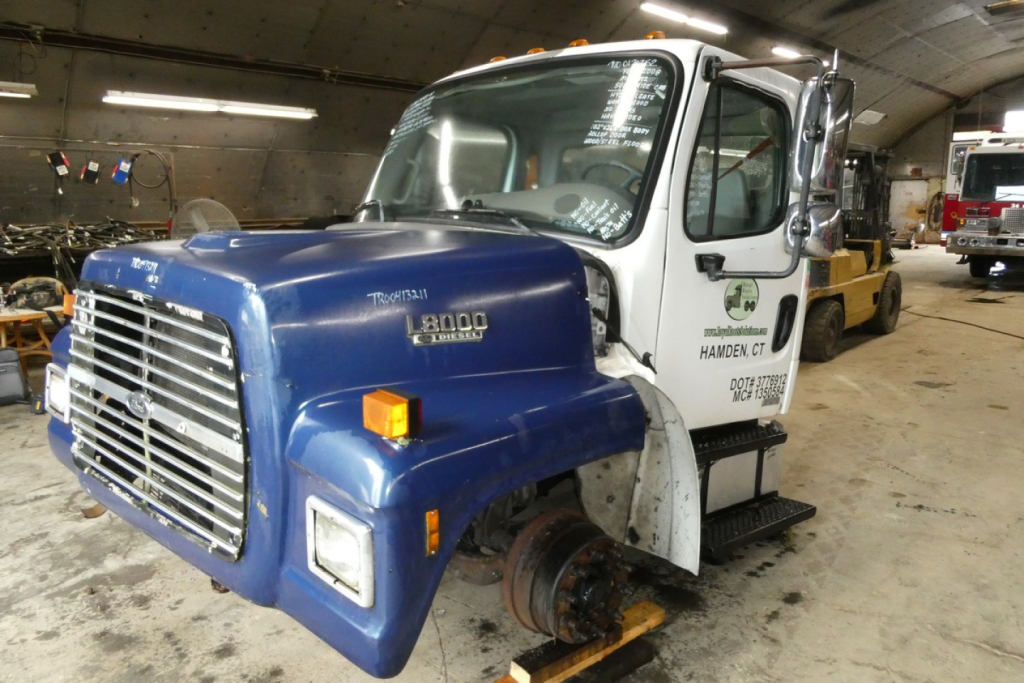
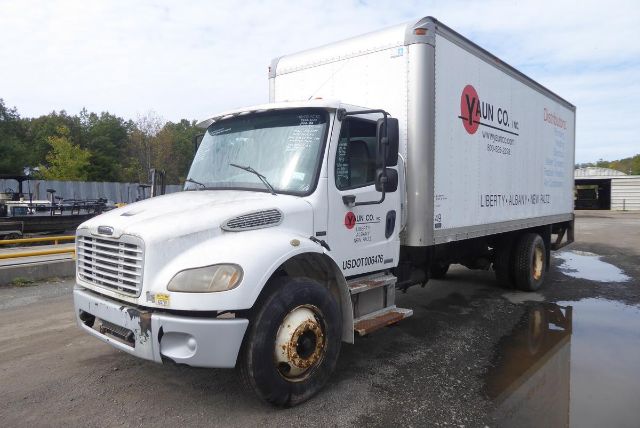
Selling a freightliner box truck? List your freightliner box truck for sale and reach thousands of commercial buyers.
Freightliner Box Trucks in New York
One of the first buying decisions is GVWR and body length. Freightliner box trucks commonly show up around 25,500 to 26,000 GVWR for non-CDL use, while heavier Class 7 versions can run around 30,000 GVWR or more depending on the chassis and local regulations. Box lengths often fall in the 22 to 26 foot range, with 96-inch or 102-inch body widths. A 22 to 24 foot body is a common fit for tighter urban delivery in New York, while a 26 foot body offers better cube for lighter, bulkier freight. Buyers should match wheelbase, cab-to-axle, and rear overhang to the body size so the truck tracks properly and leaves room for liftgate installation.
Powertrain choices vary by year, but common Freightliner box truck engines include the Cummins ISB, Mercedes MBE900 on older units, and newer Detroit medium-duty engines such as the DD5. Allison automatic transmissions are popular in delivery work because they are easy to run in stop-and-go traffic and reduce driver fatigue. Rear axle ratios, suspension type, and brake configuration matter more than many buyers expect. A deep ratio can help a loaded truck get moving in city service, while air ride suspension may protect sensitive cargo better than spring suspension. Air brakes are common on heavier M2 specs, and buyers in dense urban service should pay close attention to turning radius, front axle capacity, and tire size when comparing similar trucks.
Body details often determine real-world usefulness more than the badge on the hood. Check floor construction, logistics track placement, scuff liner condition, roof material, rear door opening height, and side door dimensions if hand unloading is part of the route. Liftgates are a major value point on Freightliner box trucks, with 2,500 to 3,000 pound platforms frequently seen on delivery-oriented specs. For New York operations, rust, frame condition, door hardware, and underbody corrosion deserve close inspection, especially on older northeastern trucks. A strong Freightliner box truck is usually one with the right body for the freight, a serviceable medium-duty drivetrain, and a GVWR that fits the business model without sacrificing payload.
Frequently Asked Questions about Freightliner Box Trucks in New York
What are the most common Freightliner box truck models and specs?
The Freightliner M2 106 is the most common box truck chassis in this category. It is frequently spec'd as a 4x2 straight truck with a 22 to 26 foot dry van body, single rear axle, automatic transmission, and GVWR ranging from about 25,500 pounds to 30,000 pounds or more. Engine choices vary by year, but Cummins, Mercedes, and Detroit medium-duty engines are all common in used Freightliner box truck listings.
Is a Freightliner box truck a good choice for non-CDL delivery work?
Yes, many Freightliner box trucks are built at 25,500 or 26,000 GVWR specifically for non-CDL applications, making them a strong fit for local delivery, moving, and route service. The key is verifying the actual door-jamb GVWR and payload capacity after the body and liftgate are installed. A non-CDL spec can be very practical, but it still needs enough axle capacity and body volume for the freight being moved.
What should I inspect on a used Freightliner box truck?
Focus on the full truck, not just the chassis. Buyers should inspect engine condition, transmission operation, brake system type and function, suspension wear, axle ratings, frame corrosion, and tire condition. On the body side, check the floor for rot or damage, the roll-up door and tracks, roof leaks, side door operation, logistics track, scuff liners, and liftgate performance. On trucks that have spent time in New York or the Northeast, rust and underbody corrosion should be examined closely.
Which transmission is better in a Freightliner box truck: automatic or manual?
For most box truck applications, an Allison automatic is the preferred setup because it performs well in stop-and-go delivery service and is easier to manage with multiple drivers. Manual transmissions can still make sense in certain vocational or lower-cost applications, but they are less common in urban delivery fleets. The best choice depends on route density, driver experience, maintenance history, and total operating cost.
What body features matter most on a Freightliner box truck?
The most important body features depend on how the truck will be loaded and unloaded. Rear door opening height and width affect dock and pallet access, while a side door helps on hand-unload routes. Floor construction, interior logistics track, scuff liners, and roof material all affect durability. A working liftgate is often essential for final-mile and retail delivery, and its capacity should match the heaviest freight normally handled.