
Freightliner Bucket Trucks For Sale in New York
Freightliner bucket trucks in New York. Compare M2 and SD chassis, boom height, insulation, payload, tare weight, thermal performance, corrosion protection.
Learn more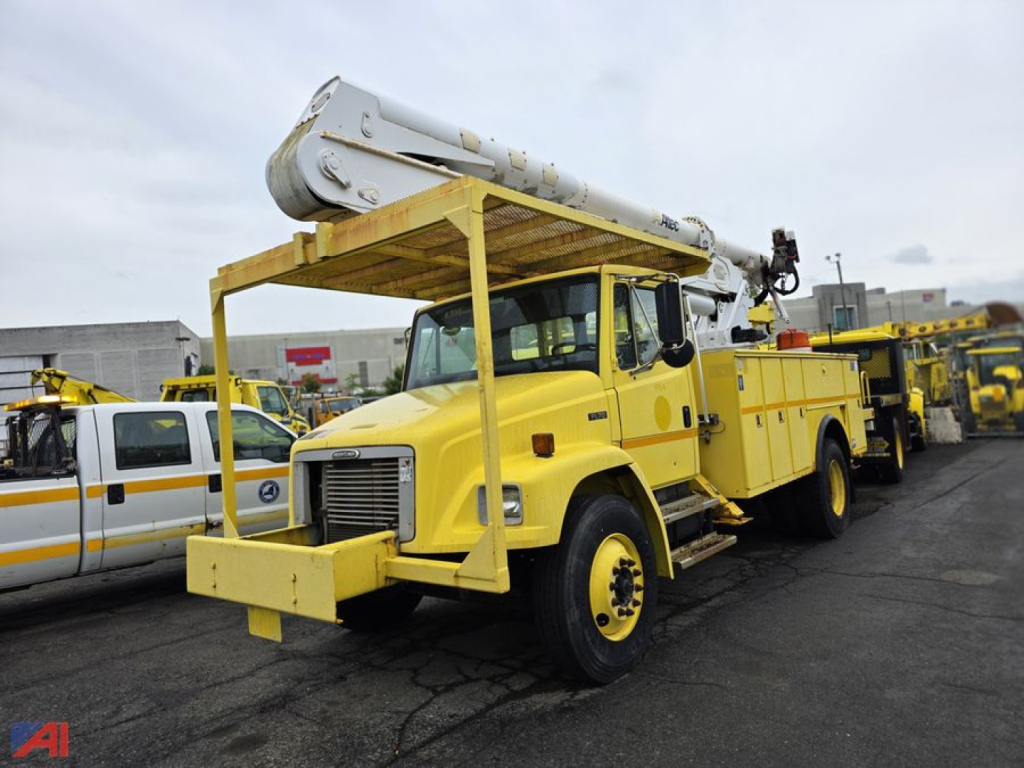
Have freightliner bucket truck to sell? List it here to reach thousands of buyers.
About Freightliner Bucket Trucks in New York
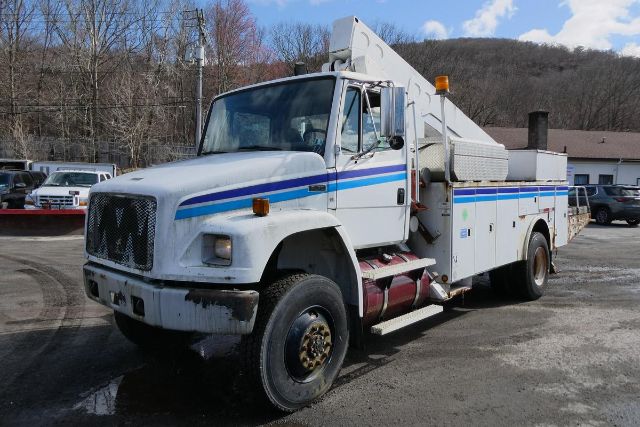
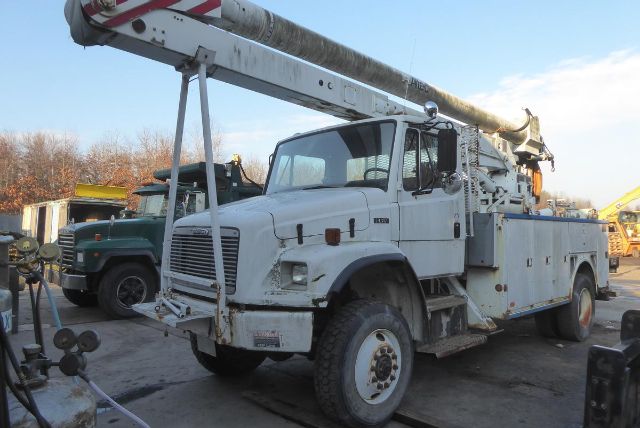
Aerial choices range from 40 to 75 foot working height with articulating telescopic booms for better side reach in tight corridors. Insulated fiberglass upper booms with Category C ratings are common for live line work up to 46 kV, non insulated steel configurations suit sign and lighting. Platform capacities typically run 300 to 600 pounds, with material handling jibs available when you need hook loads without a separate crane. Stability depends on the outrigger style, A frame or vertical, the subframe design, and how the service body distributes weight. Pay attention to floor strength in the service body, thicker tread plate floors and closer crossmember spacing resist point loads from reels, transformers, and compressors, while reinforced pedestal decks prevent flex that can affect boom alignment.
Tare weight drives payload and road manners. Aluminum or composite service bodies can cut 800 to 1,500 pounds versus steel, improving payload and braking margins, though steel bodies resist impact and heat around welding equipment. Choose hydraulic reservoirs with adequate volume, return line filtration, and oil coolers sized for summer use, thermal integrity matters in stop and hold duty where heat builds in the valves. Cold weather packages are valuable in New York, block heaters, hydraulic tank heaters, low temp fluids, and sealed outrigger leg packs keep cycle times consistent below freezing and reduce cavitation. Keep platform floor materials and bucket liners in good condition, they directly affect dielectric protection and operator safety.
Corrosion resistance is critical in New York salt and brine. Look for e coated or galvannealed cabs and bodies, hot dip galvanized outriggers and pedestals, stainless fasteners and latches, and sealed Deutsch connectors in the harness. Undercoating should cover frame rails and body mounts without trapping moisture, drain paths in compartments should remain open, and scuff plates in bins prevent coating damage from tools. For urban work, target a compact wheelbase and stow height under 13 feet 6 inches, add automatic traction control and locking differentials for winter access, and consider auto idle and PTO speed controls that maintain hydraulic performance without excessive soot loading in stop and go routes. Verify dielectric test currency, boom end play limits, and outrigger holding valves as part of any pre purchase inspection.
Frequently Asked Questions
Which Freightliner chassis works best for a 55 to 60 foot insulated bucket in New York?
For most 55 to 60 foot insulated articulating telescopic booms, a Freightliner M2 106 or 108SD with a mid to long wheelbase provides adequate frame RBM and axle ratings. The 108SD offers higher front axle and RBM options when a material handling jib, larger pedestal, or heavier service body is specified. Match the wheelbase and frame extensions to the upfitter’s subframe, and confirm axle ratings cover curb weight, payload, and outrigger reaction loads.
How do I balance tare weight and payload on a bucket truck without sacrificing durability?
Use an aluminum or composite service body to reduce tare weight, pair it with a steel or galvanized subframe where the boom pedestal and outriggers mount. Specify thicker floor plate only where needed, such as pedestal decks and compartment floors under heavy reels, and choose lightweight drawers and shelves. Select a hydraulic package sized for duty cycle rather than oversizing components that add mass. Verify actual curb weight on a scale, then check axle splits to ensure legal payload within GVWR and GAWR.
What corrosion protection should I prioritize for New York salt exposure?
Prioritize e coated or galvannealed cabs and bodies, hot dip galvanized outrigger legs and pedestals, stainless hinges and hardware, sealed Deutsch connectors, and heat shrunk splices. An asphaltic or wax based undercoating with open drain paths prevents moisture entrapment. Compartment door seams and the service body floor to wall interface should be seam sealed. Rinse intervals, especially around outrigger pockets and subframe channels, will extend life significantly.
What boom specifications matter most for live line work?
Focus on dielectric rating and maintained insulation, typically Category C up to 46 kV, platform liner condition, and annual dielectric testing records. Verify upper boom and bucket are fiberglass, confirm lower boom and elbow insulation as required, and check for continuous or non continuous rotation depending on your work methods. Platform capacity, side reach, and jib or winch ratings must support your tooling and hardware without exceeding chart limits.
How do cold temperatures affect hydraulic and electrical performance on bucket trucks?
Cold weather increases oil viscosity and electrical resistance, which slows boom functions and stresses starters and batteries. A cold weather package with block heater, hydraulic tank heater or return line heater, low temperature hydraulic fluid, and winter rated batteries preserves thermal integrity and keeps cycle times consistent. PTO speed control, correct relief settings, and clean return filtration reduce heat generation in summer and prevent sluggish operation in winter.