
2020 Freightliner Trucks For Sale in New York
Browse 2020 Freightliner trucks for sale in New York, including Cascadia and vocational models with modern powertrains, safety tech, and fleet specs.
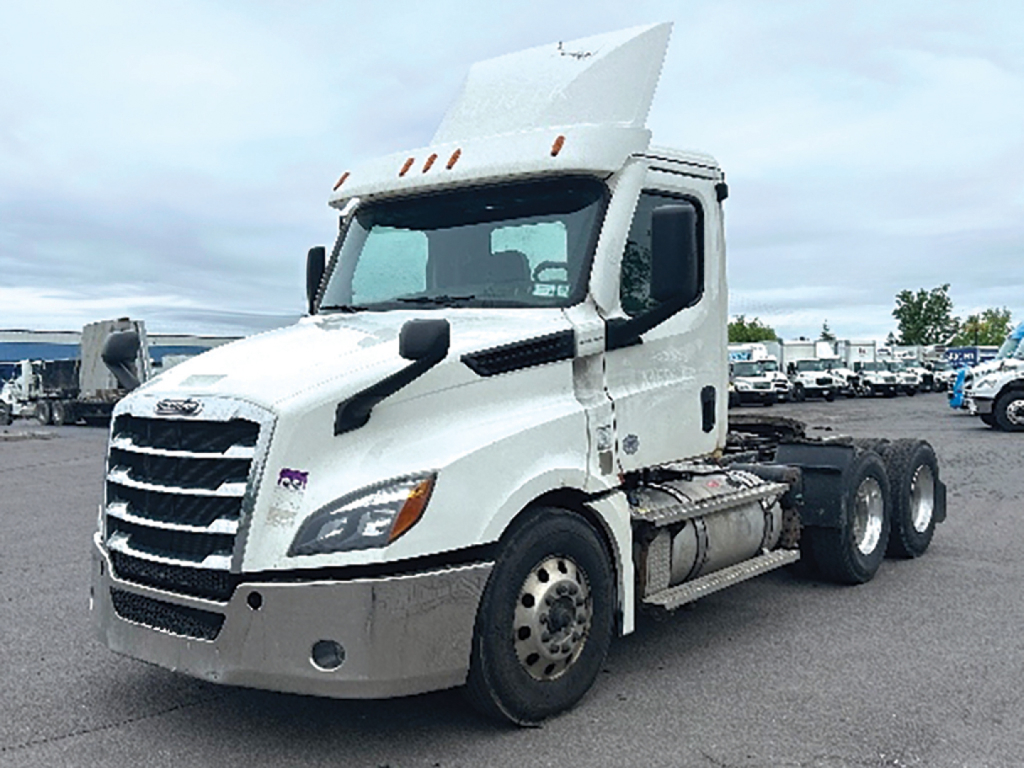
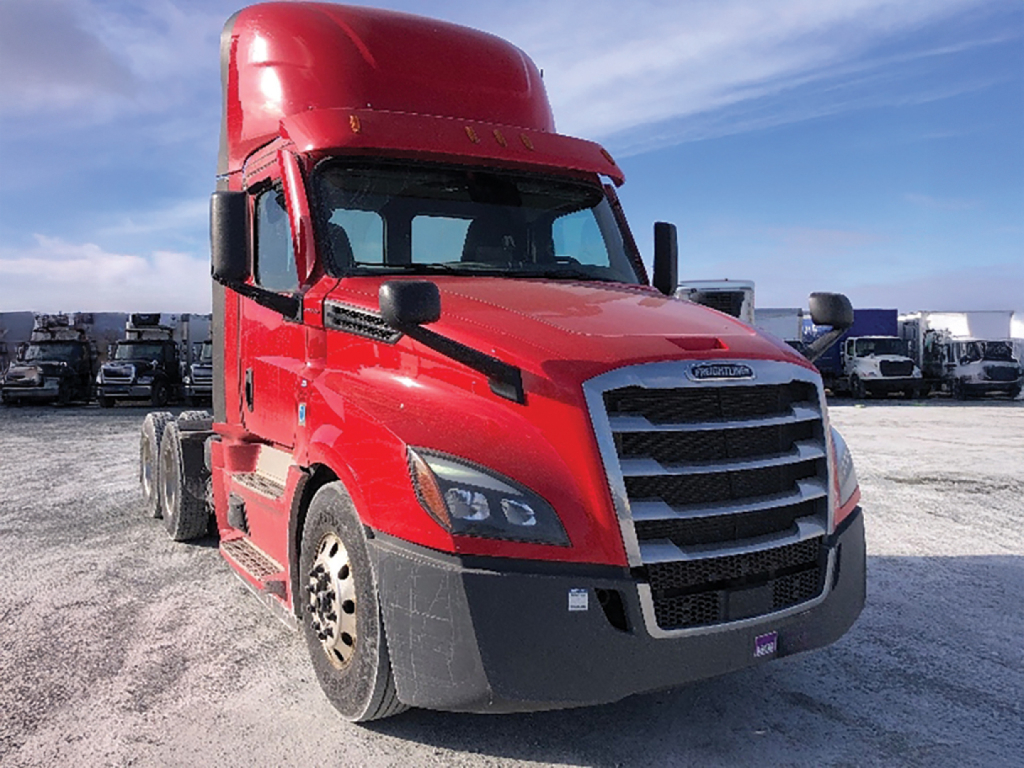
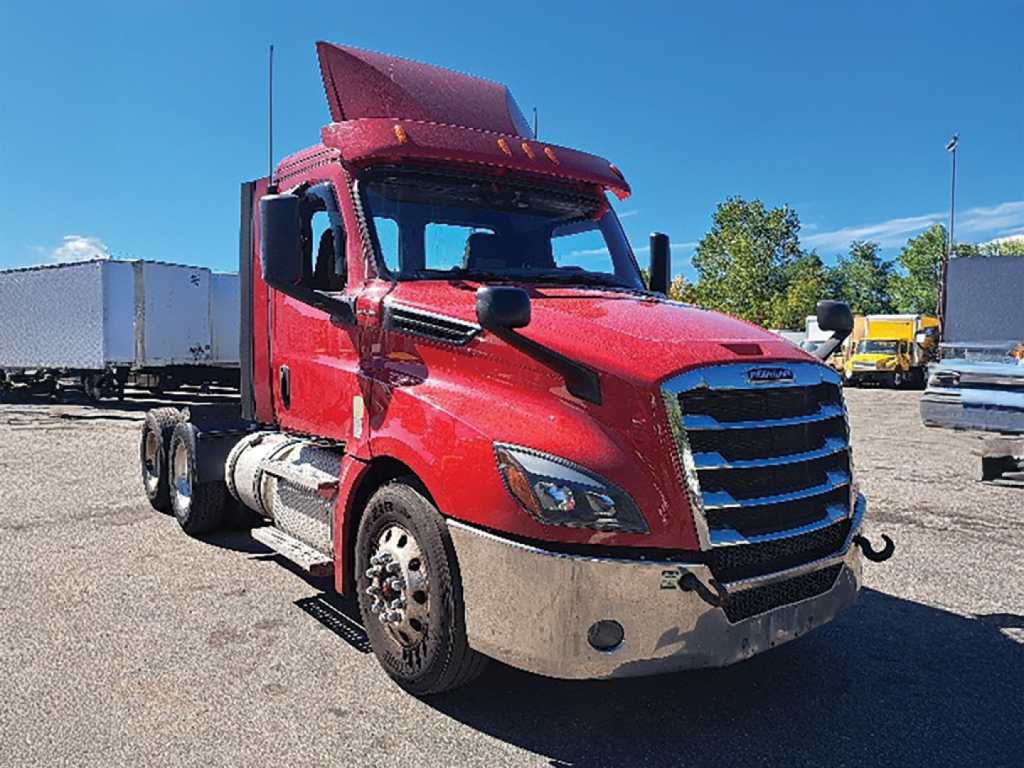
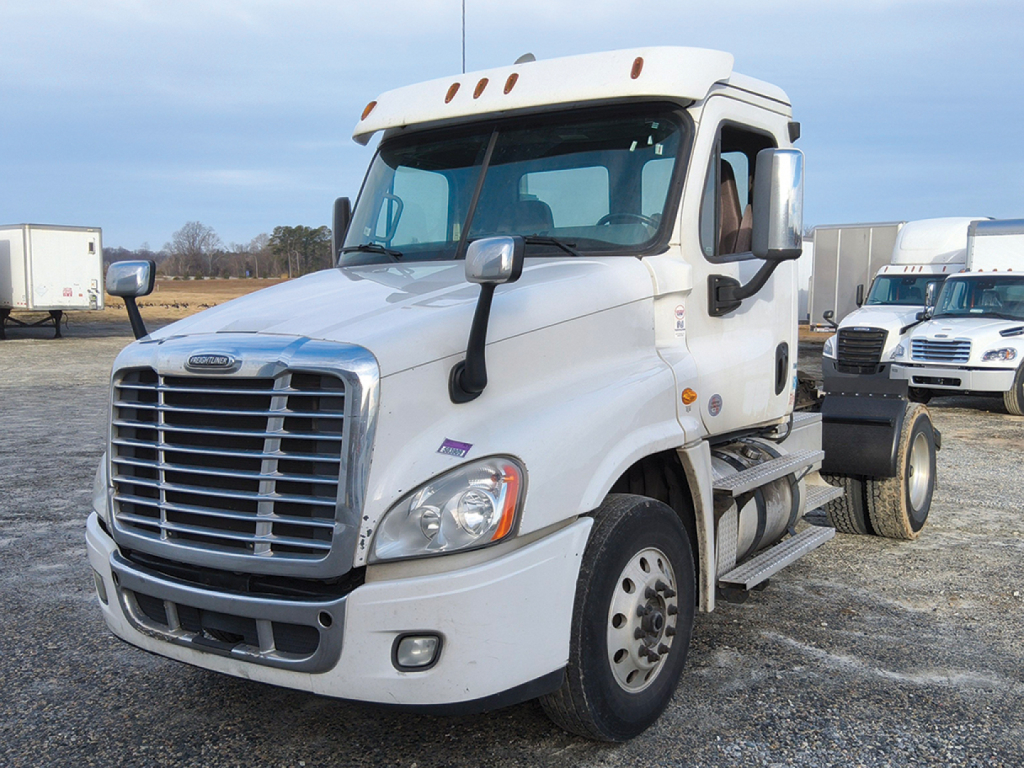

Have 2020 freightliner truck to sell? List it here to reach thousands of buyers.
2020 Freightliner Trucks in New York
The biggest buying decision is application. A 2020 Freightliner day cab is typically set up for local and regional freight, port work, dedicated lanes, tanker, dump, or terminal operations, while sleeper tractors are better suited to longer runs and team service. Buyers should look closely at horsepower, torque rating, rear axle ratio, and whether the truck has a single or tandem rear axle. A DD15 with a 3.08, 3.23, or 3.36 ratio can be a solid fit for general freight and fuel-conscious linehaul, while more demanding vocational or heavy-haul setups may call for different gearing, frame specs, PTO provisions, or suspension packages. Fifth wheel style, sliding range, and wheelbase also affect trailer compatibility, bridge law flexibility, and turning radius.
By 2020, Freightliner had refined many of the features fleets care about most, including aerodynamic bodywork, collision mitigation systems, improved visibility, better dash layout, and integrated powertrain controls. On used units, buyers should pay attention to service history, idle hours, aftertreatment maintenance, fault code history, and software updates for the Detroit engine and transmission. It is also worth checking for disc versus drum brakes, tire condition, fairings, fuel tank capacity, and cab spec details such as power windows, bunk heater, inverter prep, and driver-assist features. In northern states, corrosion on frames, crossmembers, battery boxes, and cab steps deserves extra scrutiny, especially on trucks that have seen repeated winter road salt exposure.
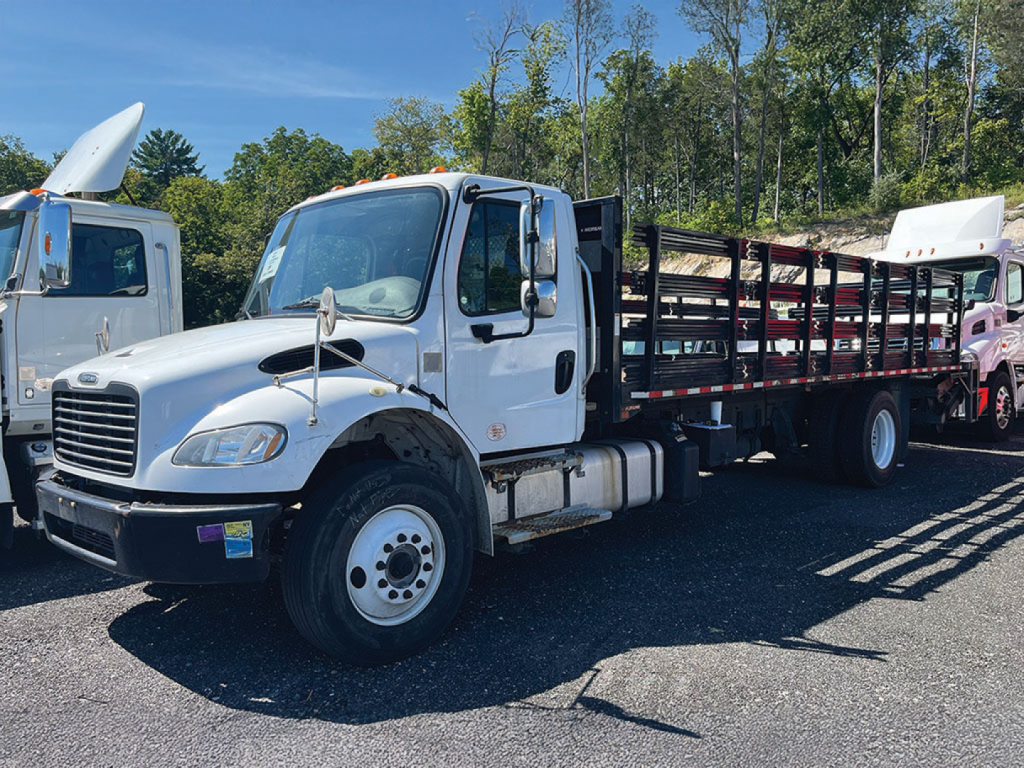
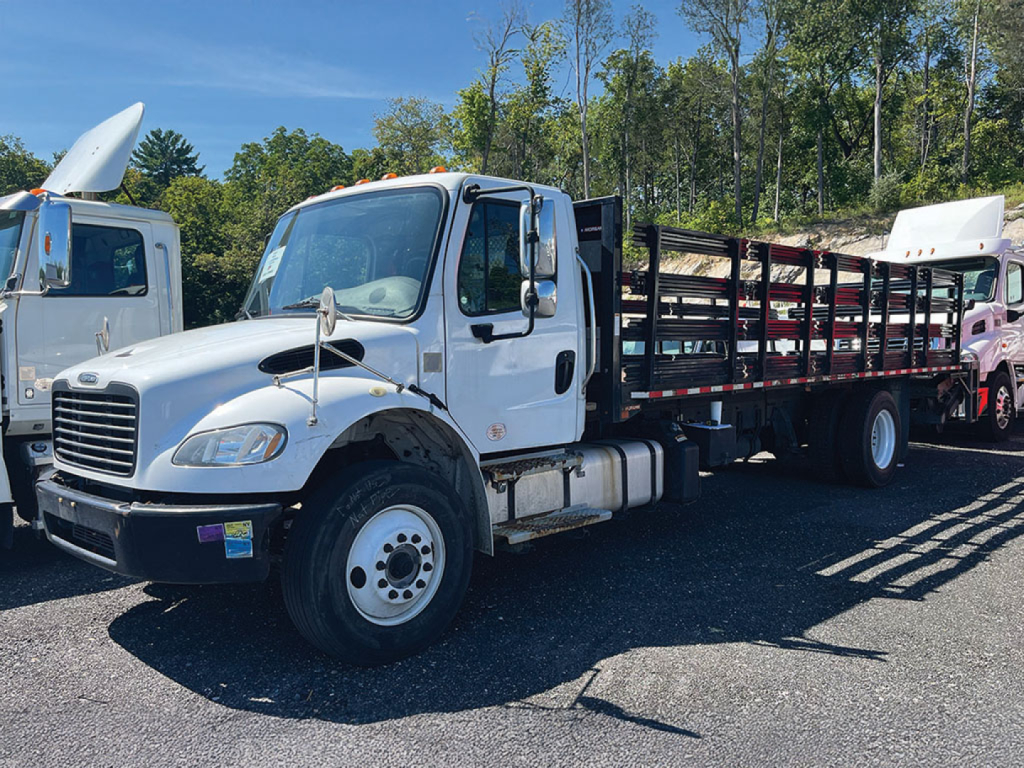
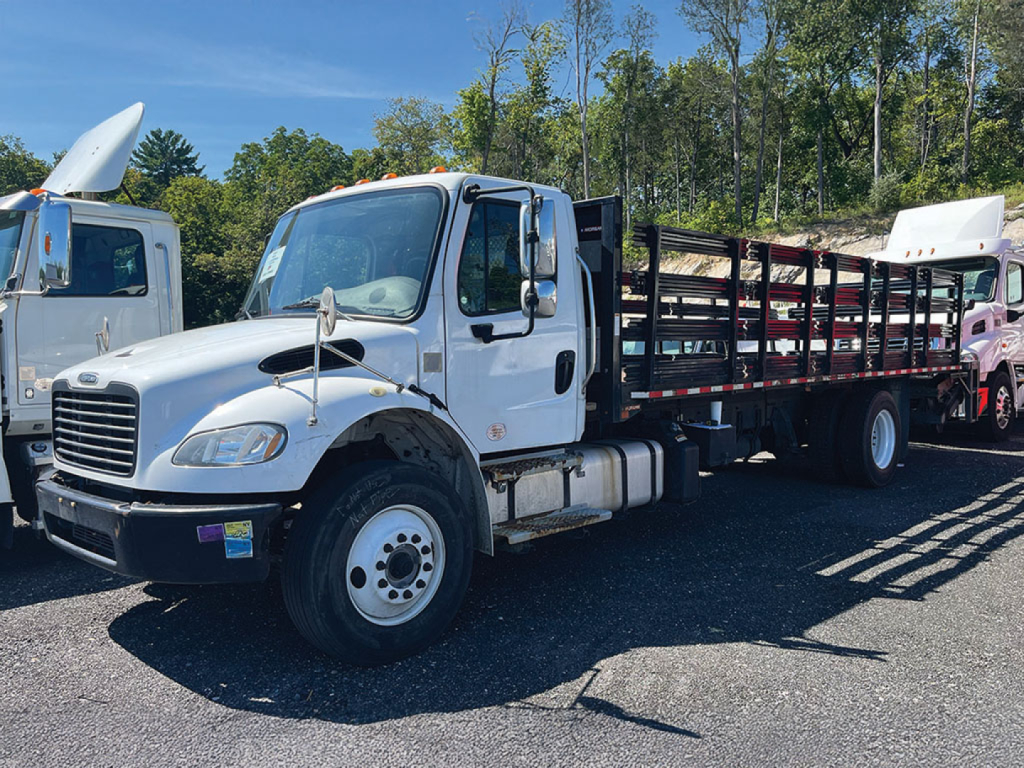
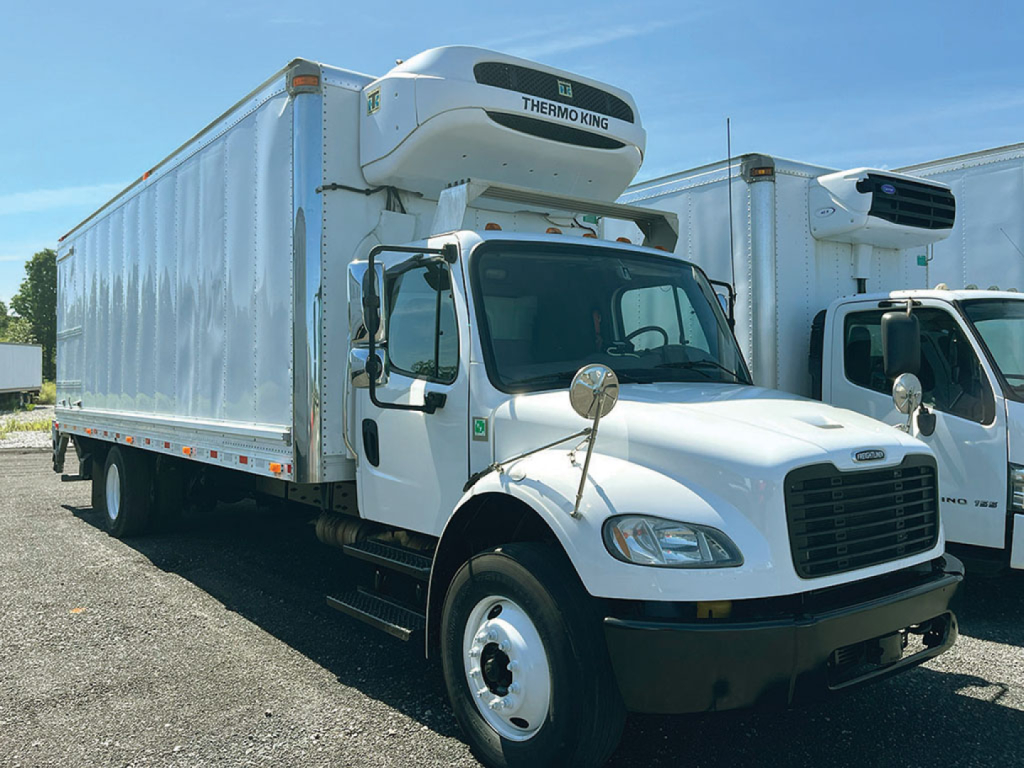
Freightliner trucks also cover a broad vocational range beyond conventional road tractors. Depending on configuration, a 2020 Freightliner could be equipped as a straight truck, box truck, rollback, utility body, dump truck, or other specialized chassis. Buyers comparing listings should focus less on badge alone and more on the actual build sheet: GVWR, axle ratings, frame rail strength, PTO capability, body integration, and maintenance support. That is where a 2020 Freightliner often stands out. Parts availability is broad, Detroit powertrain support is widespread, and the platform is familiar to fleet shops and independent service providers across New York and the Northeast.
Frequently Asked Questions about 2020 Freightliner Trucks in New York
What engines are common in a 2020 Freightliner truck?
For highway tractors, the most common engines are the Detroit DD13 and DD15. The DD13 is often chosen for lighter weight regional work and fuel efficiency, while the DD15 is more common in linehaul and heavier-duty applications where higher horsepower and torque are needed. In vocational or medium-duty Freightliner trucks, engine choices can vary by chassis and body application, so buyers should confirm the exact engine family, horsepower rating, emissions equipment, and maintenance history on each truck.
Is a 2020 Freightliner Cascadia a good choice for regional or over-the-road hauling?
Yes, the 2020 Cascadia is widely used in both regional and over-the-road service. The right fit depends on the cab configuration, wheelbase, engine rating, transmission, and rear axle ratio. Day cabs are generally better for local and regional routes with frequent stops, while sleepers are built for longer dispatch cycles. Buyers should match the truck's gearing, fuel capacity, and cab layout to the actual freight pattern rather than assuming all Cascadias are spec'd the same.
What should I inspect first on a used 2020 Freightliner truck?
Start with engine hours, mileage, maintenance records, and any active or stored fault codes. After that, inspect the aftertreatment system, transmission operation, suspension condition, brake wear, tire wear pattern, and signs of corrosion on the frame and undercarriage. On a fleet-spec truck, it is also important to verify whether collision mitigation, adaptive cruise, and other electronic systems are functioning properly, because repair costs on those components can add up quickly.
Are 2020 Freightliner trucks expensive to service and repair?
Service costs are generally manageable because Freightliner has strong parts availability and widespread dealer and independent repair support. That said, maintenance expense depends heavily on how the truck was spec'd and maintained. A well-documented truck with regular PM service, clean emissions history, and current software updates is usually a safer buy than a cheaper truck with incomplete records. Buyers should budget for normal wear items such as brakes, tires, batteries, suspension components, and emissions-related repairs.
What specs matter most when comparing 2020 Freightliner trucks for sale?
The key specs are engine model and horsepower, transmission type, rear axle ratio, axle ratings, suspension, wheelbase, fuel capacity, and brake configuration. For tractors, fifth wheel setup and intended trailer type are also important. For vocational trucks, GVWR, PTO capability, frame reinforcement, and body compatibility matter just as much as the cab and engine. The best listing is not simply the newest or lowest-mile truck. It is the one with a spec that matches the work.