
2010 Freightliner Trucks For Sale in New York
Browse 2010 Freightliner trucks for sale in New York. Compare Cascadia-era specs, engines, axle ratings, wheelbases, and day cab applications.
Selling a 2010 freightliner truck? List your 2010 freightliner truck for sale and reach thousands of commercial buyers.
2010 Freightliner Trucks in New York
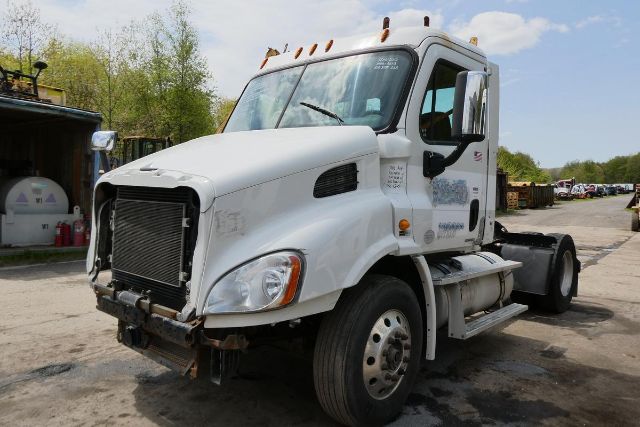
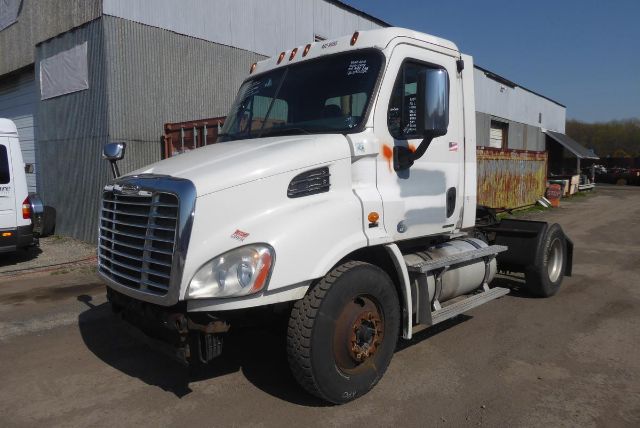
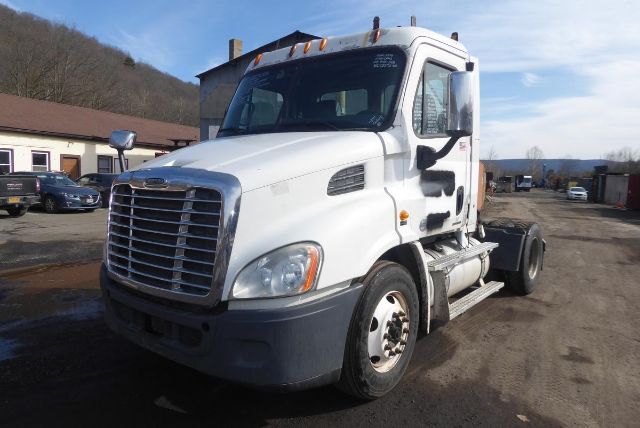
For highway and regional tractor use, a 2010 Freightliner commonly shows up as a conventional day cab or sleeper with Detroit Diesel, Cummins, or Mercedes-era power, paired to Fuller manual, automated manual, or Allison transmissions depending on vocation. Key checkpoints include engine family, horsepower and torque rating, rear axle ratio, suspension type, and whether the truck is set up for fuel economy or start-stop urban work. A buyer comparing tractors should pay attention to front axle ratings around 12,000 pounds, rears in the 23,000 to 40,000 pound range, AirLiner suspension configurations, 5th wheel style, and wheelbase. In tighter Northeast operations, a shorter wheelbase day cab can be a better fit for terminals, city streets, and transfer work than a long wheelbase highway setup.
Because 2010 sits in the early DEF-era transition for many heavy-duty trucks, emissions compliance matters. Some 2010 Freightliner trucks use EGR-only configurations, while others may have more complex aftertreatment depending on engine and GVWR class. That affects maintenance planning, downtime risk, and operating cost. Buyers should verify engine hours against odometer readings, check for fault history, inspect DPF and SCR components where equipped, and look at cooling system condition, turbo response, and engine brake operation. On used Freightliner trucks, cab electrical health, dash function, corrosion at connectors, frame condition, and suspension wear are especially important in Northeast service environments where road salt can shorten component life.
Freightliner remains a practical used-truck choice because the platform is widely understood by independent shops, fleet technicians, and dealers. That makes a 2010 Freightliner attractive to buyers who want a truck that can be repaired without hunting for rare parts or brand-specific service expertise. The best match comes down to route profile and payload. A regional day cab with a direct-drive or overdrive transmission and moderate rear ratio suits short highway runs, while a heavier tandem setup with higher capacity rears and a more aggressive ratio is better for dense freight, construction support, or severe-duty starts. On any 2010 truck, condition and prior maintenance history matter more than badge alone, especially around emissions systems, clutch or automated transmission behavior, brake type, and frame integrity.
Frequently Asked Questions about 2010 Freightliner Trucks in New York
What should I check first on a 2010 Freightliner truck?
Start with the engine, transmission, axle ratings, and emissions system because those four areas determine operating cost and application fit. Confirm the engine model, horsepower, torque, and whether the truck uses EGR-only or a DEF-based setup. Then review transmission type, rear axle ratio, suspension, GVWR, and wheelbase to make sure the truck matches the intended route and payload. On a used 2010 Freightliner, service records, fault codes, engine hours, and corrosion condition are often more important than odometer mileage by itself.
Are 2010 Freightliner trucks good for regional day cab work?
Yes, many 2010 Freightliner trucks are well suited for regional and local day cab service, especially conventional tractor configurations with practical wheelbases and common drivetrain specs. Freightliner day cabs are widely used for terminal work, short-haul freight, intermodal, and city-to-city regional runs because they are generally easy to service and parts are broadly available. The right setup depends on axle ratio, suspension, and cab-to-axle dimensions, which affect maneuverability, ride quality, and trailer compatibility.
Do 2010 Freightliner trucks have emissions systems that are expensive to maintain?
They can, depending on the engine and exact configuration. The 2010 model year falls near a major emissions transition period, so maintenance cost can vary substantially between EGR-focused trucks and trucks with more advanced aftertreatment systems. Buyers should inspect the DPF, SCR components if equipped, sensors, wiring, and cooling system, because neglected emissions maintenance can lead to derates and downtime. A truck with documented repairs and clean diagnostic history is usually a better risk than one with vague emissions status.
What axle and suspension specs are common on used Freightliner tractors from this era?
Common heavy-duty Freightliner tractor specs from this era include a 12,000-pound front axle and tandem rears ranging from about 23,000 pounds up to 40,000 pounds, often with AirLiner suspension. Those ratings vary by vocation, with lighter tandem setups common in regional service and heavier combinations used for more demanding freight or vocational applications. Buyers should match suspension capacity, frame setup, and 5th wheel position to the trailers and gross weights they expect to handle.
Is a 2010 Freightliner still a practical truck to own in New York?
For many buyers, yes. A 2010 Freightliner can still be a practical ownership choice in New York because the brand has strong service familiarity, broad parts support, and many technicians who know the platform. The main concern is not age alone but how the truck handled Northeast conditions such as road salt, heavy traffic, and cold-weather starts. A solid frame, healthy electrical system, and verified emissions condition are especially important for trucks that have spent years in this region.