
2013 Freightliner Trucks For Sale in New York
Shop 2013 Freightliner trucks for sale, including Cascadia models, with details on Detroit engines, axle ratings, wheelbases, and specs.
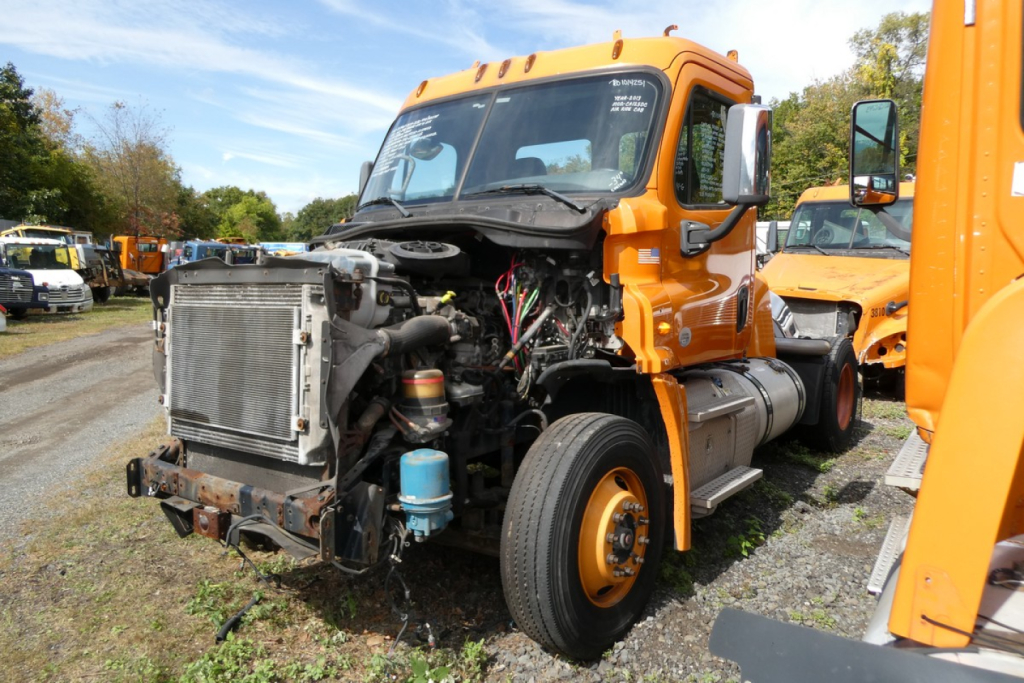
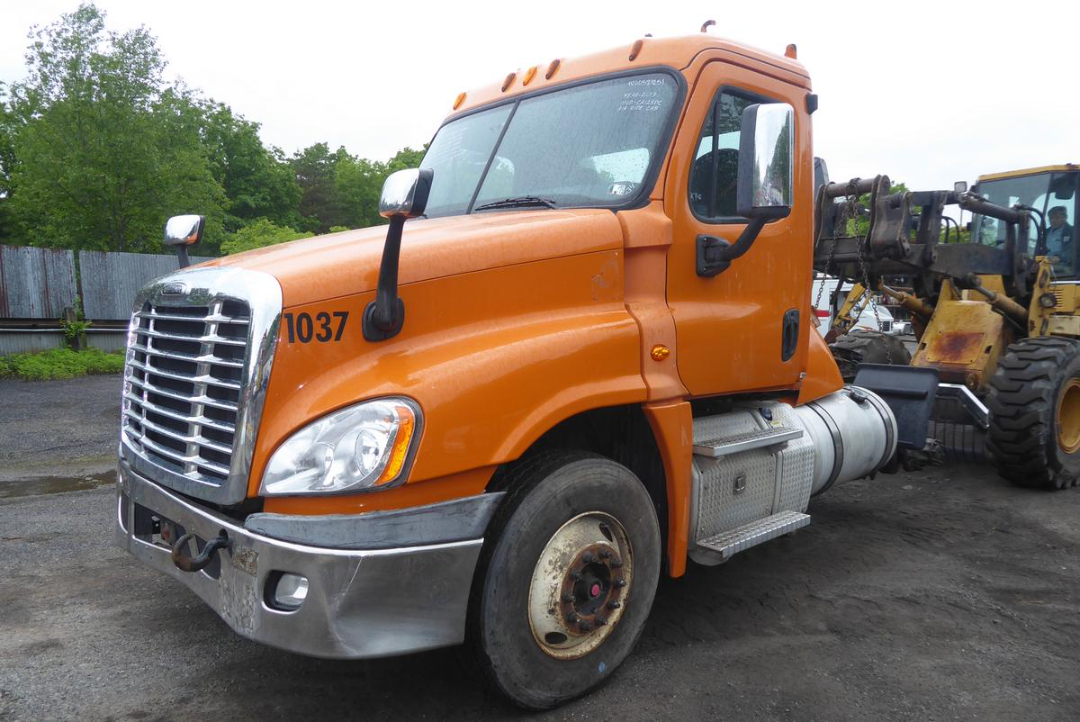
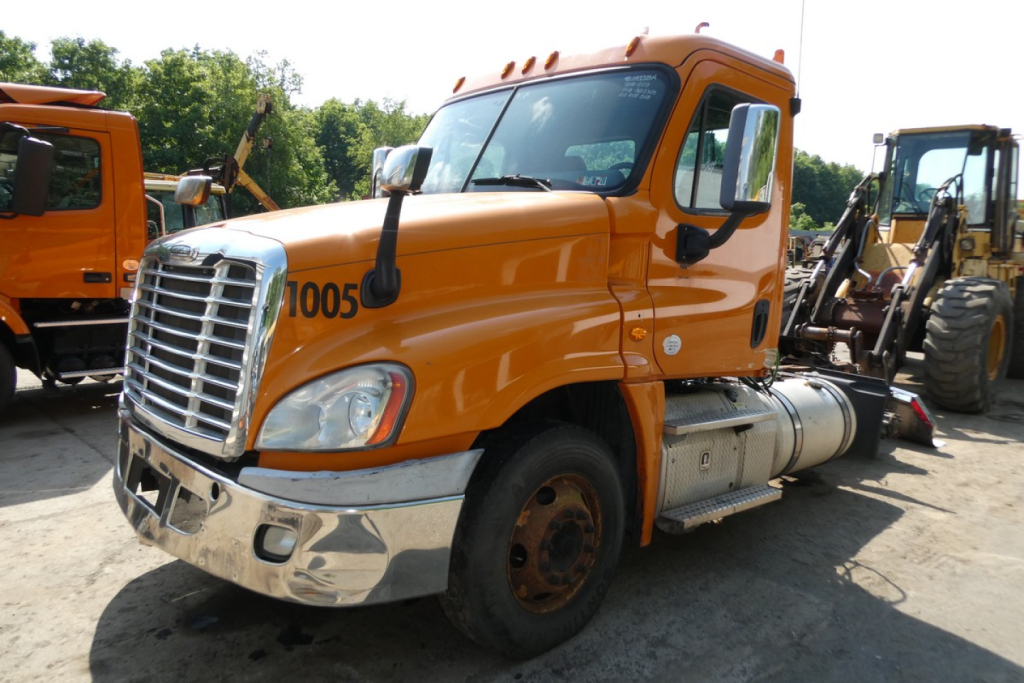
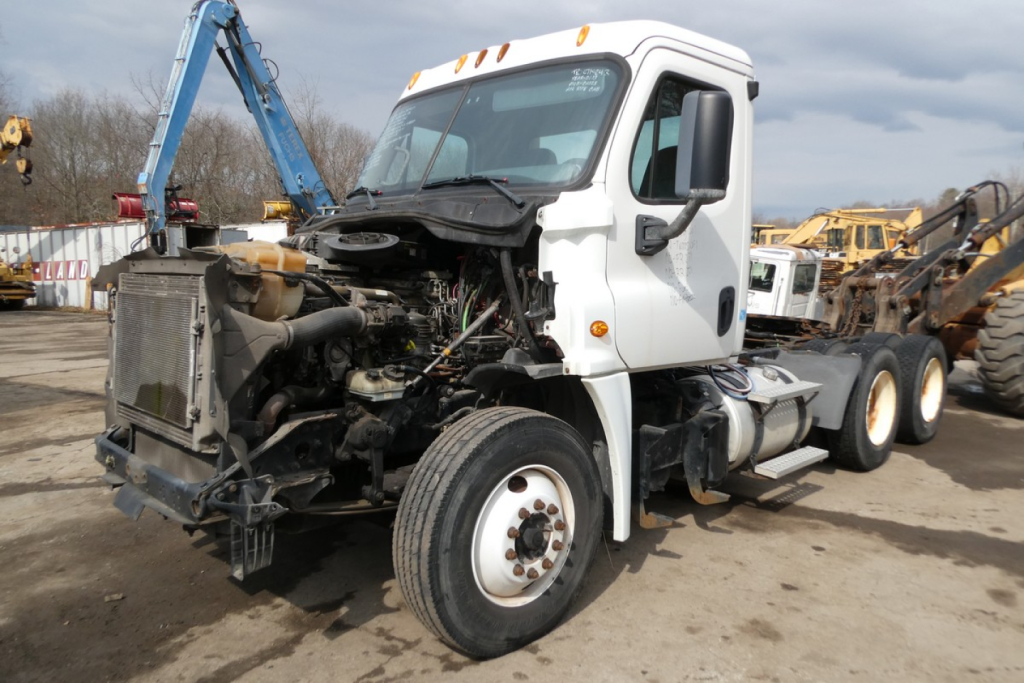
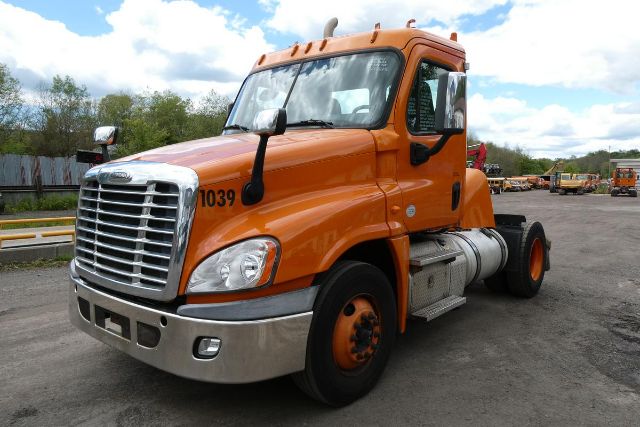
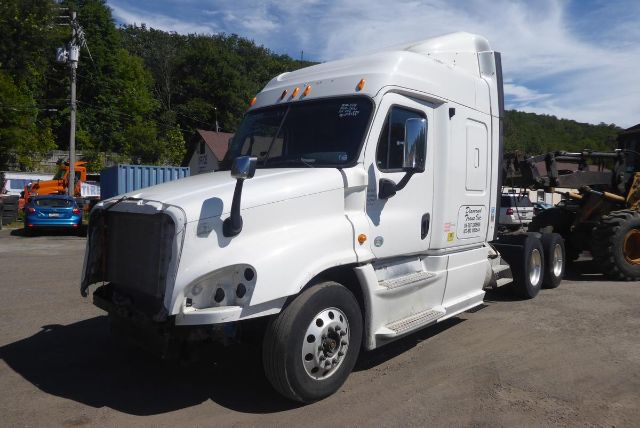
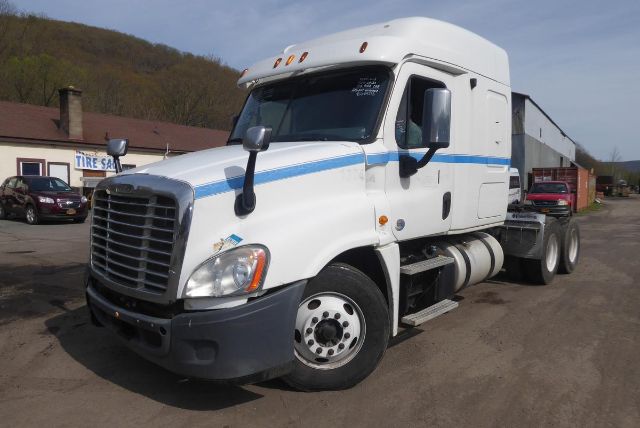
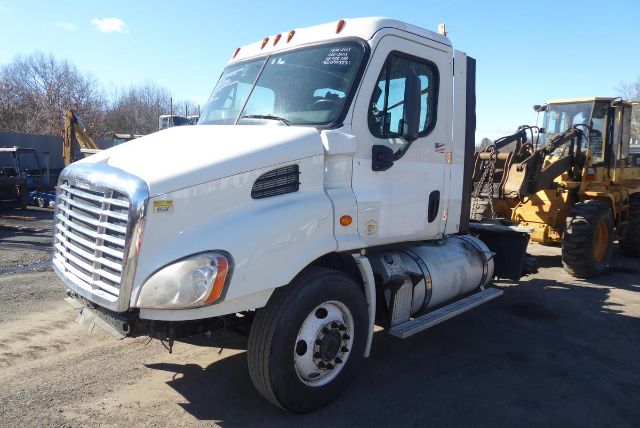
Selling a 2013 freightliner truck? List your 2013 freightliner truck for sale and reach thousands of commercial buyers.
2013 Freightliner Trucks in New York
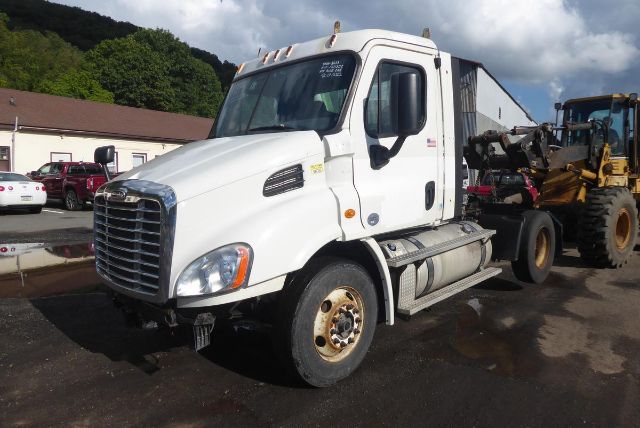
A 2013 Freightliner Cascadia day cab is typically set up for regional freight, port work, dedicated lanes, and terminal-to-terminal operation. Common specs include a 12,000-lb front axle, single or tandem rear axles, AirLiner suspension, and GVW ratings that can range from medium-duty configurations up to 52,000 lbs depending on the setup. Wheelbases in this class often fall in the 160-inch to 180-inch range for tighter maneuverability, while tandem axle road tractors may carry 40,000-lb rears and air slide fifth wheels for flexible trailer position. Buyers should pay close attention to axle ratio, especially on used highway tractors. A 3.08 or 3.42 ratio will behave very differently than a 4.30 setup in stop-and-go or heavy-start work.
Sleeper-equipped 2013 Freightliner trucks are a different buying decision. A high-roof Cascadia with a DD15 and 12-speed automated manual is generally aimed at over-the-road use, where fuel economy, bunk layout, and aero equipment all matter more than tight turning radius. On these trucks, look closely at sleeper size, roof height, fairings, side skirts, tire size, and brake spec. Air disc brakes show up on some units and can be a plus for stopping performance and service consistency, though parts and maintenance costs should still be considered. Buyers in the Northeast should also inspect frame condition, crossmembers, cab mounts, electrical connections, and corrosion around suspension and air system components, since regional weather and road treatment can accelerate wear.
When shopping this category, the best value usually comes from matching the truck's original vocation to your intended use. A short wheelbase day cab with a stationary fifth wheel fits very different work than a tandem axle sleeper with a sliding fifth wheel and deep highway gearing. On any 2013 Freightliner, engine emissions equipment, prior downtime, and driveline condition deserve close review. Confirm whether the truck uses DEF, check for injector and aftertreatment history, and verify transmission operation, suspension type, and brake configuration before purchase. Freightliner remains popular because parts availability, service network coverage, and familiarity among fleet shops are generally strong, which can make a 2013 model a practical truck when the spec is right and the condition is honestly represented.
Frequently Asked Questions about 2013 Freightliner Trucks in New York
What engines are common in 2013 Freightliner trucks?
The most common engines in 2013 Freightliner highway trucks, especially Cascadia models, are the Detroit DD13 and Detroit DD15. The DD13 is typically chosen for lighter regional work and fuel-conscious fleet operation, while the DD15 is more common in over-the-road and higher-horsepower applications. Buyers should verify horsepower rating, engine brake type, emissions system condition, and any history involving injectors, turbocharger, DPF, or DEF-related repairs.
Is a 2013 Freightliner Cascadia better as a day cab or sleeper?
It depends on the application. A day cab is usually the better fit for local and regional hauling, drayage, dedicated routes, and operations where lower weight and shorter wheelbase matter. A sleeper is more appropriate for long-haul work, teams, or runs that require overnight capability. The right choice comes down to route length, trailer type, axle configuration, and how much emphasis you place on maneuverability versus driver accommodations.
What should I check first on a used 2013 Freightliner truck?
Start with the engine and emissions system, then move to the transmission, axle ratings, suspension, brakes, and frame condition. On a 2013 model, aftertreatment history is especially important because downtime related to DPF, DEF, and sensor systems can affect operating cost. Also inspect for rust, accident damage, uneven tire wear, air leaks, and signs of prior fleet maintenance or deferred repairs. Odometer reading matters, but maintenance documentation and overall spec are often more important than mileage alone.
Are automated transmissions common in 2013 Freightliner trucks?
Yes, many Freightliner trucks from this period were spec'd with the Detroit DT12 automated manual, especially in fleet highway service. Manual 10-speed transmissions are also common. The DT12 can be a good fit for fuel economy and driver consistency, but buyers should confirm clutch operation, shift quality, calibration history, and whether the truck's software and driveline service have been kept current. Driver acceptance and shop familiarity can also influence whether an automated or manual transmission is the better buy.
What axle and suspension specs are typical on 2013 Freightliner Cascadia trucks?
Typical specs include a 12,000-lb front axle and either a single rear axle for lighter regional service or tandem 40,000-lb rears for standard highway tractor use. Freightliner AirLiner suspension is common and is well known across fleet maintenance departments. Wheelbase, rear ratio, and fifth wheel setup should be reviewed together because they directly affect turning radius, load placement, highway RPM, and the type of trailers the truck can handle efficiently.