
2022 Freightliner Trucks For Sale in New York
Shop 2022 Freightliner trucks for sale in New York. Compare Cascadia and vocational specs, powertrains, axle ratings, cab setups, and emissions.

Have 2022 freightliner truck to sell? List it here to reach thousands of buyers.
2022 Freightliner Trucks in New York
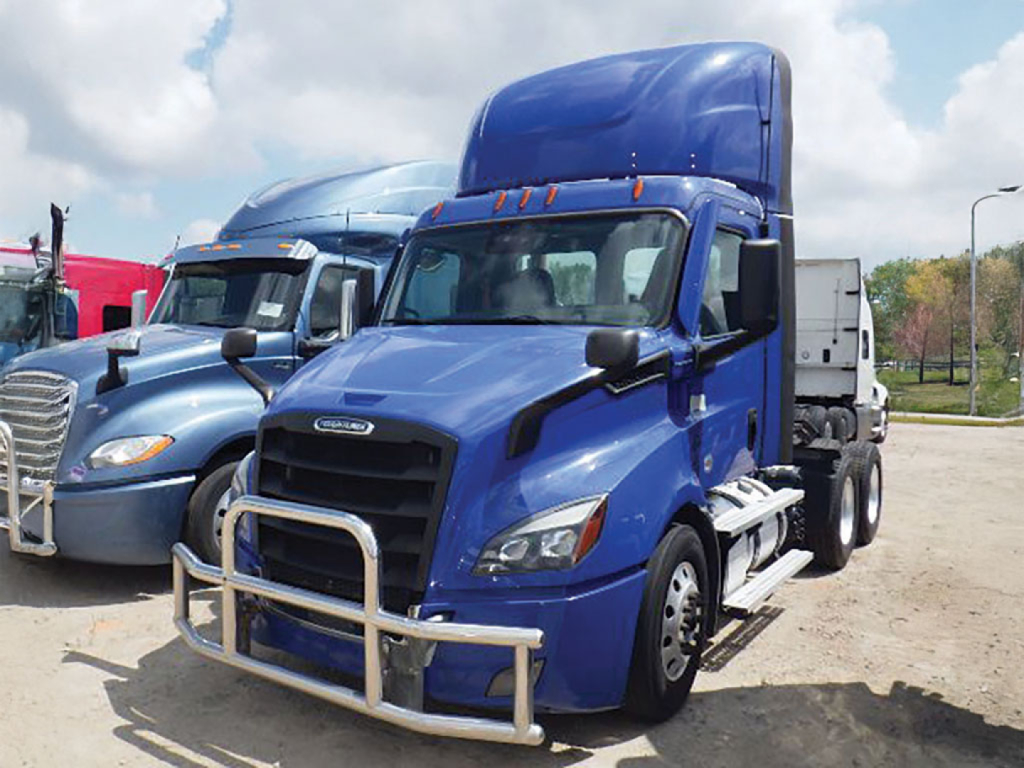
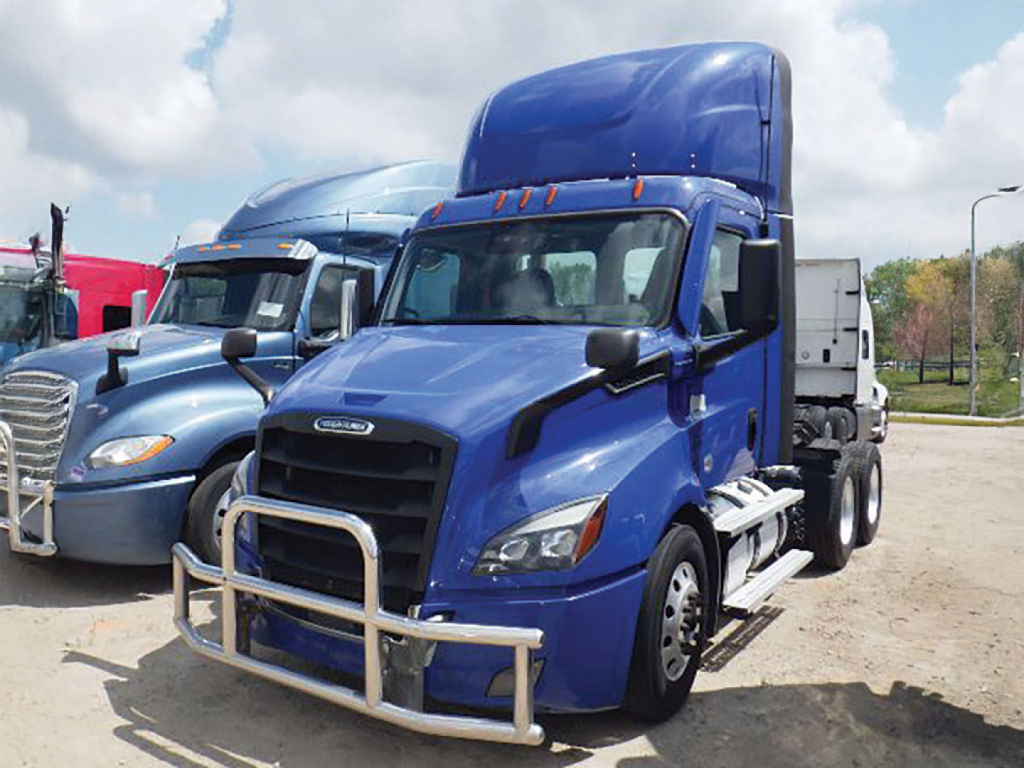
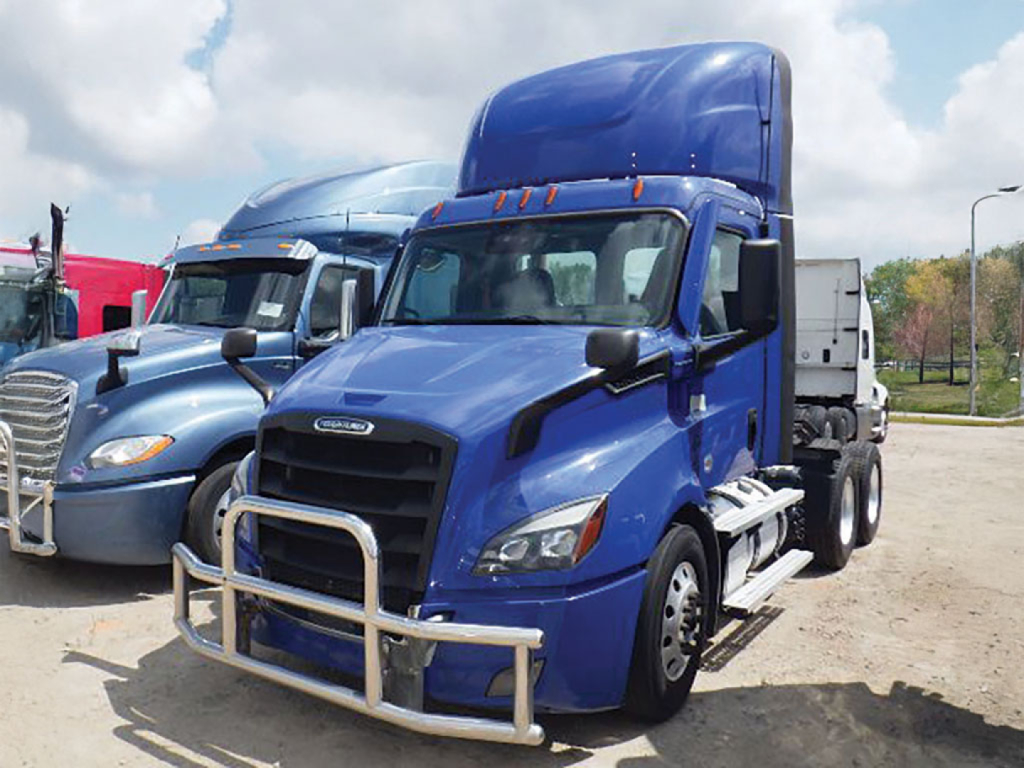
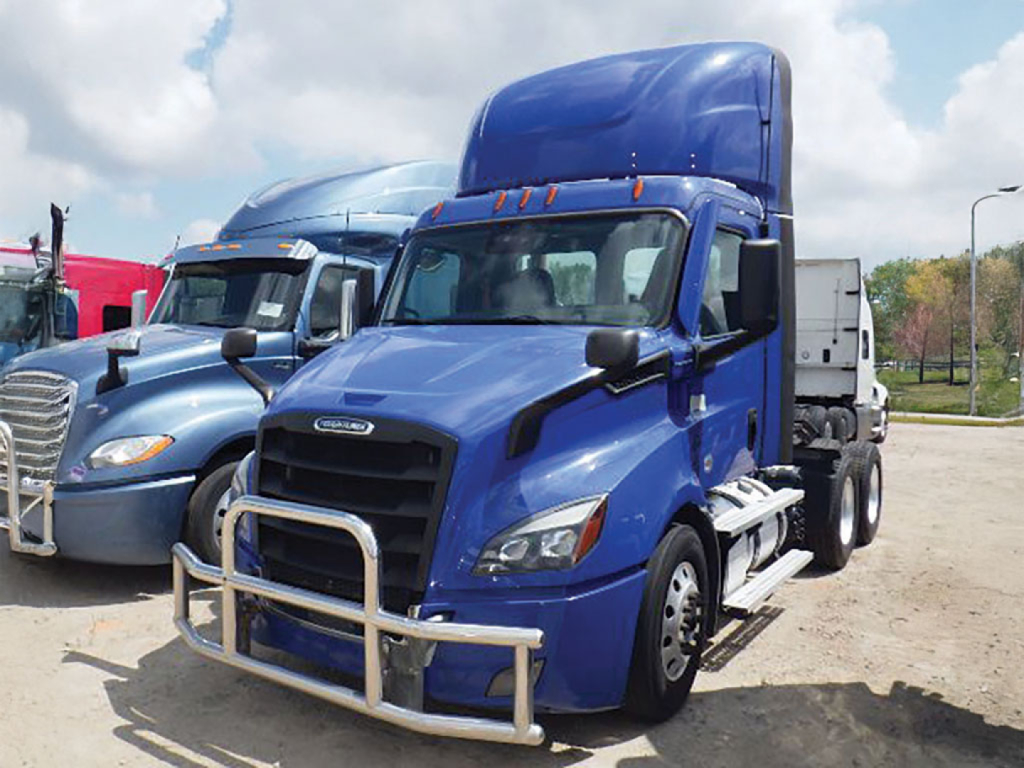
For highway use, a 2022 Freightliner Cascadia is often spec'd with Detroit DD13 or DD15 power, paired with a DT12 automated manual transmission, though manual and Allison-equipped applications can also appear depending on duty cycle. Buyers comparing sleeper and day cab trucks should pay close attention to rear axle ratio, wheelbase, fifth wheel position, and whether the truck was built for regional haul, linehaul, or heavy local work. Common decision points include 6x4 versus 6x2 axle layout, disc versus drum brakes, idle management, and the presence of driver-assist features such as collision mitigation and lane departure warning. For New York operations, corrosion exposure, winter traction spec, and emissions system service history matter more than brochure specs.
On the vocational side, 2022 Freightliner trucks are commonly configured for dump, rollback, box truck, stake, utility, municipal, and delivery work. The M2 series is a frequent choice where tighter turning radius, lower step-in height, and body-builder flexibility matter. Severe-duty models like the 108SD, 114SD, and 122SD are more likely to be found with heavier front axles, double frame options, locking rears, higher PTO demand, and vocational suspensions suited for construction or municipal service. Buyers should verify frame layout, cab-to-axle measurement, GVWR, front and rear axle capacities, and whether the truck has the switches, plumbing, and power take-off setup needed for the intended body or upfit.
A smart comparison on any 2022 Freightliner truck goes beyond mileage. Engine hours, maintenance records, aftertreatment history, tire wear pattern, suspension condition, brake type, and telematics or idle data can tell you more about remaining life than the odometer alone. Freightliner trucks from this model year may offer a strong balance of modern technology and broad serviceability, but the right one depends on matching the spec to the route, payload, body, and regulatory environment. In a state like New York, that usually means looking closely at emissions compliance, rust exposure, bridge-law implications, and maneuverability in dense urban or suburban work.
Frequently Asked Questions about 2022 Freightliner Trucks in New York
What are the most common 2022 Freightliner truck models buyers look for?
The most common 2022 Freightliner trucks depend on application. For over-the-road and regional freight, the Cascadia is the primary model buyers search for. For medium-duty delivery, box truck, and municipal work, the M2 106 is one of the most common choices. For heavier vocational service, buyers often focus on the 108SD, 114SD, and 122SD. Each platform serves a different job, so the best model is usually determined by body type, axle requirements, PTO needs, and route conditions.
What engine and transmission options are common in a 2022 Freightliner truck?
Many 2022 Freightliner highway trucks are equipped with Detroit engines such as the DD13 or DD15, often paired with the Detroit DT12 automated manual transmission. Medium-duty and vocational trucks may also be found with Cummins engines, Allison automatic transmissions, or manual gearboxes depending on the original fleet spec. Buyers should match horsepower, torque, rear axle ratio, and transmission type to the intended duty cycle rather than assuming one powertrain fits every operation.
Is a 2022 Freightliner truck a good choice for New York operations?
A 2022 Freightliner can be a strong fit for New York because it is modern enough to include current emissions and safety technology while still being common enough to support parts and service access across the region. The key is evaluating the truck for rust exposure, winter-service wear, and stop-and-go duty if it spent time in city or municipal operation. Tight-turn urban work may favor shorter wheelbases and medium-duty configurations, while interstate freight usually points toward a Cascadia with an efficiency-focused spec.
What specs matter most when comparing 2022 Freightliner trucks for sale?
The most important specs are the ones that affect payload, route performance, and body compatibility. Buyers should look closely at GVWR or GCWR, front and rear axle ratings, wheelbase, cab-to-axle, suspension type, engine rating, transmission, rear axle ratio, and brake setup. On tractor applications, fifth wheel location and axle configuration are also important. On straight trucks, frame space, PTO provisions, and body integration matter just as much as mileage.
What should buyers inspect on a used 2022 Freightliner truck?
A used 2022 Freightliner should be checked for maintenance history, fault codes, aftertreatment performance, coolant and oil condition, brake wear, suspension play, tire wear pattern, and signs of frame corrosion or previous damage. Engine hours are important on trucks with significant idle time, especially in municipal or delivery service. It is also worth confirming software updates, safety system operation, and any warranty or campaign history, because electronic and emissions-related issues can affect downtime as much as mechanical wear.