
2018 Freightliner Trucks For Sale in New York
Browse 2018 Freightliner trucks for sale in New York, including Cascadia and vocational models with specs on engines, wheelbases, GVWR, and setups.
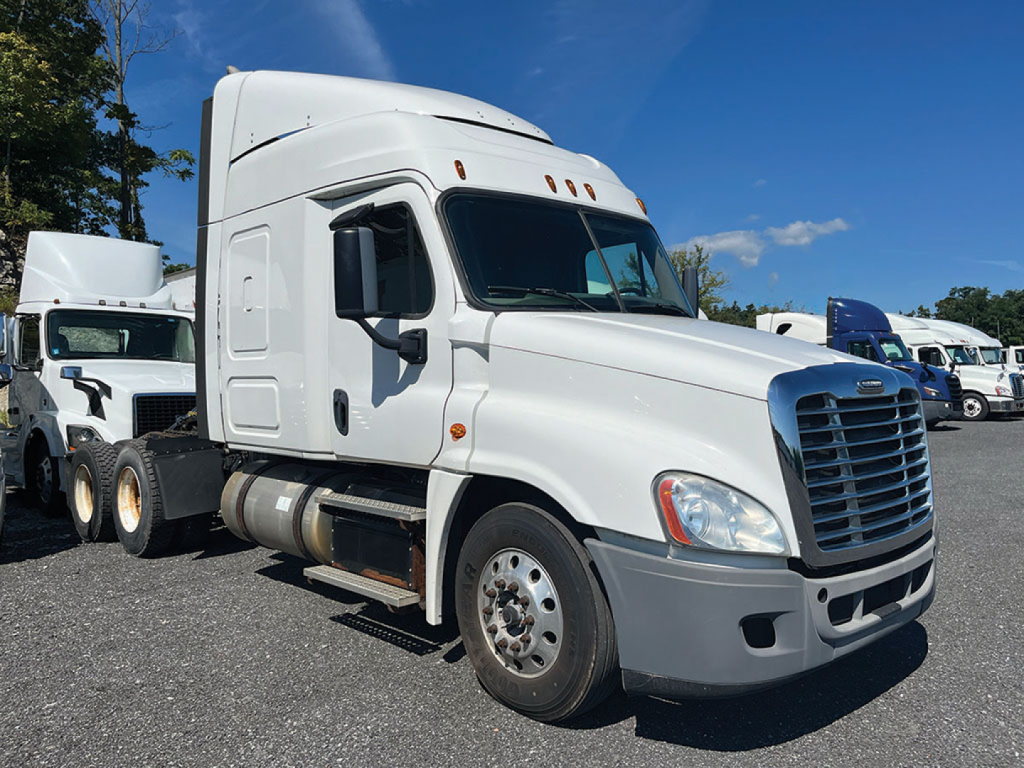
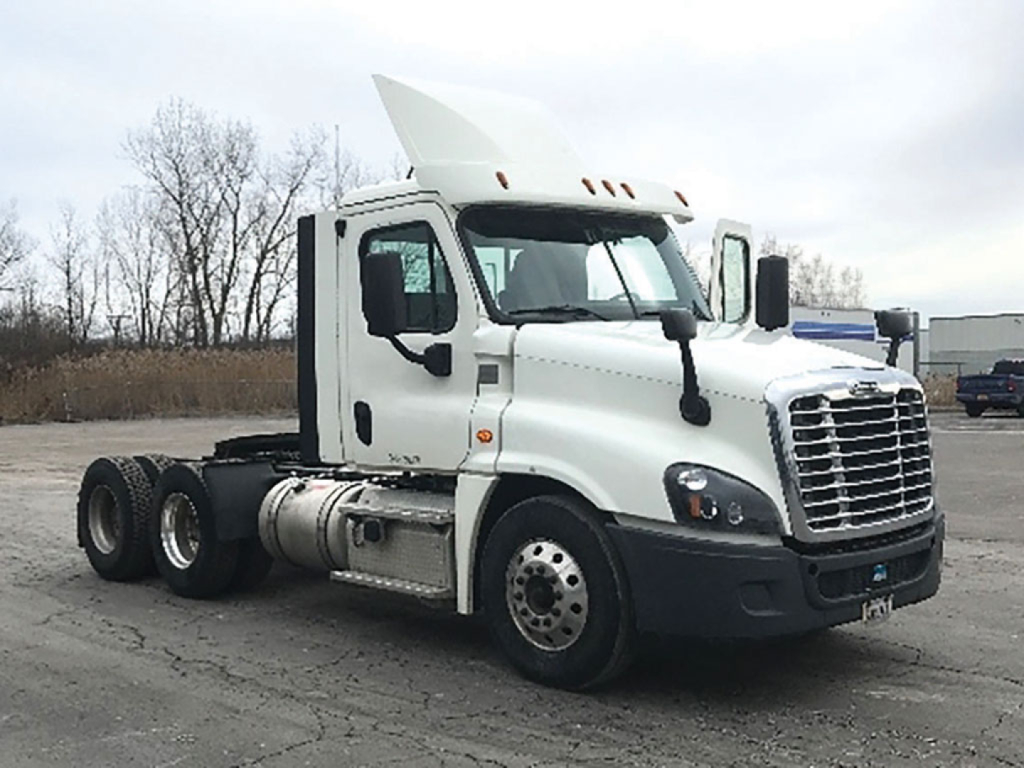
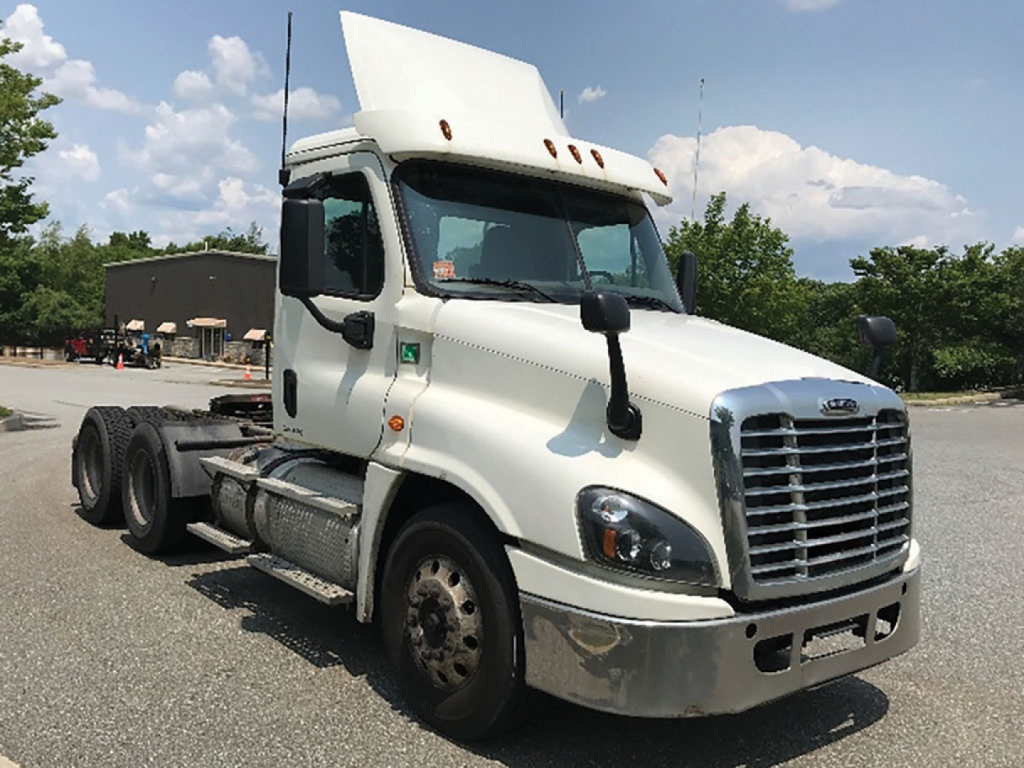
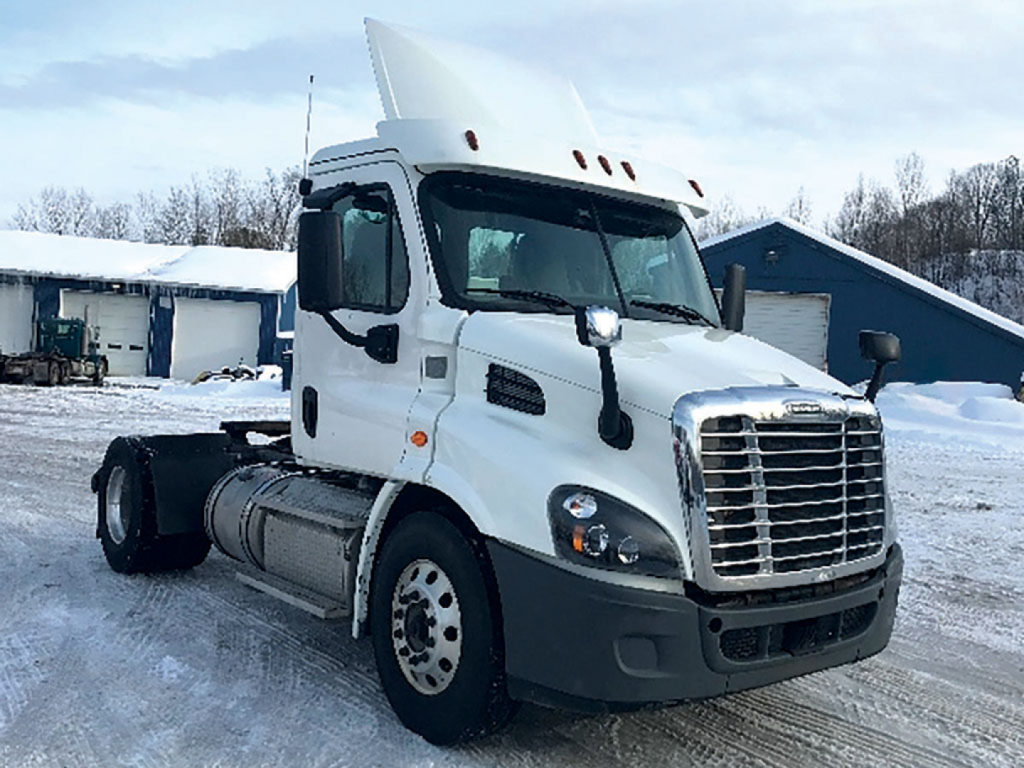
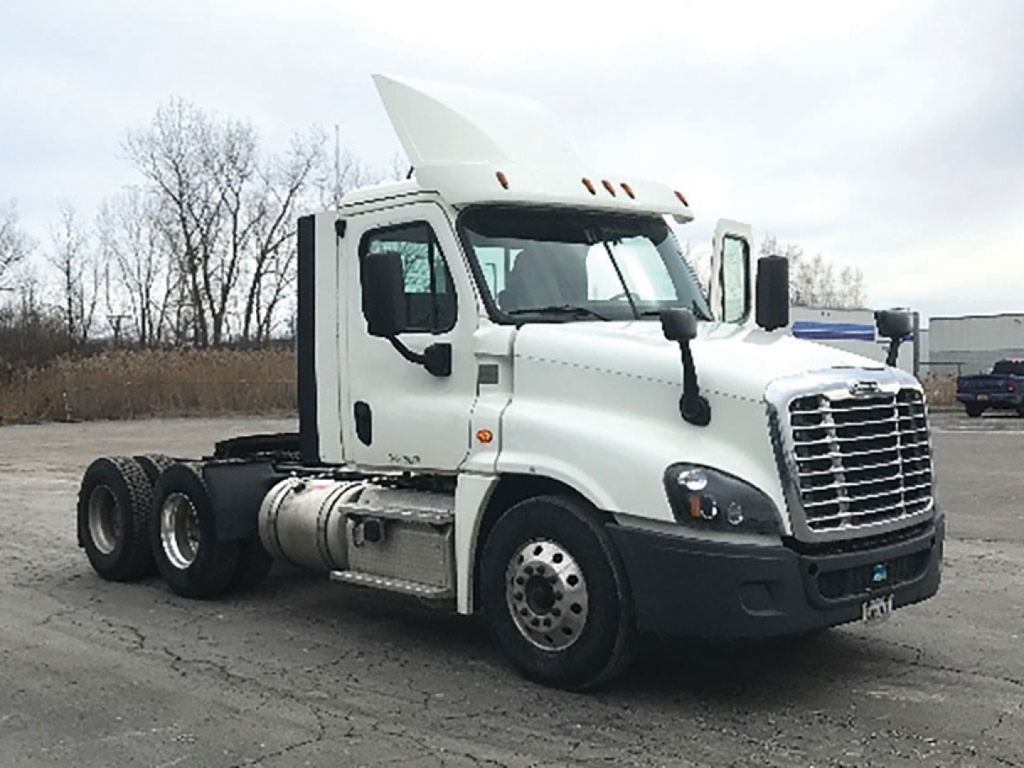
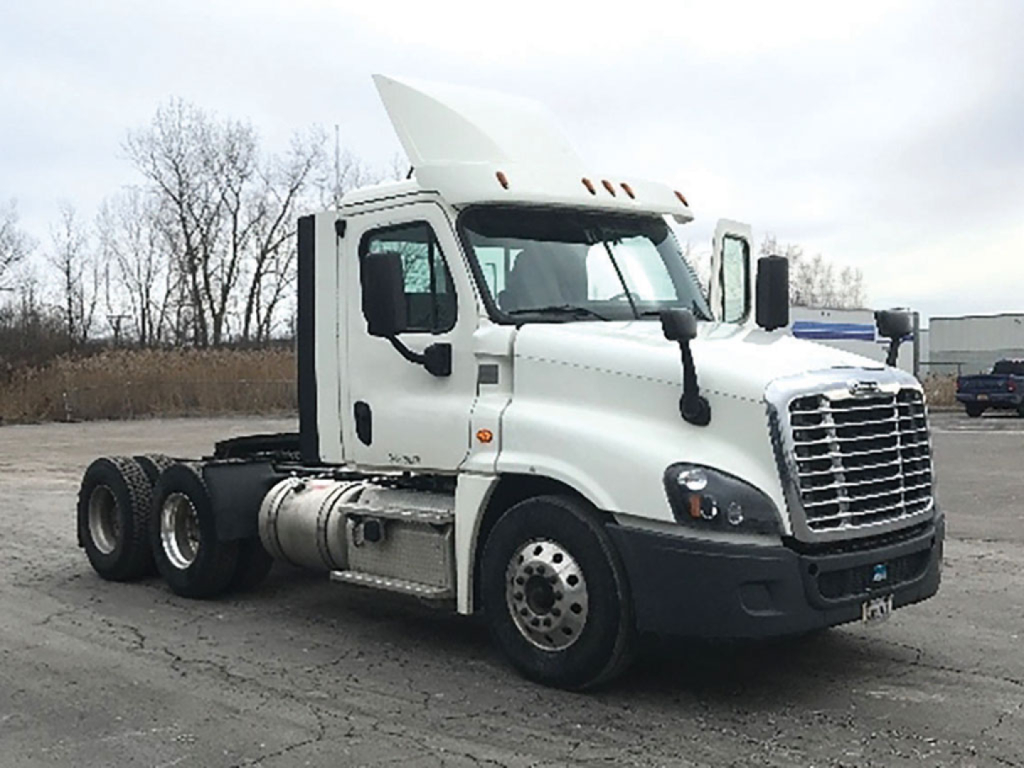
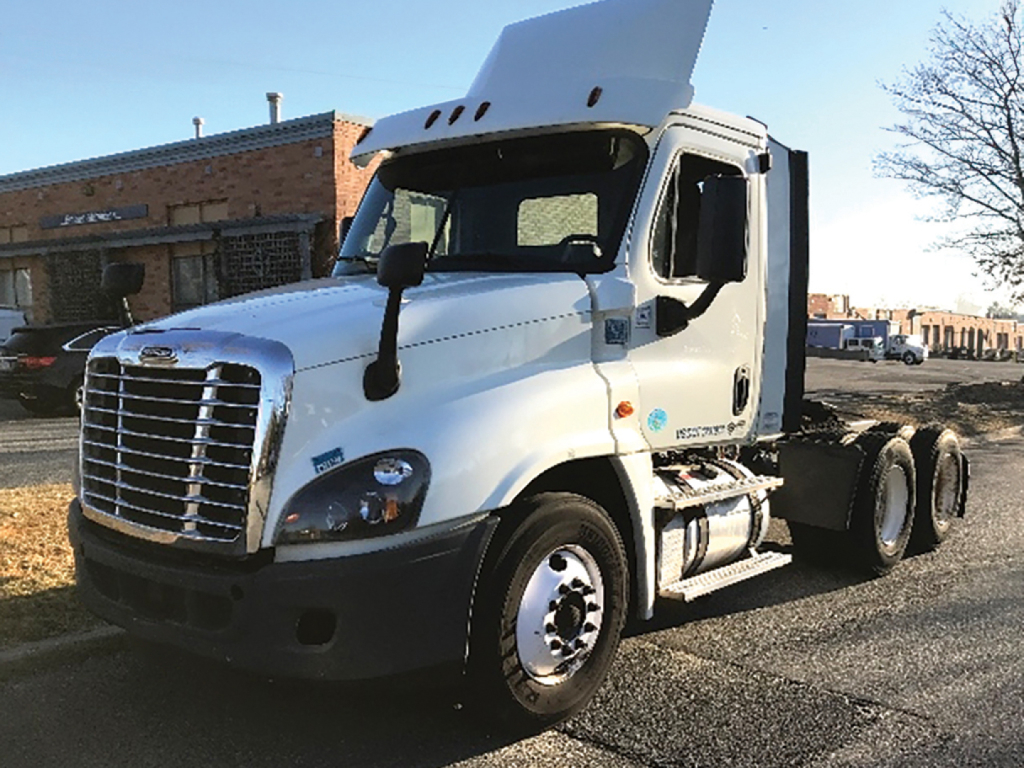
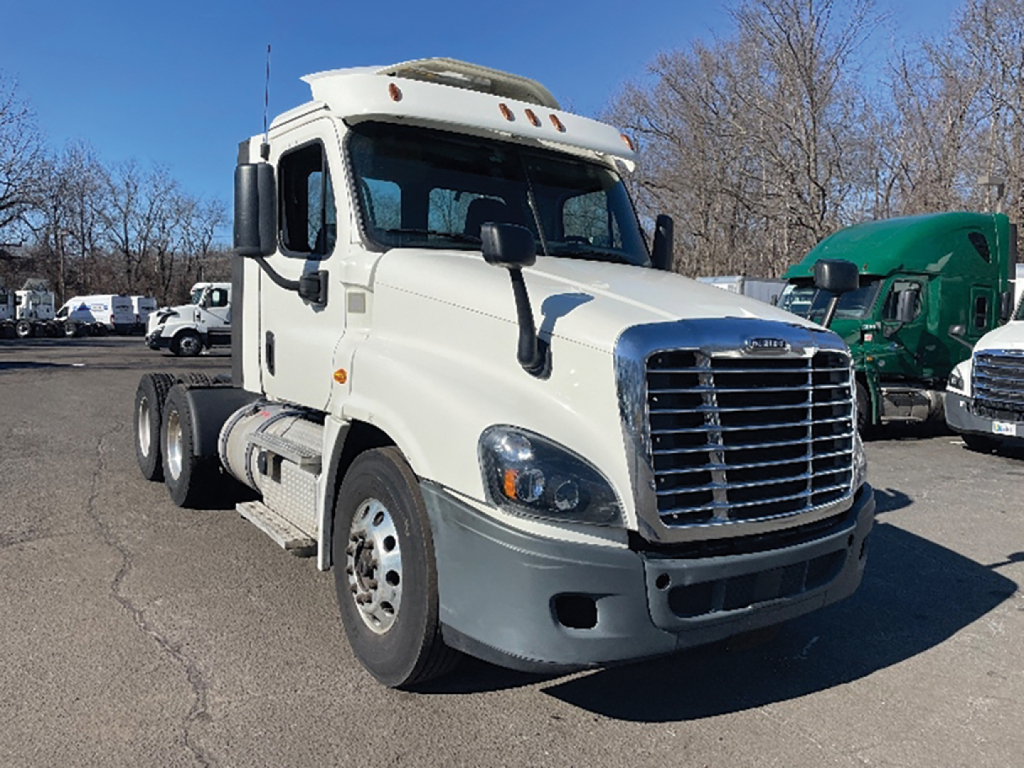
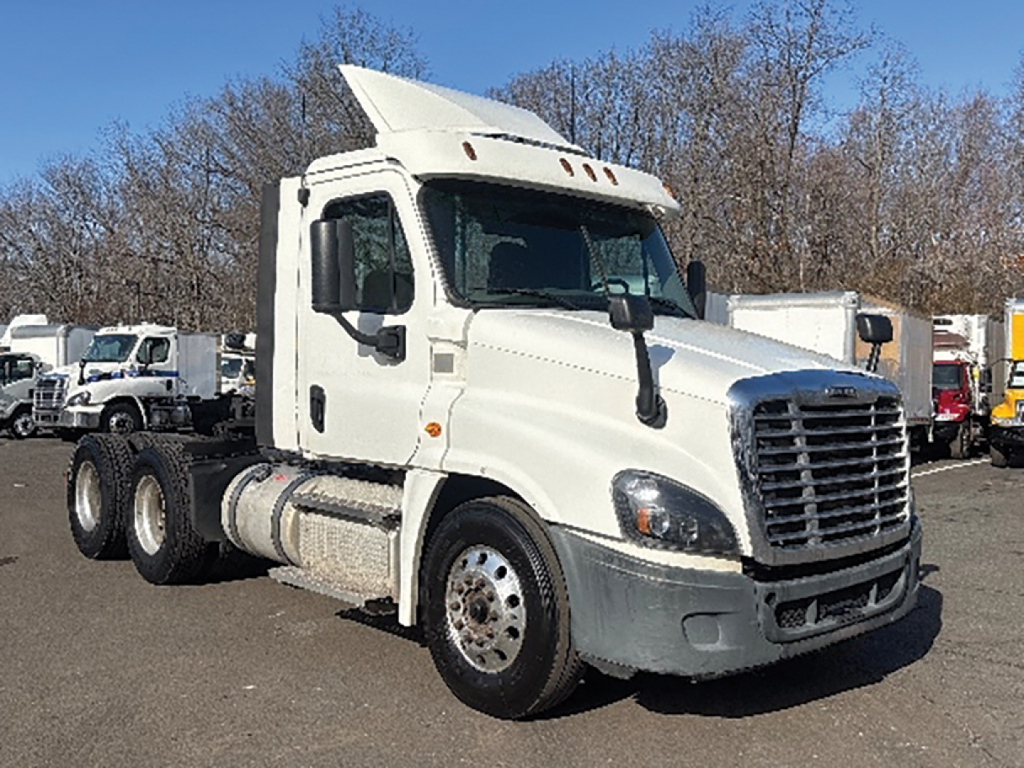
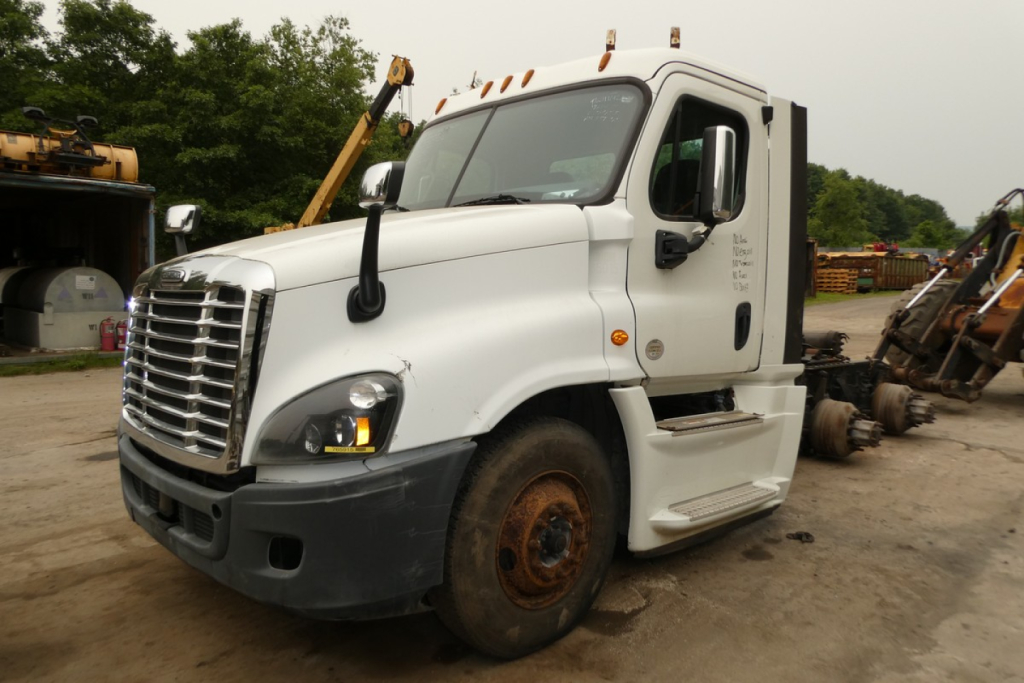
Selling a 2018 freightliner truck? List your 2018 freightliner truck for sale and reach thousands of commercial buyers.
2018 Freightliner Trucks in New York
The Cascadia was the volume seller in this era and remains the most common 2018 Freightliner truck on the secondary market. It is widely used as a conventional road tractor in both day cab and sleeper form, with Detroit DT12 automated manuals and Eaton Fuller manual transmissions being common choices. Typical buyer checkpoints include rear axle ratios such as 2.64, 2.85, 3.08, or 3.36, suspension type, fifth wheel style, and fuel capacity. A lower numerical ratio can favor fuel economy on long highway lanes, while a deeper ratio may suit regional work, hills, or heavier start-stop applications. If the truck is a day cab, cab-to-axle and cab-to-end dimensions matter if you plan to add a wet kit, mount specialty equipment, or operate in tighter urban yards.
For vocational and medium-duty Freightliner trucks from 2018, buyers should pay close attention to frame spec, PTO capability, brake type, and body compatibility. Freightliner M2 and similar chassis in this year are commonly used for dump, box, rollback, hooklift, utility, and municipal work. In that segment, gross vehicle weight rating, front axle capacity, and suspension setup can matter more than peak horsepower. A truck with the right wheelbase and clean frame layout is usually easier to repurpose than one with a mismatched body or limited clearance for auxiliary equipment. In New York, corrosion exposure is a real buying factor, so frame condition, crossmembers, air tanks, brake plumbing, and cab mounts deserve a close inspection.
A good 2018 Freightliner should be evaluated beyond the odometer. Pull engine hours, check for idle percentage, review fault history, and confirm emissions service records for the DPF, DEF, and SCR systems. Look at steering play, suspension wear, tire pattern, air leaks, and signs of regen-related downtime. On Cascadia models, buyers also tend to review sleeper accessories, fairings, collision damage around the hood and bumper, and the condition of dash electronics and HVAC controls. Freightliner remains attractive in this year range because service information is widely available, Detroit drivetrain support is strong, and the trucks are common enough that buyers can compare specs closely and shop for the exact wheelbase, axle rating, and drivetrain they need.
Frequently Asked Questions about 2018 Freightliner Trucks in New York
What engines are common in 2018 Freightliner trucks?
The most common engines in 2018 Freightliner highway trucks are the Detroit DD13 and DD15, with horsepower and torque depending on the original application. DD13-equipped trucks are often found in regional haul and weight-sensitive specs, while DD15 trucks are common in linehaul and heavier GCW service. In medium-duty or vocational Freightliner models, engine options may vary by chassis and body configuration, so buyers should confirm the exact engine family, rating, and emissions equipment before comparing trucks.
Is a 2018 Freightliner Cascadia a good choice for regional or highway work?
Yes, the 2018 Cascadia is a strong fit for both regional and highway service when the spec matches the job. A day cab with a DD13 or DD15, proper rear ratio, and DT12 automated manual can work well in regional freight, drayage, or dedicated lanes. Sleeper versions are more common for over-the-road work. The key is to match horsepower, axle ratio, wheelbase, and fuel capacity to your route profile instead of buying strictly by price or mileage.
What should I inspect first on a used 2018 Freightliner truck?
Start with the emissions system history, engine hours, and any active or stored fault codes. Then inspect the frame, suspension, steering components, brakes, tires, and signs of collision or corrosion damage. On New York trucks, rust around crossmembers, battery boxes, air tanks, cab steps, and mounting points can be as important as mileage. Service records for DPF cleaning, DEF system repairs, injector work, and transmission maintenance can tell you more than a quick walk-around.
What transmission options are common on 2018 Freightliner trucks?
Detroit DT12 automated manual transmissions are very common on 2018 Freightliner road tractors, especially Cascadia models. Eaton Fuller manual transmissions are also found, particularly in fleets or applications that preferred traditional driver-controlled shifting. Buyers should confirm not just the transmission model, but also clutch condition on manuals, shift behavior on automated units, PTO provisions if needed, and whether the gearing matches the intended operating speed and load.
Why do wheelbase and axle ratings matter on a 2018 Freightliner?
Wheelbase and axle ratings determine how well the truck fits the work and how easily it can be paired with trailers or body equipment. A shorter wheelbase can improve maneuverability in city and yard conditions, while a longer wheelbase may be needed for ride quality, sleeper layout, fuel capacity, or body installation. Front and rear axle ratings affect legal payload, bridge compliance, and how the truck handles heavier loads. These specs should be checked early because they are much harder to change than cosmetic or interior issues.