
2018 Freightliner Conventional Daycab Trucks For Sale in New York
Shop 2018 Freightliner conventional daycab trucks with Cascadia specs, Detroit power, DT12 transmissions, and regional haul capability.
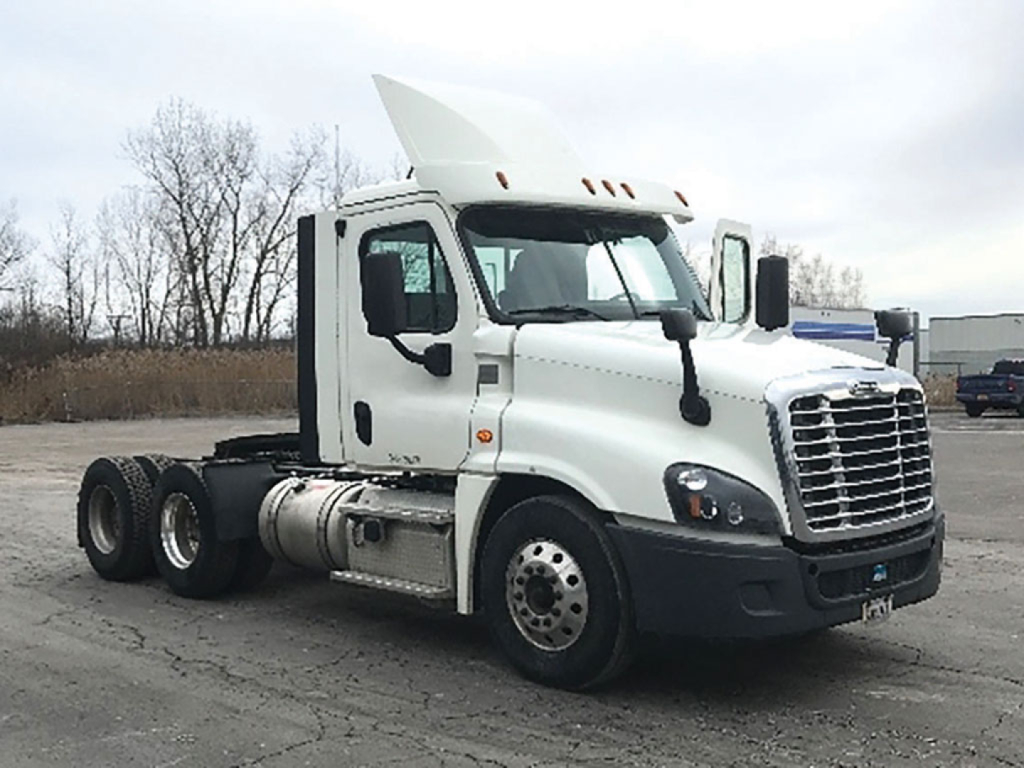
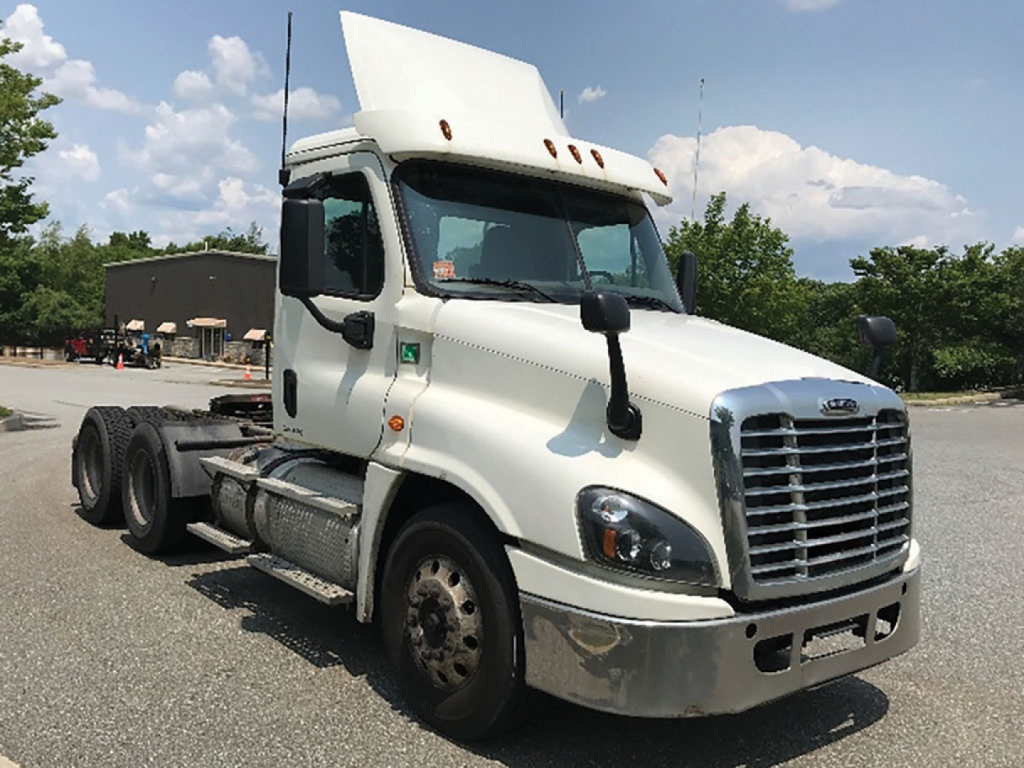
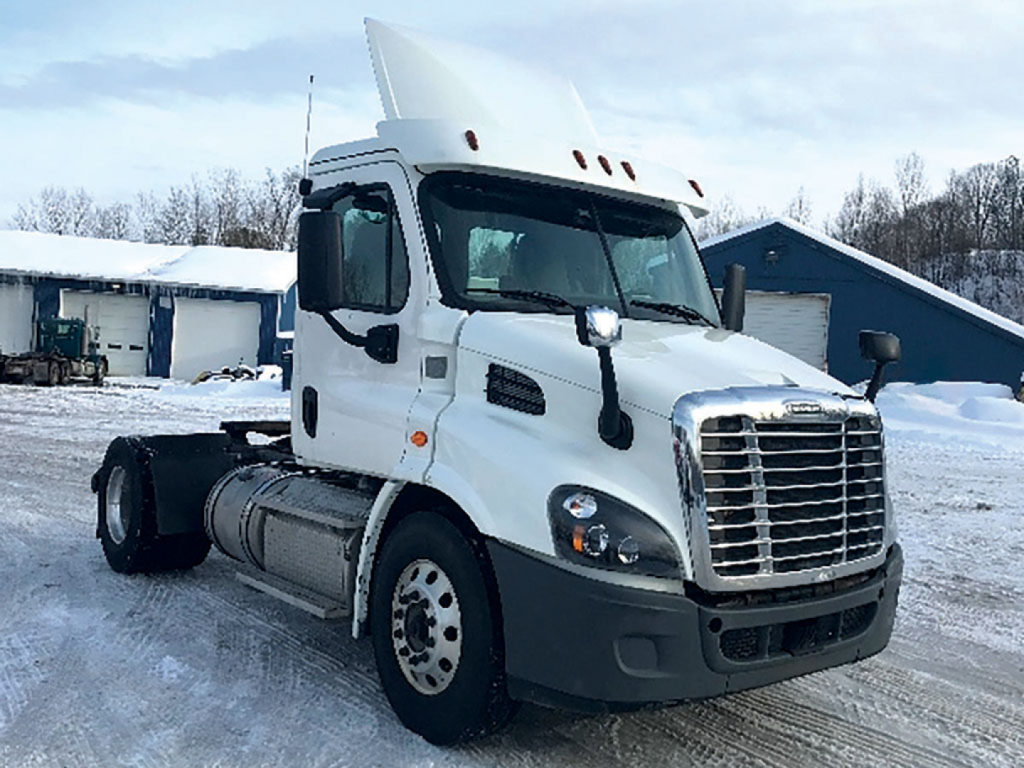
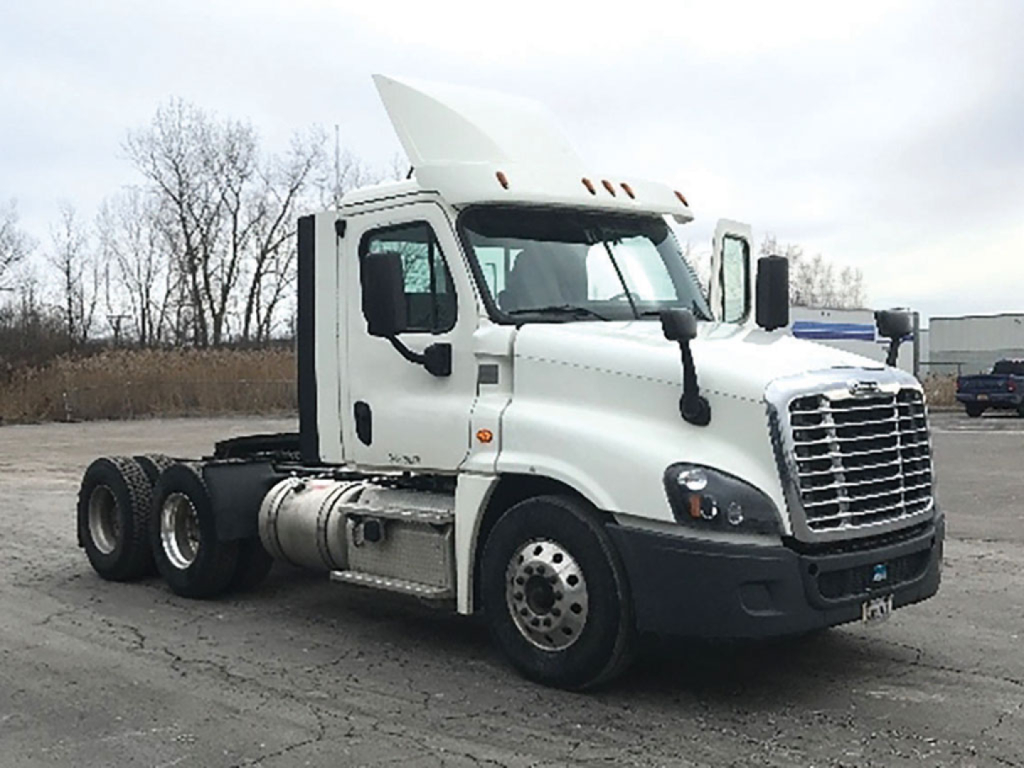
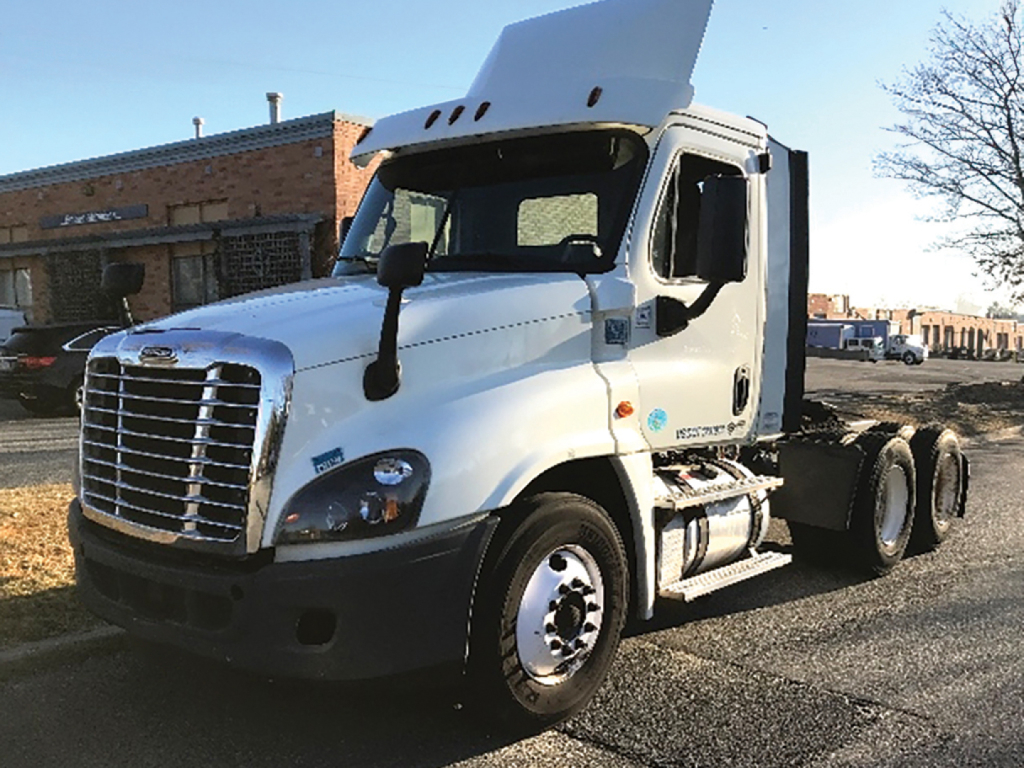
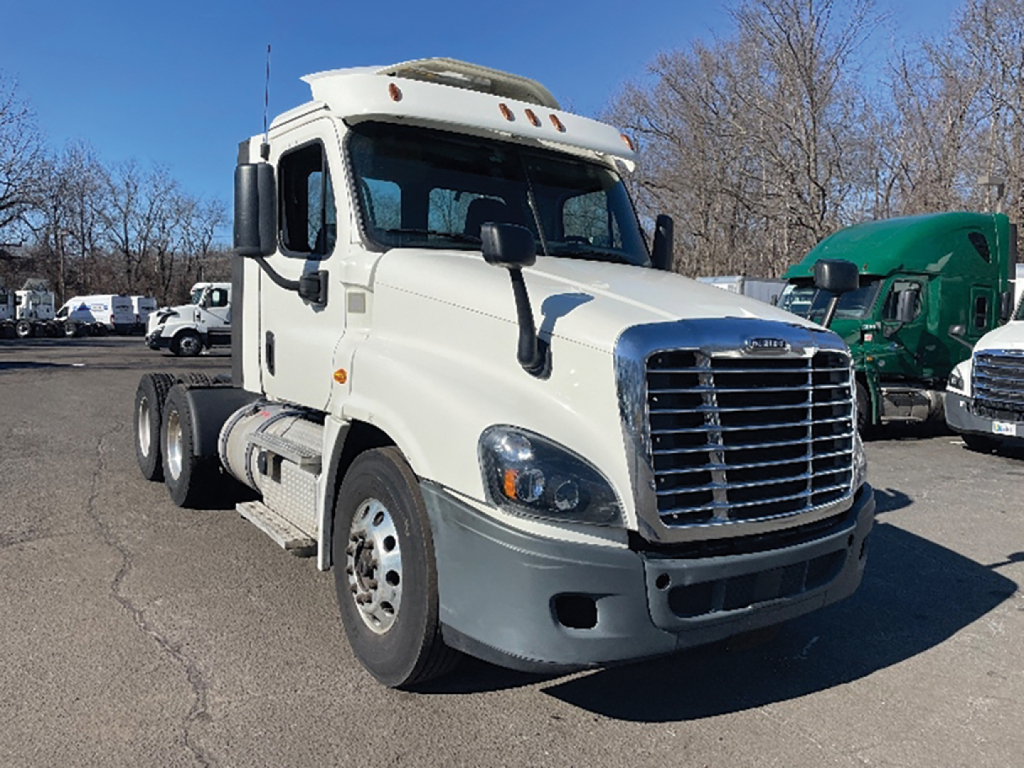
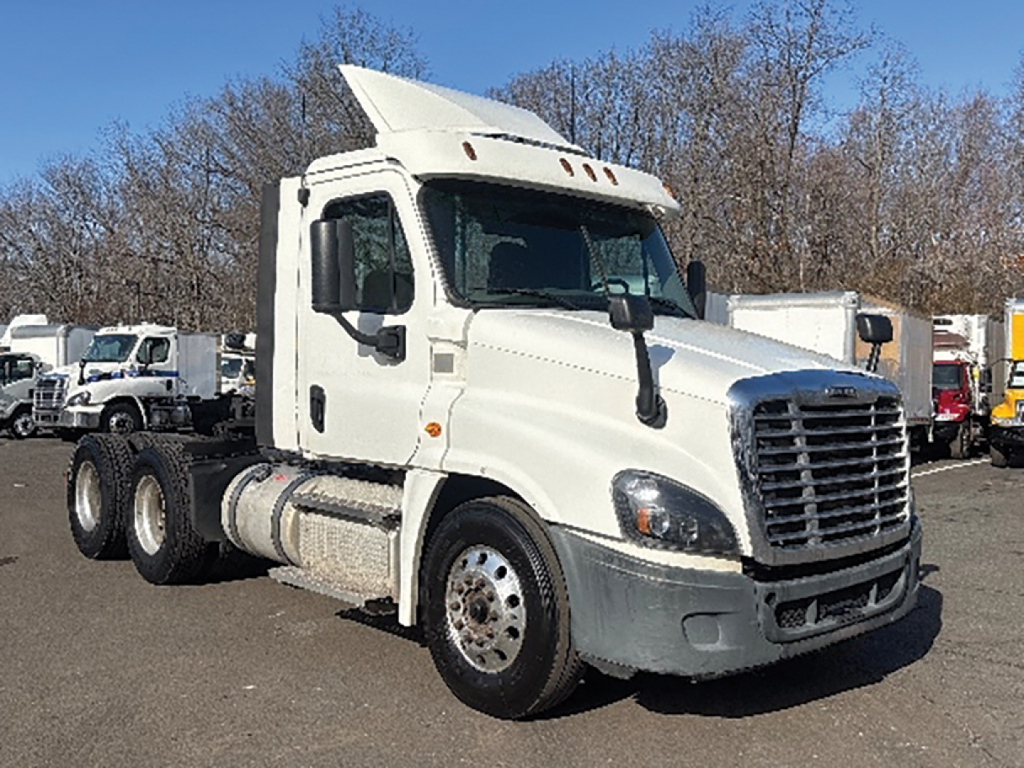
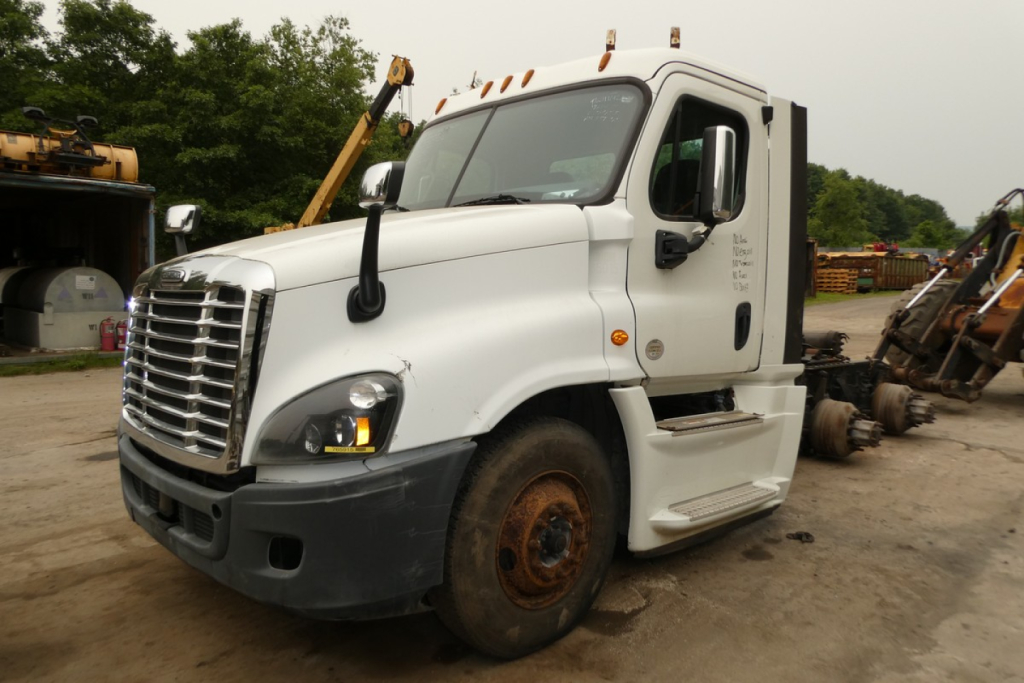
Selling a 2018 freightliner conventional daycab truck? List your 2018 freightliner conventional daycab truck for sale and reach thousands of commercial buyers.
2018 Freightliner Conventional Daycab Trucks in New York
Most 2018 Freightliner daycabs in this class are spec'd with Detroit power, commonly a DD13 or DD15, paired with a Detroit DT12 automated manual transmission. Typical horsepower ranges fall in the mid-400s, often with 3.08 or 3.21 rear ratios depending on whether the truck was ordered for fuel economy, regional haul, or heavier start-and-stop service. Buyers should pay close attention to axle ratings, with many tandem axle units carrying a 12,000-lb front axle and 40,000-lb rears, while some single axle daycabs are set up for lighter applications. Wheelbase, cab-to-axle, and fifth wheel slide travel matter if the truck will be matched to multiple trailer lengths or used in tight dock environments.
Freightliner daycabs from this era are popular because parts support is strong, service familiarity is widespread, and the Cascadia platform is well understood by technicians and fleet managers. Common features include air ride suspension, air disc brakes on some specs, engine brakes, aluminum or steel wheels, aerodynamic fairings, power divider on tandem drive models, and 11R22.5 or similar tire sizes. A buyer comparing listings should evaluate more than mileage alone. Engine hours, maintenance history, aftertreatment condition, transmission calibration history, suspension wear, and brake type all affect real operating cost. On used 2018 units, it is smart to inspect DEF system health, DPF service records, clutch actuator performance on DT12 trucks, kingpin and fifth wheel wear, and any signs of frame modification or prior fleet damage repair.
For regional carriers and private fleets, the conventional daycab remains one of the most versatile tractor formats on the road, also known simply as a day cab semi tractor. It gives drivers good visibility, easier entry and exit than a sleeper tractor, and less empty weight in many configurations. The right 2018 Freightliner setup depends on lane profile and trailer mix. A tandem axle Cascadia daycab with a DD15 is better suited for heavier freight and broader routing flexibility, while a lighter single axle spec can make sense for short regional lanes, tanker work, or dedicated dry van operations where payload and maneuverability are balanced differently.
Frequently Asked Questions about 2018 Freightliner Conventional Daycab Trucks in New York
What is a 2018 Freightliner conventional daycab best used for?
A 2018 Freightliner conventional daycab is best suited for regional haul, drayage, local delivery, terminal-to-terminal freight, and dedicated routes that return the driver home daily. It is designed for operations that need a full-size highway tractor without sleeper space. That makes it a strong fit for dry van, reefer, container, tanker, and some flatbed applications depending on axle and fifth wheel spec.
What engines and transmissions are common in 2018 Freightliner daycab trucks?
The most common engine choices are Detroit DD13 and DD15 diesel engines, usually paired with a Detroit DT12 automated manual transmission. Many trucks in this class are rated in the 435 to 455 horsepower range, though some are higher depending on fleet spec. These combinations are popular because they balance fuel economy, driver ease of use, and service support across large dealer and independent repair networks.
What should I inspect on a used 2018 Freightliner Cascadia daycab before buying?
Focus on engine hours, fault codes, aftertreatment history, transmission behavior, suspension wear, brake condition, and frame integrity. On DT12-equipped trucks, verify smooth shifting and review any clutch or actuator service records. Check the DEF and DPF systems carefully, inspect the fifth wheel and mounting hardware for excessive wear, and compare odometer miles to ECM data when available. A truck with average mileage but poor maintenance can cost more than a higher-mile unit with documented service.
Is a tandem axle or single axle Freightliner daycab the better choice?
A tandem axle daycab is usually the better choice for heavier freight, wider trailer compatibility, and more operational flexibility. It commonly carries 40,000-lb rear axle capacity and works well in general freight and regional highway service. A single axle truck can be a smart fit for lighter loads, dedicated lanes, shorter trailers, and applications where lower weight, tighter turning, and reduced tire and maintenance costs matter more than maximum capacity.
Why are 2018 Freightliner conventional daycabs still popular on the used market?
They remain popular because the Cascadia platform is efficient, widely supported, and familiar to drivers and technicians. The 2018 model year offers modern emissions equipment, aerodynamic design, and updated cab comfort without the price premium of newer trucks. For many buyers, that combination makes a 2018 Freightliner daycab a practical fleet replacement or growth tractor with strong parts availability and predictable serviceability.