
2009 Freightliner Trucks For Sale in New York
Browse 2009 Freightliner trucks for sale, including day cabs and vocational models with specs, engine options, axle ratings, and application insight.

Have 2009 freightliner truck to sell? List it here to reach thousands of buyers.
2009 Freightliner Trucks in New York
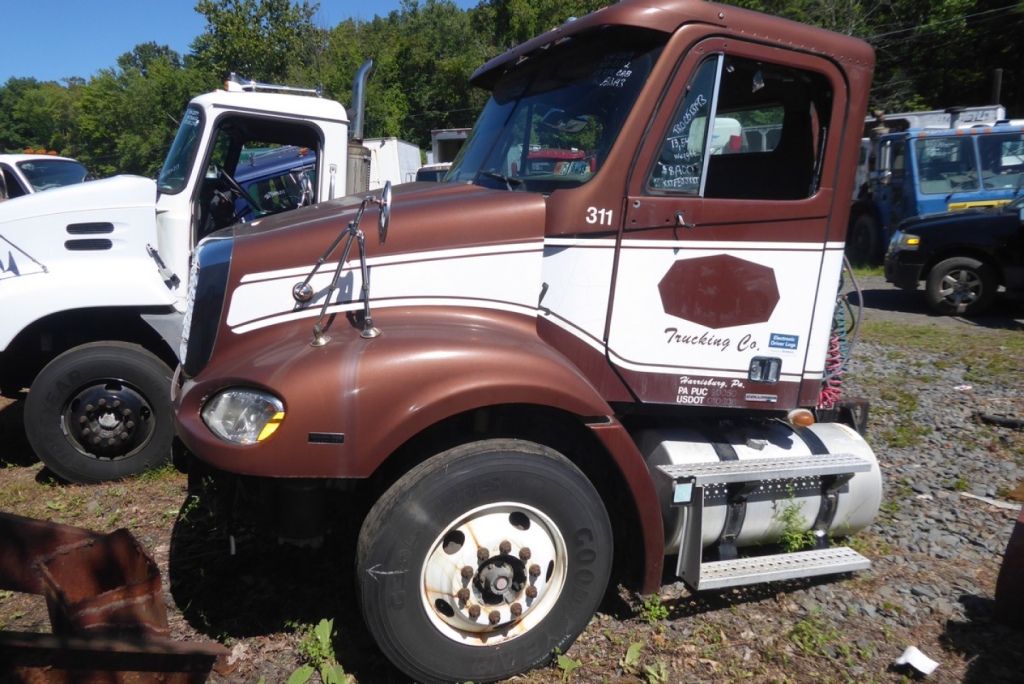
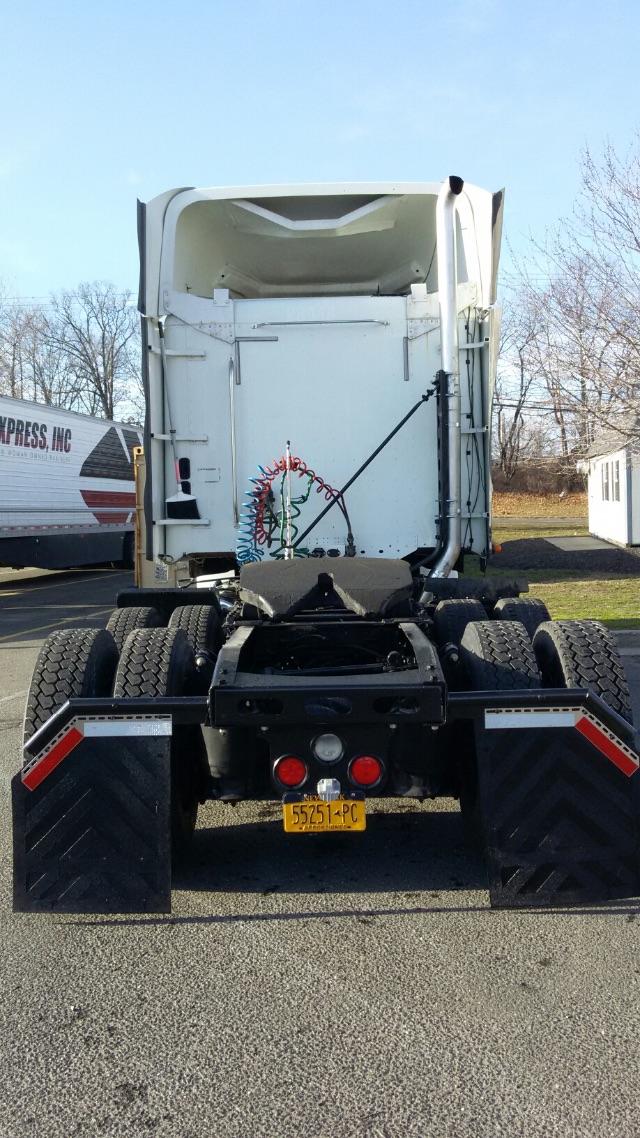
For highway and regional applications, 2009 Freightliner day cab and conventional tractor models often show up with Detroit Diesel, Mercedes-Benz, or Cummins power, paired with Fuller 10-speed transmissions and air ride suspensions such as AirLiner. Common items to review include rear axle ratio, wheelbase, front axle rating, suspension capacity, and whether the truck has a single or double frame. A buyer planning to pull a van, reefer, flatbed, or tanker should pay close attention to fifth wheel setup, GVWR, and rear axle ratings, since a truck spec'd for local freight can be very different from one built for heavier vocational service. In New York and the Northeast, corrosion, frame condition, brake line condition, and suspension wear deserve a close inspection, especially on trucks that have seen winter road treatment.
On vocational and municipal Freightliner trucks from 2009, the value is usually in the chassis spec and hydraulic or body-ready capability. Dump applications, plow prep, spreader controls, PTO setups, wet kits, and cab-to-axle dimensions matter more than cosmetic appearance. Buyers should verify hoist operation, PTO engagement, hydraulic leaks, body floor condition, tailgate function, and whether the truck has enough axle and suspension capacity for the intended payload. If the truck is a medium-duty M2-series or a heavier severe-service platform, parts support is generally strong, but engine family matters because maintenance cost, emissions equipment complexity, and technician familiarity can vary significantly.
A 2009 Freightliner can still be a practical truck when the spec matches the job and the condition is documented clearly. Focus on engine health, transmission operation, brake type, tire size, frame integrity, and any signs of hard vocational use. On higher-mile tractors, look for service history on injectors, turbo, clutch, DPF system if equipped, and suspension components. On lower-mile municipal or seasonal trucks, pay just as much attention to idle hours, rust, hydraulic condition, and stored-outside wear. The best purchase is usually the truck with the right axle ratings, wheelbase, and drivetrain for the route or body requirement, not simply the lowest price point.
Frequently Asked Questions about 2009 Freightliner Trucks in New York
What engines are common in 2009 Freightliner trucks?
2009 Freightliner trucks are commonly found with Detroit Diesel, Mercedes-Benz, and Cummins engines, depending on the model and original application. On highway tractors and day cabs, buyers often see engines in the 12 to 15 liter range with ratings suited for regional haul or general freight. On medium-duty and vocational trucks, smaller displacement diesel engines are also common. The exact engine matters because parts cost, emissions maintenance, fuel economy, and shop familiarity can vary by engine family.
What should I inspect first on a used 2009 Freightliner in New York?
Start with frame condition, rust, brake and air system condition, suspension wear, and cab corrosion. New York trucks often face salt exposure, so crossmembers, spring hangers, cab mounts, battery boxes, and wiring connections deserve close attention. After that, inspect the engine for blow-by, coolant contamination, oil leaks, fault codes, and service records. If it is a vocational truck, also verify PTO and hydraulic operation, since those systems can add major repair cost.
Is a 2009 Freightliner good for local and regional work?
A properly spec'd 2009 Freightliner can still be a solid fit for local and regional work, especially in day cab, dump, municipal, or short-haul applications. The key is matching the wheelbase, axle ratio, transmission, and suspension to the route and payload. Many trucks from this year were built for exactly those duties, and they can still offer good value when maintenance history is strong. Buyers should be realistic about age-related repairs and evaluate condition more heavily than odometer alone.
What specs matter most when comparing 2009 Freightliner trucks?
The most important specs are GVWR, front and rear axle ratings, wheelbase, cab-to-axle dimension, engine rating, transmission type, rear axle ratio, and suspension capacity. For tractor applications, fifth wheel position and frame setup also matter. For body-ready or vocational trucks, PTO provision, double-frame construction, hydraulic compatibility, and body length capacity become critical. These specs determine whether the truck can legally and efficiently do the work you need.
Are parts and service still available for 2009 Freightliner trucks?
Parts and service support are generally still good for 2009 Freightliner trucks because Freightliner has a large installed base and broad dealer coverage. Chassis, brake, suspension, and many driveline components are widely available through OEM and aftermarket channels. The main variable is the engine and emissions package, since some older engine platforms can be more expensive or time-consuming to diagnose and repair. Availability is usually not the issue. The real concern is choosing a configuration with manageable maintenance cost.