
Kenworth Conventional Daycab Trucks For Sale
Browse Kenworth conventional daycab trucks with specs that fit regional haul, vocational, and local fleet work.
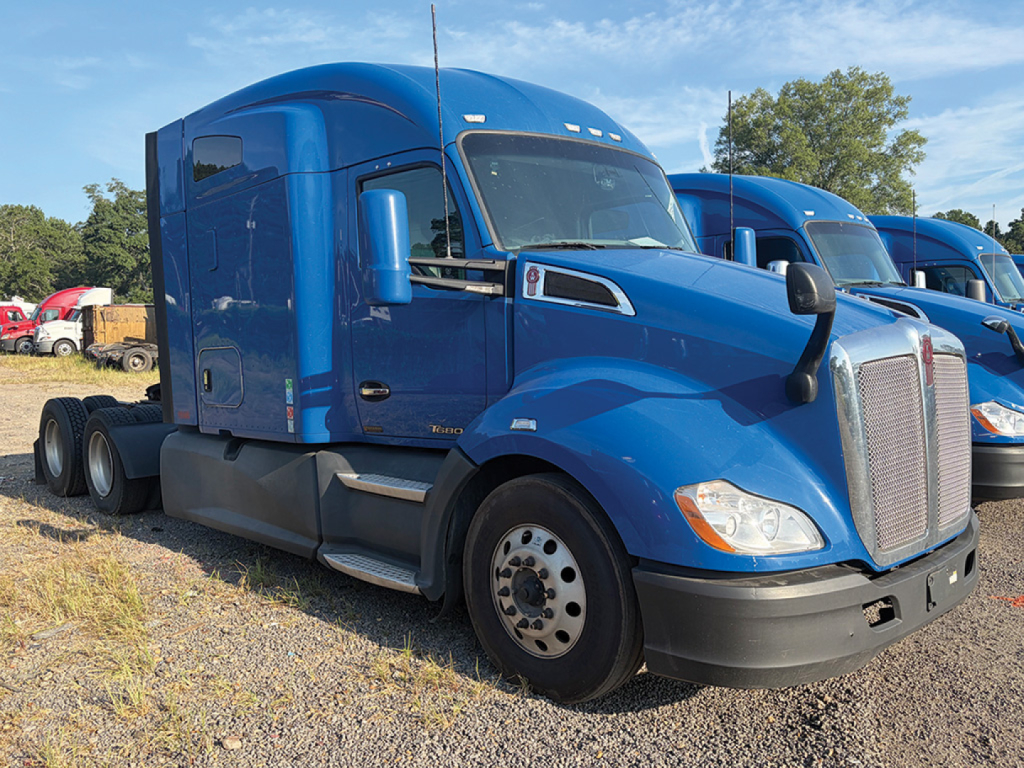
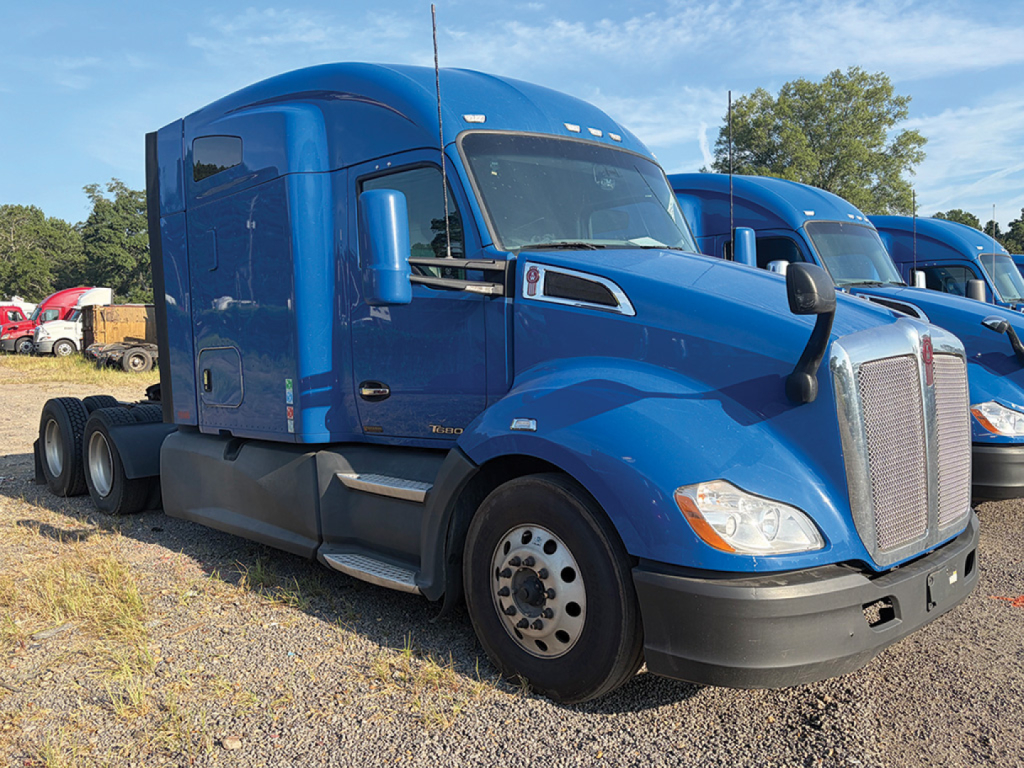
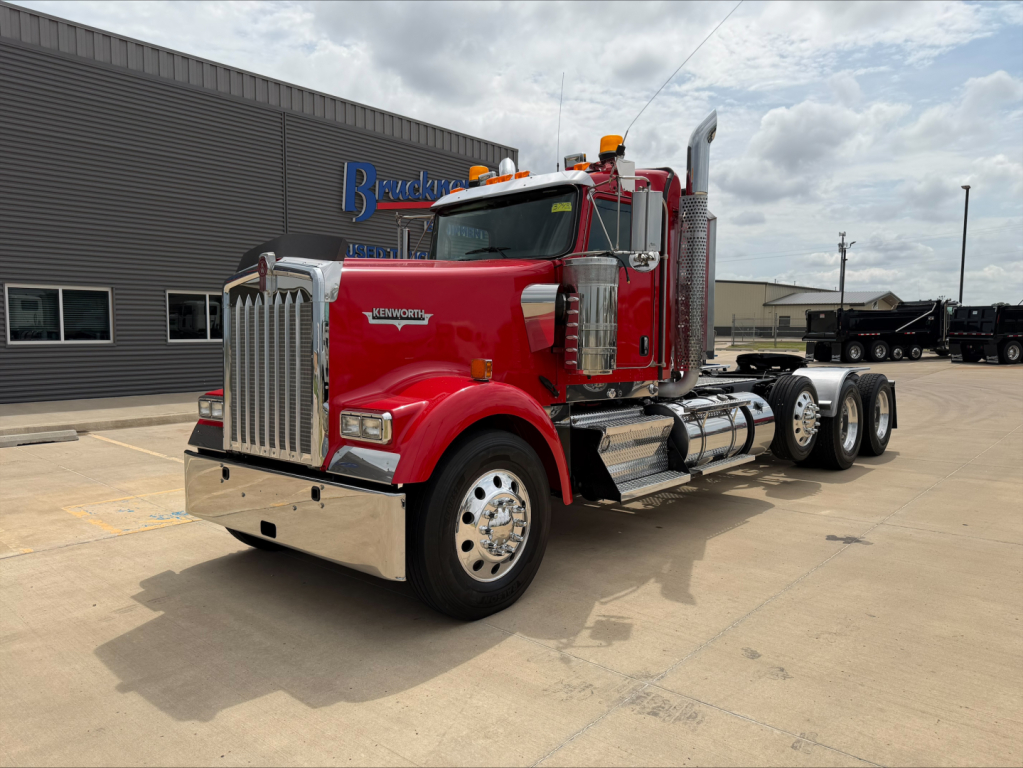
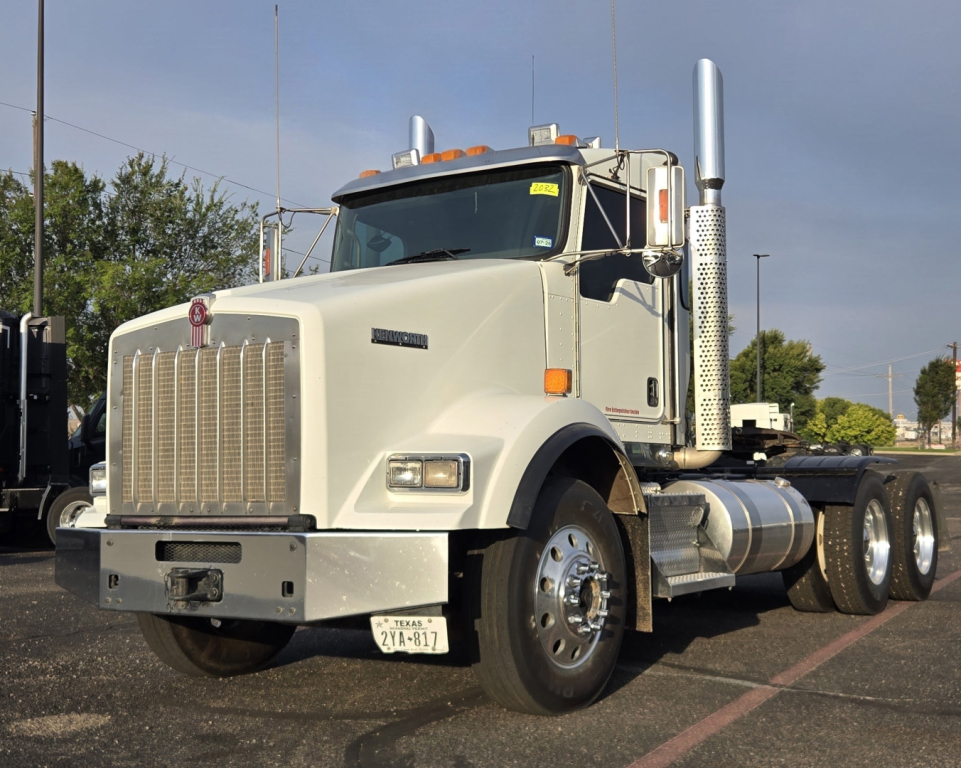
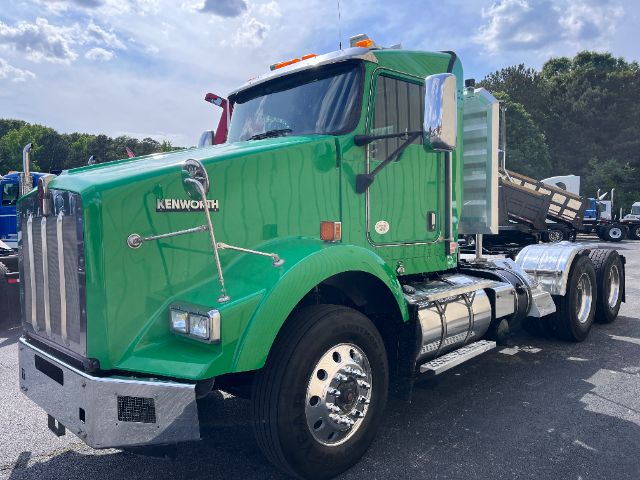
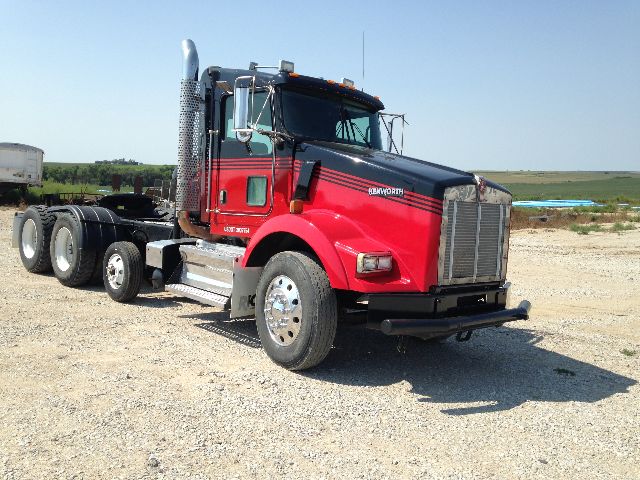
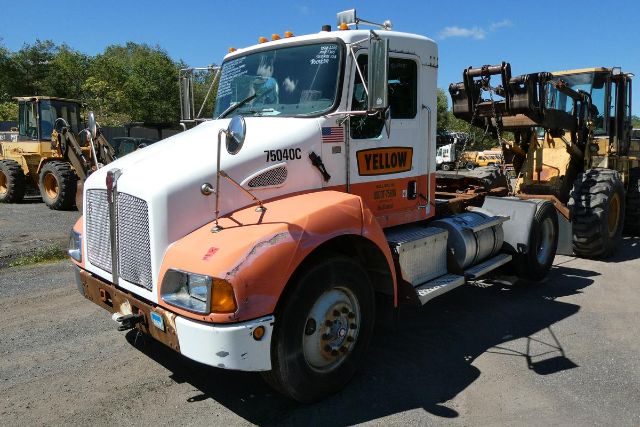
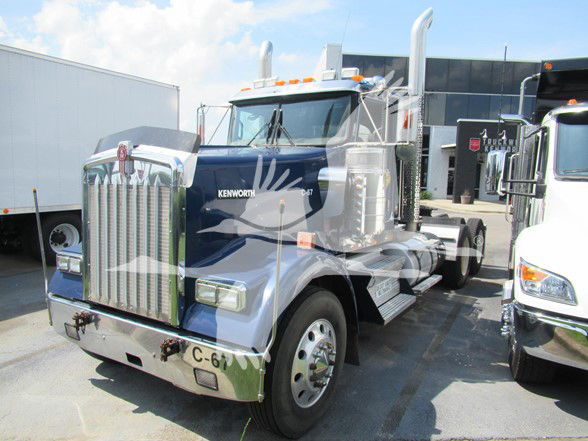
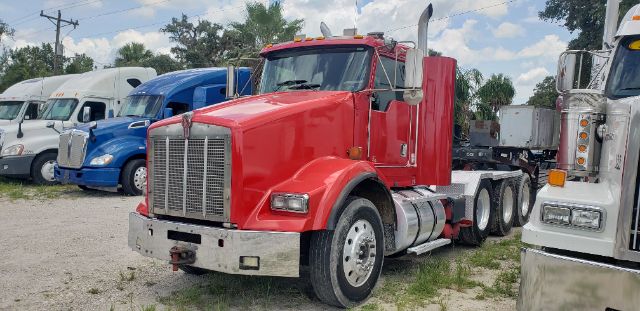
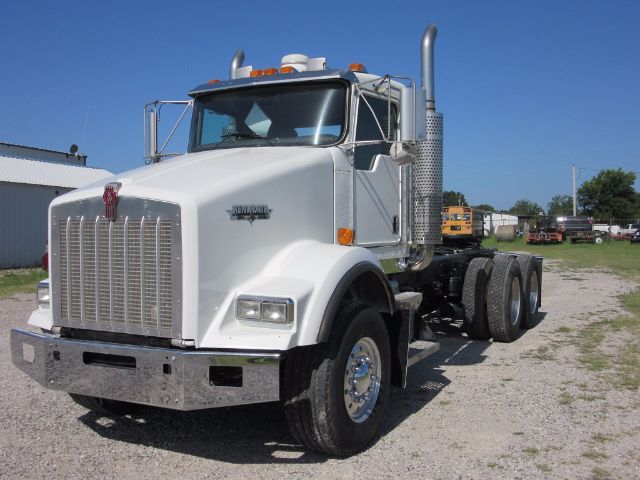
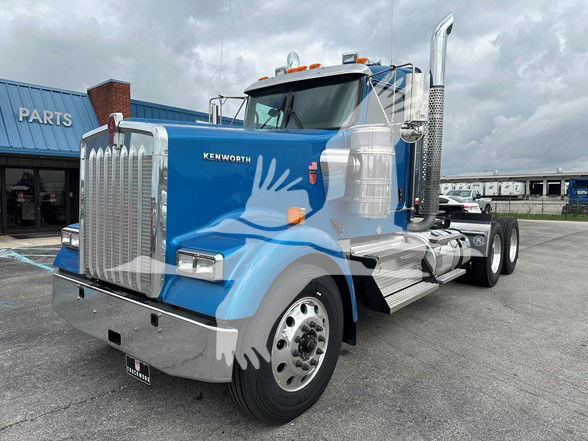
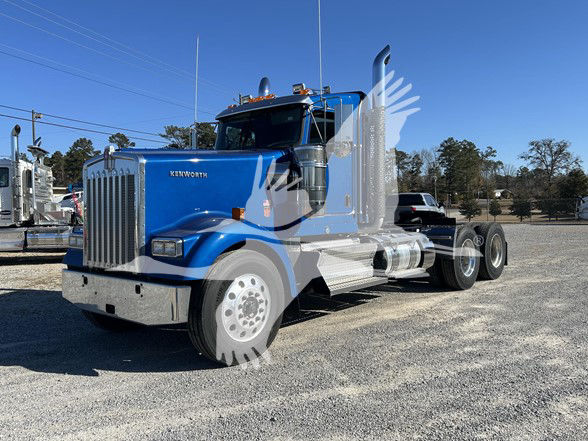
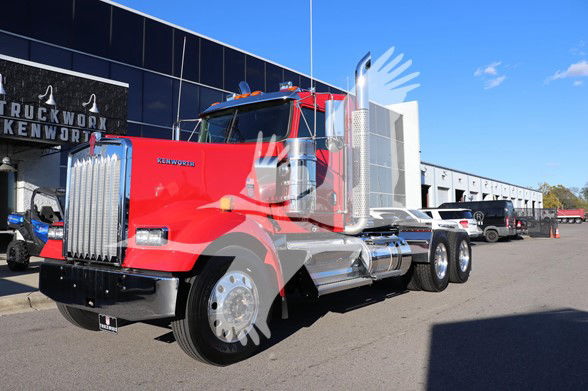
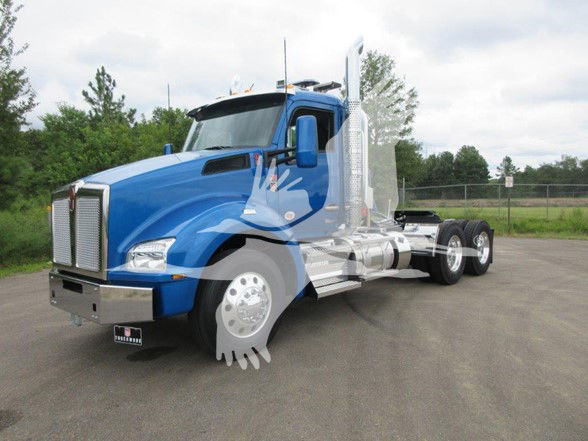
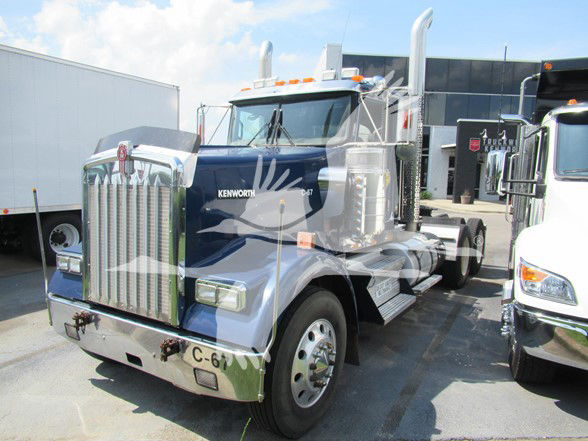
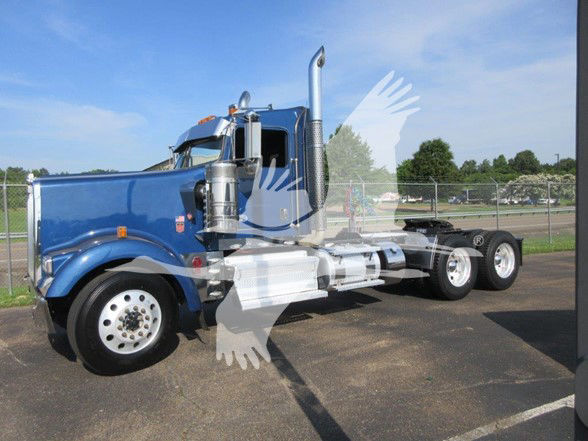
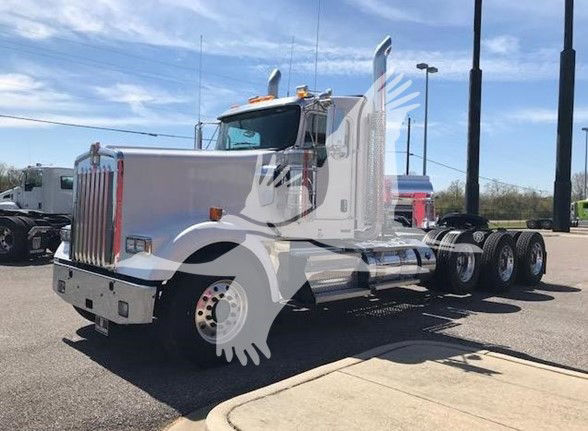
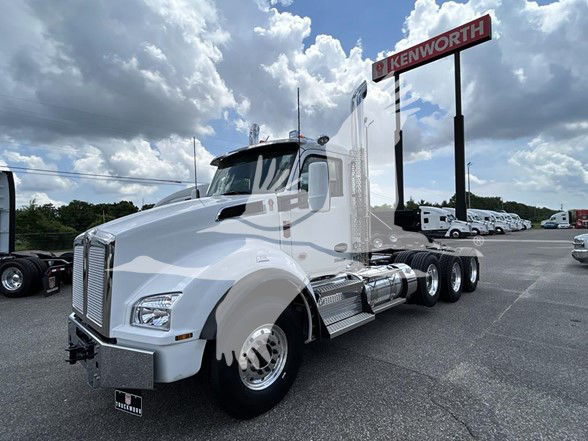
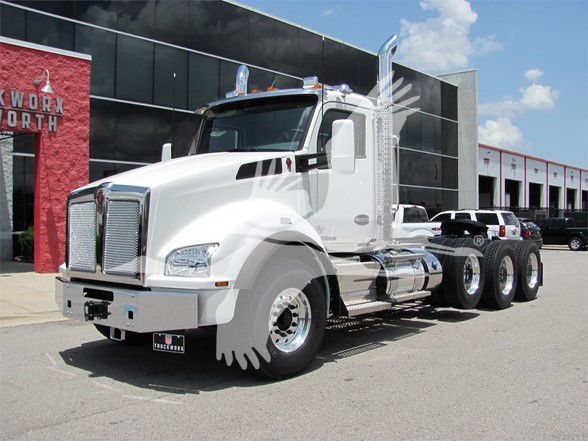
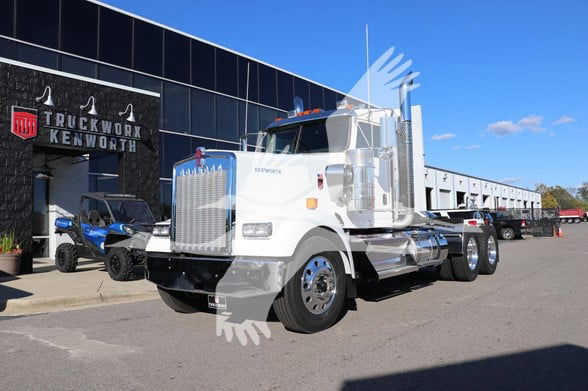
Showing 1 to 24 of 48 results
Have kenworth conventional daycab truck to sell? List it here to reach thousands of buyers.
Kenworth Conventional Daycab Trucks
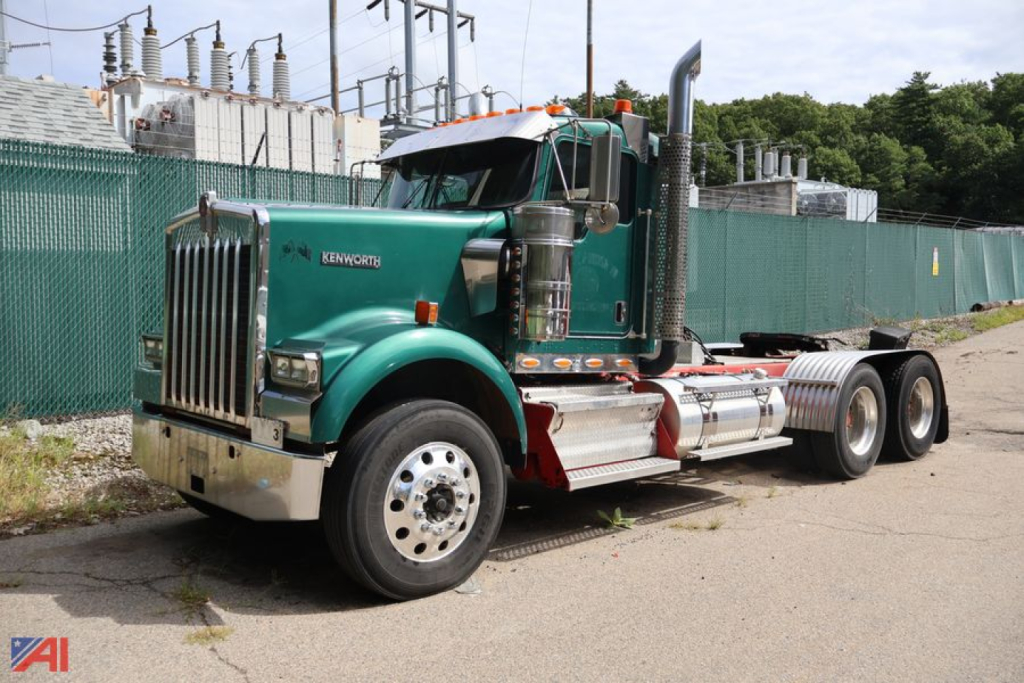
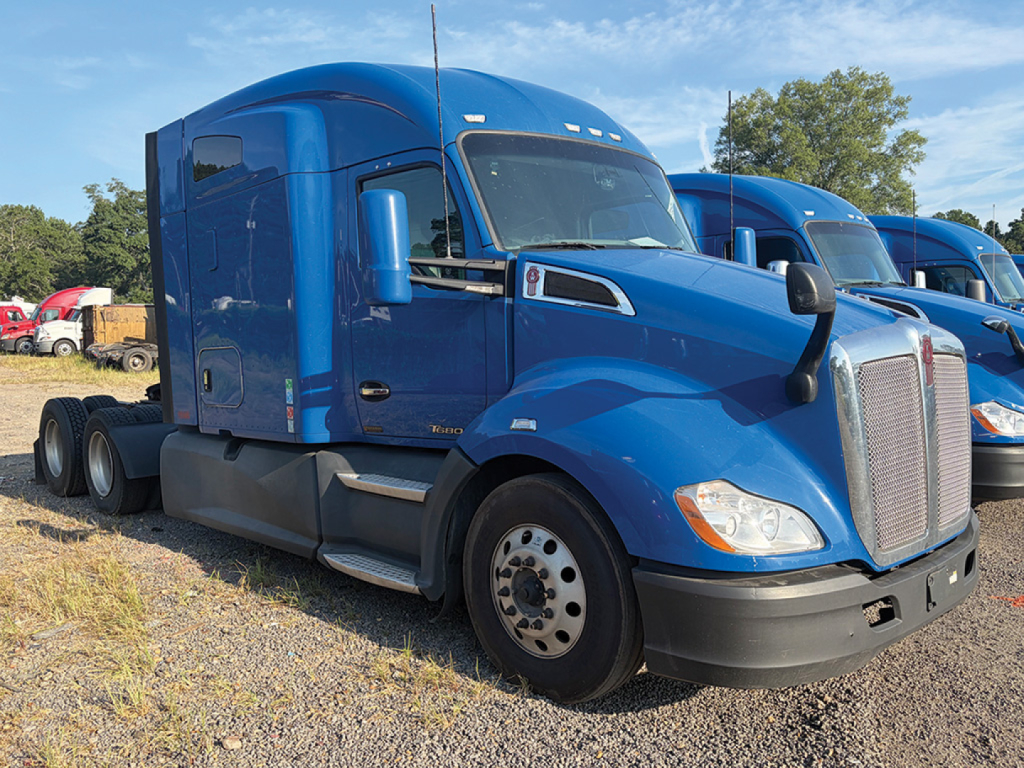
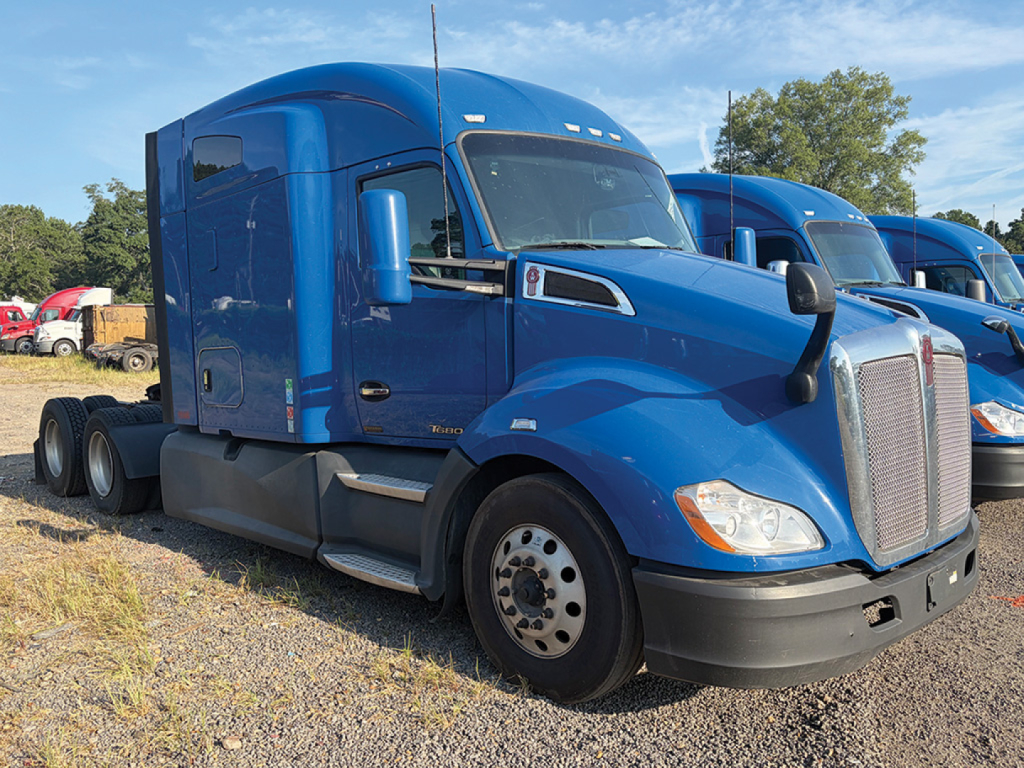
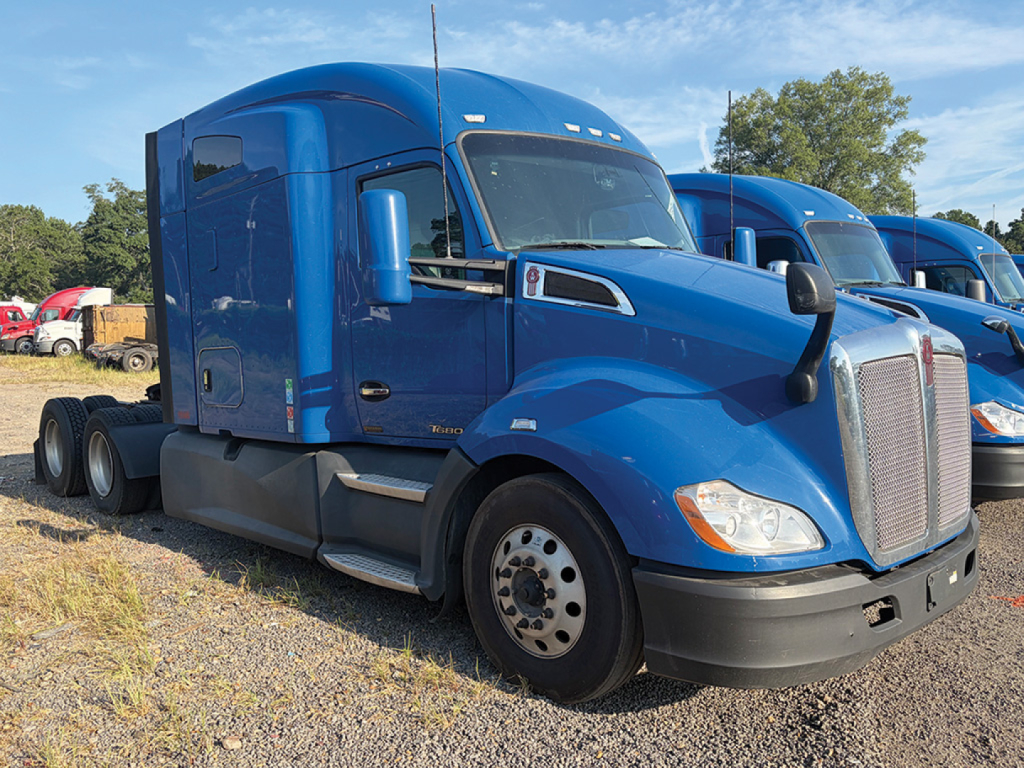
The first buying decision is usually application. A T680 daycab typically fits highway and regional operations where fuel economy, driver ergonomics, and modern dash controls are priorities. Common specs include PACCAR MX-11 or MX-13 engines, automated or manual transmissions, air ride suspension, and 22.5 low-profile tires. A T800 daycab is better known for vocational flexibility, especially when configured with higher GVW ratings, wet kits, heavier front axles, and rugged suspension setups for dump, equipment hauling, or PTO-driven work. A W900L daycab appeals to buyers who want a longer hood conventional with straightforward serviceability, strong resale interest, and room for heavy spec driveline combinations. Across the category, horsepower commonly falls in the 430 to 500 HP range, with rear axle ratings around 40,000 lbs on tandem tractors and ratios selected for either highway speed or low-speed pulling power.
Spec details have a direct effect on operating cost and job fit. Wheelbase, fifth wheel travel, axle ratio, and transmission type should match the trailers and routes the truck will actually run. Shorter wheelbase daycabs are easier around terminals and city docks, while longer wheelbase units may be set up for ride quality, fuel capacity, or vocational equipment like headache racks and hydraulic wet kits. Many buyers also focus on engine brake performance, disc versus drum brakes, aluminum versus steel wheels, and fairing packages that affect maintenance and fuel burn. Inside the cab, features such as air ride seats, digital dash layouts, tilt and telescoping steering, power windows, and modern HVAC matter because regional and local drivers still spend long hours behind the wheel even without a sleeper.
Used Kenworth daycab buyers should pay close attention to emissions system history, transmission calibration, suspension wear, and evidence of heavy PTO or off-road service if the truck came from vocational duty. On highway tractors, look closely at fuel tank condition, fairing damage, steer axle tire wear, and fifth wheel slider operation. If the truck is set up for tanker, dump, or heavy haul support, confirm axle ratings, frame condition, and PTO or wet kit compatibility before purchase. Kenworth conventional daycab trucks hold broad appeal because the lineup covers fuel-efficient fleet tractors, heavy vocational daycabs, and classic long-hood configurations within one brand, giving buyers a wide range of spec choices for local and regional work.
Frequently Asked Questions about Kenworth Conventional Daycab Trucks
What is a Kenworth conventional daycab truck best used for?
A Kenworth conventional daycab truck is best suited for local and regional hauling where overnight sleeper space is not needed. Common applications include dedicated freight, drayage, tanker work, dump service, equipment transport, and terminal-to-terminal runs. The conventional hood layout gives good engine access for service, and the daycab configuration usually reduces weight and overall length compared with a sleeper tractor.
What is the difference between a Kenworth T680, T800, and W900L daycab?
The T680 daycab is generally the aerodynamic highway choice, aimed at fuel economy, regional freight efficiency, and driver comfort. The T800 daycab is typically the vocational option, often spec'd for heavier duty work, PTO applications, and more demanding jobsite conditions. The W900L daycab is a long-hood conventional that is often chosen for classic styling, service access, and heavy-spec driveline setups, with appeal in specialized hauling and owner-operator markets.
What specs matter most when buying a Kenworth daycab?
The most important specs are engine model and horsepower, transmission type, rear axle ratio, suspension, wheelbase, axle ratings, and fifth wheel setup. These determine how the truck performs with your trailers, payload, terrain, and average trip length. Buyers should also check whether the truck has an engine brake, disc or drum brakes, fuel tank capacity, PTO or wet kit equipment, and aerodynamic accessories that affect fuel economy and operating cost.
Are Kenworth daycab trucks available with both manual and automatic transmissions?
Yes. Kenworth conventional daycab trucks are commonly found with both manual transmissions and automated or fully automatic-style options, depending on the model and application. Manual gearboxes remain popular in some heavy haul and traditional fleet operations, while automated transmissions are common in regional and fleet service because they can improve driver consistency, reduce clutch wear, and simplify training.
What should I inspect on a used Kenworth conventional daycab?
A used Kenworth daycab should be inspected for engine and aftertreatment history, transmission operation, differential condition, suspension wear, frame integrity, brake life, and tire wear patterns. On aerodynamic models, inspect fairings, hood alignment, and fuel tank mounts. On vocational trucks, pay extra attention to PTO equipment, wet kits, frame rails, and signs of severe off-road use or high-idle hours. Service records and fault code history are especially important on newer emissions-equipped trucks.