
Kenworth Conventional Day Cab Trucks For Sale in Missouri
Compare Kenworth conventional day cab trucks for sale in Missouri by gearing, axle capacity and emissions history for regional freight or vocational work.
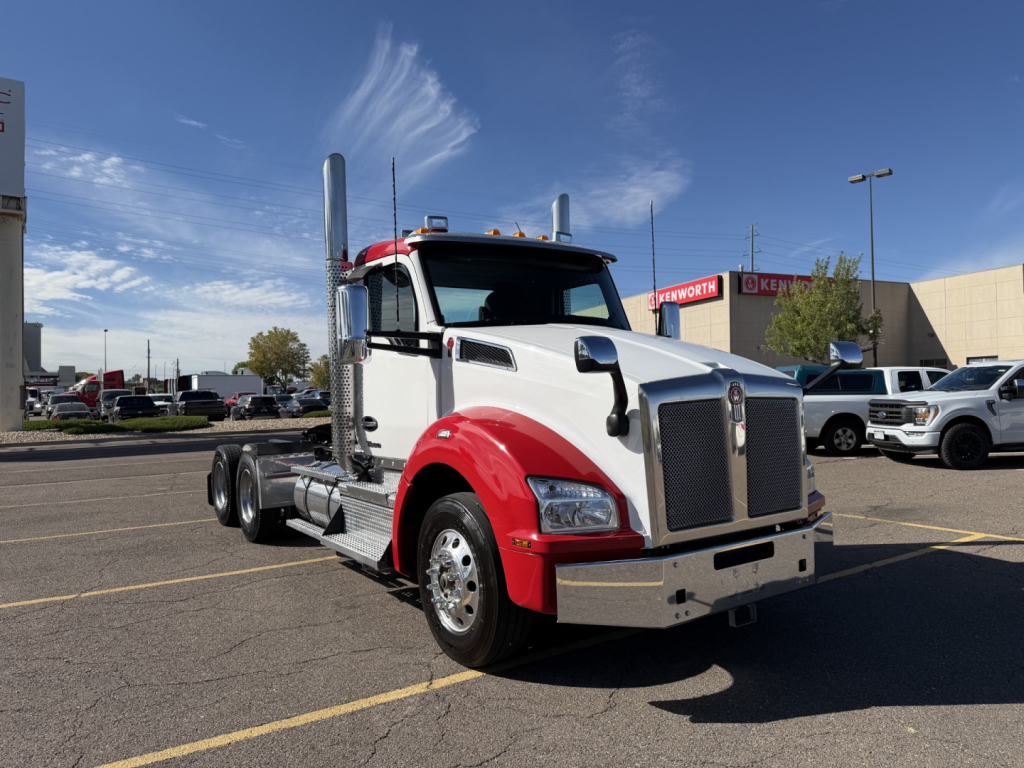
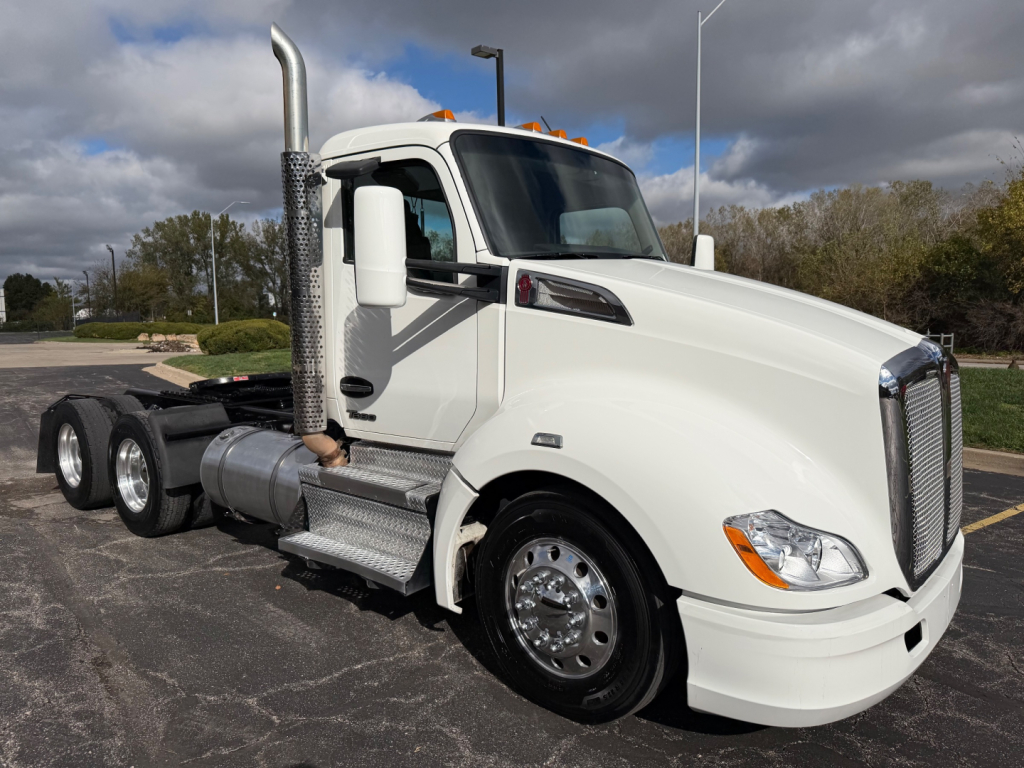
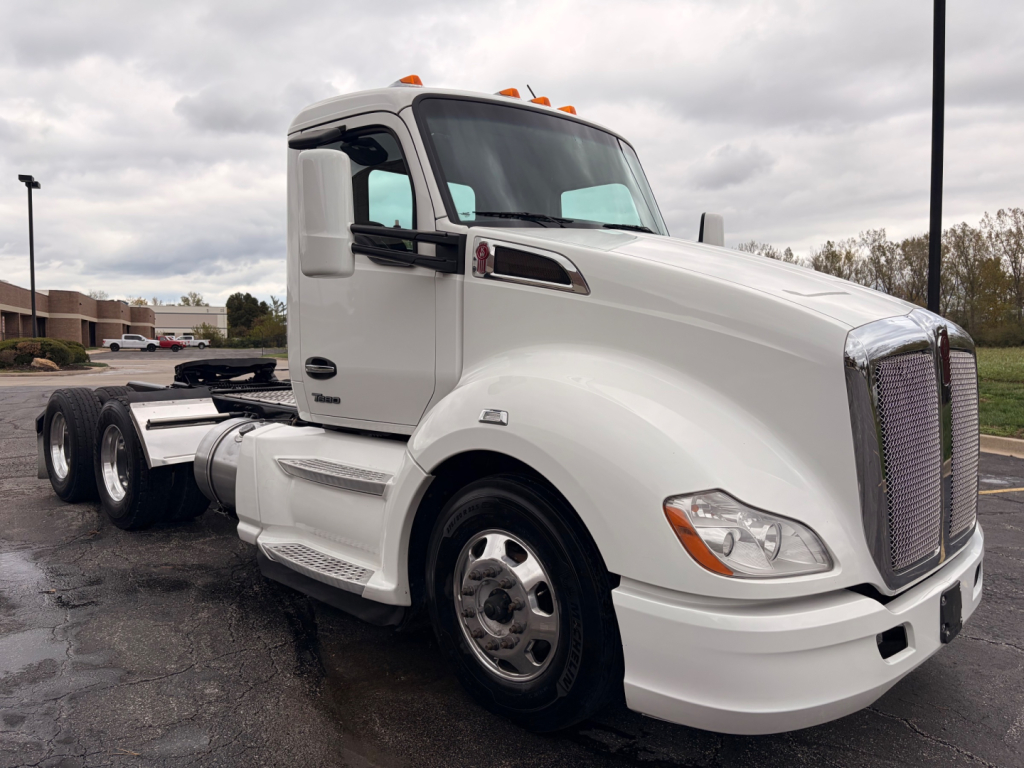
Selling a kenworth conventional day cab truck? List your kenworth conventional day cab truck for sale and reach thousands of commercial buyers.
Kenworth Conventional Day Cab Trucks in Missouri
Match the engine, transmission and axle ratio as a package rather than buying horsepower alone. Depending on model year and chassis, Kenworth day cabs use PACCAR MX-13 or Cummins X15 engines, with Cummins ISX power common in older trucks. Eaton Fuller manuals, automated manuals and later PACCAR automated transmissions require different gearing comparisons. A low numerical axle ratio can suit steady interstate running, but transmission top gear, tire size, loaded starts and gradeability determine whether that combination works. Compare wheelbase, fifth-wheel travel, trailer swing clearance and axle ratings before choosing a tractor for van, hopper, tanker or dump-trailer service. Air-disc versus drum brakes also affects maintenance planning, but neither substitutes for adequate braking-system condition.
Missouri's grain elevators, quarries and manufacturing plants make access conditions as important as interstate performance. Check engine-brake operation for I-44 and Ozark grades, and inspect frame rails, crossmembers, air tanks, brake plumbing and electrical connectors for winter road-treatment corrosion. Examine fifth-wheel brackets and doubled frame sections especially closely because trapped moisture can hide deterioration.
Emissions equipment changes substantially across the model years. The 2007 emissions generation generally introduced diesel particulate filters, while 2010-era PACCAR and Cummins highway engines added SCR systems using DEF. On used tractors, obtain an ECM report showing hours, idle time and fault history, then compare those records with maintenance invoices. Check DPF cleaning documentation, regeneration complaints and repairs to DEF dosing or NOx-sensor systems; missing emissions hardware is a serious compliance problem.
A used day cab also needs a cold start, cooling-system pressure test and loaded road test to expose clutch, shift-quality, driveline and suspension problems. Frequent coupling can wear fifth-wheel jaws and mounting hardware even when mileage looks modest. For a new tractor, specify PTO provisions, hydraulic requirements, fuel capacity and axle ratings before the build is finalized. Confirm engine, transmission and chassis warranty terms, and account for the 12% federal excise tax on qualifying new heavy highway tractors.
Frequently Asked Questions about Kenworth Conventional Day Cab Trucks in Missouri
What CDL do I need to drive a Kenworth day cab and semitrailer in Missouri?
A Class A CDL is normally required for a Kenworth day cab pulling a semitrailer in Missouri. The federal threshold is a combination rated or weighing 26,001 pounds or more with a towed unit rated or weighing more than 10,000 pounds, using the applicable higher rating or actual weight. Agricultural exemptions have specific qualifications, and an air-brake restriction can prevent operation of a typical heavy tractor.
Does a Kenworth T880 day cab need a wet kit to pull a dump trailer?
A Kenworth T880 needs a compatible hydraulic wet kit to operate a dump trailer unless the trailer has its own hydraulic power source. PTO provisions alone do not mean the tractor has a complete operating system. Match pump flow, working pressure, reservoir capacity, hydraulic connections and control arrangement to the trailer manufacturer's requirements, and inspect used hydraulic systems for contamination and leaks.
How much weight can a Kenworth day cab haul legally on Missouri interstates?
A conventional five-axle tractor-semitrailer combination normally operates under an 80,000-pound gross limit on Missouri interstates, subject to axle spacing and other restrictions. Standard federal limits include 20,000 pounds on a single axle and 34,000 pounds on a tandem. A Kenworth day cab's legal payload also depends on empty combination weight, bridge-formula compliance, equipment ratings, registration and any applicable permits or exemptions.
How can I tell a factory Kenworth day cab from a sleeper conversion?
Kenworth's original factory build record is the best starting point for distinguishing a factory day cab from a sleeper conversion. Compare the original cab configuration and wheelbase with the tractor as presented. On a converted truck, inspect the rear cab panel, weather sealing, cab supports, seat travel and any frame alterations. A sound conversion still needs documentation and a careful structural inspection.
Does factory warranty transfer with a used Kenworth day cab?
Remaining factory warranty on a used Kenworth day cab must be verified by VIN and component serial numbers rather than assumed from model year. Confirm the original in-service date, mileage and hour limits, covered components and transfer requirements. Engine, aftertreatment, transmission and chassis coverage can have different terms, and extended coverage may require a formal transfer and supporting maintenance records.