
2020 Kenworth Conventional Daycab Trucks For Sale
Shop 2020 Kenworth conventional daycab trucks. Compare T680, T880, and medium-duty specs, wheelbases, engines, and vocational setups.
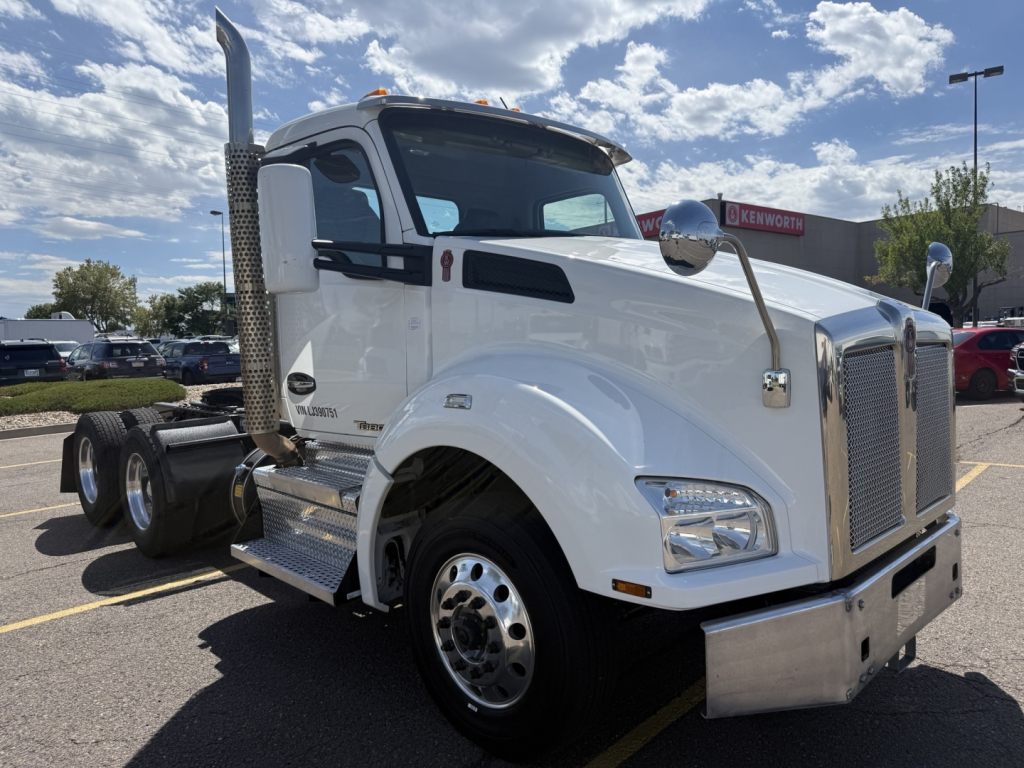
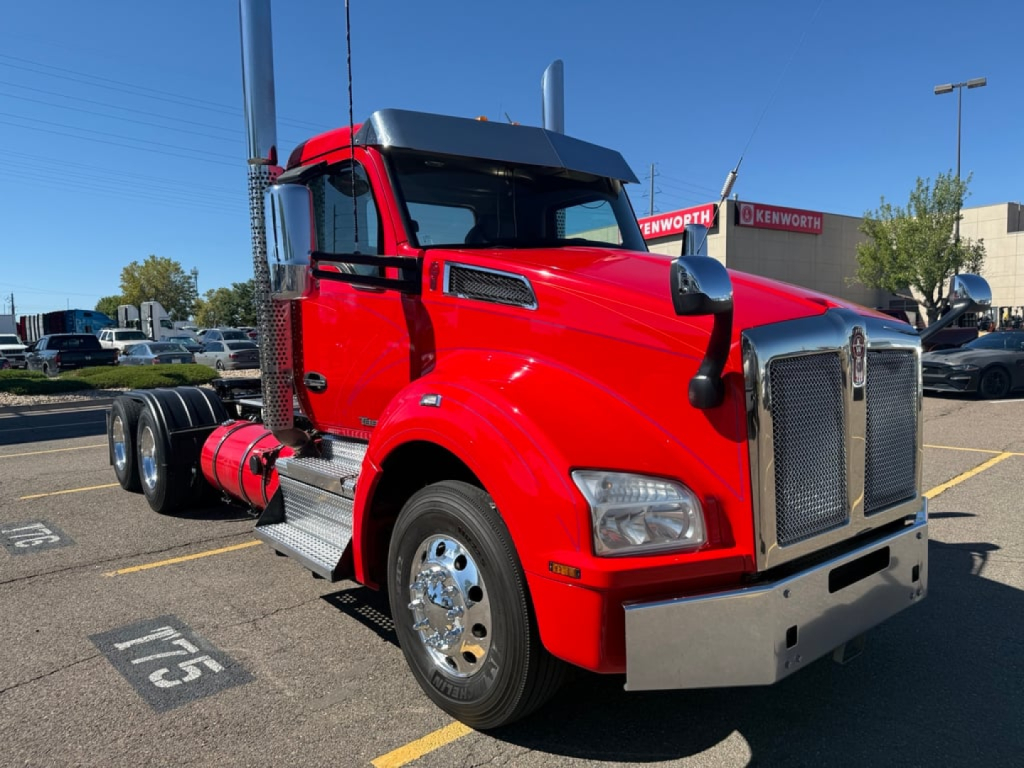
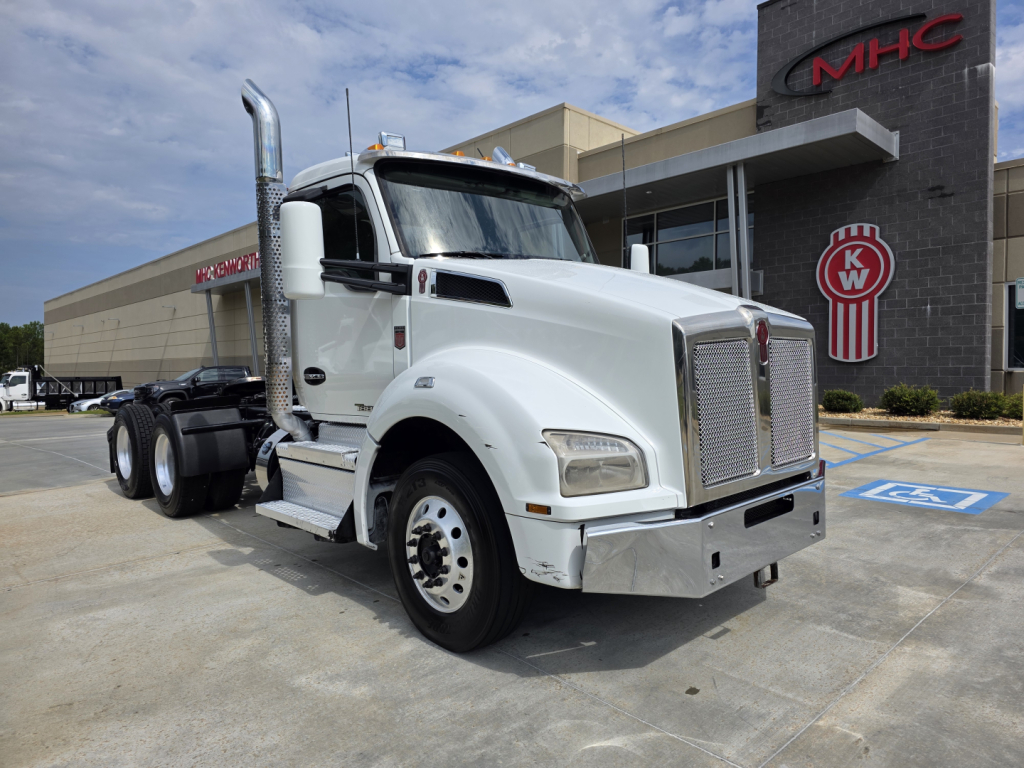
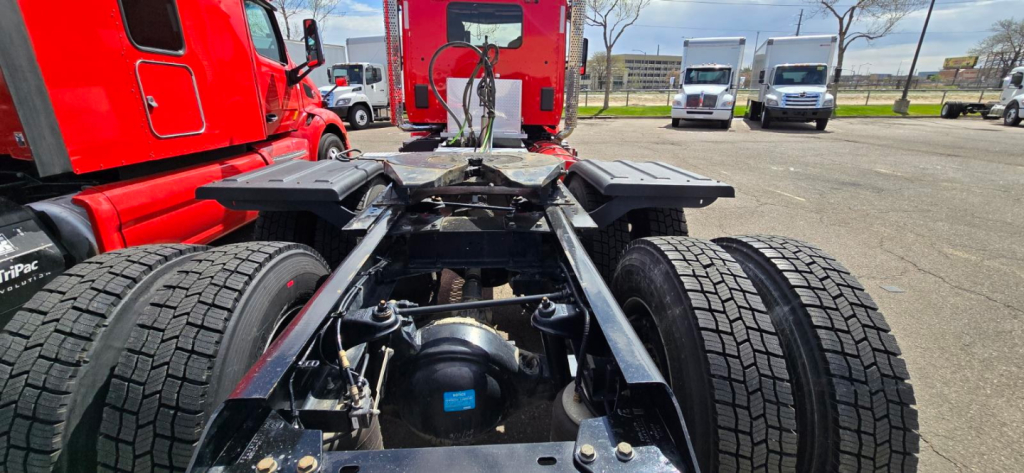
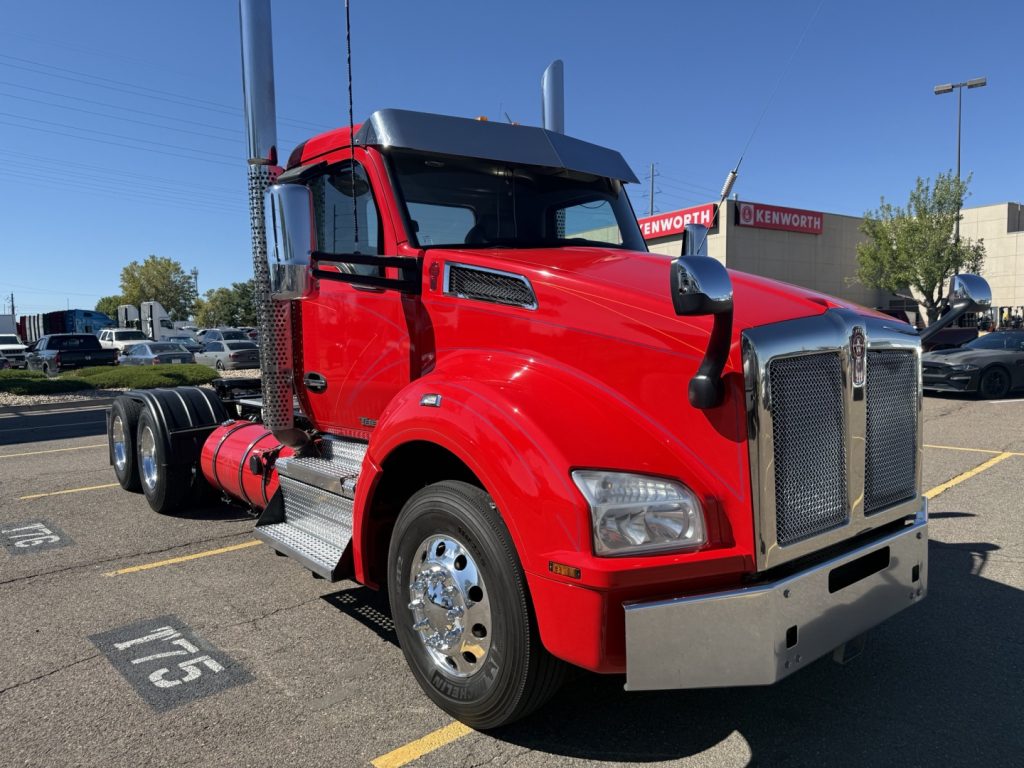
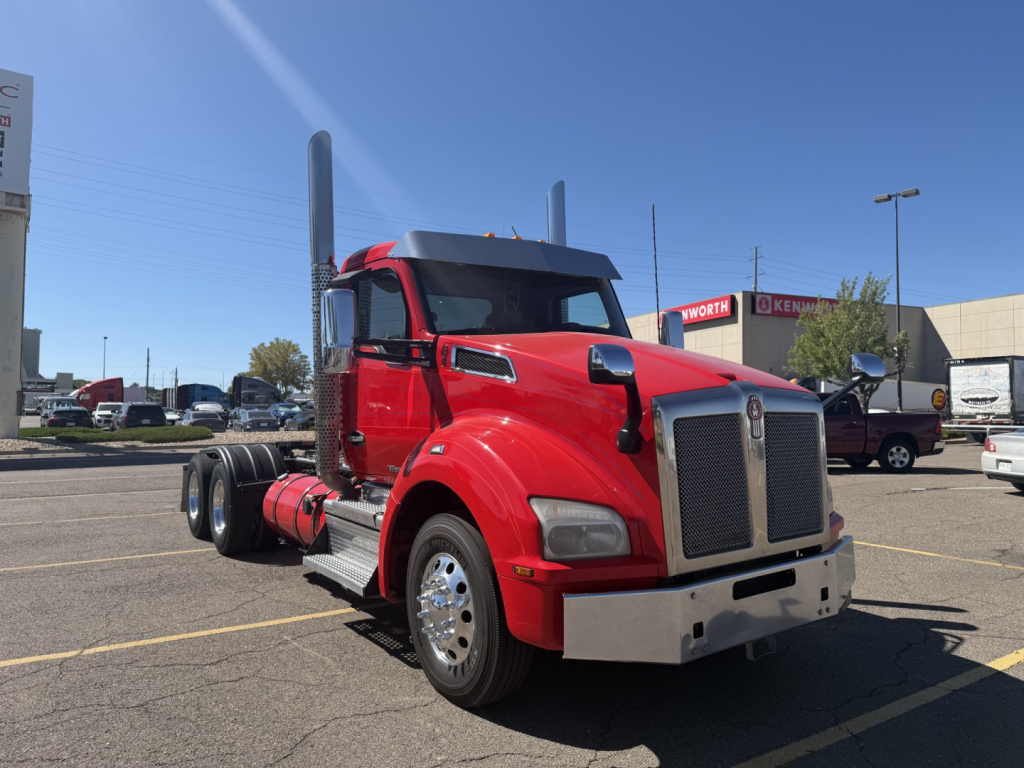
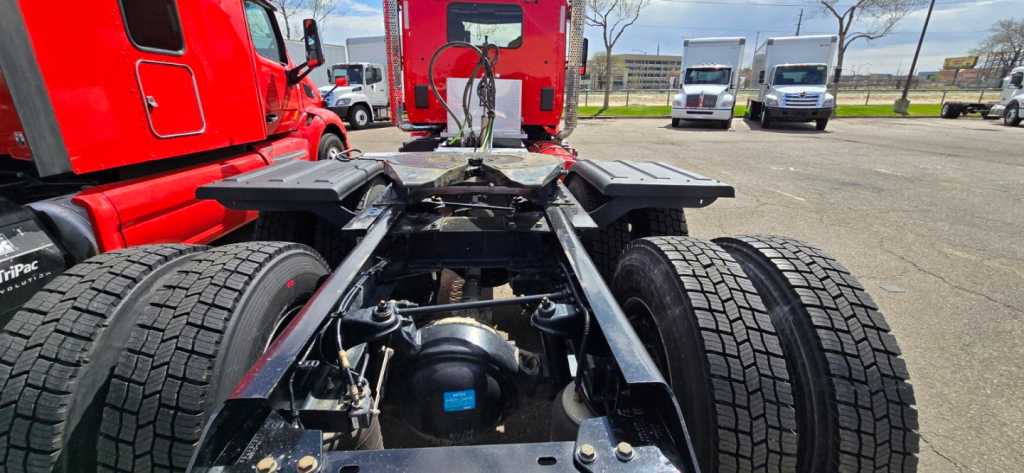
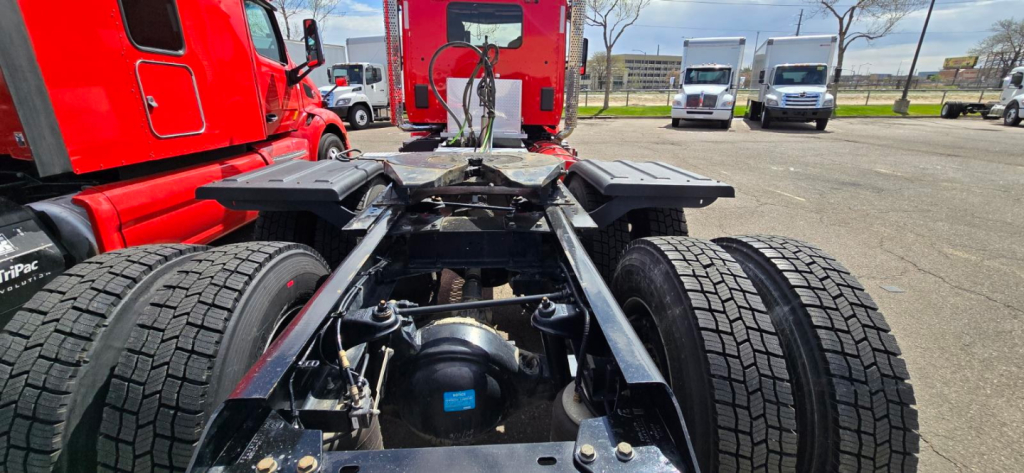
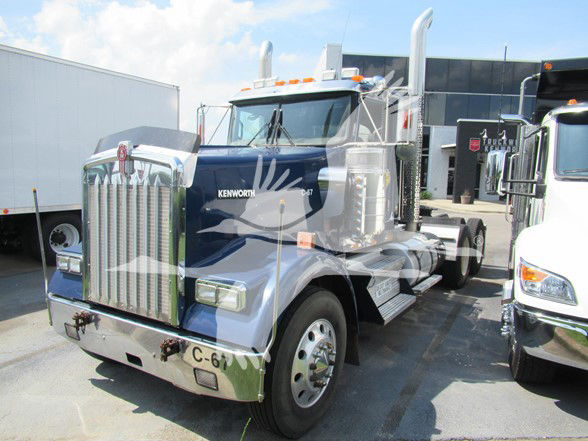

Showing 1 to 28 of 29 results
Selling a 2020 kenworth conventional daycab truck? List your 2020 kenworth conventional daycab truck for sale and reach thousands of commercial buyers.
2020 Kenworth Conventional Daycab Trucks
The first buying decision is usually application, because that drives everything else. A highway-oriented 2020 Kenworth daycab often carries a PACCAR MX-13 or Cummins X15 with automated transmission, tandem rears, air ride suspension, aerodynamic fairings, and a shorter wheelbase for fifth wheel trailer work. A vocational or heavy-spec truck may be set up with a T880 chassis, higher rear axle ratings, locking differentials, heavier suspension, PTO provisions, and gear ratios better suited for dump, lowboy, or equipment hauling. Medium-duty daycab and straight truck variants can show up with PACCAR PX-6 power, single axle layouts, spring suspension, van bodies, and longer wheelbases depending on body length and axle placement.
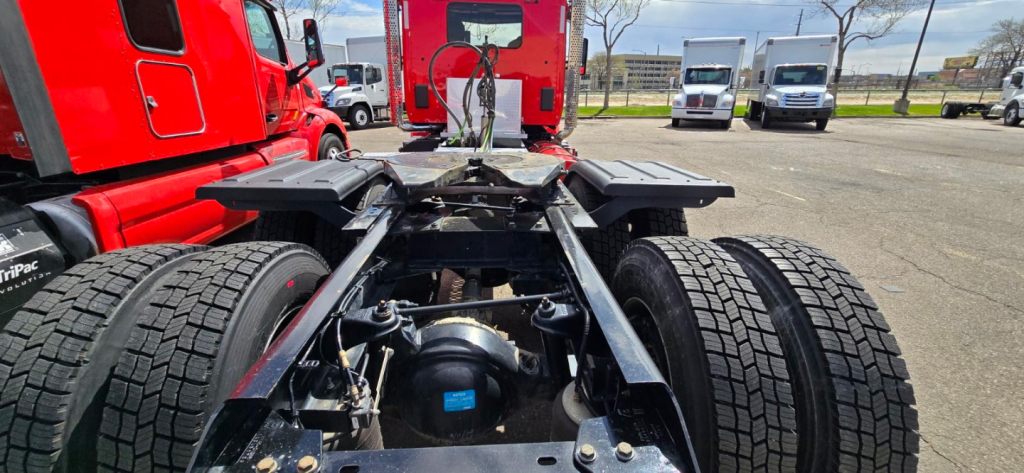
On a used 2020 model, pay close attention to axle ratings, wheelbase, and fifth wheel configuration before comparing horsepower alone. A 170 to 180 inch wheelbase is common on tandem axle road tractors, but exact dimensions matter for bridge law, trailer swing clearance, and weight distribution. Rear ratios such as 2.64 favor fuel-efficient highway use, while deeper ratios are more appropriate for start-stop service or heavy loads. Buyers should also verify transmission type, engine brake spec, suspension design, brake type, and tire size. Disc brakes, air slide fifth wheels, aluminum wheels, and driver-focused features like digital dash, tilt-telescoping steering, and upgraded interiors are common value points on late-model Kenworth daycabs.
A 2020 Kenworth conventional daycab is often attractive because it sits in a practical age range for fleets and owner-operators who want modern emissions systems, updated cab ergonomics, and strong parts support without stepping into new-truck pricing. Service history matters. Review DPF and SCR maintenance, idle hours, clutch or automated transmission performance, front axle wear, and any evidence of frame or suspension modification. If the truck is a straight truck conversion or vocational build, confirm body integration, PTO operation, and actual usable payload. The best unit is not simply the newest or highest horsepower truck. It is the one whose engine, axle, wheelbase, and cab configuration match the route, trailer, and daily work cycle.
Frequently Asked Questions about 2020 Kenworth Conventional Daycab Trucks
What are the most common 2020 Kenworth daycab models buyers look for?
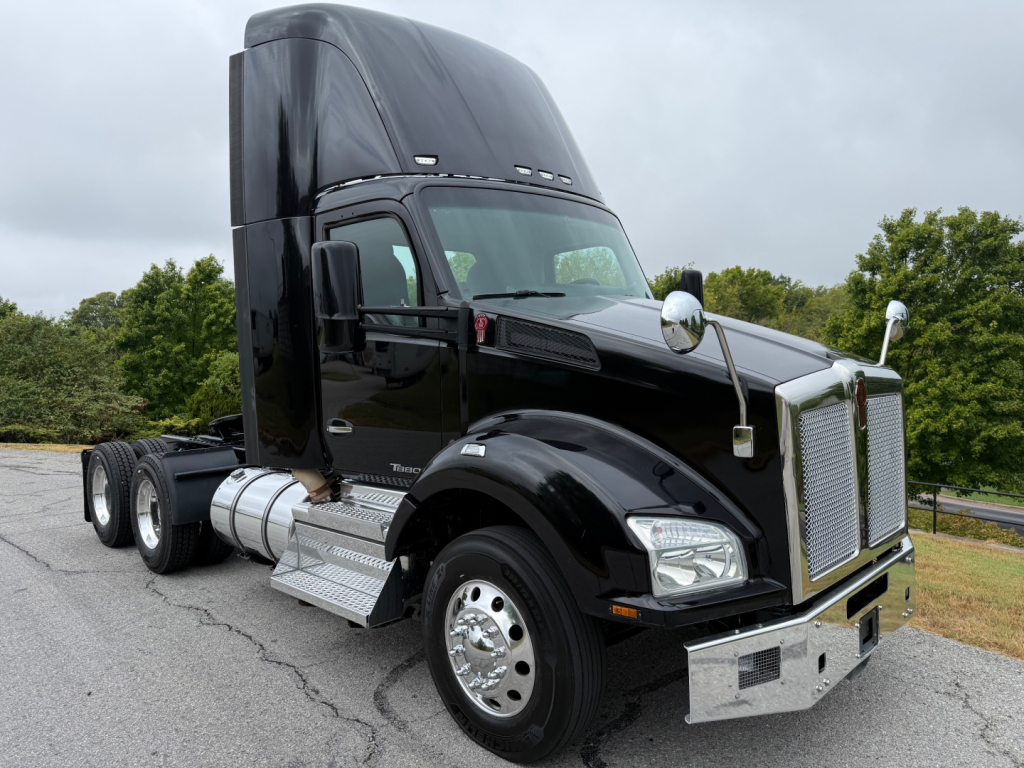
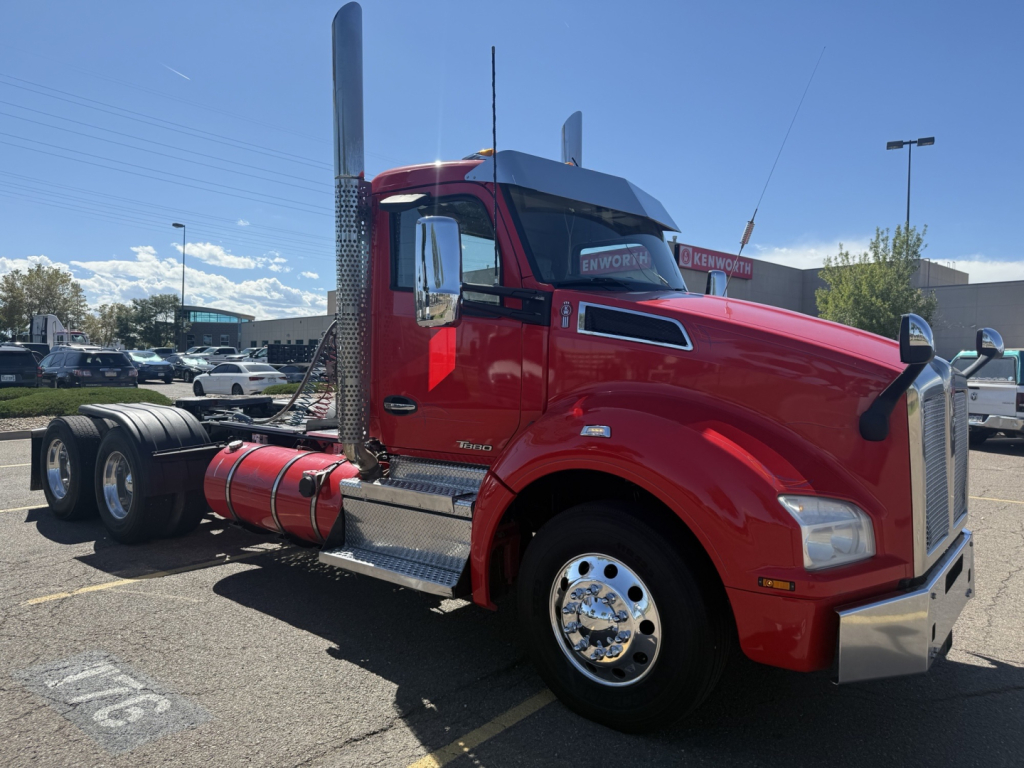
The most common 2020 Kenworth conventional daycab models depend on the job. The T680 is a frequent choice for regional and highway tractor work because it is aerodynamic and commonly spec'd with tandem axles, automated transmissions, and fuel-efficient rear ratios. The T880 is more common in vocational and severe-service applications where heavier front axles, tougher suspensions, PTO capability, and durable chassis components matter more than highway aerodynamics. Medium-duty buyers may also find T270 or similar straight truck configurations used for box, reefer, or local delivery work.
Is a 2020 Kenworth daycab better suited for local hauling or regional freight?
A 2020 Kenworth daycab can do both, but the spec determines where it performs best. A T680 daycab with an MX-13 or X15, air ride suspension, and a 2.64 rear ratio is usually aimed at regional freight, short interstate runs, and drop-and-hook operations. A shorter wheelbase and lighter spec can improve maneuverability in urban work, while a vocational T880 with heavier suspension and deeper gearing is better for construction, dump, equipment, or low-speed heavy-haul applications. Buyers should match the truck's wheelbase, axle rating, and drivetrain to actual route conditions rather than assuming every daycab fits the same duty cycle.
What should I check first on a used 2020 Kenworth conventional daycab?
Start with the truck's original and current spec sheet. Confirm engine model, horsepower, transmission, rear axle rating, ratio, wheelbase, suspension, and brake type. Then review maintenance records with close attention to emissions aftertreatment service, engine fault history, transmission calibration or clutch wear, and front-end or suspension repairs. On a tractor, inspect fifth wheel wear, frame condition, and tire pattern consistency. On a straight truck, verify body installation quality, axle placement, roll-up door condition, floor wear, and payload suitability. A clean appearance matters less than a truck whose spec and maintenance history support the work it is expected to do.
What wheelbase is typical on a 2020 Kenworth daycab tractor?
Many tandem axle Kenworth daycab tractors fall in roughly the 170 to 180 inch wheelbase range, but there is no single standard because wheelbase is application-driven. Shorter setups can improve turning radius and yard maneuverability, while longer setups may be required for bridge compliance, larger fuel capacity, or clearance with certain trailers and sliding fifth wheel positions. Buyers should evaluate wheelbase together with kingpin setting, trailer type, axle spacing, and state weight rules. The right dimension is the one that keeps the truck legal, balanced, and practical in its normal lane of work.
Are 2020 Kenworth daycabs available in both tractor and straight truck configurations?
Yes. The conventional daycab category includes both daycab tractors and non-sleeper straight trucks built on conventional Kenworth chassis. Tractor versions are common in freight, drayage, tanker, and vocational trailer applications. Straight truck versions may carry van bodies, flatbeds, service bodies, or other upfits for local delivery and commercial service work. That distinction matters because the same cab style can be paired with very different axle ratings, wheelbases, suspensions, and powertrains depending on whether the truck is pulling a trailer or carrying its own body and payload.