
Kenworth Conventional Daycab Trucks For Sale in Colorado
Shop Kenworth conventional daycab trucks for sale in Colorado. Compare T680, T880, specs, wheelbases, engines, and daycab applications.
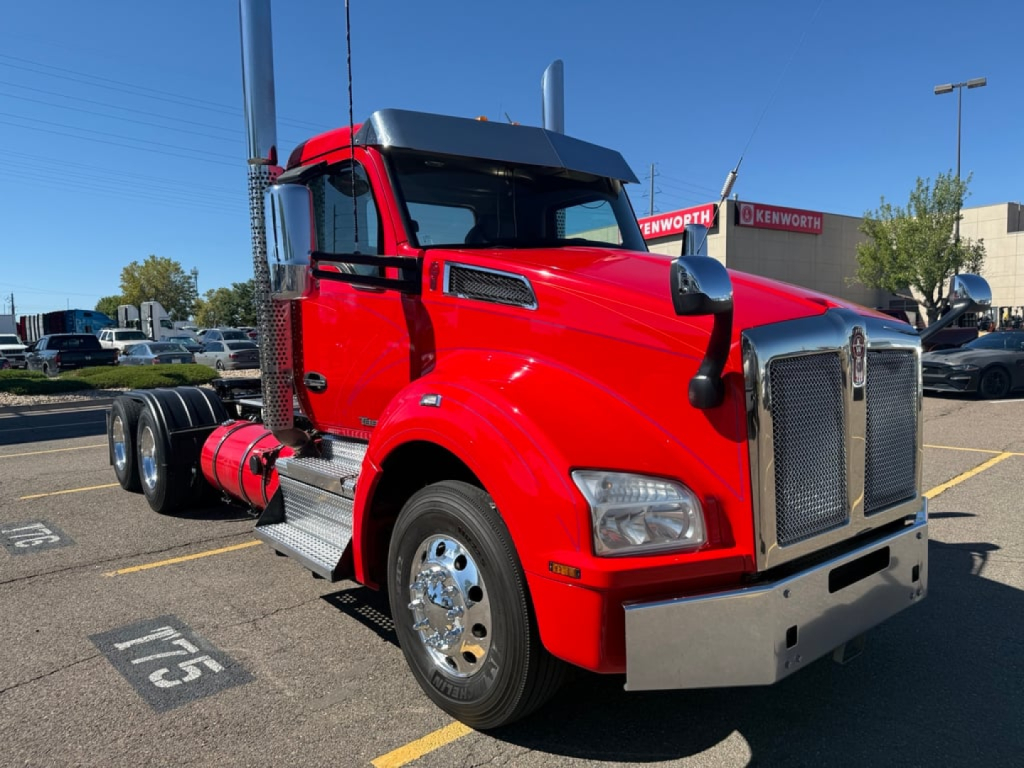
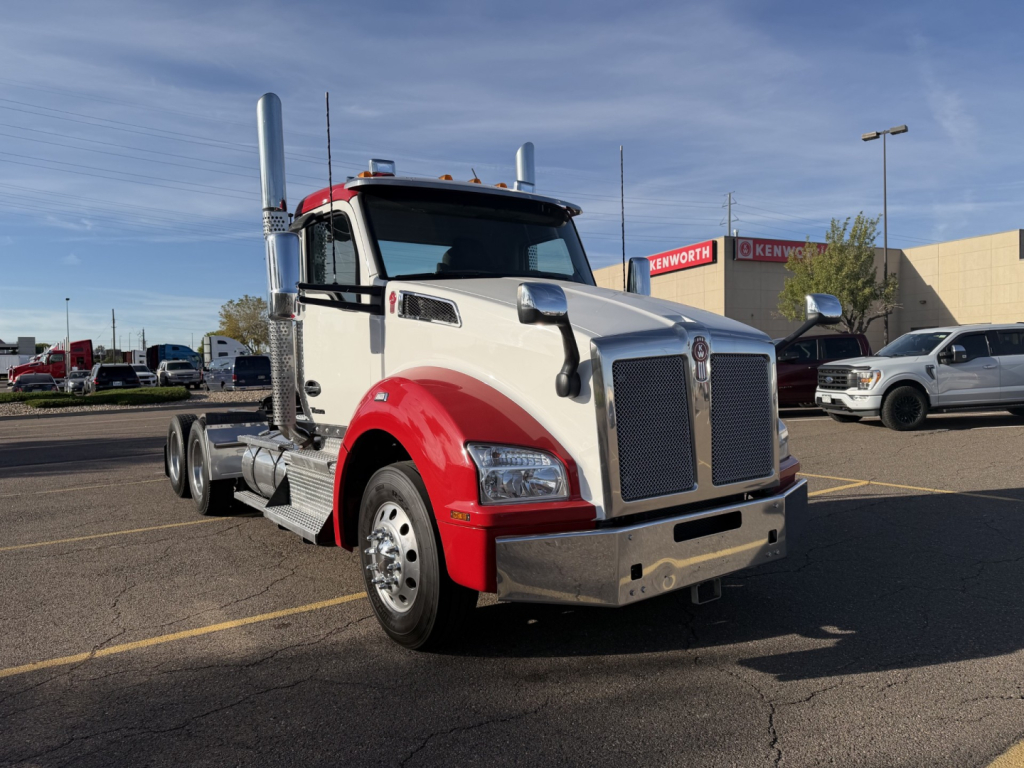
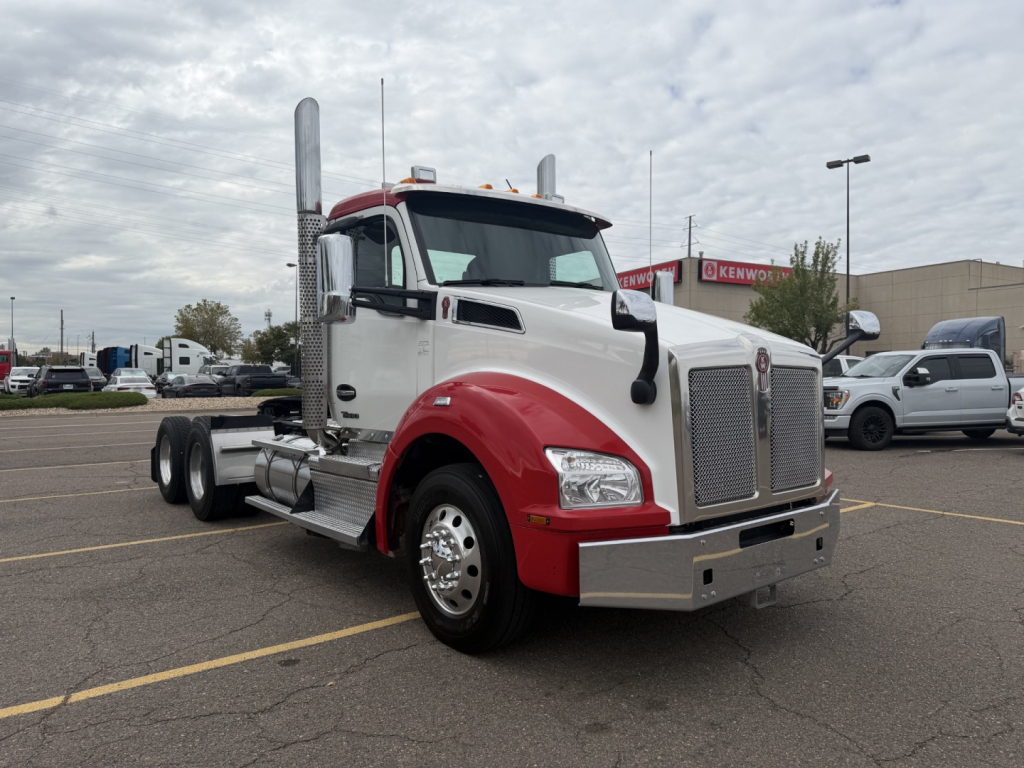
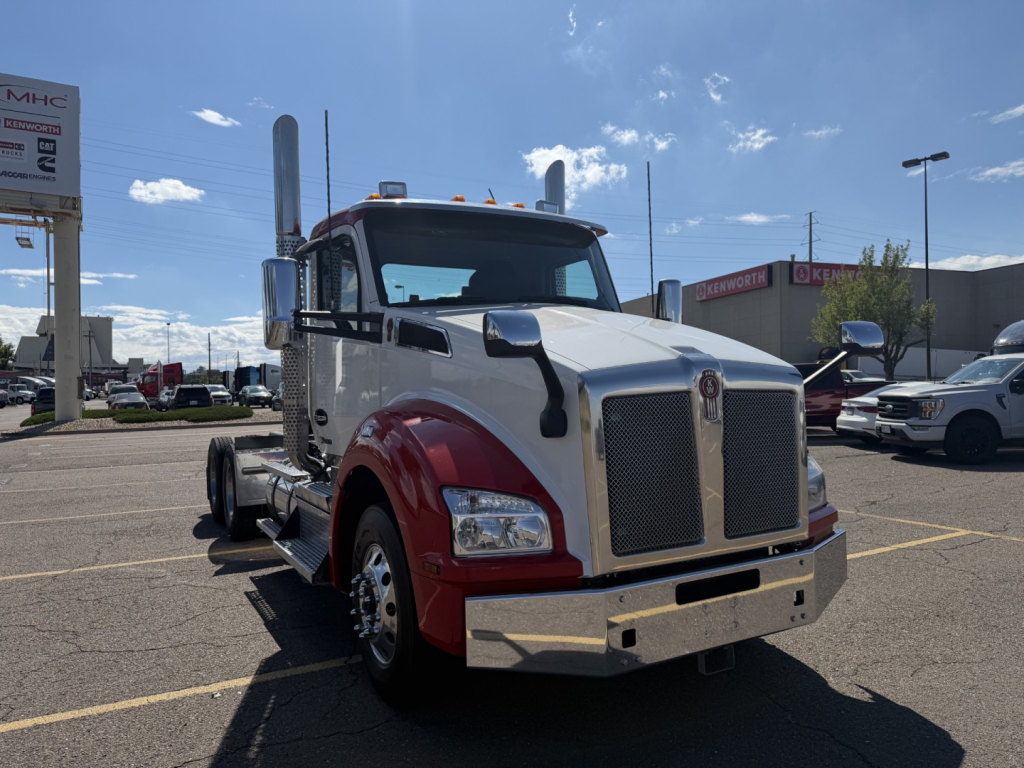
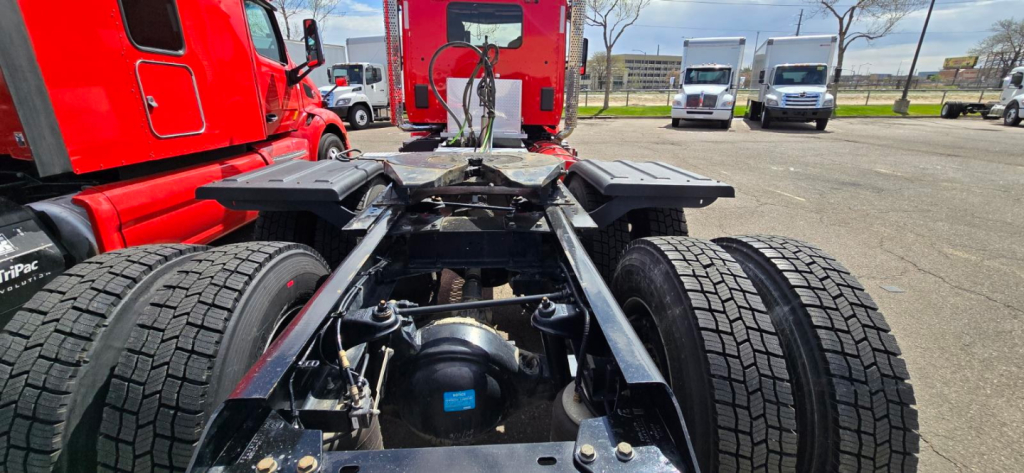
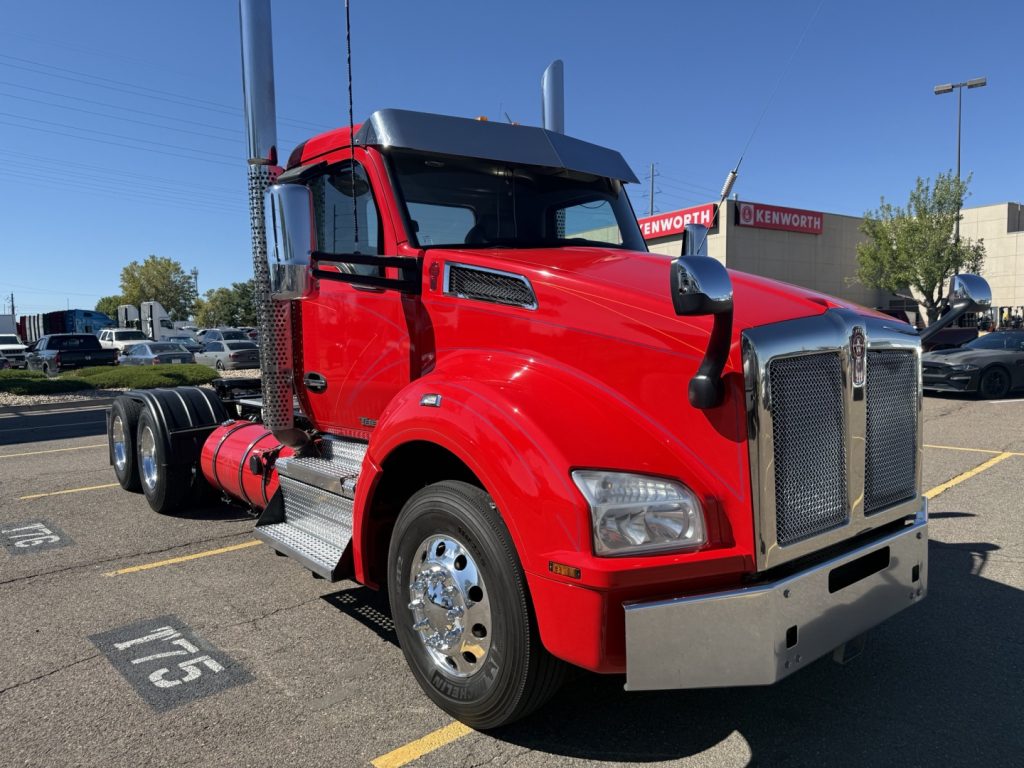
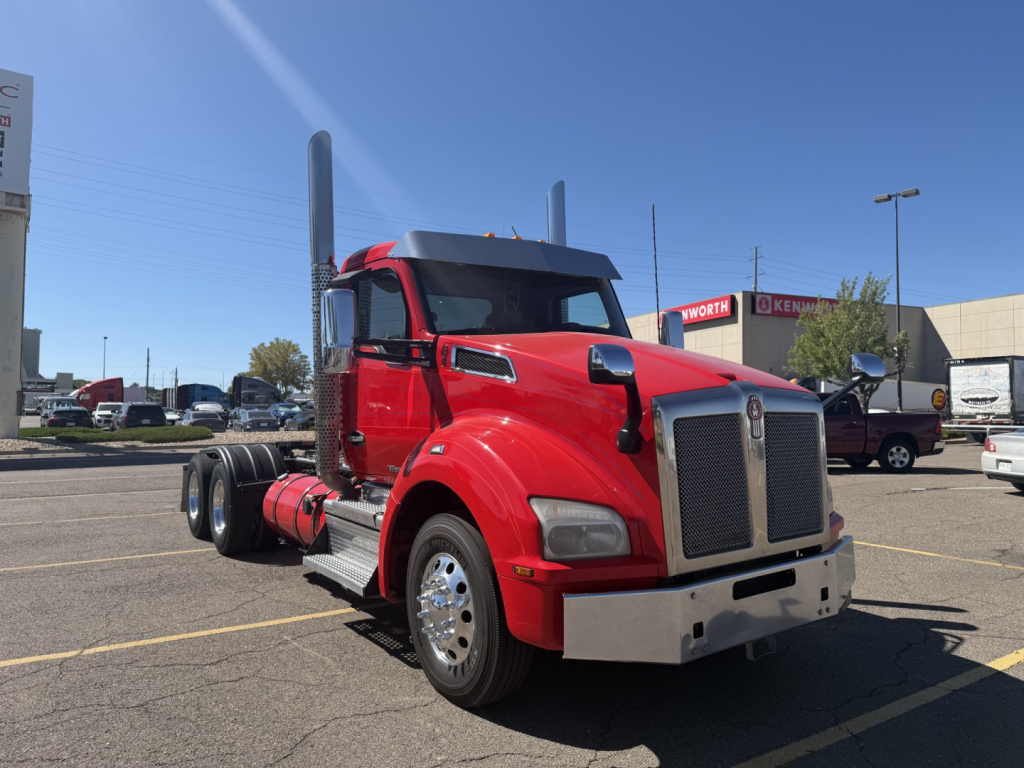
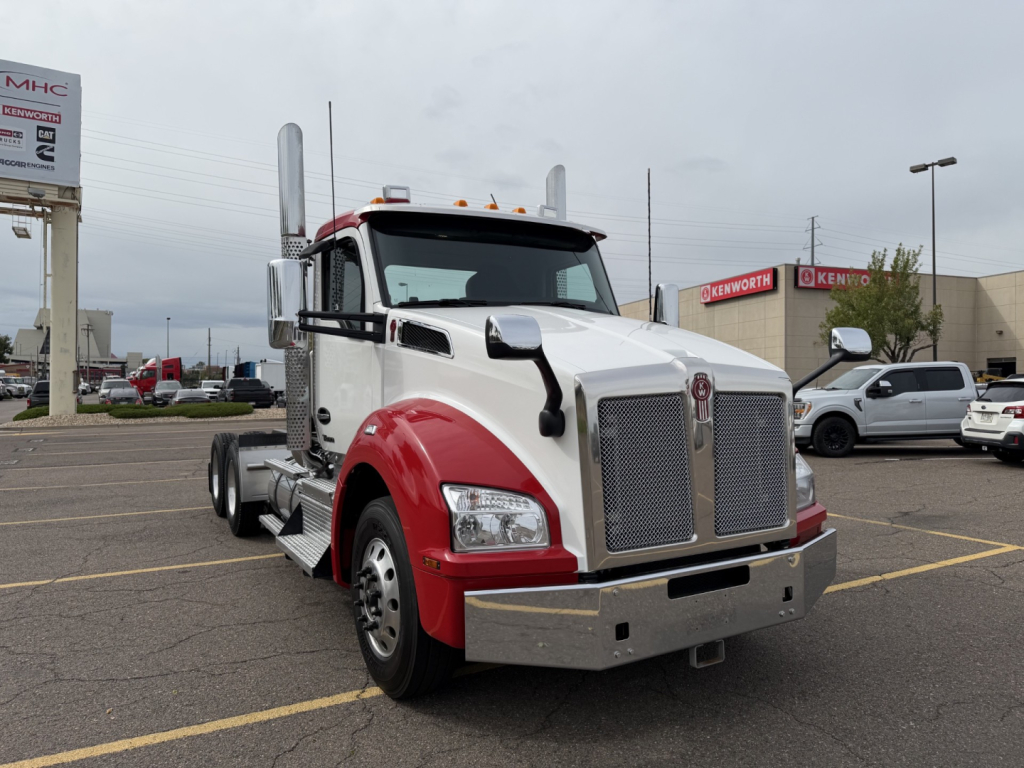
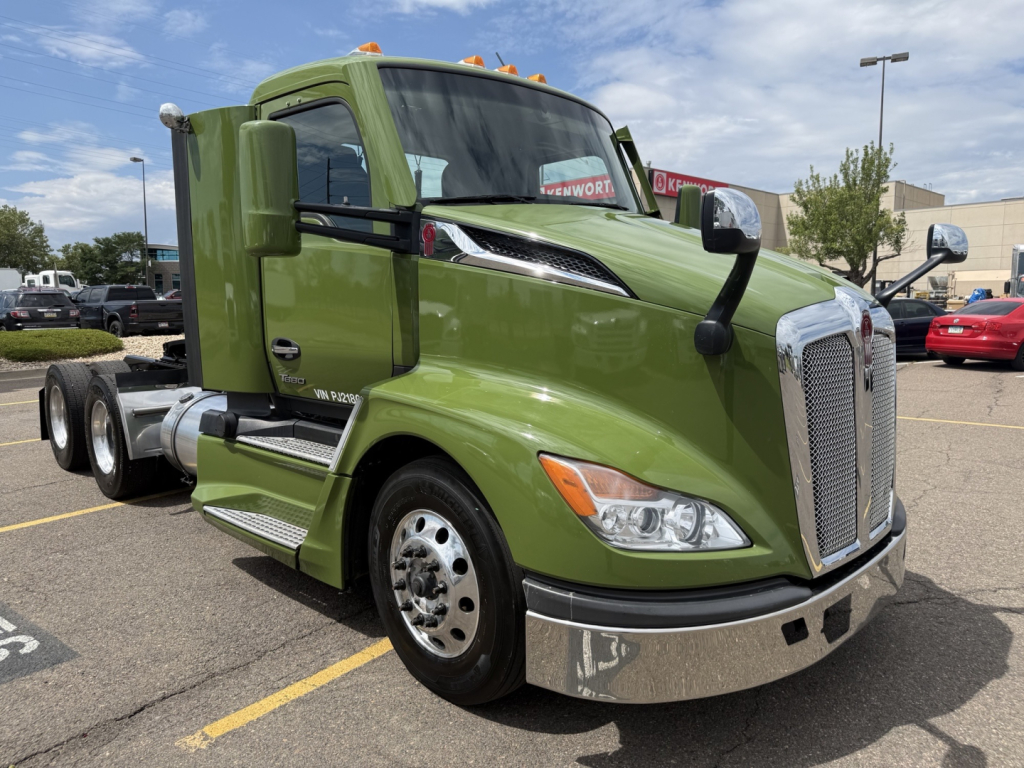
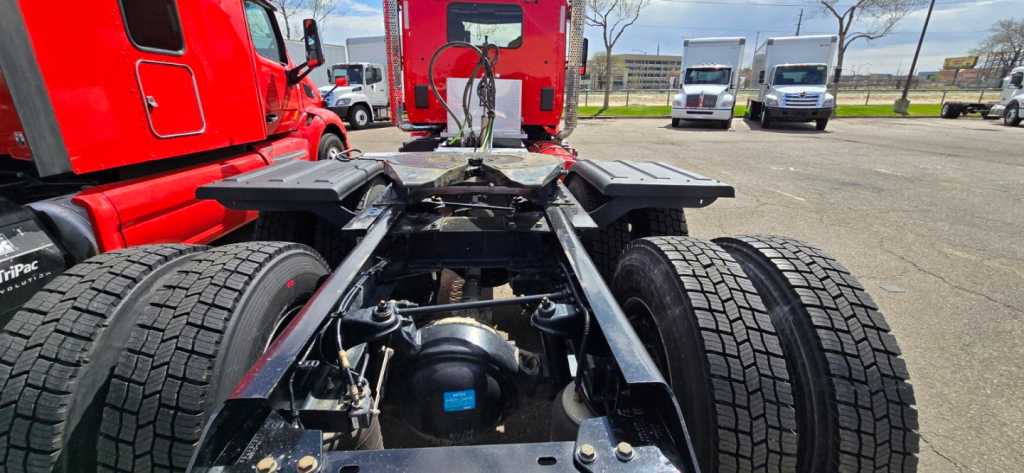
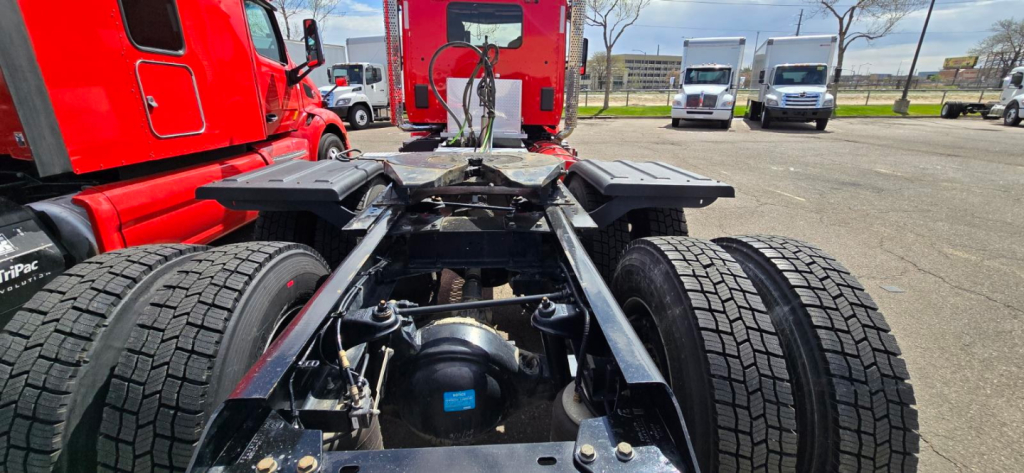
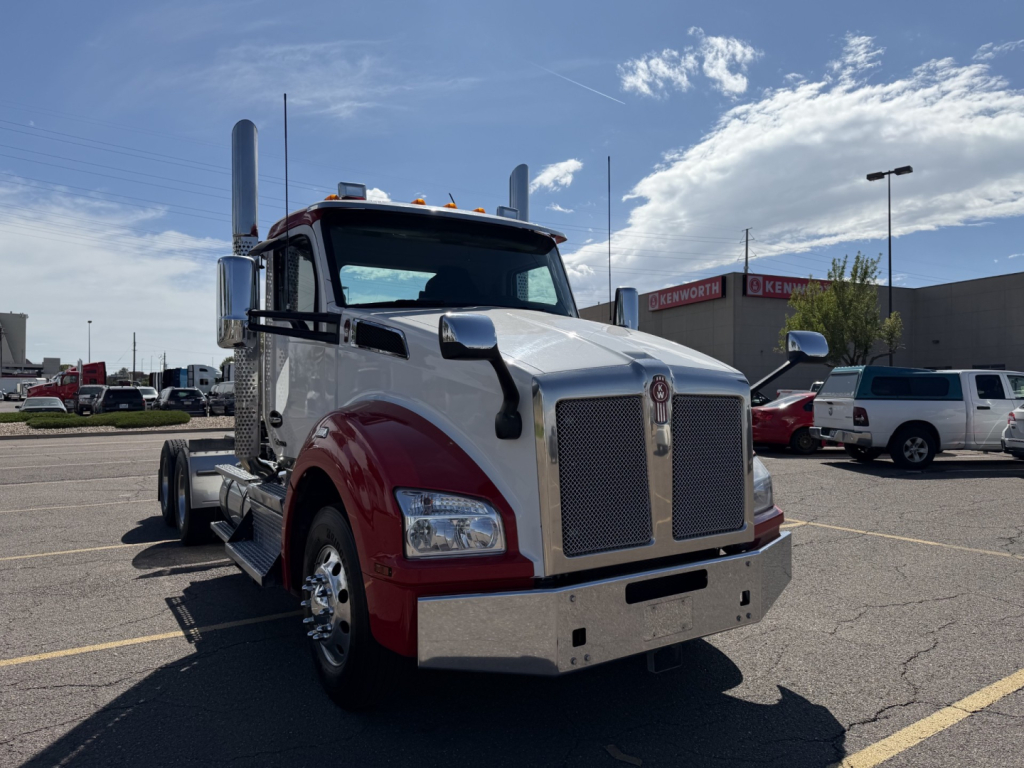
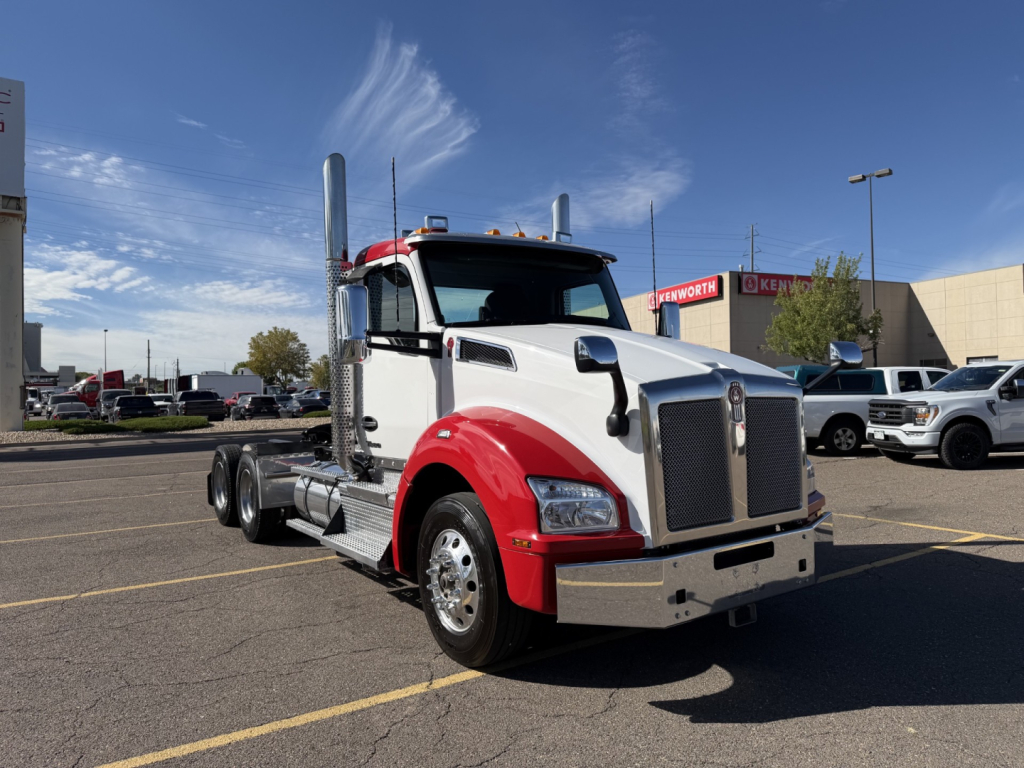
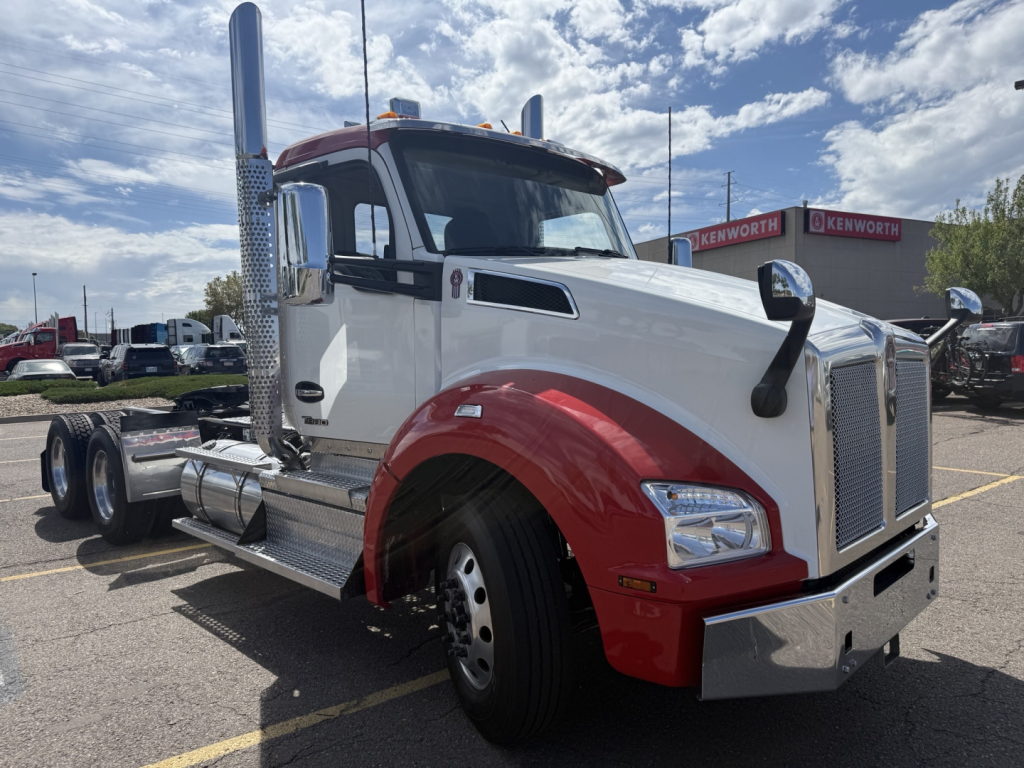
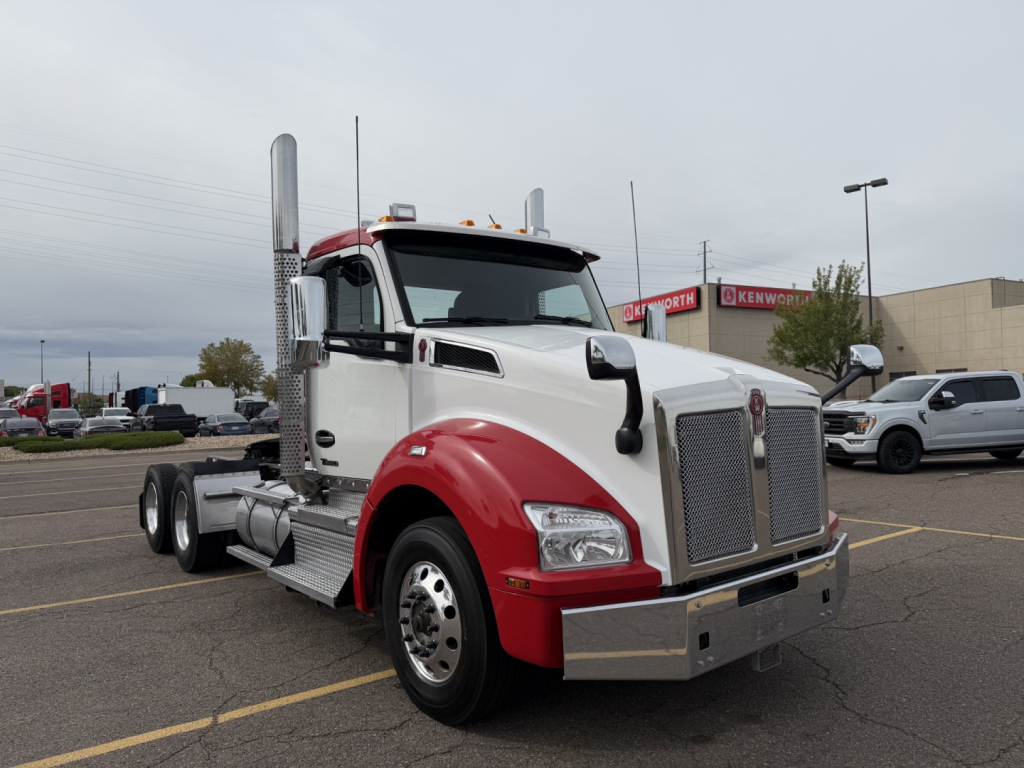
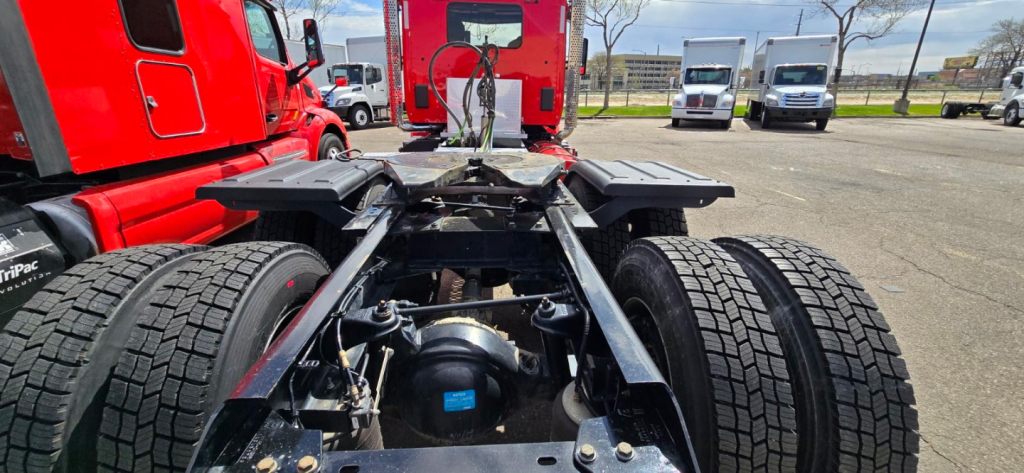
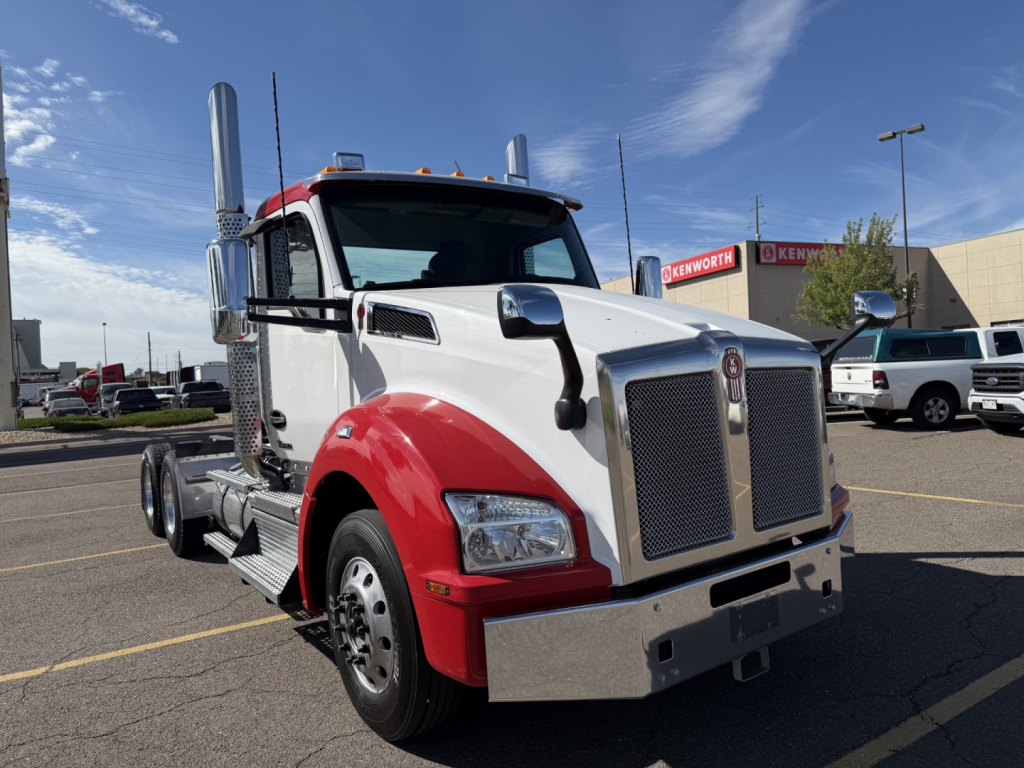
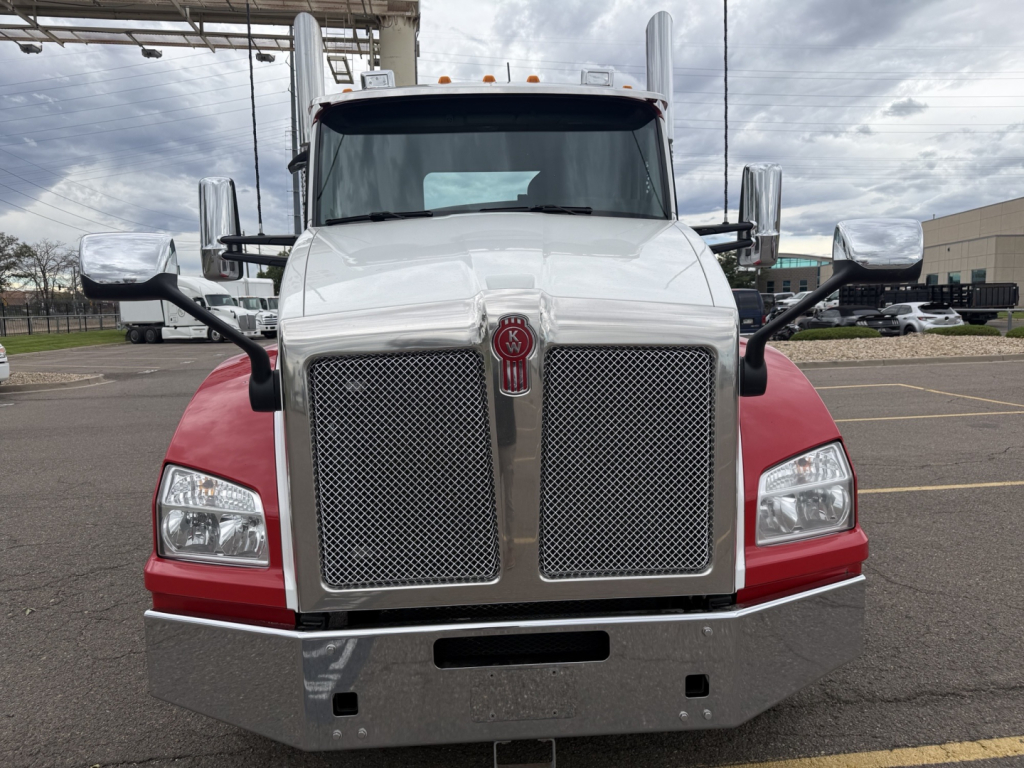
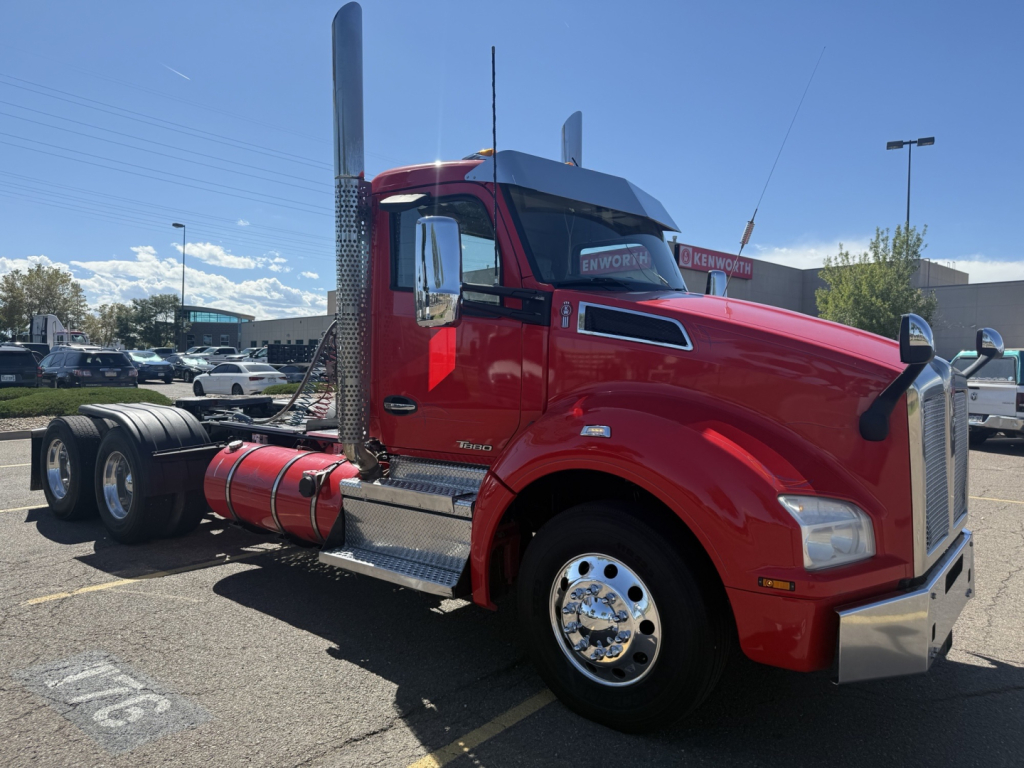

Showing 1 to 28 of 33 results
Selling a kenworth conventional daycab truck? List your kenworth conventional daycab truck for sale and reach thousands of commercial buyers.
Kenworth Conventional Daycab Trucks in Colorado
The main spec decisions start with engine, transmission, rear axle ratio, and wheelbase. Kenworth daycabs in this class are commonly equipped with PACCAR MX-13 or Cummins ISX/X15 engines, often in the 405 to 455 horsepower range for tandem-axle tractors, while lighter straight-truck configurations may use the PACCAR PX-7. Automated manuals are common in newer fleet trucks, but many buyers still prefer 10-speed or similar manual transmissions for driver preference, service familiarity, or specific haul profiles. Rear axle ratios such as 2.64, 3.25, 3.33, and 3.55 each push the truck toward a different job. Lower numerical ratios favor highway speed and fuel economy, while deeper ratios help with startability, heavier loads, and mixed-terrain work. Wheelbase also matters more than many buyers expect. A 170 to 190 inch wheelbase can suit regional van and reefer work, while longer setups and heavier-spec frames are more common when a wetline kit, sliding fifth wheel, or vocational body is part of the package.
Colorado buyers should pay close attention to terrain, emissions strategy, and brake configuration. Mountain grades put more value on engine brake performance, cooling system condition, and proper gearing than flatland operations do. Disc brakes, air ride suspension, and aluminum wheels are common on newer highway-oriented Kenworth daycabs, while heavier vocational units may prioritize rugged suspension specs, PTO provisions, and frame options over aerodynamics. If the truck will run Front Range regional freight, fuel tank capacity, roof fairings, cab extenders, and horizontal versus vertical exhaust can all affect efficiency and trailer compatibility. If it will see oilfield, dump, lowboy, or belt trailer duty, look closely at frame rails, axle ratings, locking differentials, wet kit installation, and whether the truck has a stationary or air-slide fifth wheel.
Kenworth daycabs also hold buyer interest because the cab environment is typically driver-friendly and parts support is broad. Features like tilt and telescoping steering, cruise control, power windows, air conditioning, and easy dash layouts are common, but the real buying value is in matching the spec to the route. A T680 daycab set up with an aerodynamic package and tall gearing can make sense for regional dry van or dedicated lane work. A T880 daycab with 40,000-pound rears, stronger drivetrain spec, and PTO or hydraulic wetline setup is better aligned with vocational and severe-service duty. The right Kenworth conventional daycab is less about model name and more about how the engine rating, axle ratio, suspension, wheelbase, and fifth-wheel setup fit the work.
Frequently Asked Questions about Kenworth Conventional Daycab Trucks in Colorado
What is the difference between a Kenworth T680 daycab and a T880 daycab?
The Kenworth T680 daycab is generally the better fit for highway and regional freight because it emphasizes aerodynamics, fuel efficiency, and lower operating cost at road speed. The T880 daycab is typically chosen for heavier-duty and vocational work where durability, PTO capability, heavier front axle options, and more rugged chassis configurations matter more than aerodynamic efficiency. Buyers should choose based on application first, then compare the exact drivetrain and axle specifications.
What horsepower is common in a Kenworth conventional daycab?
Many tandem-axle Kenworth daycab tractors are spec'd in roughly the 400 to 455 horsepower range, often with PACCAR MX-13 or Cummins ISX/X15 engines. That range covers most regional freight, bulk haul, and general tandem tractor work. Medium-duty straight-truck daycabs can be much lower, such as a PX-7 around 260 horsepower. The right horsepower depends on gross combination weight, terrain, and how often the truck starts heavy on grades.
What rear axle ratio is best for a Kenworth daycab in Colorado?
There is no single best ratio, but Colorado terrain makes ratio selection more important than in flatter states. Ratios like 2.64 are often used for fuel-efficient highway cruising with downsped drivetrains, while 3.25 to 3.55 ratios can be a better fit for mixed routes, mountain grades, heavier loads, and vocational work. Buyers should match axle ratio to transmission type, tire size, and expected gross weight rather than treating it as an isolated number.
Should I buy a manual or automatic Kenworth daycab?
Automated transmissions are common in newer Kenworth daycabs because they improve driver consistency, reduce shift-related wear, and work well in regional fleet service. Manual transmissions still appeal to some owner-operators and vocational users who want direct control, simpler preferences in certain applications, or compatibility with an established maintenance approach. The better choice depends on driver pool, route type, and service support in your area.
What should I inspect first on a used Kenworth conventional daycab?
Start with the truck's application-critical items: engine hours and maintenance history, transmission operation, rear axle rating, suspension condition, brake type and wear, wheelbase, and fifth-wheel or PTO setup. On Colorado trucks, pay extra attention to engine brake performance, cooling system health, emissions system service history, and signs of frame stress if the truck has done vocational or heavy-haul work. A daycab can look clean and still be poorly matched to the job, so the spec sheet matters as much as cosmetic condition.