
Kenworth Conventional Daycab Trucks For Sale in Nebraska
Kenworth conventional daycab trucks in Nebraska—T680, T880, W900. PACCAR or Cummins power, manual or automated, 6x4 specs for regional and ag haul.
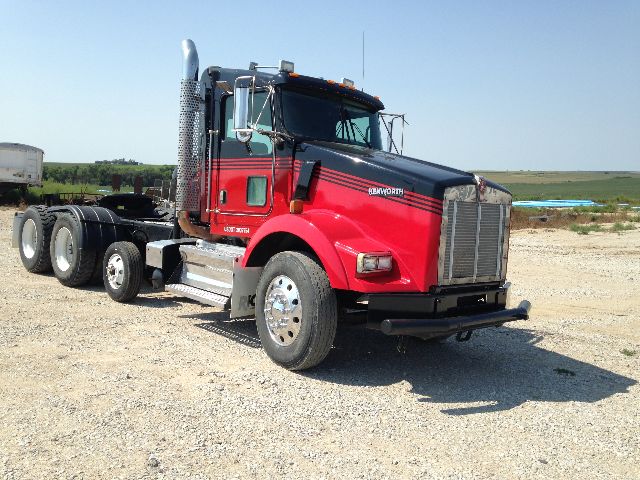
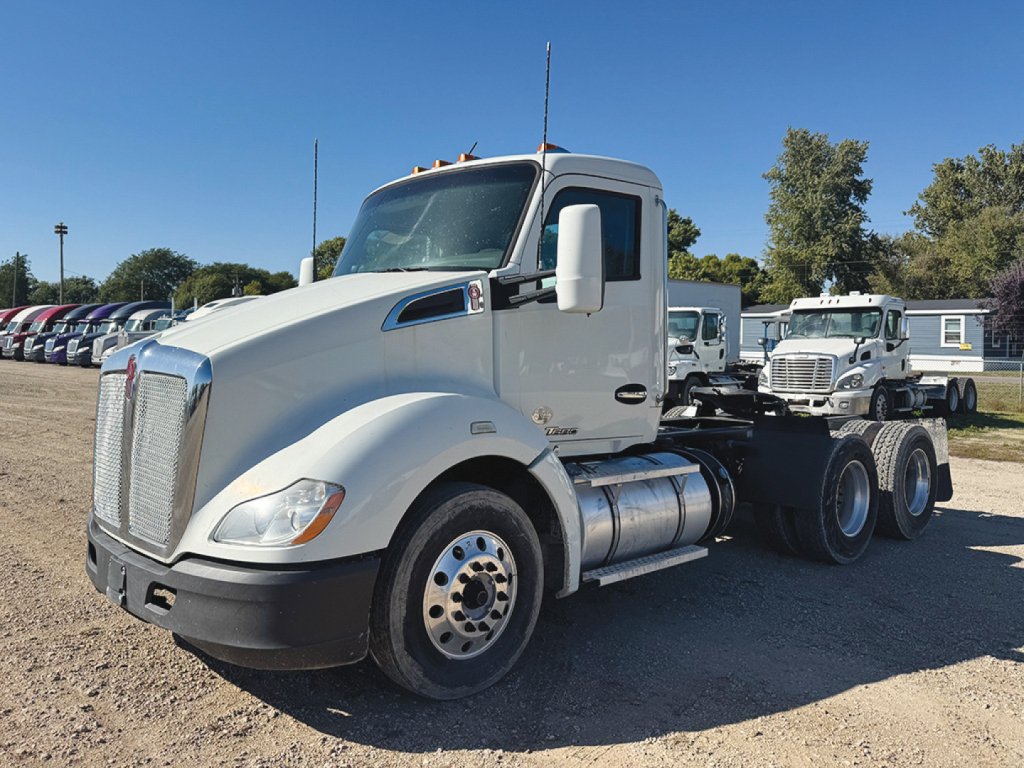
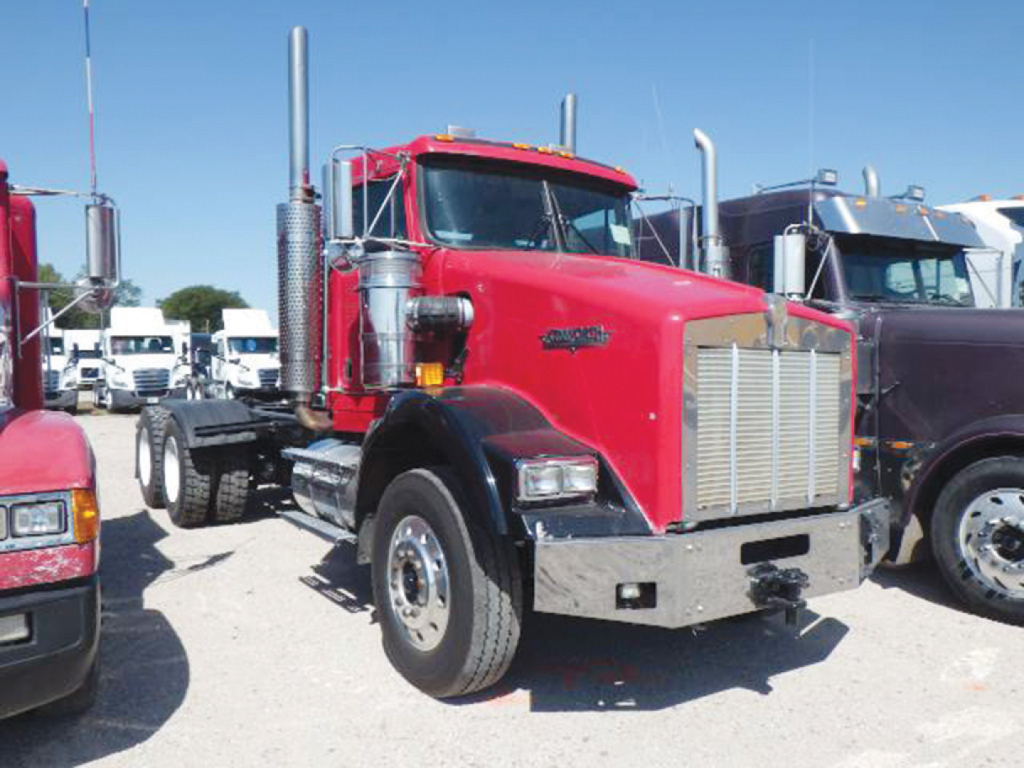
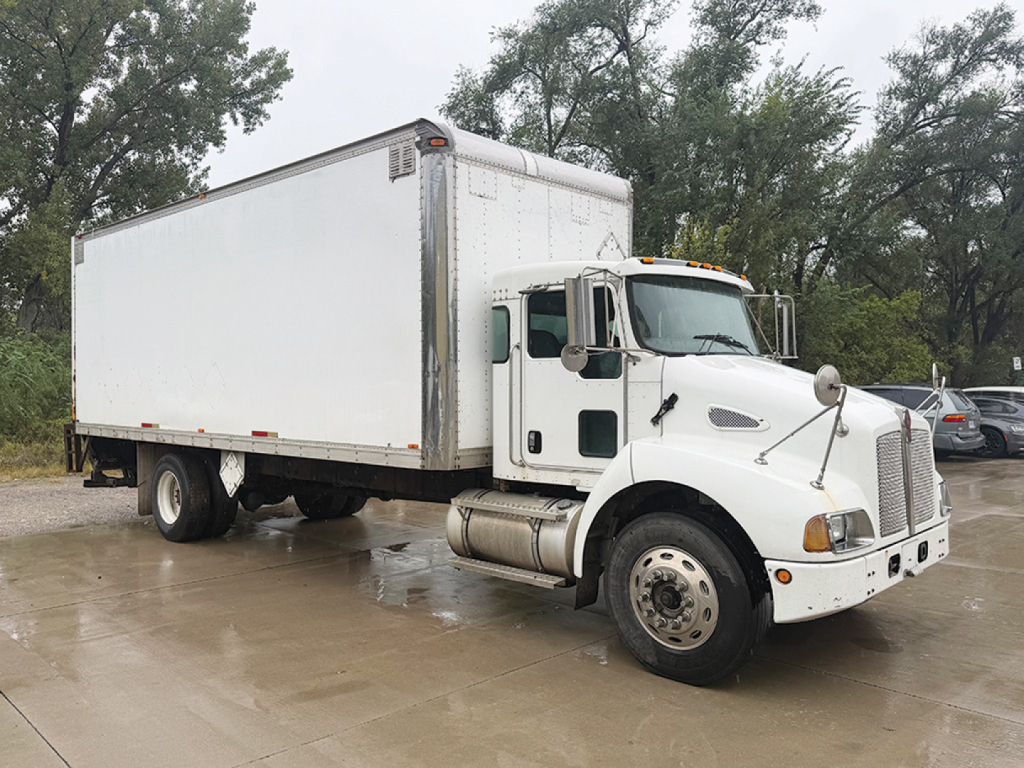
Selling a kenworth conventional daycab truck? List your kenworth conventional daycab truck for sale and reach thousands of commercial buyers.
Kenworth Conventional Daycab Trucks in Nebraska
Powertrains are typically PACCAR MX-13 or MX-11 for balanced weight and efficiency, or Cummins X15 for higher torque and heavier GCWs. Pair them with Eaton UltraShift or PACCAR 12-speed automated manuals for consistent shifting in traffic and crosswinds, or Eaton Fuller 10, 13, or 18-speed manuals for driver control in hilly two-lanes and on soft yards. Gear ratios around 2.28 to 2.64 suit direct or overdrive automated setups for highway economy, while 3.08 to 3.55 with a 13- or 18-speed serves heavy vocational and stop-start work. Expect real-world economy to vary widely with wind, trailer profile, and speed control.
Chassis choices drive uptime and payload. Common axle sets include 12k to 13.2k steer with 38k to 40k tandems for regional haul, or 14.6k steer with 44k to 46k tandems and full or inter-axle lockers for rougher sites and tanker or end-dump work. Kenworth AG400L and similar air-ride suspensions offer a good balance of ride and tire life; heavier-spec or vocational suspensions trade comfort for durability. Air disc brakes shorten stopping distances and shed heat in stop-and-go but add acquisition cost compared to drums. Look for sliding fifth wheels with 12 to 24 inches of travel, 47 to 49 inch heights to match most reefers and hoppers, and PTO or wet kit provisions if you pull dumps, tanks, or live floors. Super singles reduce weight and rolling resistance, though duals may provide better traction on wet field approaches and simplify roadside service.
Driver tech and weather gear matter on the Plains. Collision mitigation, adaptive cruise, and lane departure systems reduce incident risk on long, windy runs. Heated mirrors, engine block heaters, winter fronts, and fuel heater or return-to-tank systems help manage Nebraska cold snaps. For 2017 and newer emissions systems, confirm aftertreatment service history, DOC-DPF cleanliness, and SCR dosing performance to avoid downtime. Evaluate wheel cut and hood configuration, since set-back axle T880 and T680 hoods improve visibility in tight yards, while classic long-hood W900 aesthetics come with an aero trade-off. Match the truck to your trailer set, kingpin settings, and routes to balance fuel spend, payload, and uptime in Nebraska conditions.
Frequently Asked Questions about Kenworth Conventional Daycab Trucks in Nebraska
Which Kenworth day cab is best for Nebraska regional or agricultural work?
For high-mile regional haul on I-80, the T680 day cab’s aerodynamics and integrated PACCAR driveline typically deliver the best fuel economy. For bulk commodities, grain, or tank work where approach angles, frame strength, and heavier axles matter, a T880 day cab is a common pick. The W900 day cab appeals to heavy-spec and classic-hood buyers, trading some aero efficiency for service space and robustness.
What engines and transmissions are most common, and how do they affect performance and fuel burn?
PACCAR MX-13 and MX-11 engines balance weight and efficiency, while the Cummins X15 offers broader torque for heavier GCWs. Automated manuals like PACCAR 12-speed or Eaton UltraShift provide consistent shift logic in crosswinds and traffic, improving average mpg and reducing driver fatigue. Manual 13- or 18-speeds allow precise control on grades or soft sites. Expect 6.5 to 9.0 mpg depending on load, speed, wind, and trailer aerodynamics.
What axle ratings, ratios, and wheelbase should I consider for grain, livestock, or bulk in Nebraska?
Typical regional specs run 12k to 13.2k steer with 38k to 40k tandems and ratios from 2.28 to 3.08 depending on transmission. For hoppers, livestock, and tankers that see field approaches or higher gross weights, consider 14.6k steer, 44k to 46k tandems, inter-axle and cross locks, and 3.25 to 3.55 ratios with multi-speed manuals. Wheelbases around 170 to 230 inches balance bridge-friendly lengths, trailer clearance at elevators, and maneuverability in town.
Are automated transmissions a good fit for stop-and-go city work in Omaha and Lincoln?
Yes. Modern automated manuals handle frequent shifts smoothly, reduce clutch wear, and keep engines in optimal torque ranges during short hops and dock work. They pair well with low to mid 2-series rear ratios for economy. If you routinely launch on soft ground or haul heavy, a 13- or 18-speed manual still offers fine control and engine braking options, especially with steeper rear gearing.
What cold-weather and emissions considerations apply in Nebraska?
Look for block heaters, heated mirrors, winter fronts, and fuel heating or return systems to mitigate gelling during cold snaps. For emissions systems on 2017 and newer trucks, review aftertreatment service records, confirm DPF cleaning intervals, check for active fault codes, and verify proper SCR dosing. Short-haul duty cycles benefit from occasional highway runs to maintain passive regen health and reduce parked regens.