
2020 Kenworth Conventional Daycab Trucks For Sale in Nebraska
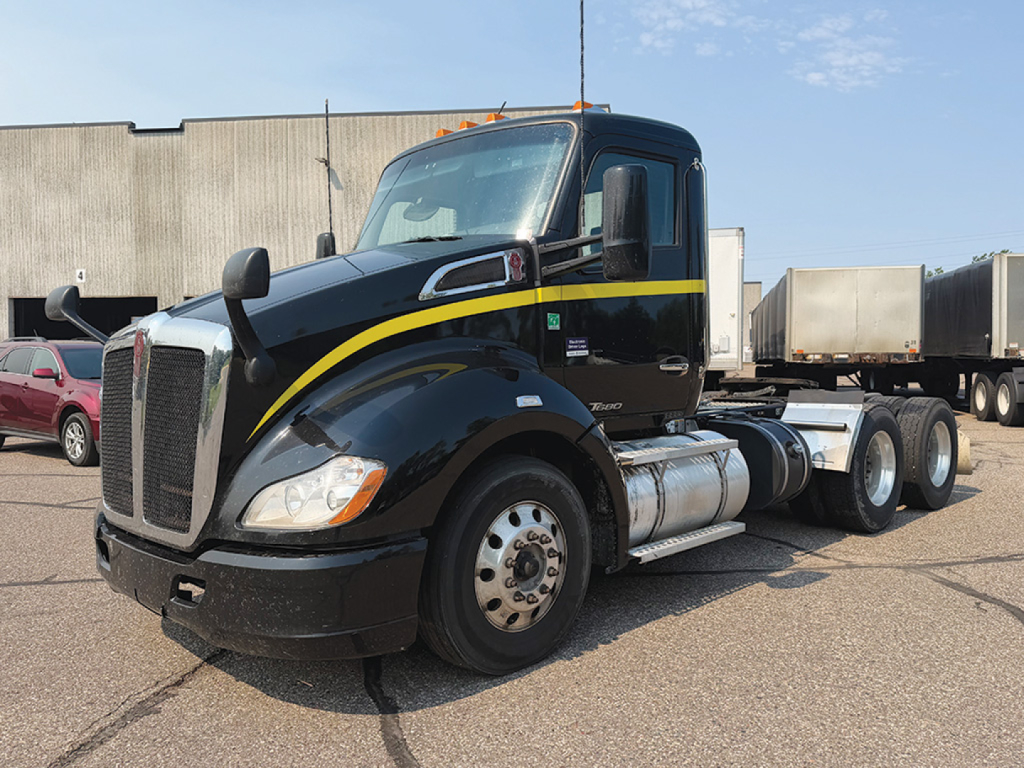
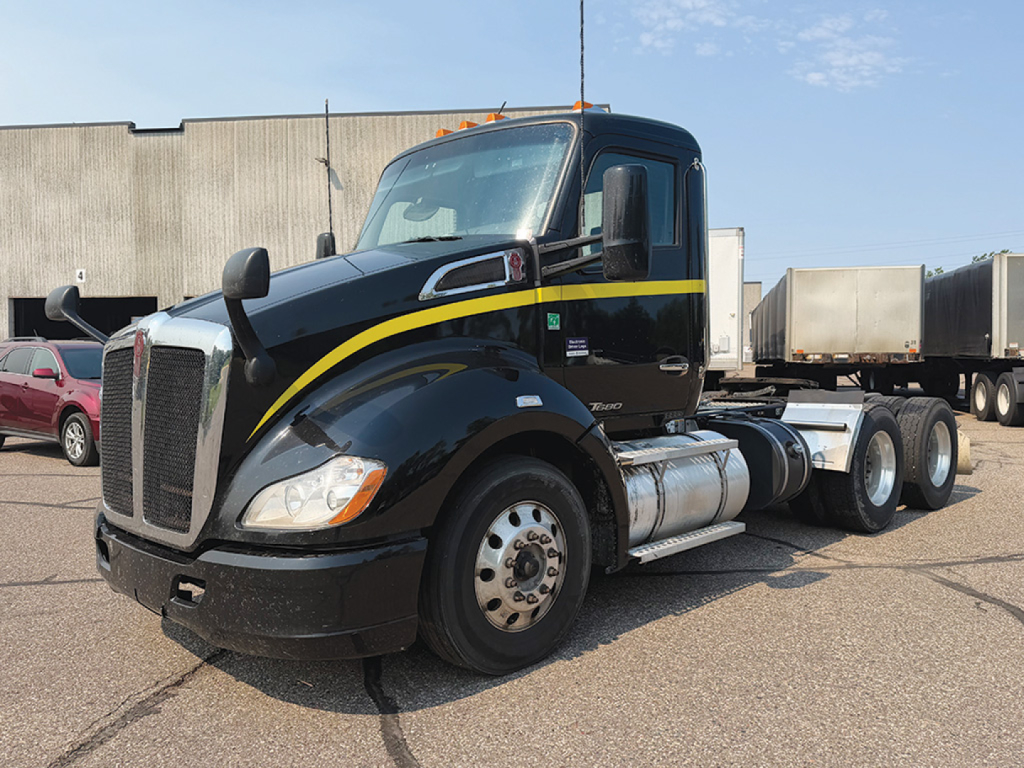
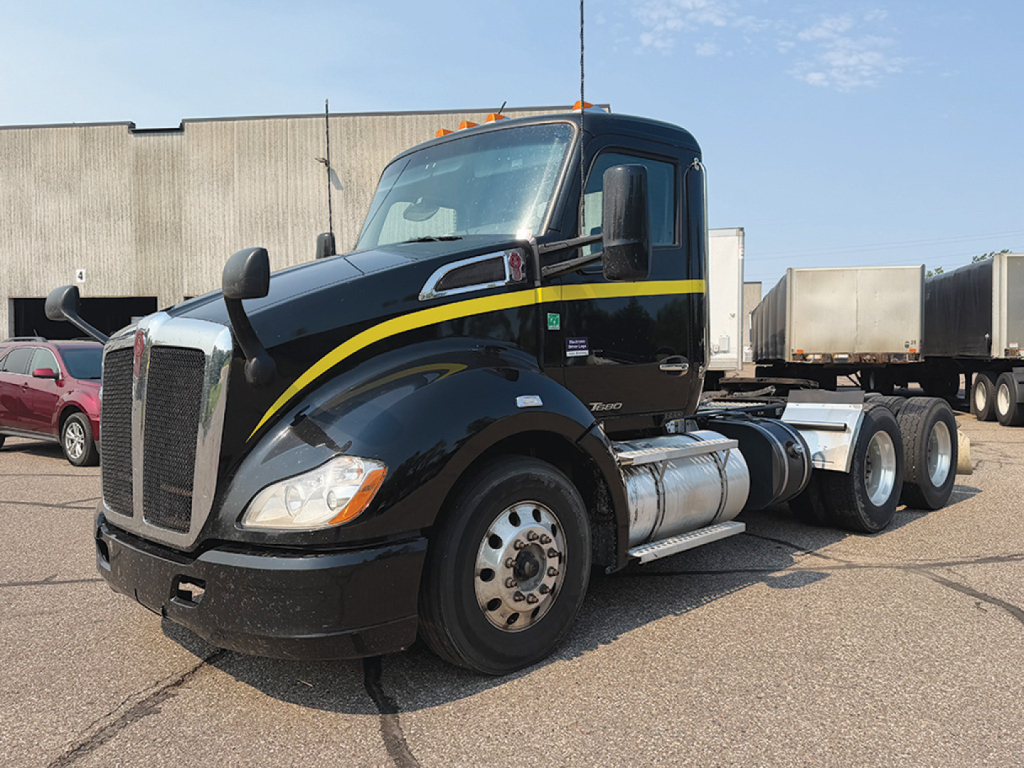
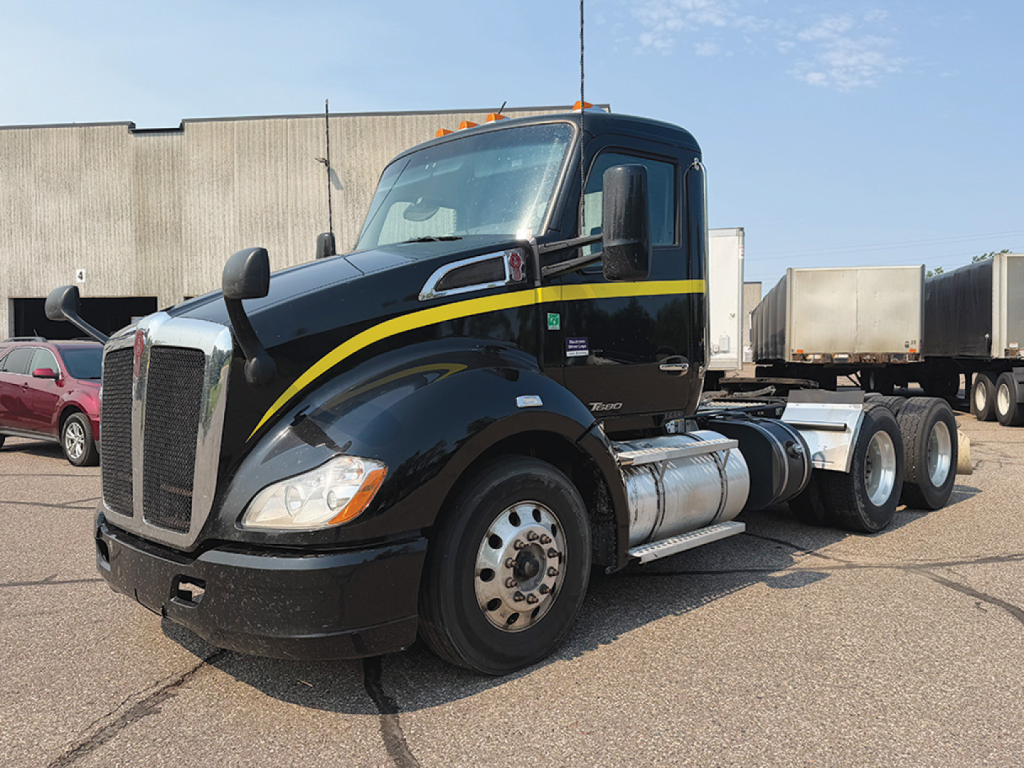
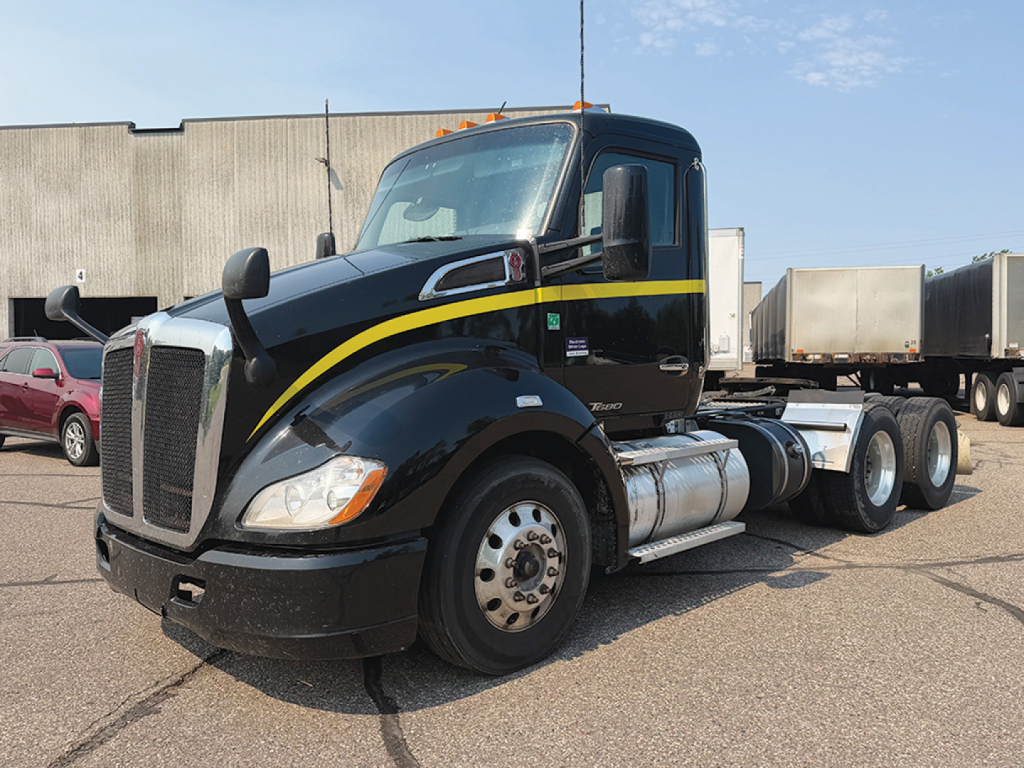
Have 2020 kenworth conventional daycab truck to sell? List it here to reach thousands of buyers.
2020 Kenworth Conventional Daycab Trucks in Nebraska
The first decisions usually come down to engine, transmission, axle ratio, and wheelbase. A 2020 Kenworth daycab commonly appears with a PACCAR MX-13, often in the 455 HP range, paired with an automated transmission such as the PACCAR 12-speed or a similar automatic setup. Many are spec'd with 40,000 lb rears, air ride suspension, and ratios around 3.08, which is a solid middle ground for regional dry van, reefer, and general freight work. Wheelbases in the mid-180-inch range are common and help with turning radius while still allowing enough frame length for sliding fifth wheel setups, dual tanks, and fleet-friendly trailer compatibility. Buyers hauling heavier payloads or working hillier lanes should pay close attention to rear ratio and engine brake spec, since those two items affect startability, cruise RPM, and driver control.
Cab spec matters more in a daycab than many buyers expect because drivers are in and out of the truck all day. Common features include air conditioning, tilt and telescoping steering, cruise control, power windows, air slide fifth wheels, aluminum fuel tanks, and aluminum wheels. Some trucks may also include quarter fenders, fairings, disc brakes, or low-profile 22.5 rubber. For fleet buyers, the value point is often driver acceptance plus operating cost. Kenworth daycabs are well regarded for cab ergonomics, visibility, and a cleaner dash layout, and the T680 platform is especially popular with carriers focused on fuel economy and a more modern driver environment.
When comparing 2020 Kenworth conventional daycab trucks, look beyond mileage and focus on vocation fit. Check for fifth wheel placement, frame length, front axle capacity, suspension type, fuel capacity, tire configuration, and any emissions or idle-management equipment that matters in your operating area. A daycab that is right for a short regional van route may not be ideal for heavy bulk, tanker, or municipal transfer work. A well-matched 2020 Kenworth daycab can deliver strong resale value, efficient road manners, and the durability expected from a fleet-spec highway tractor.
Frequently Asked Questions about 2020 Kenworth Conventional Daycab Trucks in Nebraska
What is a 2020 Kenworth conventional daycab best used for?
A 2020 Kenworth conventional daycab is best suited for regional and local hauling where overnight sleeper space is unnecessary. Common applications include dry van, reefer, dedicated route freight, intermodal drayage, shuttle work, and terminal-to-terminal runs. The daycab layout reduces overall weight and length compared with a sleeper tractor, which can improve maneuverability and simplify operation in tighter yards and urban delivery points.
What engine and drivetrain specs are common in a 2020 Kenworth daycab?
Many 2020 Kenworth conventional daycabs, especially T680 models, are equipped with PACCAR MX-series engines, most commonly the MX-13, with horsepower ratings in the mid-400s. Automated transmissions are common in fleet specs, and 40,000 lb rear axles with air ride suspension are standard on many highway units. Rear axle ratios such as 3.08 are often selected for a balance of fuel economy and pulling ability on regional lanes.
How important is wheelbase on a Kenworth daycab?
Wheelbase has a direct effect on maneuverability, trailer clearance, ride quality, and component placement. Shorter wheelbases can help in tight terminals and city work, while longer wheelbases may allow more fuel capacity, different fifth wheel settings, or improved ride characteristics. Buyers should match wheelbase to trailer type, turning environment, and axle spread requirements rather than treating it as a minor detail.
Is a 2020 Kenworth T680 daycab a good fleet truck?
The 2020 Kenworth T680 daycab is widely considered a strong fleet choice because it combines aerodynamic efficiency, modern cab comfort, and broad parts and service support. It is a common platform in regional freight operations, which helps with technician familiarity and used-market demand. For many buyers, the T680 daycab stands out for driver comfort, visibility, and a spec range that fits both general freight and dedicated commercial applications.
What should buyers inspect on a used 2020 Kenworth conventional daycab?
Buyers should inspect engine and emissions service history, transmission operation, suspension wear, brake condition, tire wear patterns, and fifth wheel movement and adjustment. It is also important to verify axle ratings, rear ratio, wheelbase, fuel tank size, and any signs of frame modification or prior collision repair. On a fleet tractor, maintenance records and idle hours can be just as important as odometer mileage when judging long-term value.