
Kenworth Conventional Daycab Trucks For Sale in Illinois
Kenworth conventional daycab trucks in Illinois, from T680 to T880, optimized for weight, durability, corrosion resistance, and regional vocational.
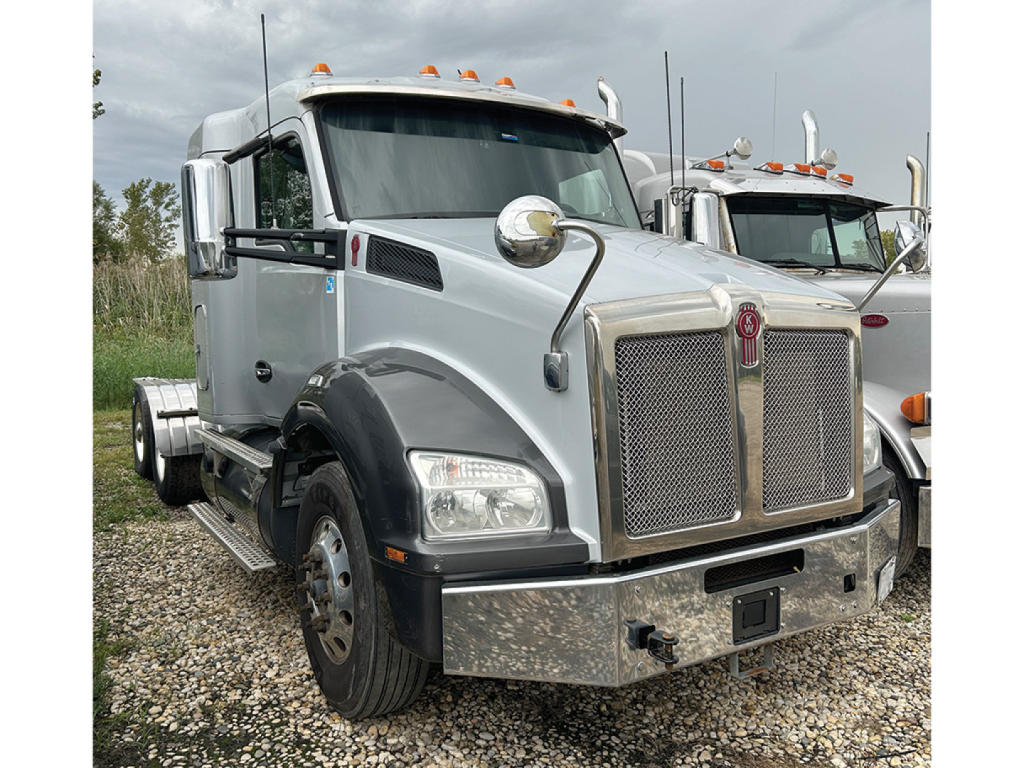
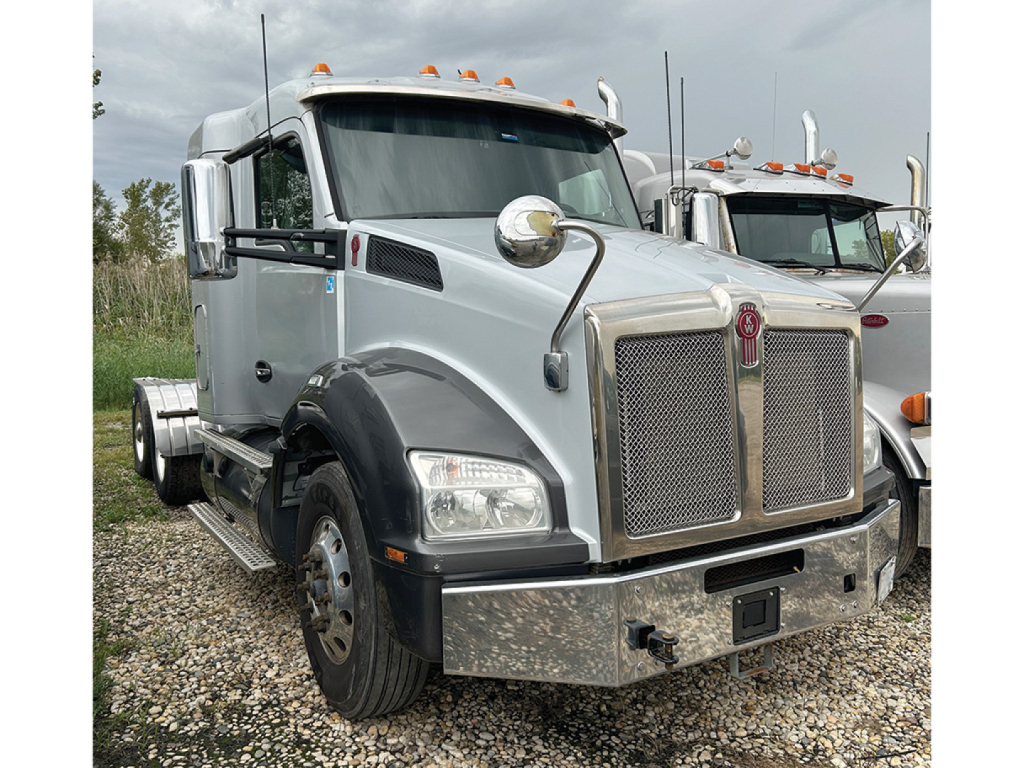
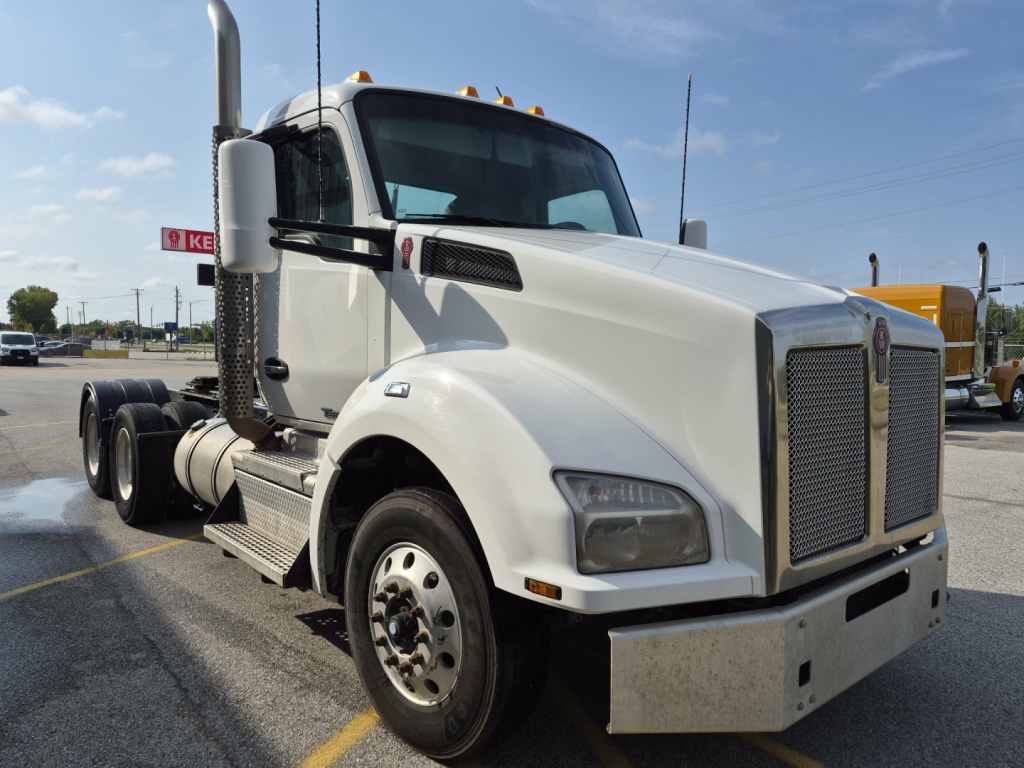
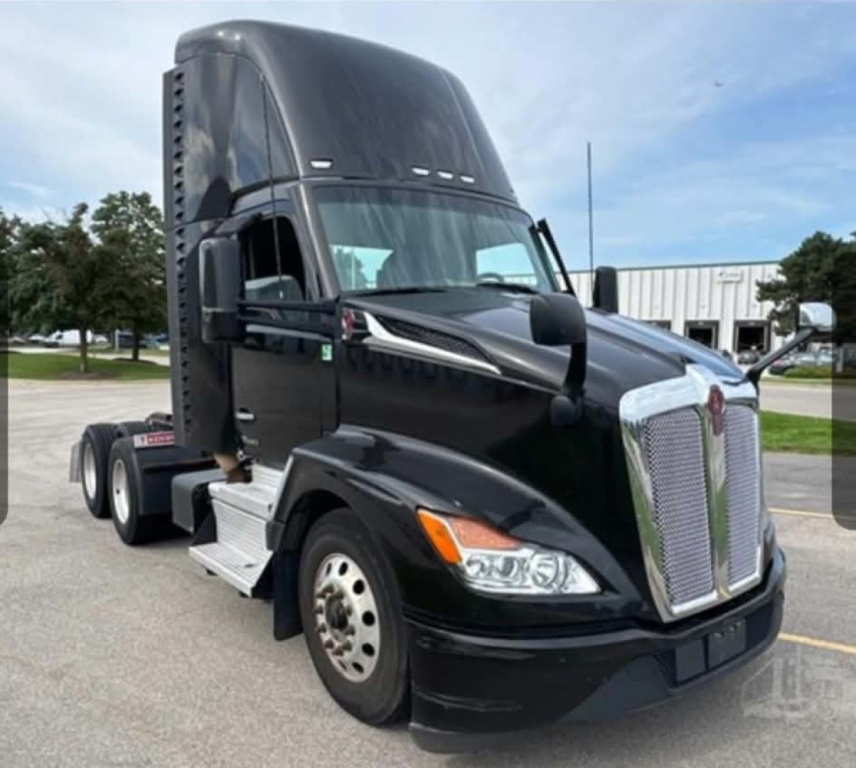
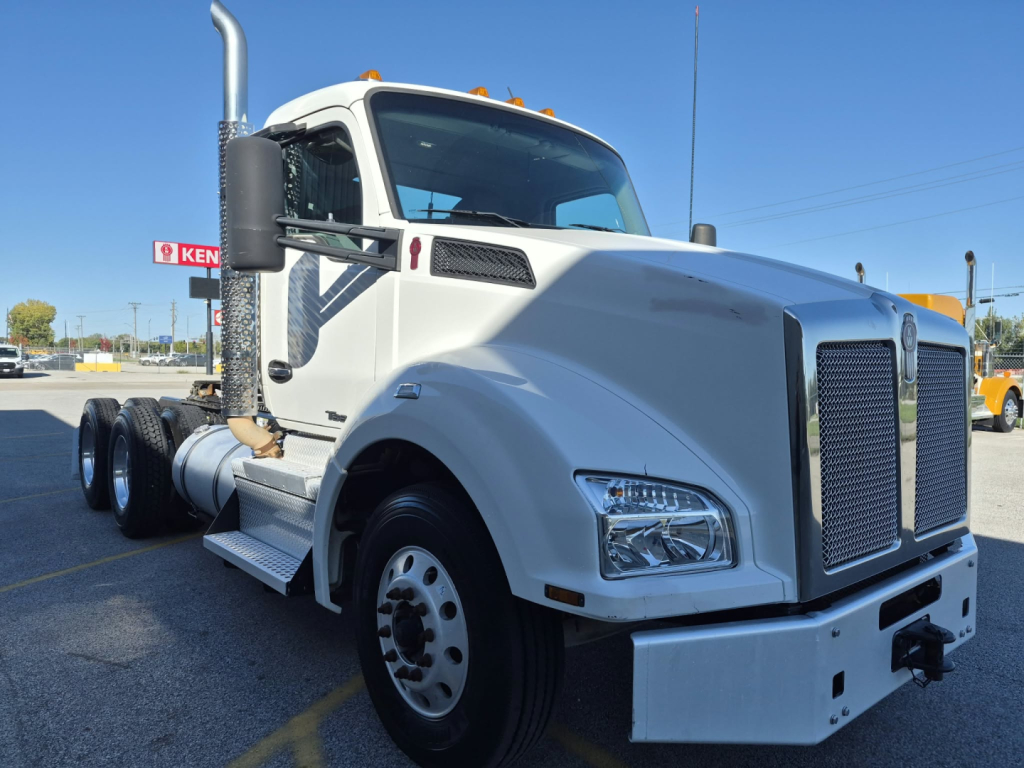
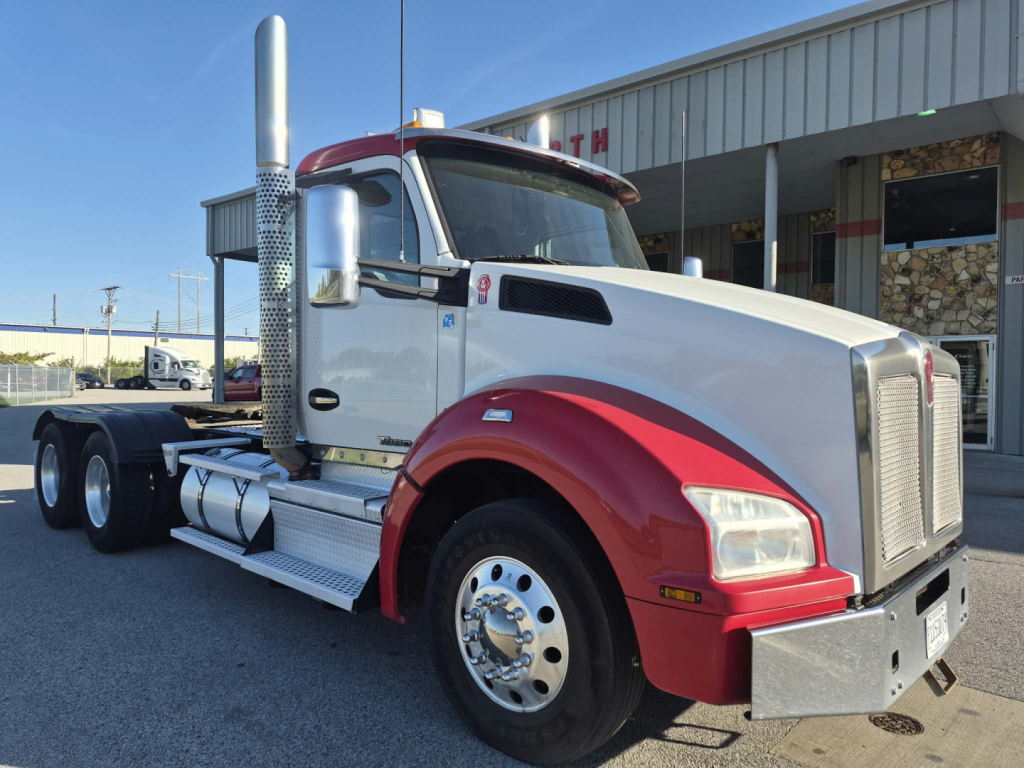
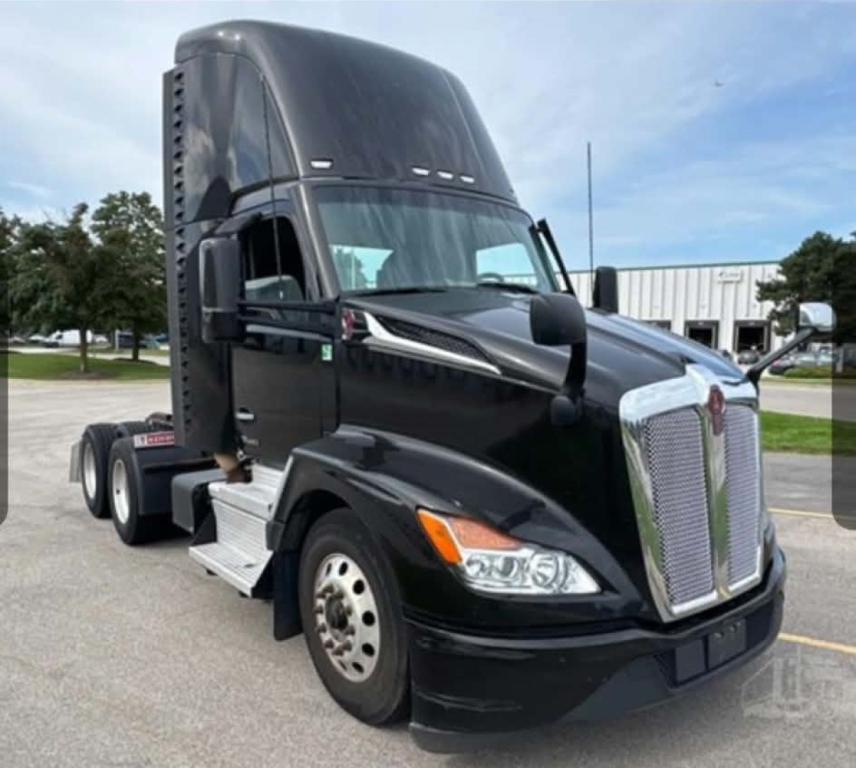

Selling a kenworth conventional daycab truck? List your kenworth conventional daycab truck for sale and reach thousands of commercial buyers.
Kenworth Conventional Daycab Trucks in Illinois
Structural integrity starts with frame rails and crossmembers, which define effective floor strength in a daycab, the ability of the chassis and cab floor to handle fifth wheel loads, frequent hook cycles, and curb impacts. High tensile steel rails with appropriate RBM, from standard single frame to heavy double frame, protect the chassis; aluminum cabs with reinforced cab floors, stout step assemblies, and deck plates resist flex when drivers climb in and out all day. Sliding fifth wheels with ample travel help place weight over the drives to meet Illinois bridge formula and to pair with common trailer kingpin settings; match fifth wheel height to intermodal and dry van fleets. Front axles at 12k or 13.2k, rears at 38k to 46k, and suspensions like Kenworth AG400L or Hendrickson air ride balance payload, traction, and ride quality.
Tare weight directly affects payload and fuel burn. Daycabs can be trimmed with aluminum wheels and tanks, optimized fuel capacity, disc brakes, and lightweight air suspensions; 6x2 or 4x2 saves further weight where traction demands are modest. Aerodynamic daycab elements on the T680, including bumper, hood, and chassis fairings, reduce drag at tollway speeds, while axle ratios in the 2.64 to 3.55 range should be matched to cruise MPH and grade profile. For heavier duty, spec double frames, full locking differentials, and higher RBM rails, accepting added tare to protect the fifth wheel structure and driveline under repeated high pin or drawbar loads.
Thermal integrity in a daycab translates to HVAC efficiency and component life in Illinois temperature swings; quality door seals, insulated cowl panels, and tight blend door control keep the cab at setpoint with less idling. Cold package options such as block heaters, battery heaters, heated fuel water separators, and auxiliary cab or coolant heaters reduce cold starts and aftertreatment stress; in summer, high capacity condensers and variable speed fans stabilize engine and cab temperatures. Corrosion resistance matters with salt and brine on Chicagoland roads, so favor e coated frames, aluminum cabs, composite hoods, stainless or plated fasteners, sealed electrical connectors, and underbody protection. Add TPMS on the tractor, spec air dryers with ample desiccant capacity for humid Midwest seasons, and align PM intervals to engine and duty cycle to keep uptime high.
Frequently Asked Questions about Kenworth Conventional Daycab Trucks in Illinois
Which Kenworth daycab model is best for my Illinois operation?
For fuel focused regional haul, the T680 Day Cab delivers the best aerodynamics and a quiet, efficient cab. For vocational, bulk, and heavier bridge weight routes, the T880 Day Cab provides higher RBM frames, cooling, and axle options. W900 and T800 daycabs suit specialized work where hooded visibility, traditional packaging, or specific vocational body clearances are priorities.
How can I trim tare weight without sacrificing durability?
Select aluminum wheels and fuel tanks, spec disc brakes, and right size fuel capacity to your route. A 4x2 or 6x2 can reduce hundreds of pounds where traction needs are modest, and lightweight air suspensions help further, but keep frame RBM, fifth wheel rating, and suspension capacities aligned with your heaviest loads so structural margins are maintained.
What corrosion resistance features matter for Illinois winters?
Look for e coated or powder coated frames and crossmembers, aluminum cabs, composite hoods, stainless or plated brackets and fasteners, and sealed harness connectors. Underbody protection on battery boxes and tanks, heated mirrors, robust fender liners, and quality paint prep slow salt and brine intrusion. Regular wash cycles and dielectric grease on high exposure connectors extend service life.
How should I choose wheelbase, axle ratios, and fifth wheel setup for Chicagoland work?
Shorter wheelbases improve dock access and urban turning, often 170 to 190 inches for city and intermodal, while regional haul may benefit from 200 to 230 inches for stability and fuel tank packaging. Match axle ratios to cruise speed and terrain, lower numerics for flat interstate at higher speeds, higher numerics for stop start or heavy haul. A sliding fifth wheel with ample travel helps position weight to meet bridge formula while accommodating varied trailer kingpin settings.
What supports thermal integrity and driver comfort in a daycab?
Tight cab sealing, insulated cowl and floor panels, high capacity HVAC with clean condenser and evaporator cores, and precise blend door control maintain setpoint in heat and cold. Cold weather options such as block heaters and auxiliary heaters reduce idle time and protect aftertreatment, while sun visors, tinted glass, and high output defrosters improve visibility and comfort during Midwest seasons.