
Kenworth Conventional Daycab Trucks For Sale in North Carolina
Shop Kenworth conventional daycab trucks in North Carolina. Compare T270 and W900 day cabs for local delivery, vocational, and regional hauling.
Learn more
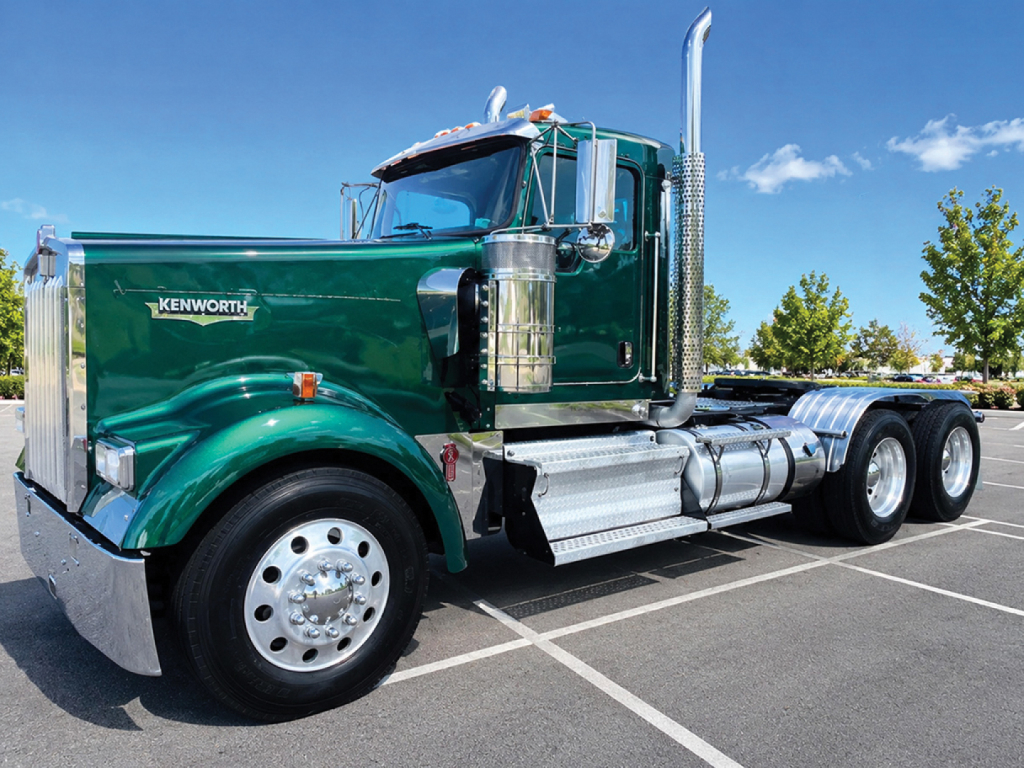
Have kenworth conventional daycab truck to sell? List it here to reach thousands of buyers.
About Kenworth Conventional Daycab Trucks in North Carolina
The first decision is usually chassis type and duty class. A Kenworth T270 is typically a medium-duty platform often used as a van body, flatbed, rollback, or service body truck, commonly spec'd with PACCAR PX-7 power, automatic transmissions, single axles, and wheelbases matched to body length and liftgate needs. A Kenworth W900 daycab sits on the opposite end of the spectrum, usually as a Class 8 tractor with larger Cummins power, heavier rear axle ratings, manual or automated transmissions, and long-wheelbase specs geared toward higher GCWR applications. Buyers should look closely at axle rating, suspension type, rear ratio, wheelbase, PTO needs, body compatibility, and cab-to-axle dimensions, because those numbers determine turning radius, bridge compliance, payload layout, and upfit flexibility.
For local and regional use, daycab spec details have a direct effect on operating cost and driver satisfaction. Engine horsepower and torque need to match terrain, average payload, and start-stop frequency. North Carolina fleets running mixed interstate and secondary-road routes often favor balanced driveline specs that can handle hills without sacrificing fuel economy. Transmission choice is equally important. Allison automatics are common in medium-duty delivery work where ease of operation and repeated stop cycles matter, while heavier tractors may carry 10-, 13-, or 18-speed manuals or automated manuals depending on driver pool and duty cycle. Suspension, brake type, and tire size also deserve attention. Air ride can improve ride quality and freight protection, while spring suspension may still make sense in certain vocational environments.
Kenworth daycabs are popular because the platform is durable, serviceable, and easy to spec for a narrow application instead of compromising with a one-size-fits-all truck. Buyers comparing listings should pay attention to engine family, emissions system history, wheelbase, axle configuration, and any installed body or trailer equipment. On straight trucks, details like van body length, liftgate capacity, interior lining, floor type, and cargo control track matter as much as the cab and chassis. On tractors, focus on fifth wheel setup, frame condition, rear locking differentials, fuel capacity, and whether the truck was built for highway, heavy haul, or vocational use. A well-matched Kenworth conventional daycab can be a strong fit for fleets that need daily productivity, easier driver turnover, and dependable performance without the added cost and weight of a sleeper.
Frequently Asked Questions
What is a Kenworth conventional daycab truck best used for?
A Kenworth conventional daycab truck is best suited for local delivery, short regional hauling, vocational work, and routes where the driver returns home daily. The conventional hood layout provides easier engine access for service, and the daycab design removes sleeper weight and length. That makes these trucks a practical choice for city and regional freight, box truck applications, dump and construction support, and terminal-to-terminal operations.
What is the difference between a Kenworth T270 daycab and a Kenworth W900 daycab?
The Kenworth T270 is generally a medium-duty truck used for straight truck applications such as van bodies, flatbeds, and municipal or utility work. It is commonly spec'd with smaller displacement diesel engines, automatic transmissions, and single rear axles. The Kenworth W900 daycab is a heavy-duty Class 8 platform, typically used as a tractor for heavier gross combined weights and more demanding driveline requirements. The W900 usually carries larger engines, heavier suspensions, tandem rears, and long-wheelbase specs.
What specs matter most when buying a used Kenworth conventional daycab?
The most important specs are engine model, horsepower and torque rating, transmission type, axle ratings, rear ratio, suspension, wheelbase, and brake setup. Buyers should also confirm whether the truck is a straight truck or tractor, because body length, cab-to-axle dimension, and PTO capability can be critical on vocational and delivery applications. If the truck has a van body or other upfit, details like liftgate rating, floor condition, cargo control equipment, and body dimensions should be reviewed carefully.
Are Kenworth daycab trucks a good fit for North Carolina operations?
Kenworth daycab trucks are a strong fit for North Carolina because the state supports a mix of urban delivery, regional freight, agriculture, construction, and port-related work. A medium-duty daycab can handle dense local routes around Charlotte, Greensboro, or Raleigh, while a heavier Class 8 daycab can support short-haul freight and vocational work across the state. The right driveline depends on terrain, average payload, and how much interstate versus secondary-road use the truck will see.
Should I choose a daycab or a sleeper for regional hauling?
A daycab is usually the better choice when routes are short enough to keep drivers home daily and when lower weight, lower purchase cost, and easier maneuvering matter. A sleeper makes more sense if runs regularly require overnight rest periods or if dispatch flexibility is more important than compact dimensions. For many regional fleets, the daycab works well on dedicated lanes, port moves, local transfer runs, and distribution work where overnight accommodations are unnecessary.