
Kenworth Conventional Daycab Trucks For Sale in Texas
Shop Kenworth conventional daycab trucks for regional haul, local delivery, and vocational work with specs on engines, wheelbase, axles, and transmissions.
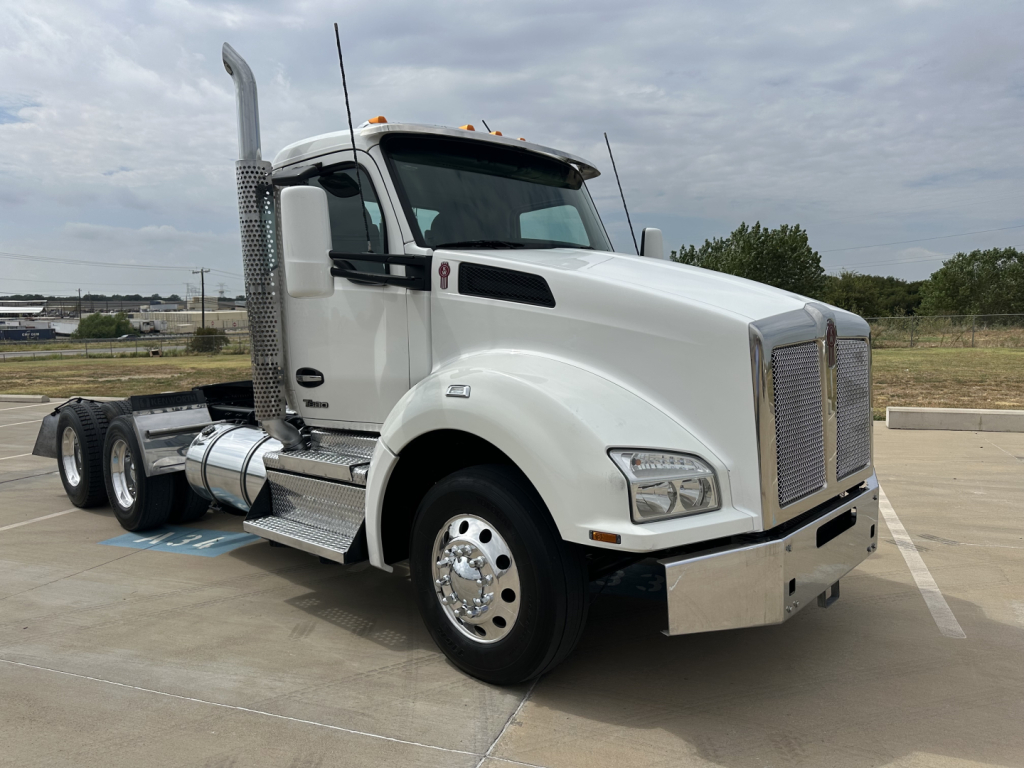
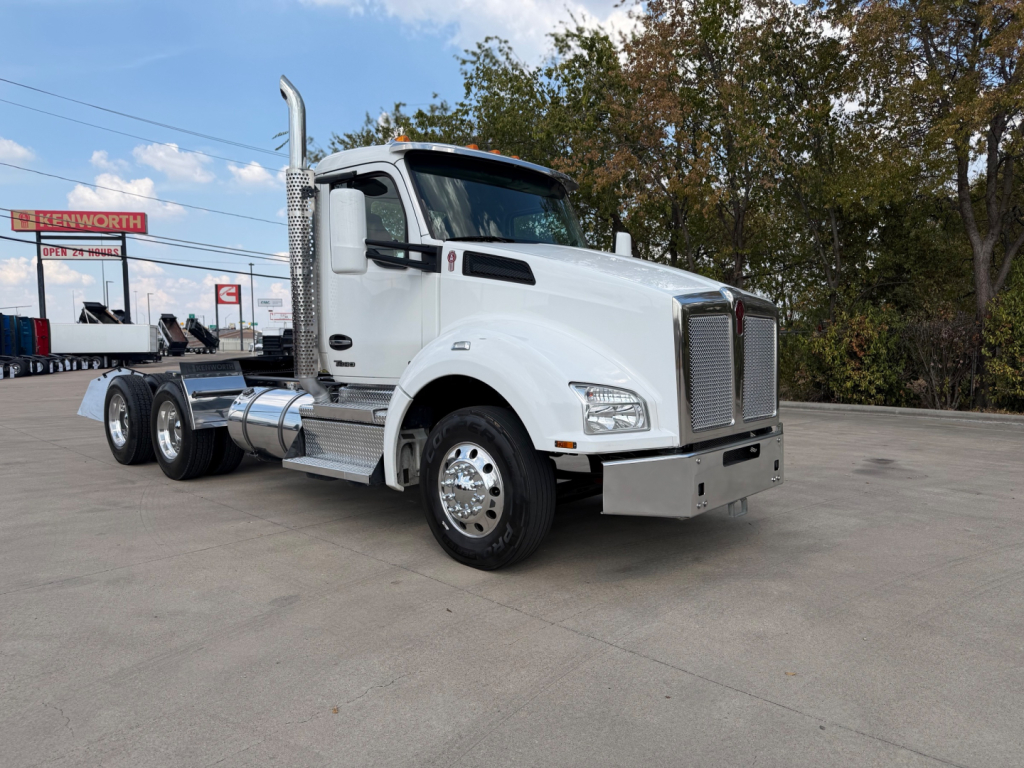
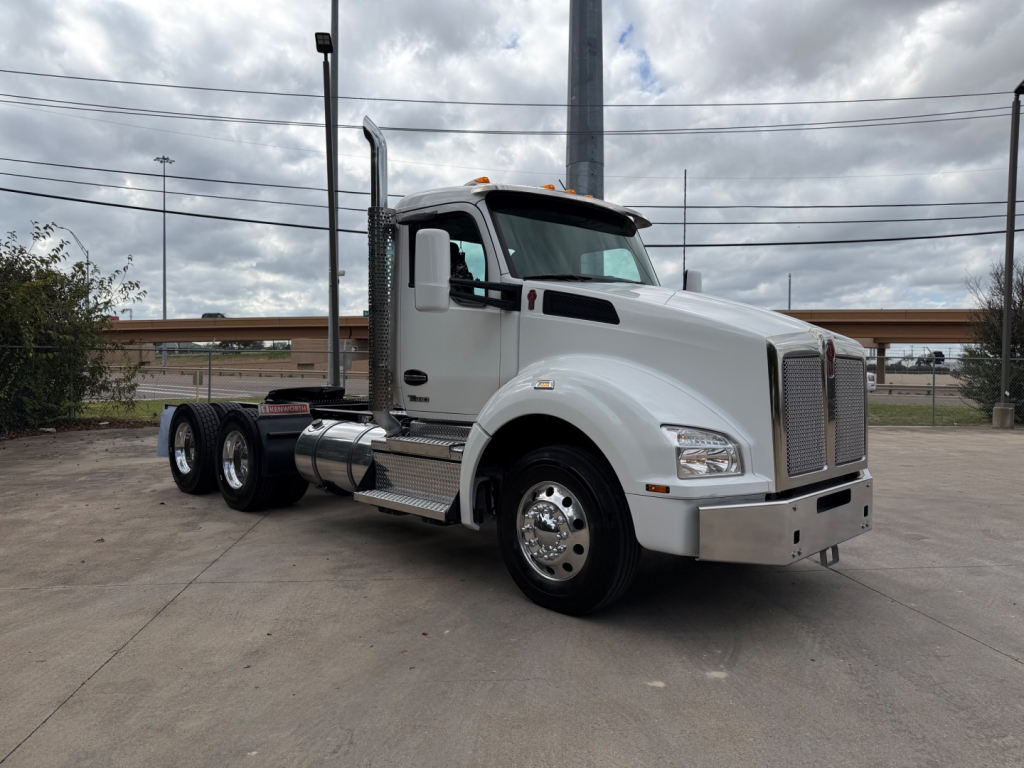
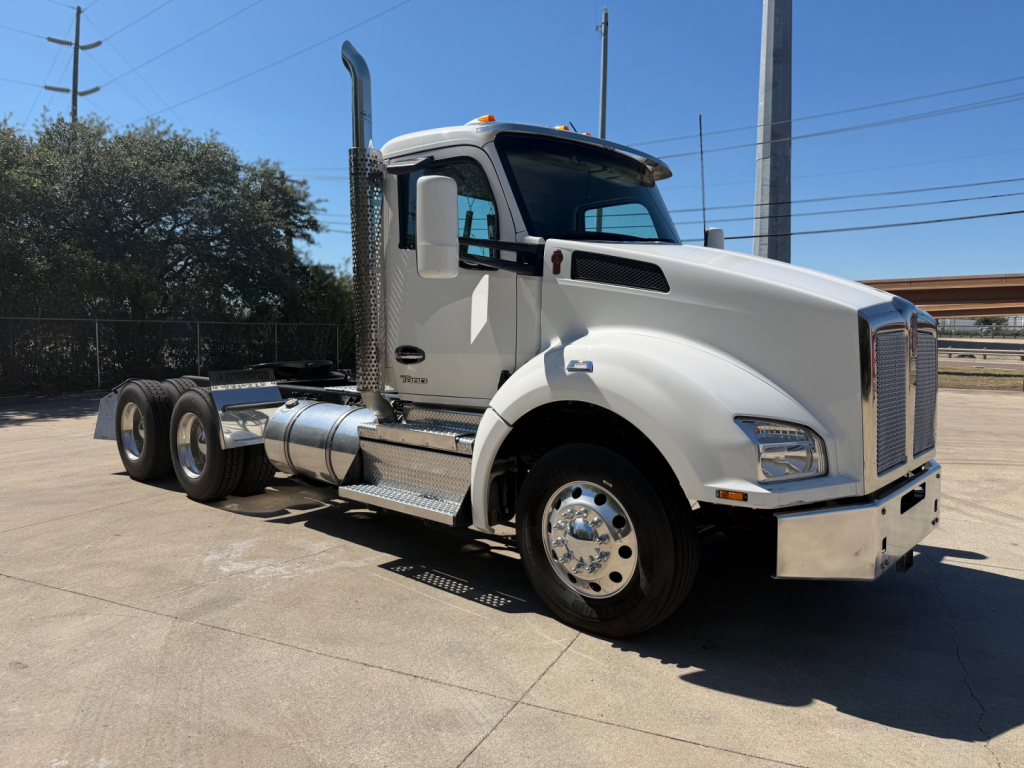
Selling a kenworth conventional daycab truck? List your kenworth conventional daycab truck for sale and reach thousands of commercial buyers.
Kenworth Conventional Daycab Trucks in Texas
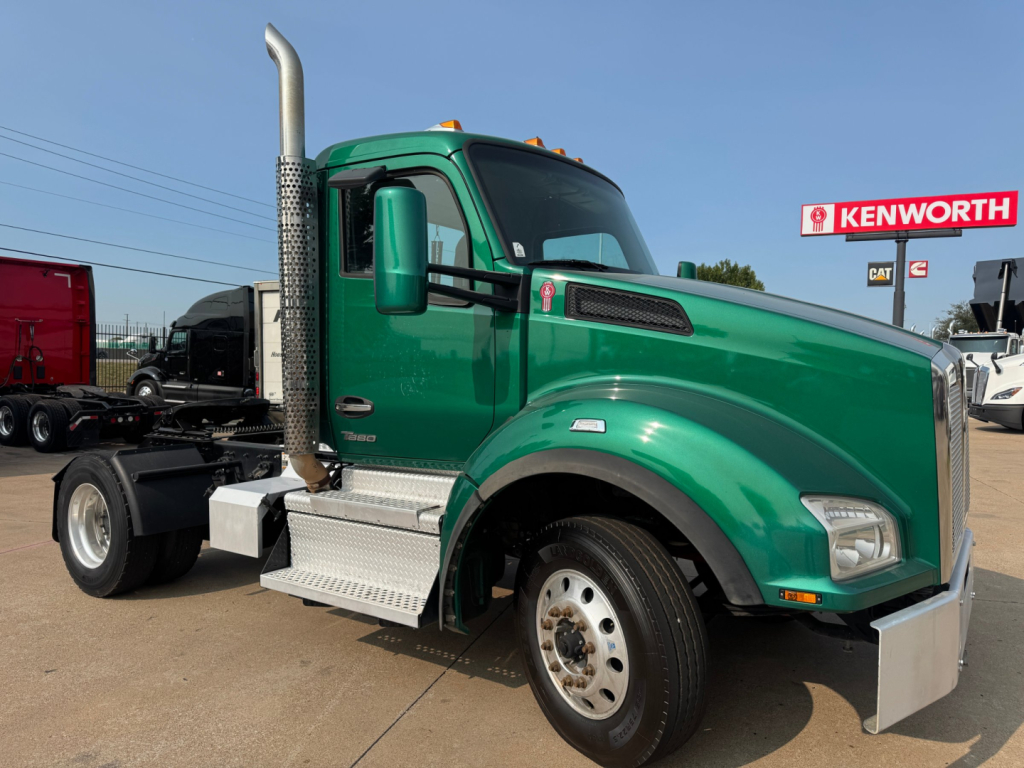
The first decision is usually duty class and powertrain. A Kenworth T-270 daycab with a PACCAR PX-6 in the 260 hp range is commonly spec'd for local delivery, municipal, and box body applications, often with single axle setups, higher rear ratios, and either Allison automatic or manual transmissions. A Kenworth T-680 daycab is a different tool entirely, typically built for Class 8 tractor service with PACCAR MX-13 power, automated transmissions, air ride suspension, tandem rears, and an air slide fifth wheel. In practical terms, that means buyers should match the truck to route speed, payload, PTO needs, stop-and-go frequency, and trailer type before comparing cosmetic features.
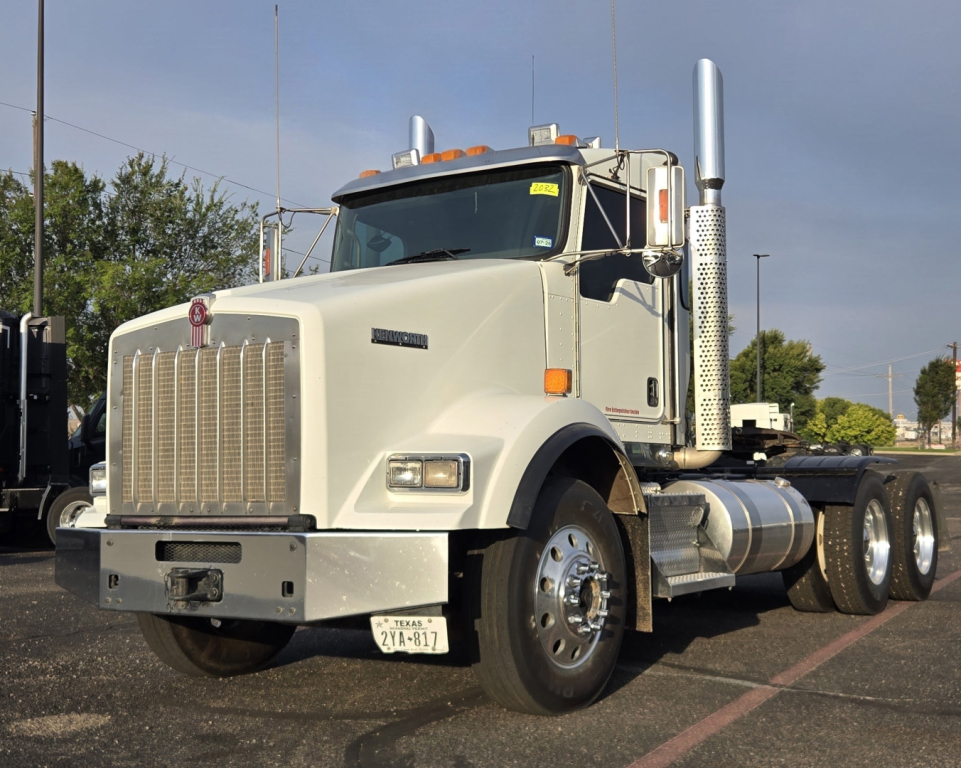
Wheelbase, axle ratings, and suspension matter as much as horsepower. Shorter wheelbase T-680 daycabs in the 170 to 174 inch range are common for fleet tractor work where turning radius and dock access matter. Medium-duty T-270 configurations can stretch much longer when carrying a van body, stake body, or other upfit. Rear axle ratings around 16,000 pounds are typical on single axle delivery trucks, while 40,000 pound tandem rears are common on highway tractors. Buyers in Texas also tend to pay close attention to cooling system condition, brake type, tire spec, and suspension choice, especially when the truck will see a mix of interstate miles, heat, congestion, and rougher secondary roads.
Cab spec still affects day-to-day operating cost and driver satisfaction. Features like air conditioning, tilt and telescoping steering, cruise control, power windows, aluminum fuel tanks, engine brakes, and disc brakes are common on later-model Kenworth daycabs and can make a noticeable difference in uptime and driver retention. On tractor applications, look closely at gear ratio, fuel capacity, fairings, and single versus dual exhaust depending on trailer height and regional duty cycle. On straight truck applications, body details such as floor type, scuff liners, E-track, door style, and inside height can matter more than trim level. A well-matched Kenworth conventional daycab should fit the work first, then the driver, then the resale market.
Frequently Asked Questions about Kenworth Conventional Daycab Trucks in Texas
What is the difference between a Kenworth daycab and a sleeper truck?
A Kenworth daycab is a non-sleeper conventional truck built for routes where the driver does not need overnight accommodations. It usually has a shorter overall length, lower curb weight, and better maneuverability than a sleeper. That makes it a strong fit for local delivery, port work, regional haul, dedicated fleet lanes, and vocational jobs where a sleeper berth adds cost but no real operating value.
Which Kenworth daycab is better for local delivery, a T-270 or a T-680?
The answer depends on the job class. A Kenworth T-270 daycab is generally better for medium-duty local delivery, box truck work, and urban routes because it is commonly spec'd with smaller engines, single axles, and body-friendly wheelbases. A Kenworth T-680 daycab is built for heavier Class 8 tractor applications such as regional freight, container work, and day routes pulling trailers. Buyers should choose based on GVWR, trailer requirement, body upfit, and the amount of highway versus city operation.
What specs matter most when buying a used Kenworth conventional daycab in Texas?
The most important specs are engine family, horsepower, transmission type, rear axle rating, suspension, wheelbase, and rear ratio. In Texas, buyers should also pay close attention to cooling system health, air conditioning performance, brake condition, and tire wear because trucks often run in high heat and long-distance regional service. On tractor units, check fifth wheel condition and frame layout. On straight trucks, evaluate the body, floor, roll-up door, scuff protection, and cargo securement equipment.
Are automatic transmissions common in Kenworth daycab trucks?
Yes. Automatic and automated transmissions are common in Kenworth daycab trucks, especially in fleet and urban service. Allison automatics are frequently seen in medium-duty delivery applications because they perform well in stop-and-go work. Automated manual transmissions are common in Class 8 T-680 daycabs because they help with fuel efficiency, driver training, and consistency across large fleets. A manual transmission can still be a good choice when a buyer wants more direct control or is working in a specific vocational application.
Why do rear axle ratio and wheelbase matter on a Kenworth daycab?
Rear axle ratio affects launch performance, cruise rpm, fuel economy, and how well the truck matches its route. A higher numerical ratio is often better for heavier local work and frequent starts, while a lower numerical ratio usually favors highway speed and fuel economy. Wheelbase affects turning radius, bridge law flexibility, body length, and how the truck carries weight. On a daycab, these two specs strongly influence whether the truck feels right for dock work, city streets, regional lanes, or body-mounted applications.