
Used Box Trucks For Sale
Browse used box trucks with 16 ft to 26 ft bodies, liftgates, roll-up doors, and diesel power for delivery, moving, and freight work.
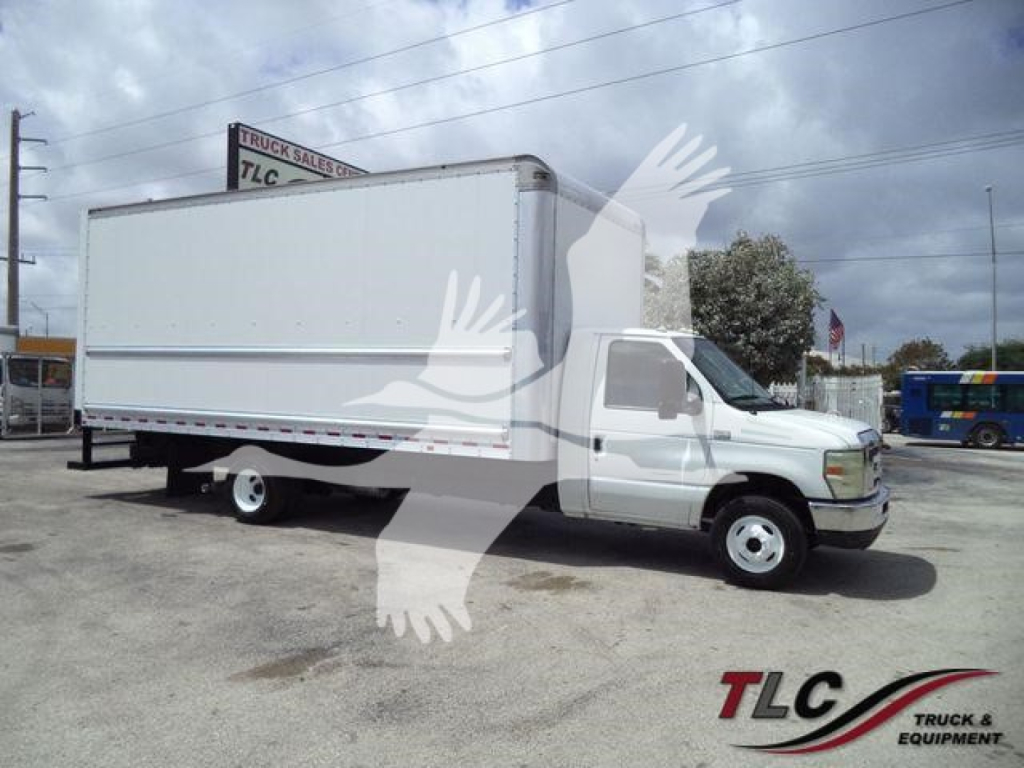
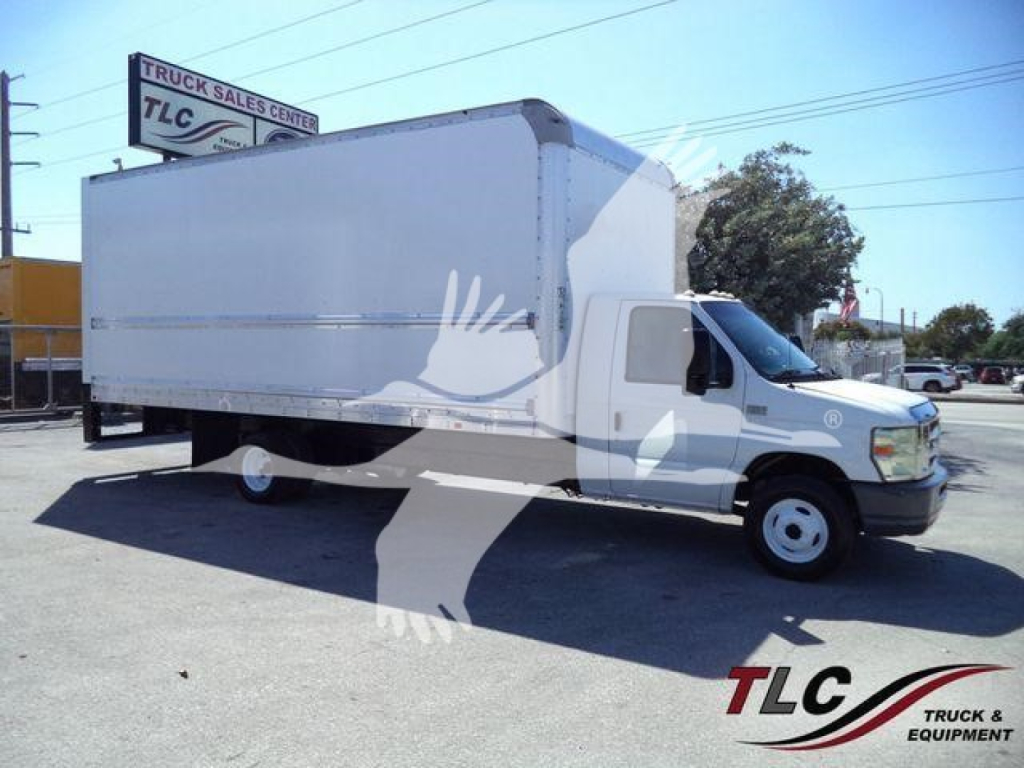
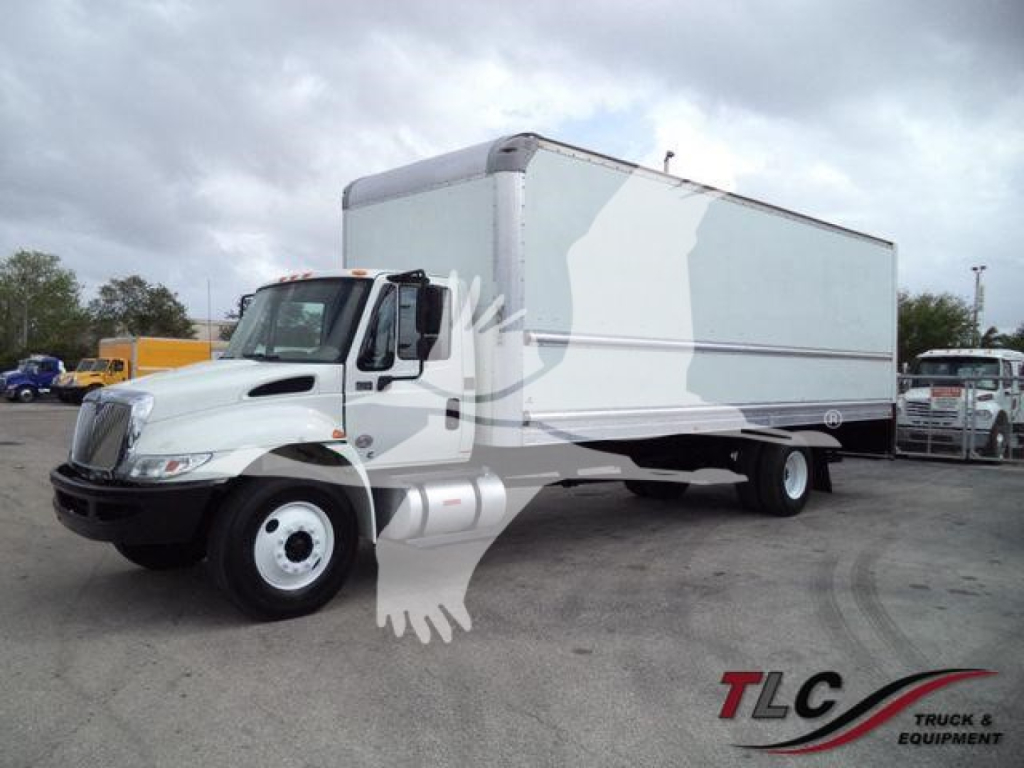
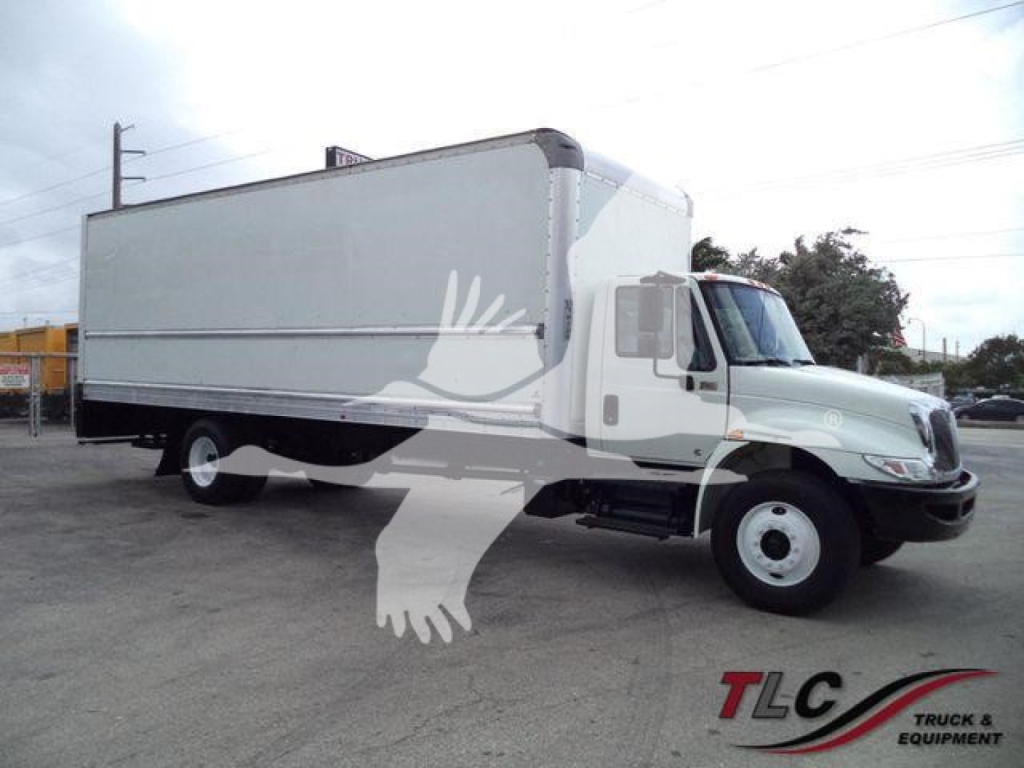
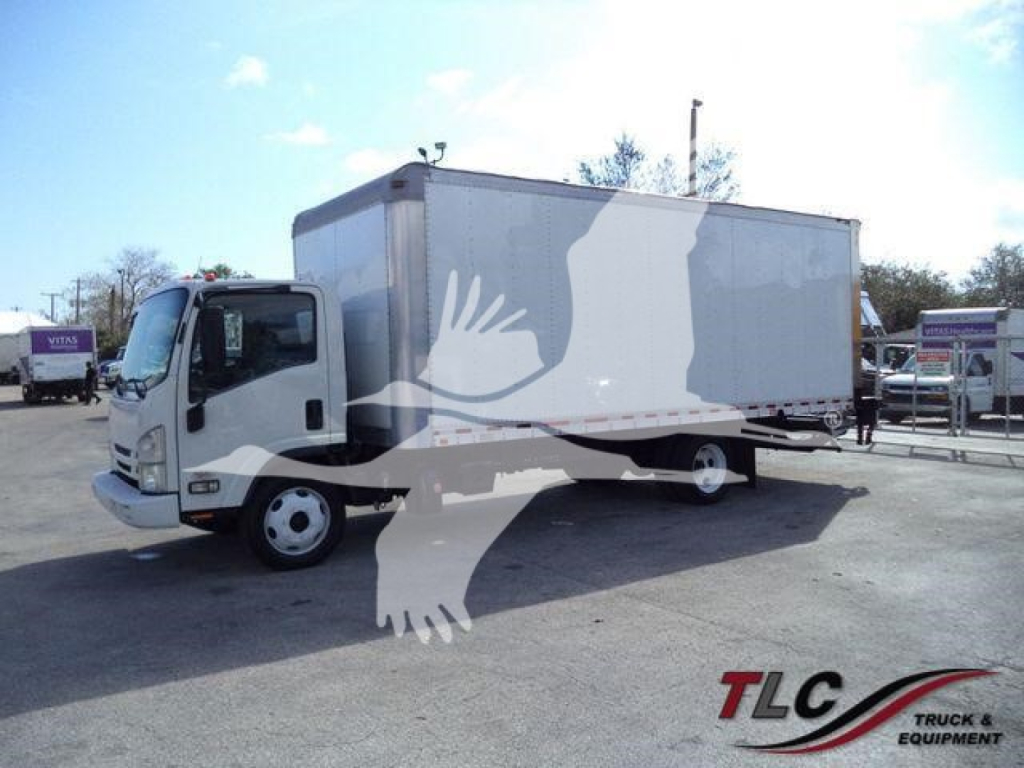
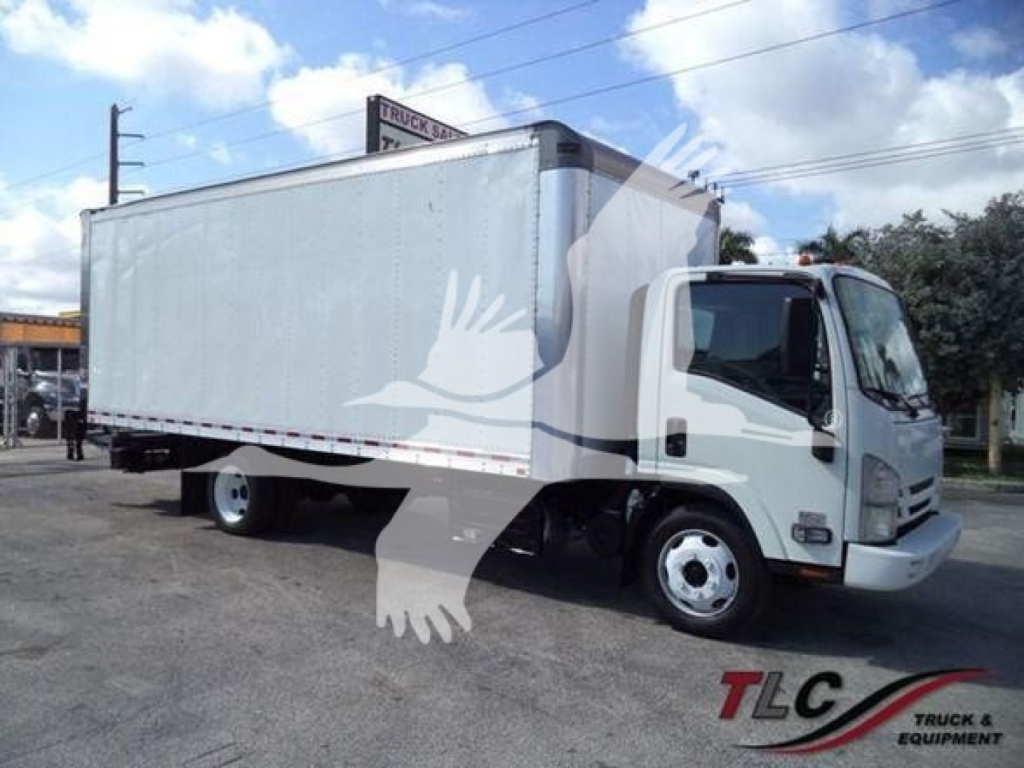
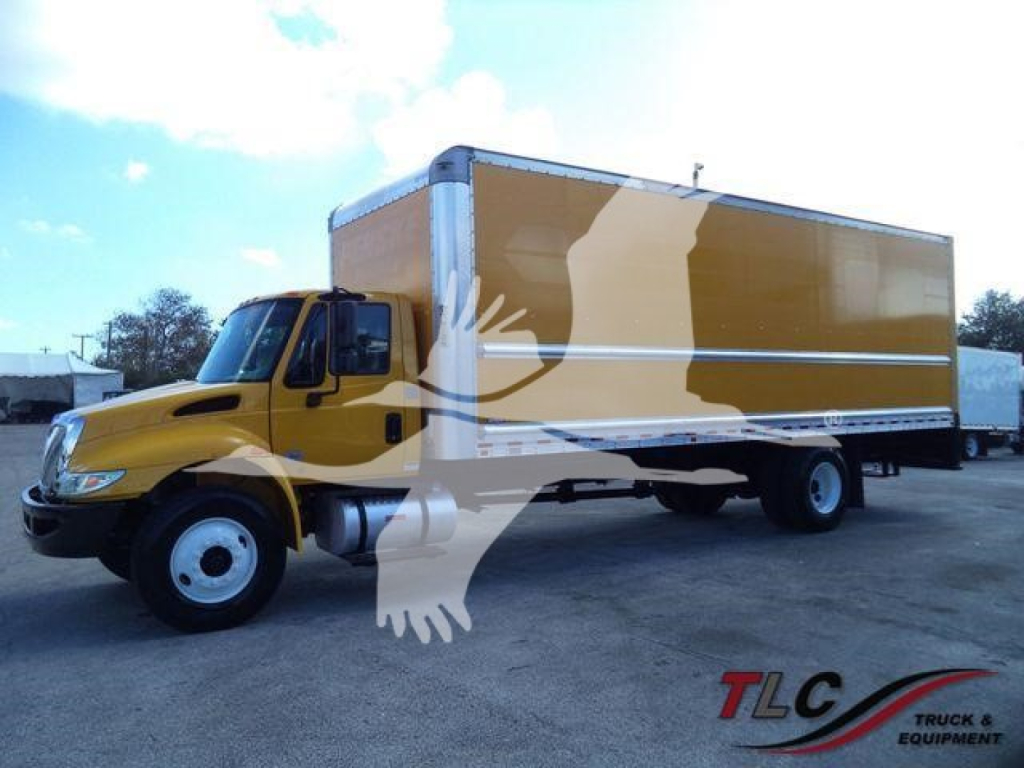
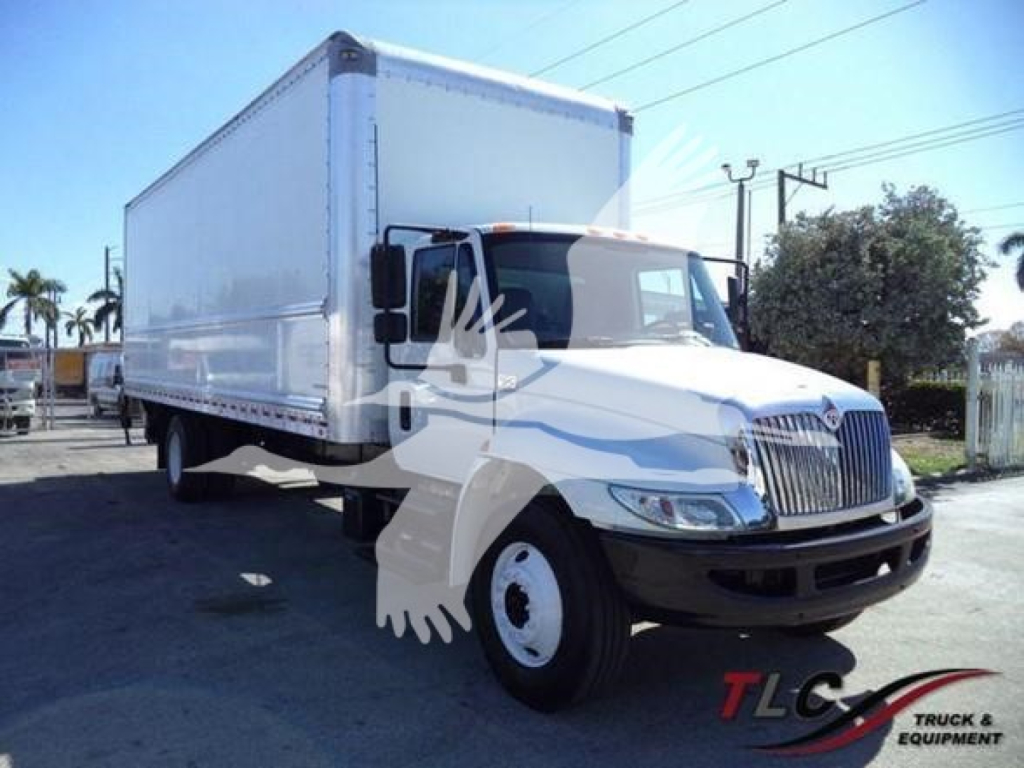
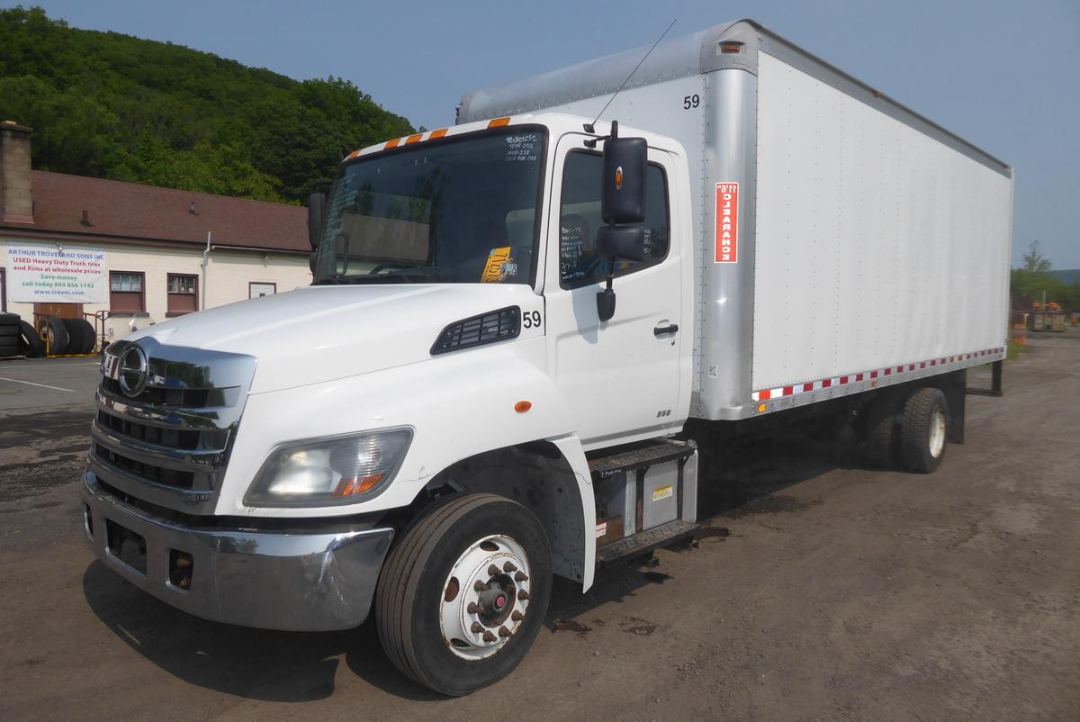
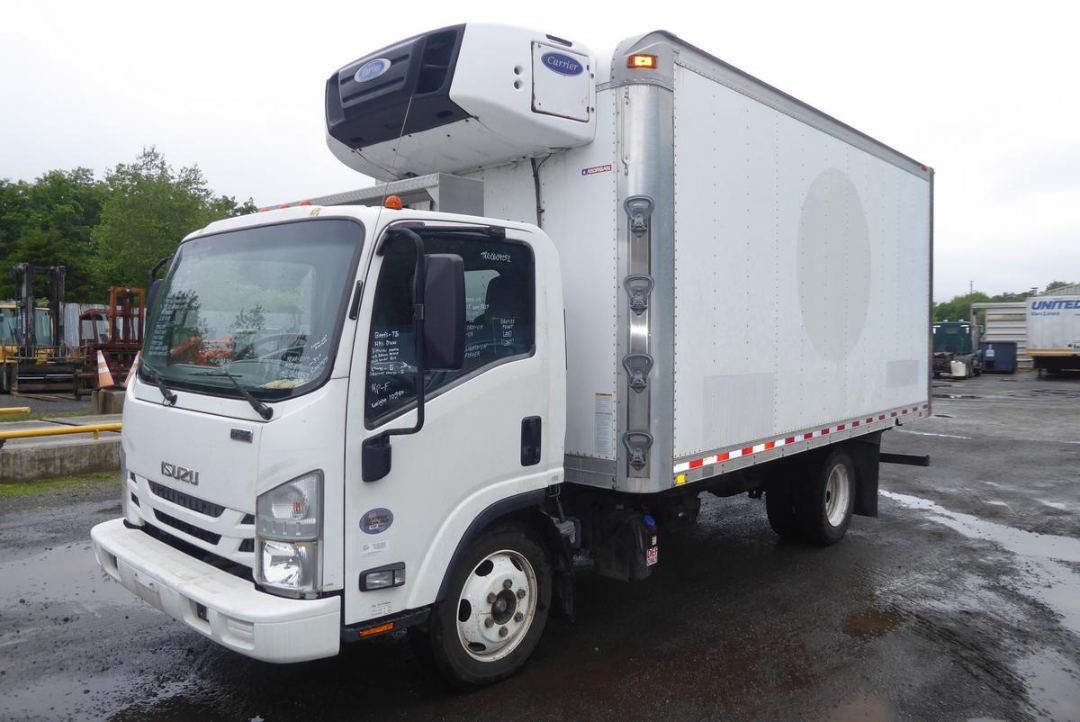
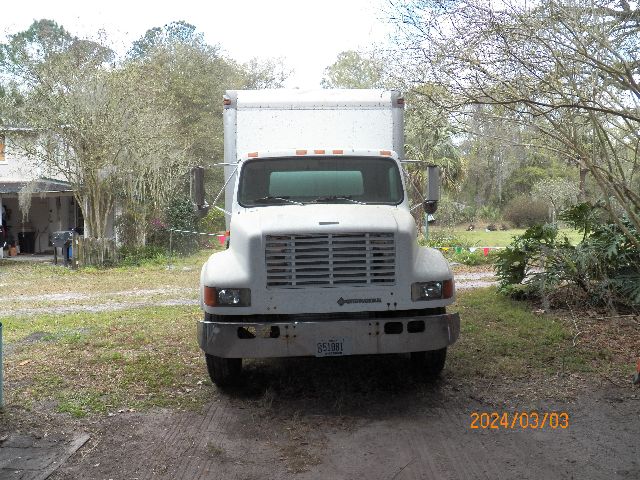
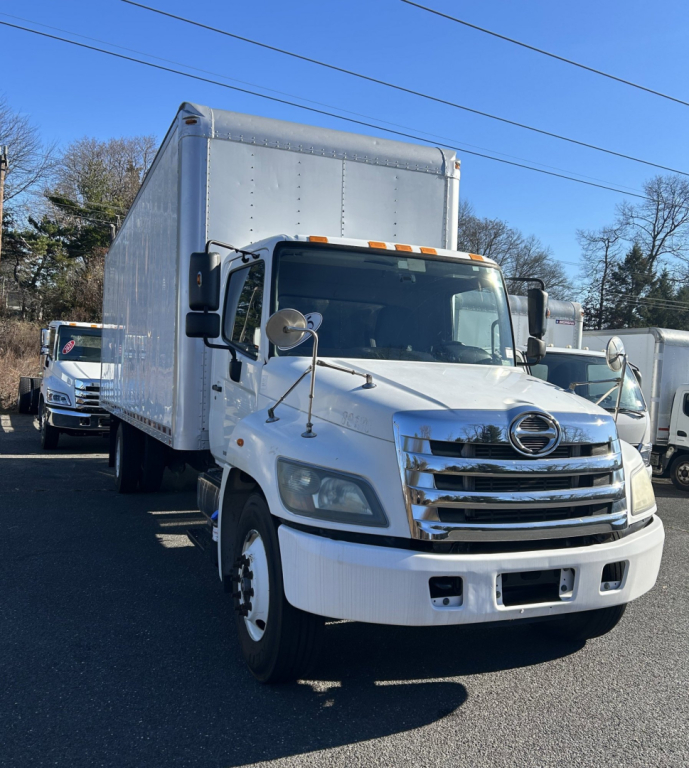
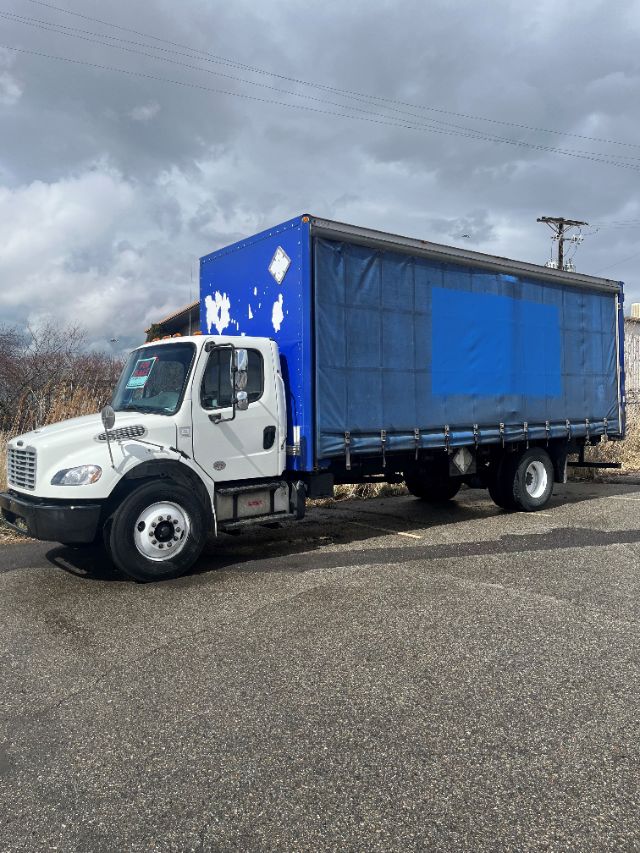
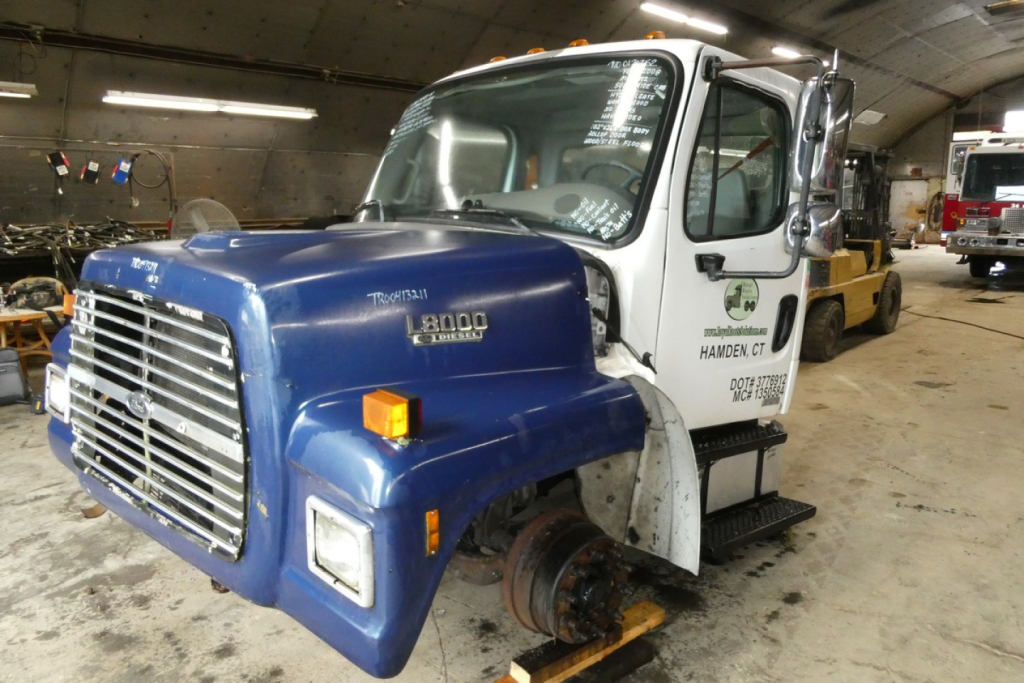
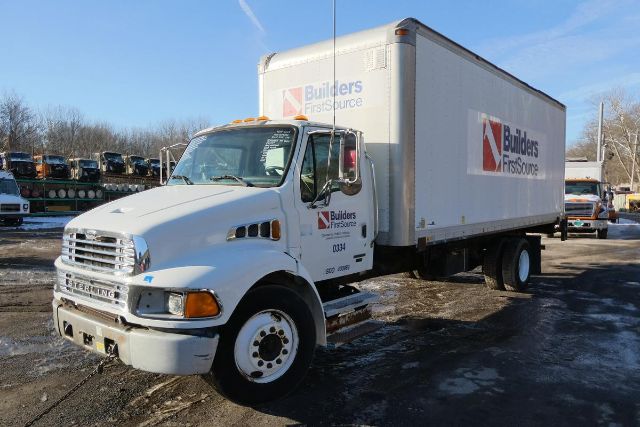
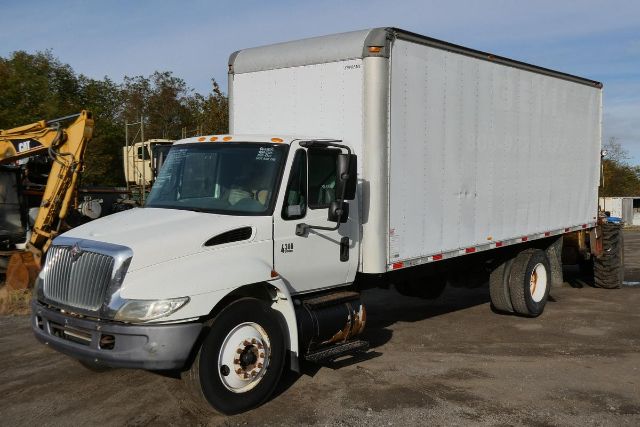
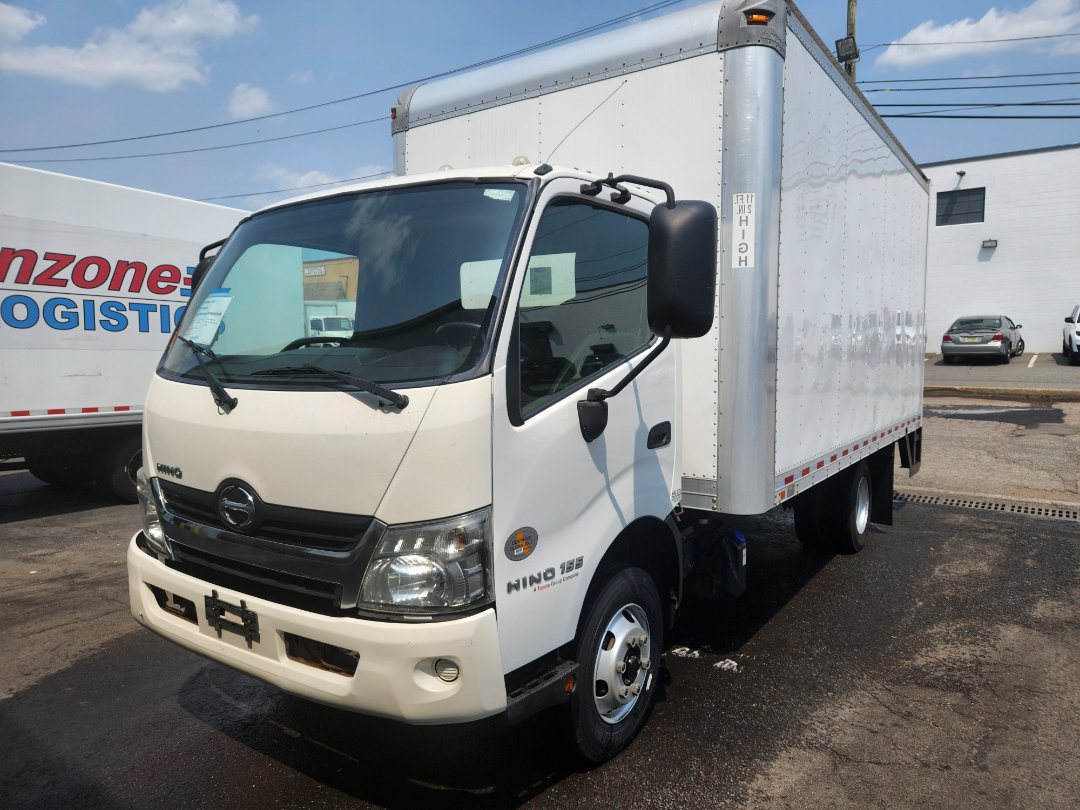
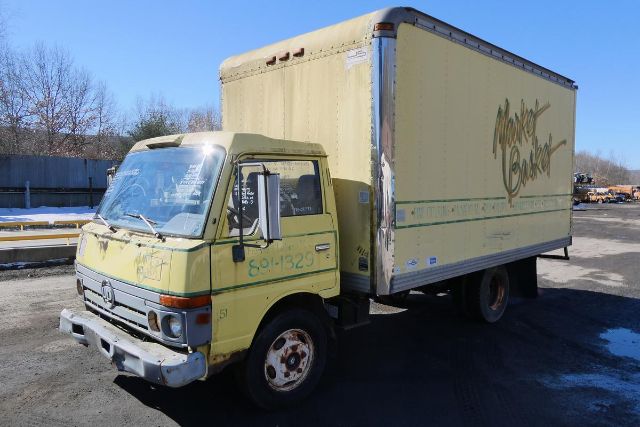
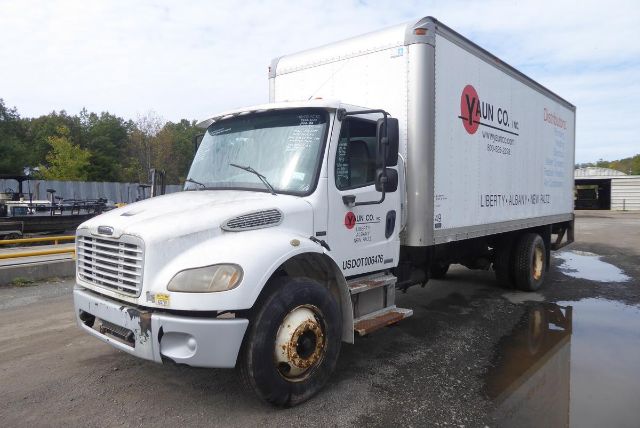
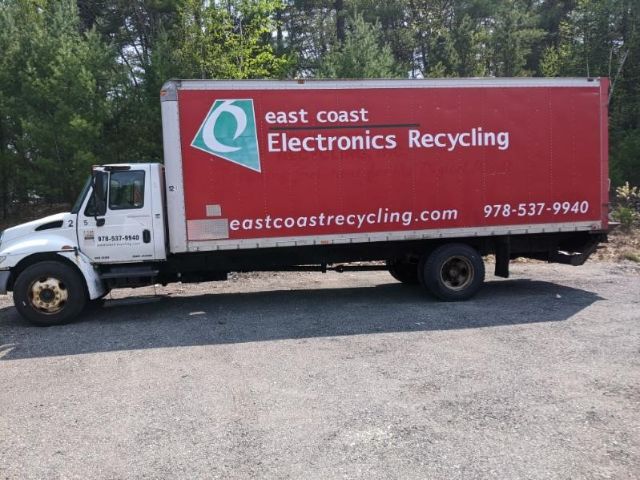
Showing 113 to 140 of 164 results
Selling a used box truck? List your used box truck for sale and reach thousands of commercial buyers.
Used Box Trucks
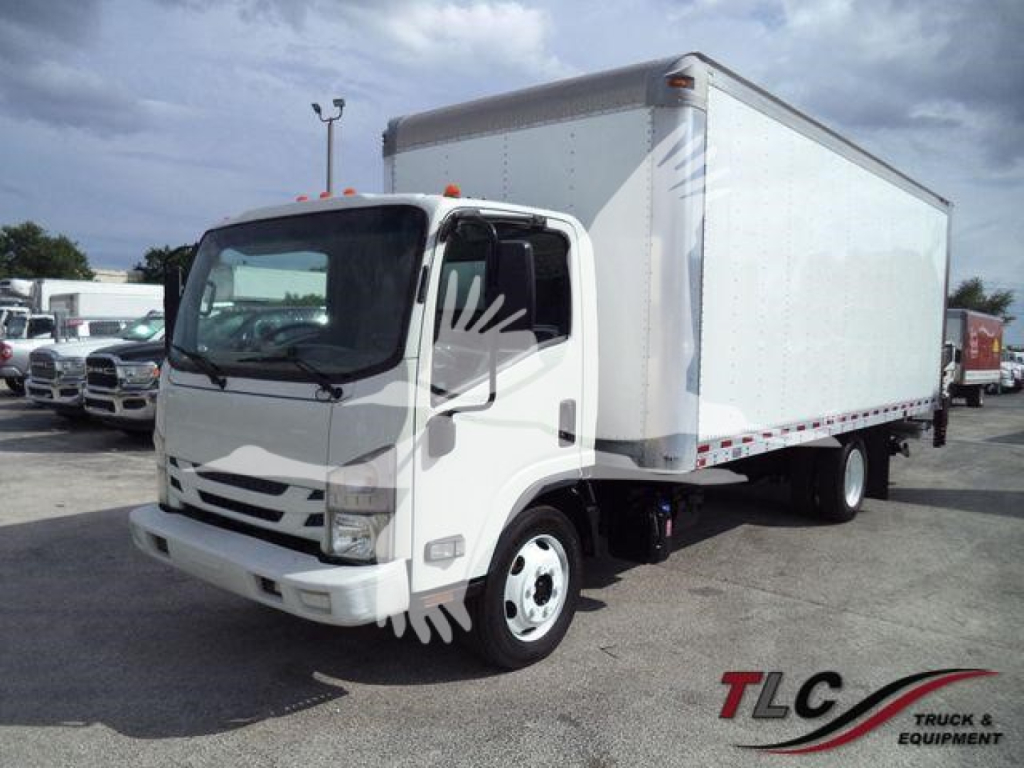
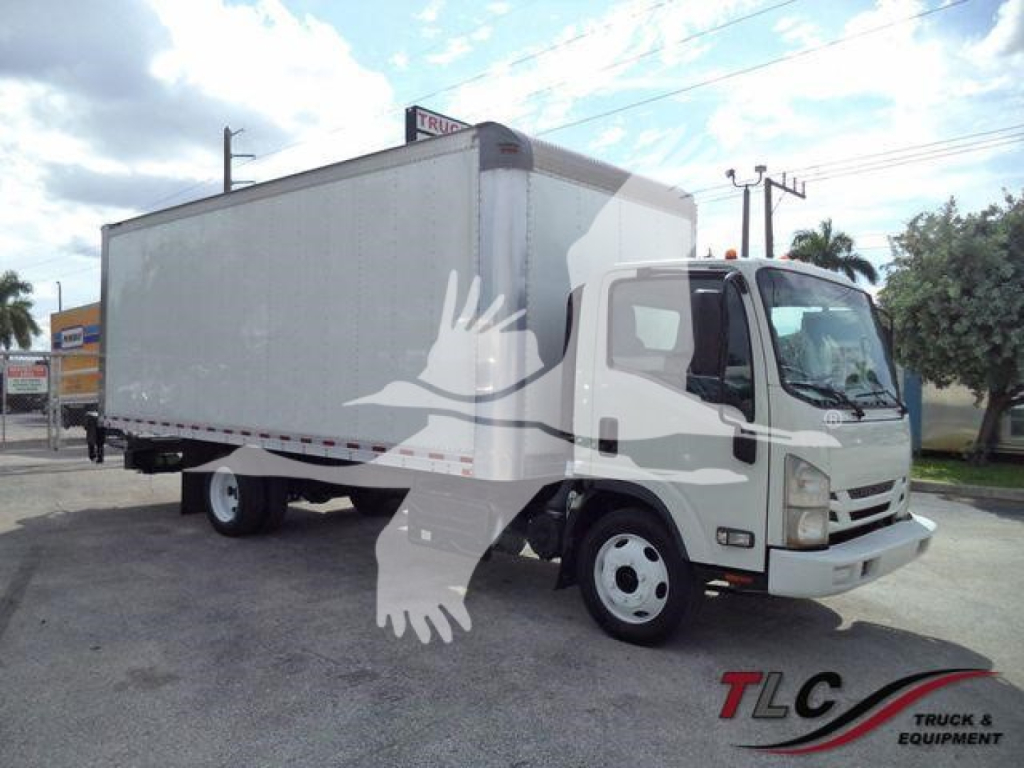
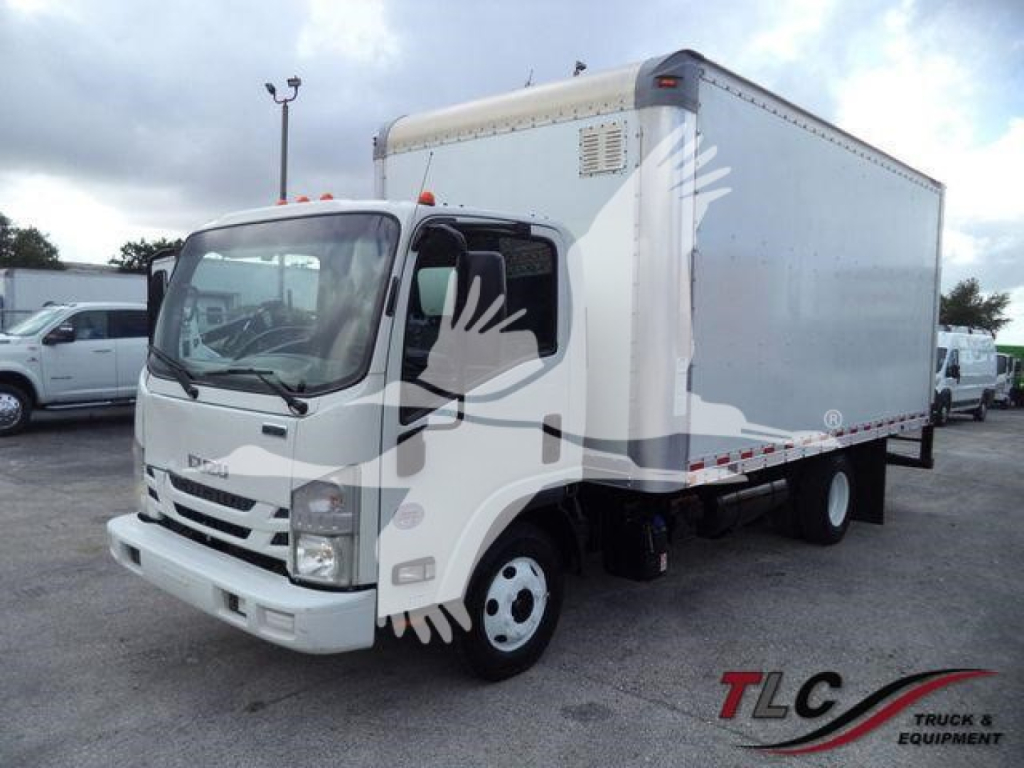
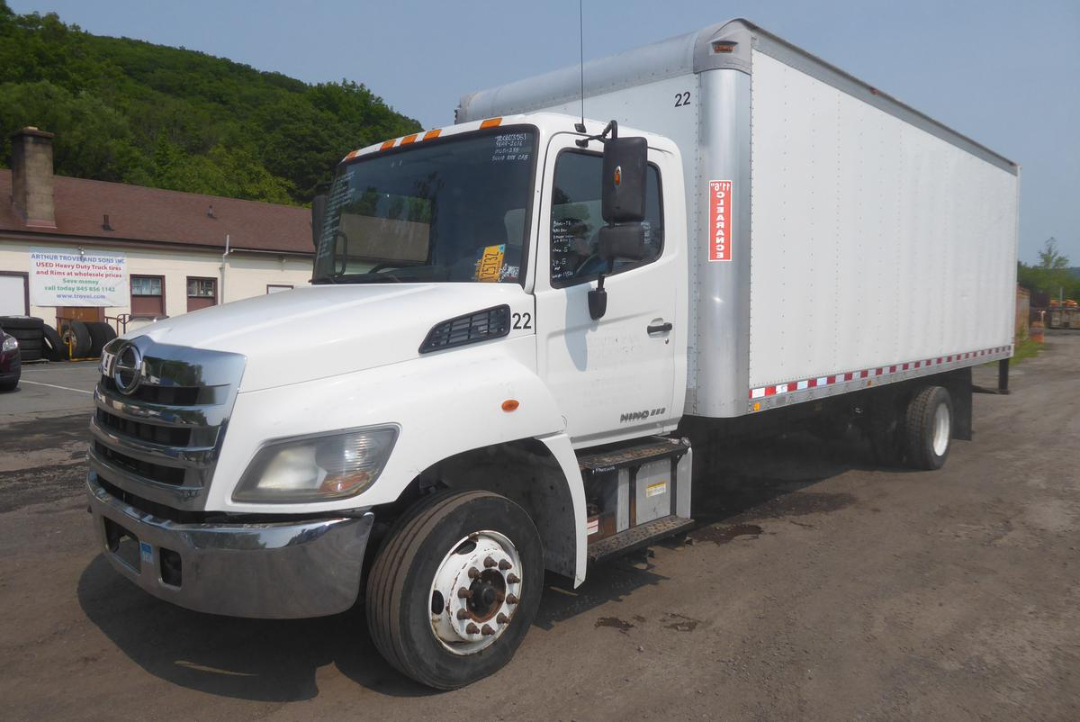
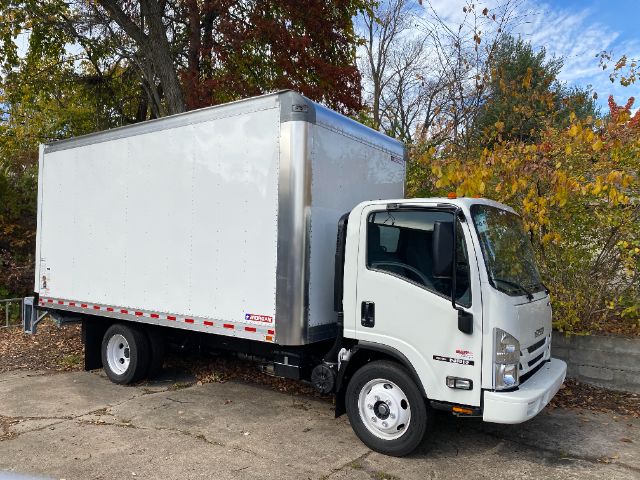
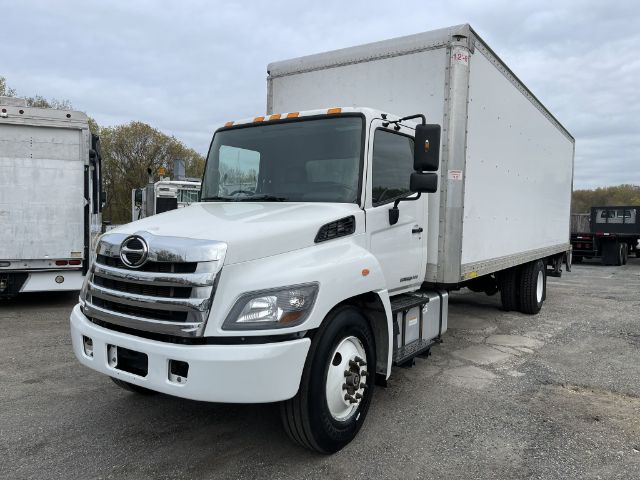
Chassis and powertrain choice matters as much as the box. In this category, you will commonly see Isuzu NPR HD and NQR models with 4-cylinder diesel engines and automatic transmissions, along with Hino 268A and International MV trucks with larger 6-cylinder diesel engines, air brakes, and Allison automatics. Lighter cabover units are valued for tight turning radius, lower step-in height, and urban maneuverability. Larger conventional or medium-duty chassis typically offer more wheelbase stability, higher body capacity, and better fit for 24 ft to 26 ft dry van bodies. Check axle ratings, rear gear ratio, brake type, and tire size against the routes and payloads you expect to run.
Body spec drives day-to-day productivity. Typical used box trucks in this segment have 96 in to 102 in body widths, roll-up rear doors, hardwood or laminated floors, E-track or logistics posts, and either a tuck-under liftgate, rail gate, or pull-out ramp. Interior height matters if you are loading tall carts, stacked pallets, or residential goods. Scuff liners and translucent roofs can be useful on delivery fleets that load hard and unload often. A liftgate can add flexibility for dock-free stops, but buyers should verify capacity, platform condition, hydraulic operation, and whether the added rear weight affects payload or loading practices.
On a used box truck, condition is about more than engine hours and mileage. Inspect the box for front wall damage, roof leaks, floor soft spots, door frame wear, and corrosion around crossmembers and mounting points. Confirm that the body dimensions match your freight, that the truck has the right GVWR for payload needs, and that cab access, visibility, and turning radius fit your delivery environment. For moving service, parcel routes, municipal supply runs, and dry freight distribution, a properly spec'd used box truck can deliver strong cargo protection, fast stop-to-stop efficiency, and lower operating cost than stepping into a new unit.
Frequently Asked Questions about Used Box Trucks
What size used box truck is best for delivery or moving work?
The right size depends on cargo volume, payload, and route type. A 14 ft to 16 ft box truck is common for urban delivery, service parts, and lighter moving work because it is easier to maneuver and park. A 24 ft to 26 ft box truck is better for furniture, appliances, route freight, and larger household moves because it offers much more cube and pallet space. Body length should always be matched to GVWR, axle ratings, and actual payload, not just interior volume.
Do I need a CDL to operate a box truck?
Many box trucks are spec'd at 25,950 lb GVWR, which is a popular rating because it stays below the 26,001 lb CDL threshold in many situations. That said, CDL requirements can still depend on state rules, air brake restrictions, endorsements, and how the truck is used in commerce. Buyers should verify the truck's door sticker GVWR and review local and federal operating rules before purchase.
What should I inspect on a used box truck body?
Focus on the condition of the floor, roof, front wall, rear frame, and door hardware. Look for water intrusion, patched panels, cracked crossmembers, bent rear thresholds, and soft spots in the floor from forklift traffic or repeated point loading. Also inspect scuff liners, E-track, interior posts, and the roll-up door balance and seal condition. A sound chassis can still become an expensive truck if the body needs structural repair.
Is a liftgate worth having on a used box truck?
A liftgate is valuable if your routes include dock-free stops, residential deliveries, or heavy freight handled without a forklift. Tuck-under and rail gates are common on used box trucks, and the right choice depends on cargo type and loading habits. Buyers should confirm lift capacity, platform size, cycle speed, hydraulic condition, and how much payload is lost from the added weight. If most stops are at docks, a ramp or plain rear opening may be the simpler setup.
Which chassis are common in used box trucks?
Common platforms include Isuzu cabover models such as the NPR HD and NQR, plus medium-duty trucks like the Hino 268A and International MV. Cabover chassis are popular in city service because they offer a tighter turning radius and shorter overall length for a given box size. Larger medium-duty chassis are often chosen for 24 ft to 26 ft bodies, higher GVWRs, air brakes, and more demanding regional delivery applications.