
Used 2022 Box Trucks For Sale
Shop used 2022 box trucks for sale. Compare GVWR, box length, liftgate, engine, and cab specs for delivery, moving, and dry freight work.
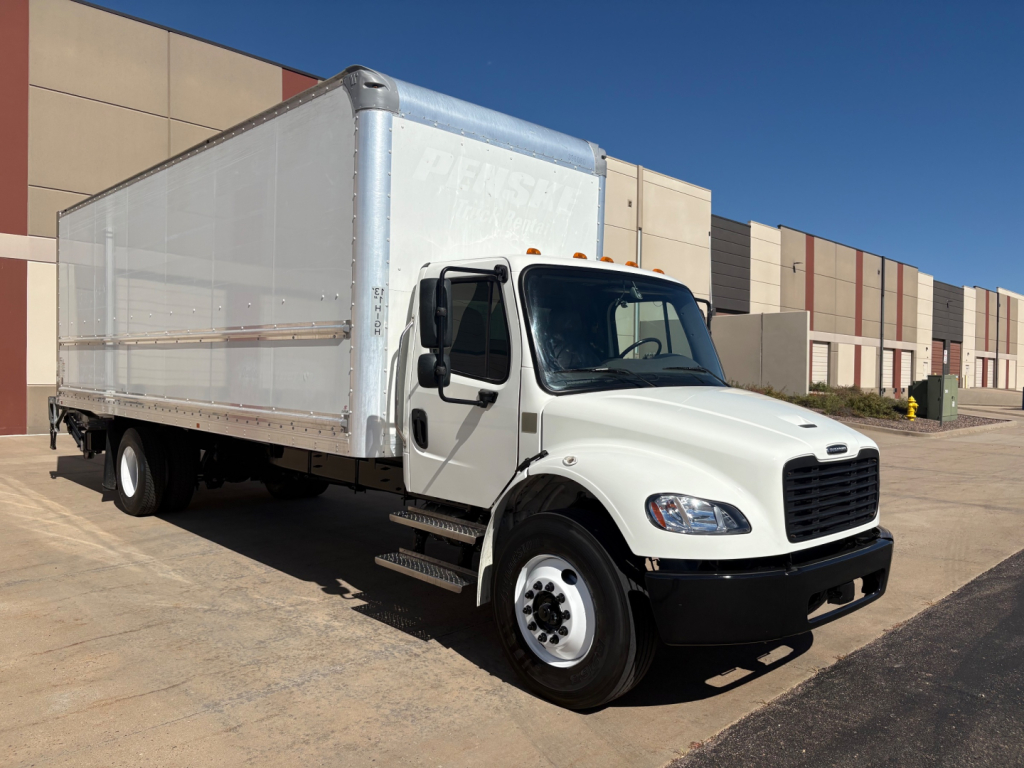
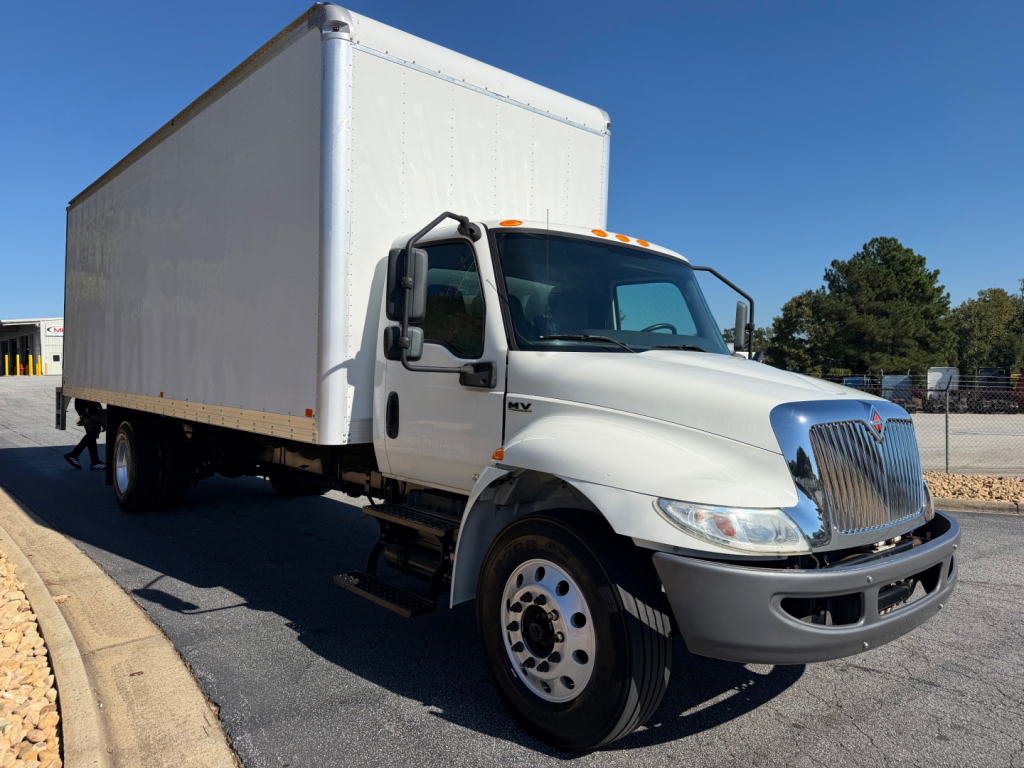
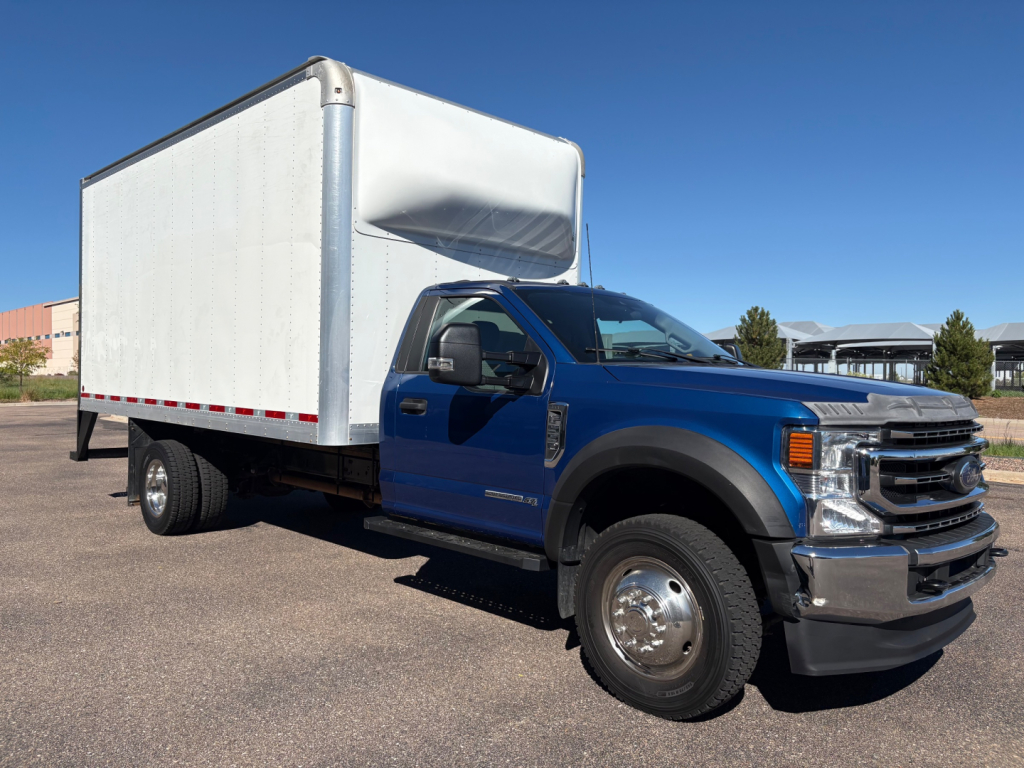
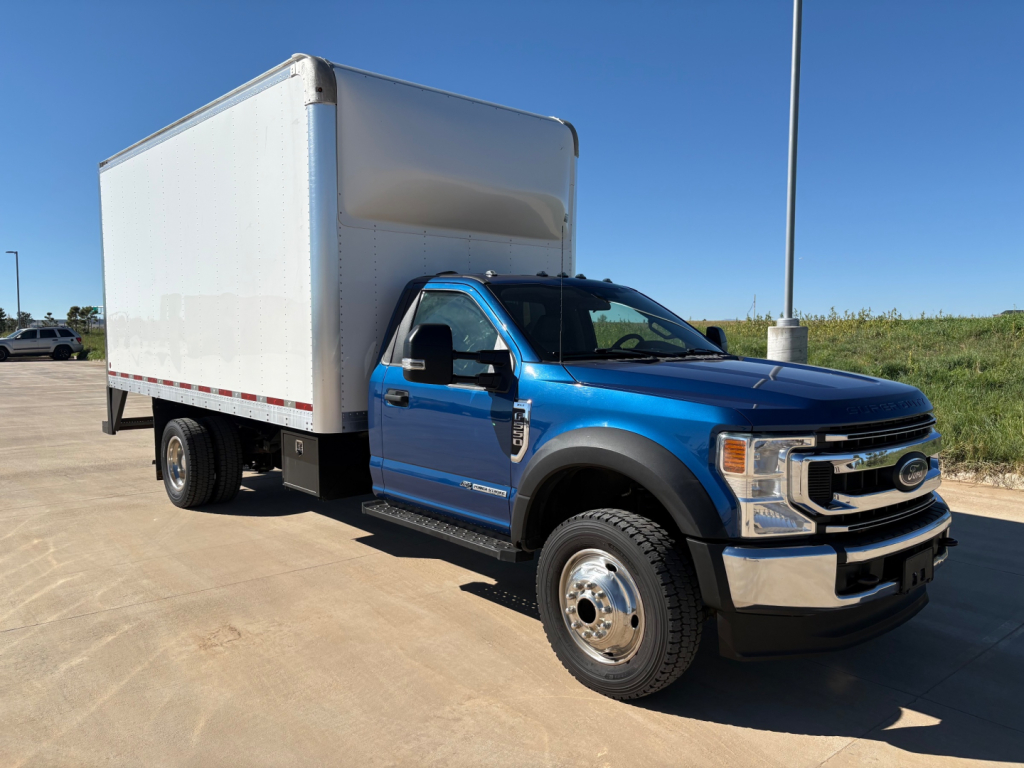
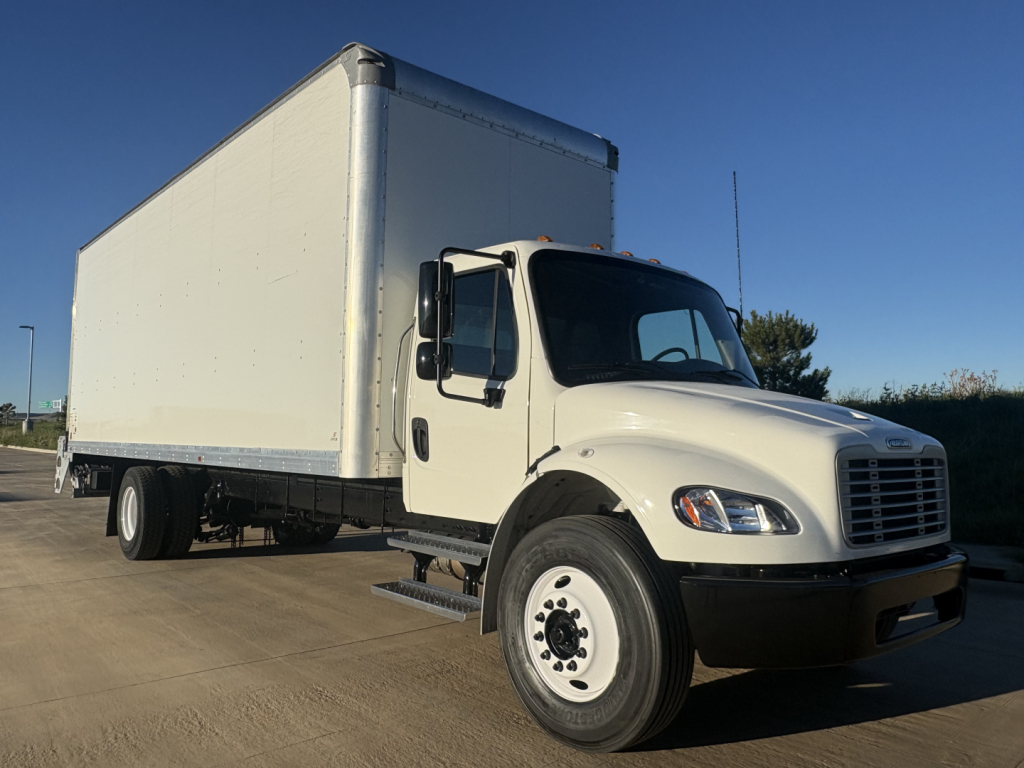
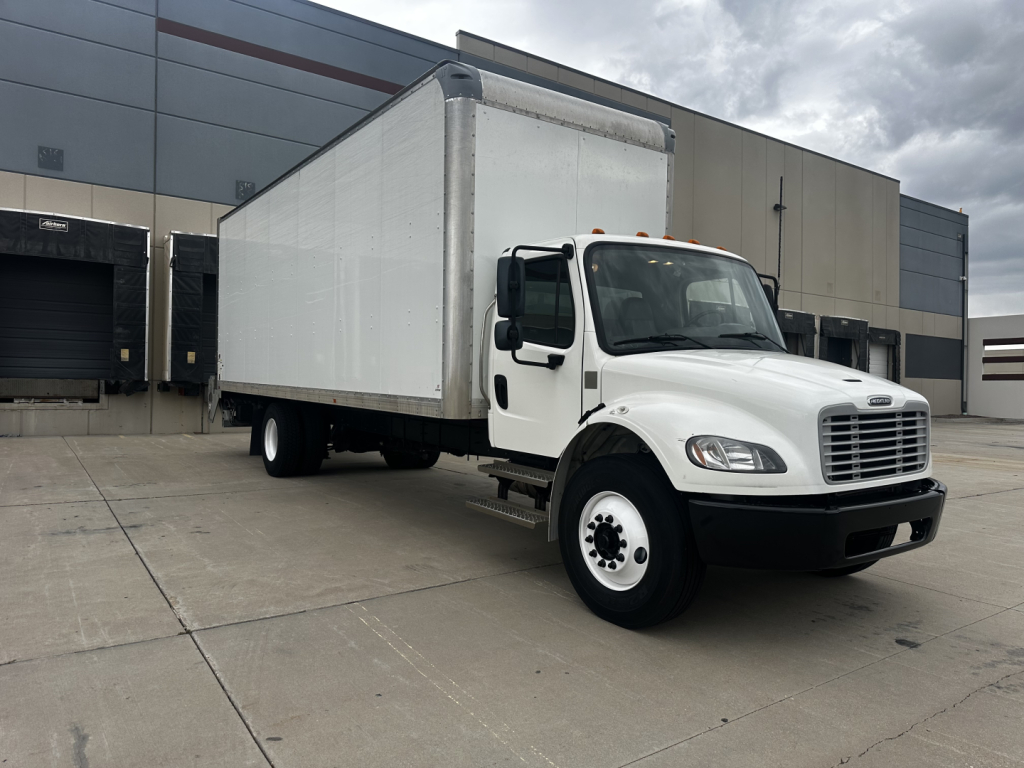
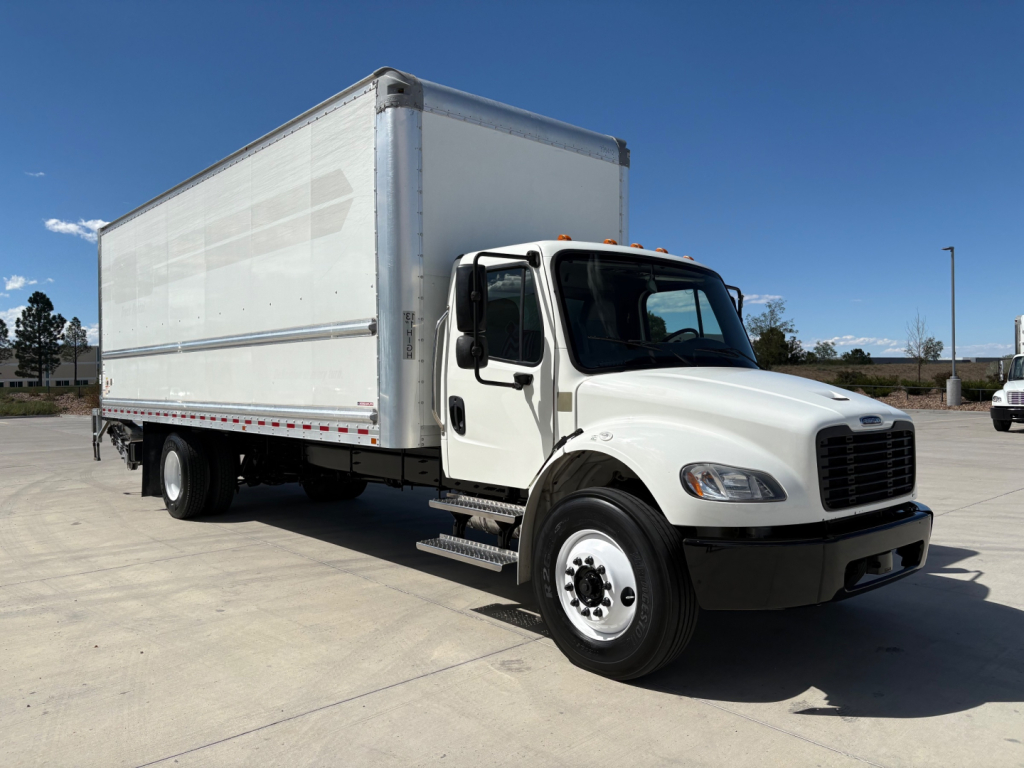
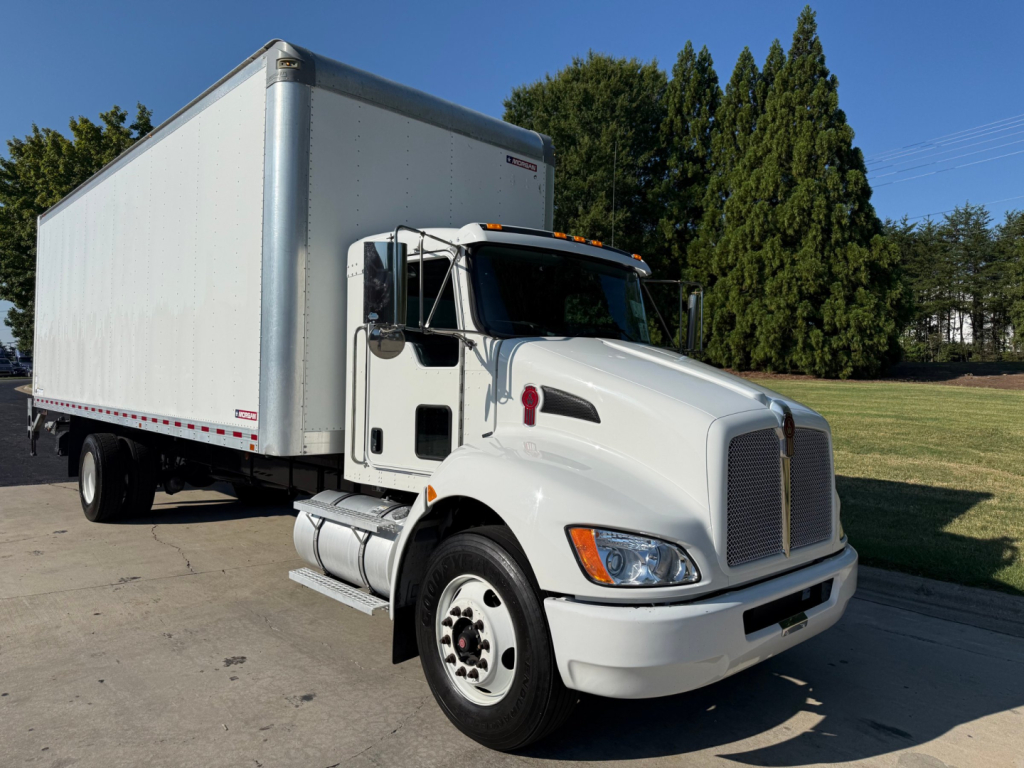
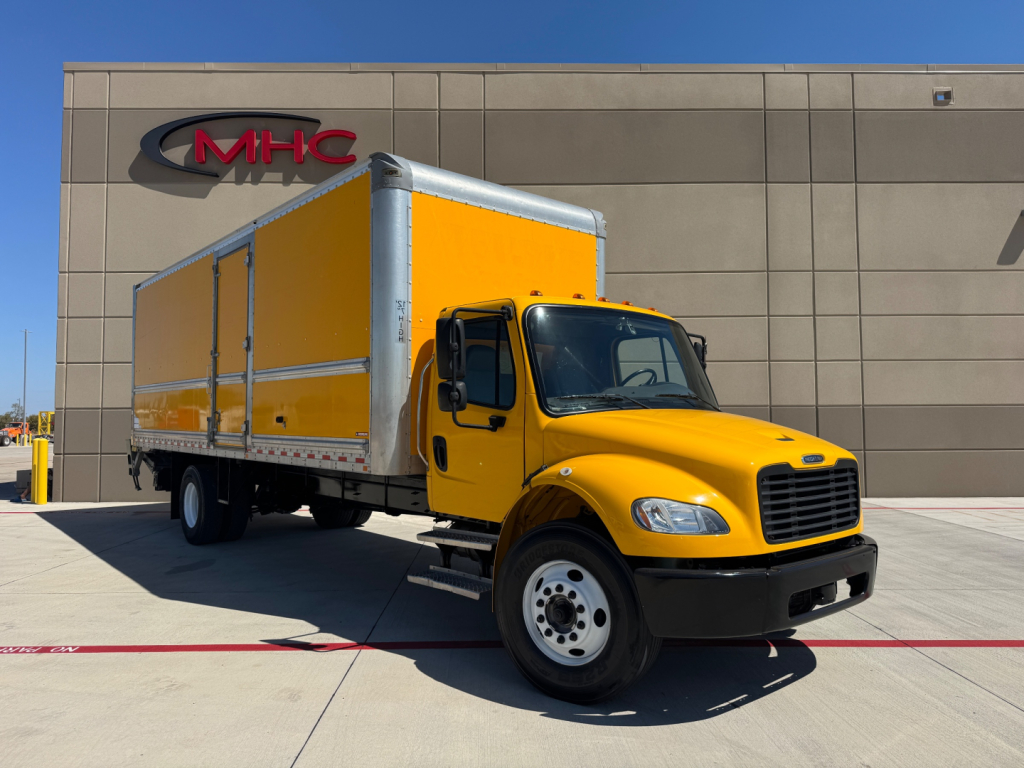
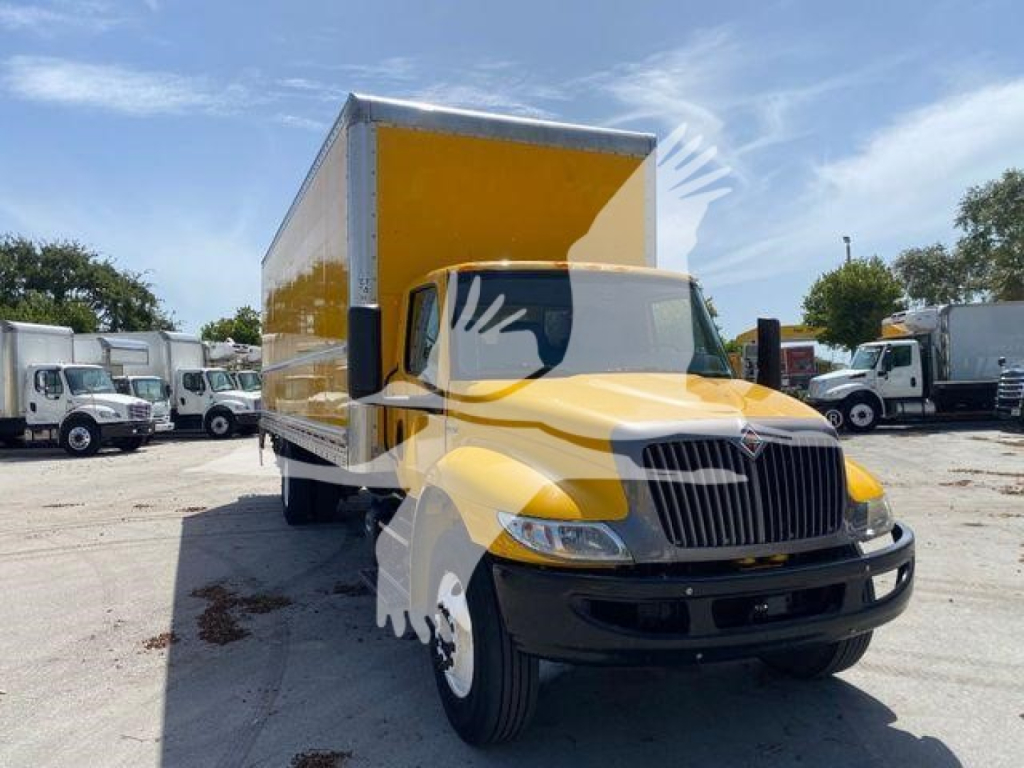
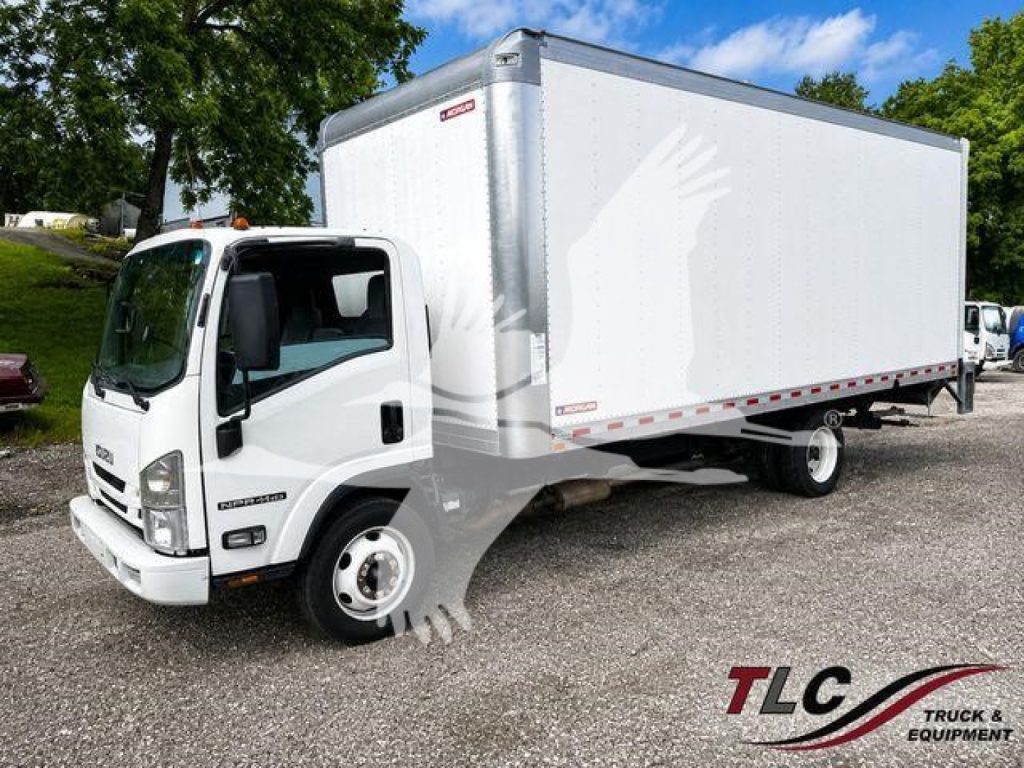
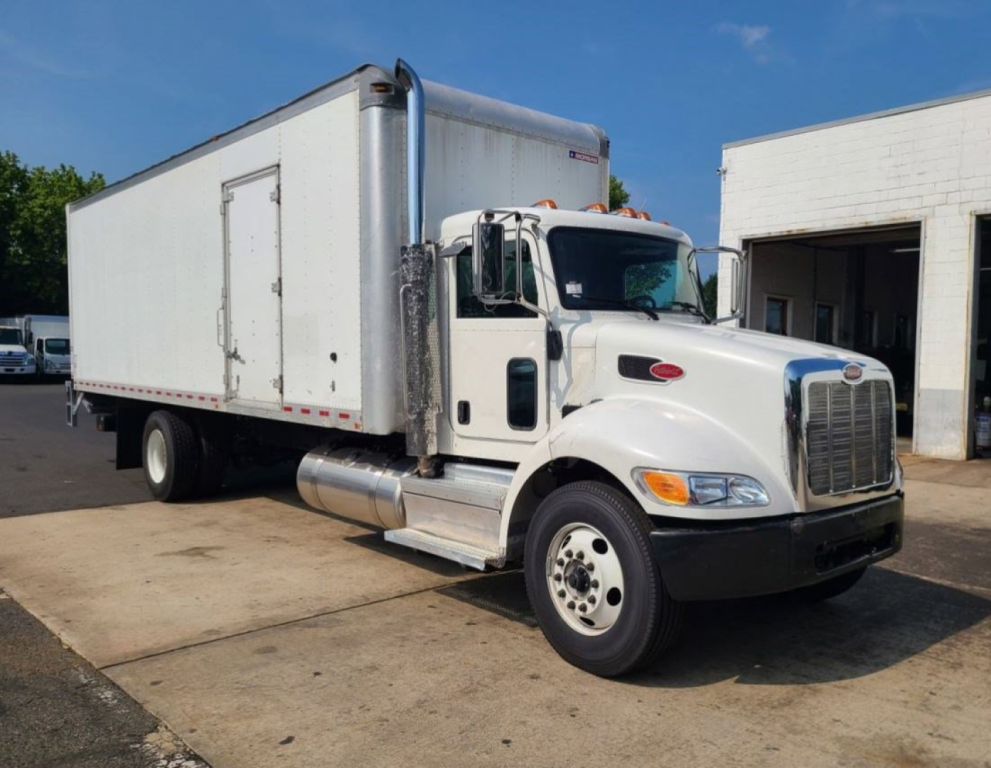
Selling a used 2022 box truck? List your used 2022 box truck for sale and reach thousands of commercial buyers.
Used 2022 Box Trucks
Frequently Asked Questions about Used 2022 Box Trucks
What box truck size is most common in used 2022 models?
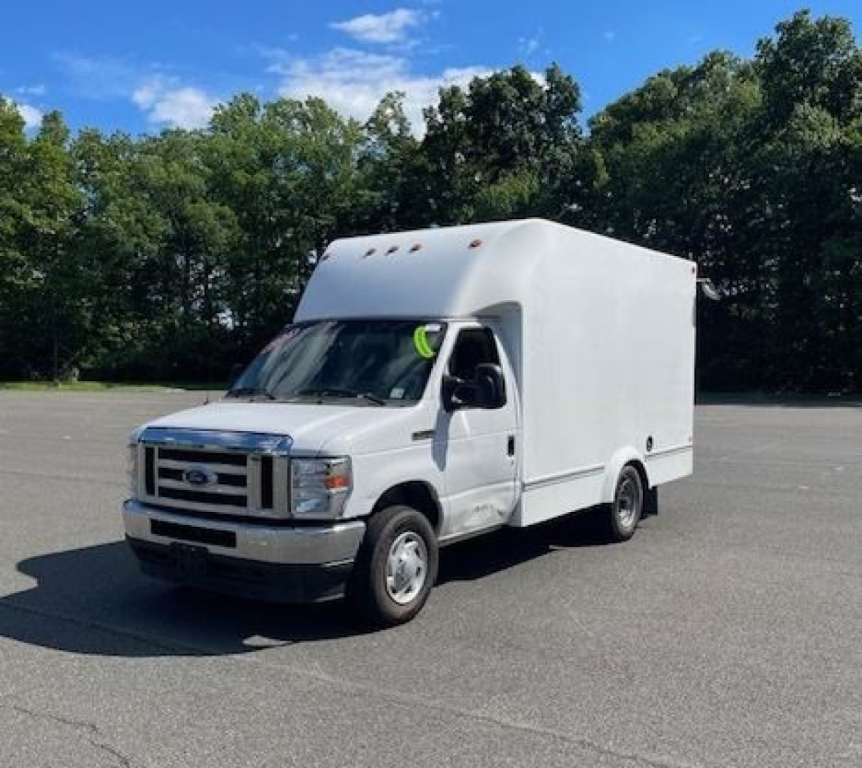
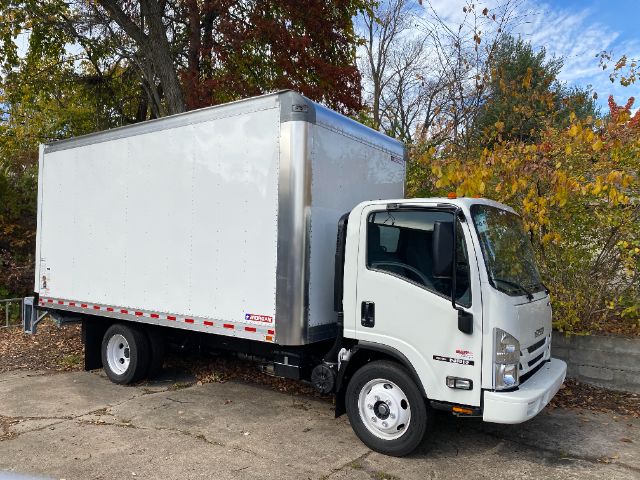
The most common used 2022 box truck sizes are 16-foot, 20-foot, 24-foot, and 26-foot bodies. A 16-foot box is common on Isuzu NPR, Hino 195, and similar low-cab-forward chassis used for urban delivery and frequent stops. A 24-foot or 26-foot box is more common on medium-duty conventional chassis such as the International MV for moving, appliance delivery, and higher cube freight. The right size depends on cubic capacity, payload needs, dock access, and turning room in your operating area.
Do I need a CDL for a 2022 box truck?
Not always. Many box trucks are spec'd under the 26,001 lb CDL threshold, with 25,950 lb GVWR being a common non-CDL configuration. That said, CDL rules can still be affected by air brakes, combined vehicle weight, state requirements, and the specific use of the truck. Buyers should verify GVWR on the door tag, confirm brake type, and make sure the intended operation matches local and federal licensing rules.
What should I inspect on a used 2022 box truck body?
Focus on the body as closely as the chassis. Check the front corners and roof cap for leaks, inspect the floor for soft spots or forklift damage, and look at the roll-up door tracks, cables, and seals for wear. If the truck has a liftgate, inspect platform pins, hydraulic lines, cylinders, wiring, and cycle function under load. Interior features such as E-track, scuff liners, translucent roof panels, and cargo tie-down points can add value depending on the work.
Are diesel or gas 2022 box trucks better for delivery work?
Both can be the right choice depending on route structure and annual mileage. Diesel engines are often preferred for higher-mileage operations, heavier payloads, and medium-duty chassis where torque and long-service durability matter. Gas engines are common in lighter box trucks and can be attractive for local routes, simpler maintenance, and lower upfront cost. The better choice depends on payload, idle time, maintenance support, and fuel availability across your operating area.
What chassis features matter most on a used 2022 box truck?
Transmission type, wheelbase, brake system, rear axle ratio, suspension, and cab layout all affect how the truck works day to day. Automatic transmissions dominate this category, especially for stop-and-go delivery fleets. Buyers should also pay attention to inside body height, door opening dimensions, liftgate capacity, and tire size because those details often matter more in service than advertised box length alone. A well-matched chassis and body spec usually outperforms a truck that only looks right on paper.