
Used 2015 Box Trucks For Sale
Browse used 2015 box trucks with common specs, GVWR classes, body lengths, liftgate options, and delivery-ready features buyers compare.
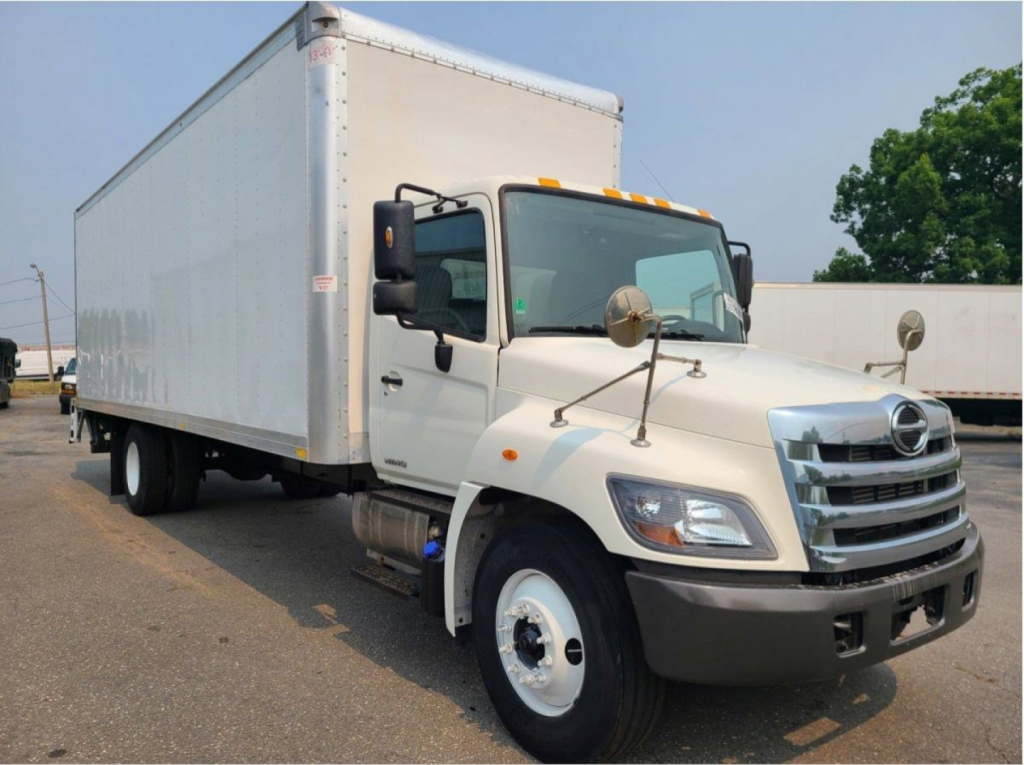
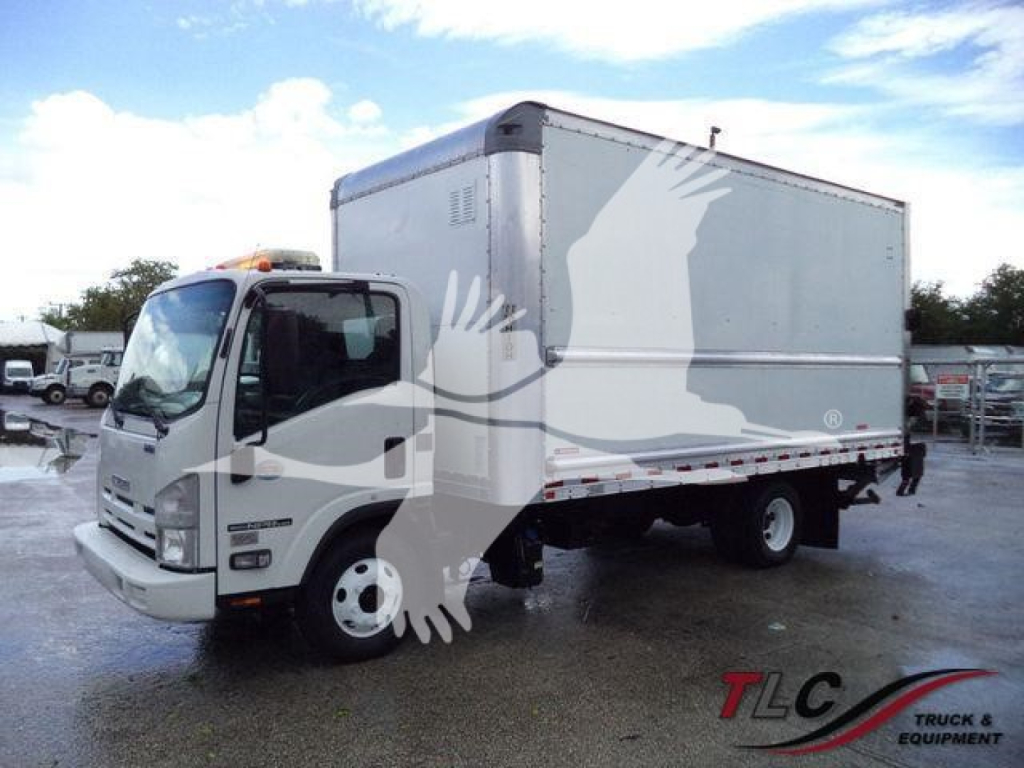
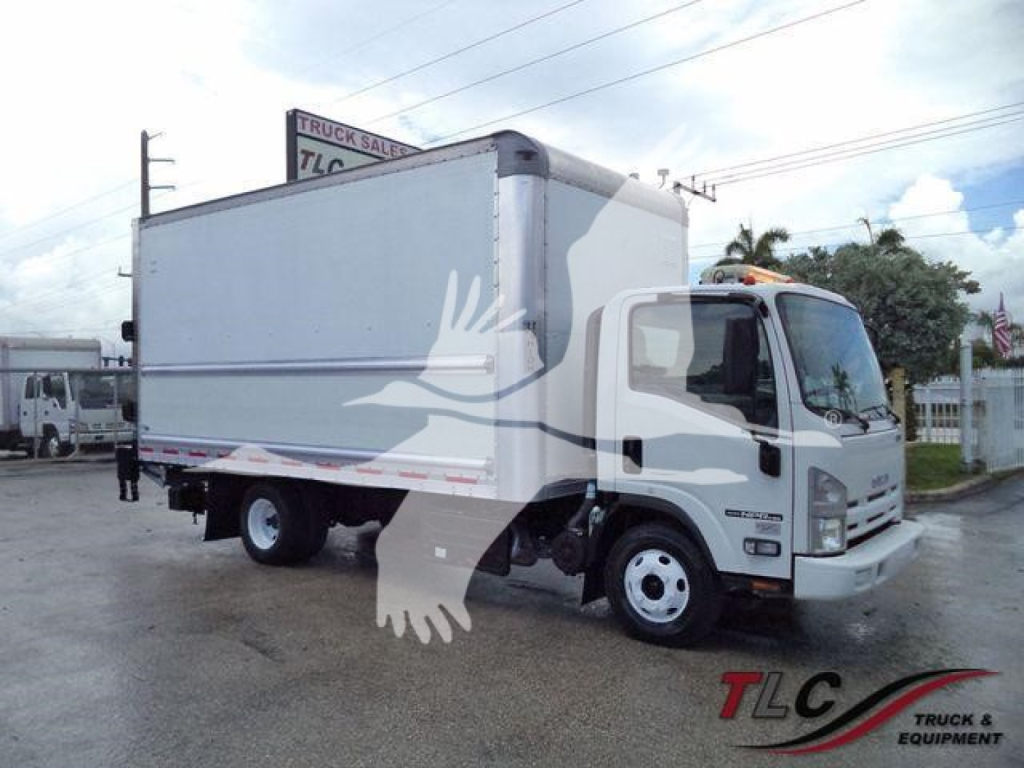
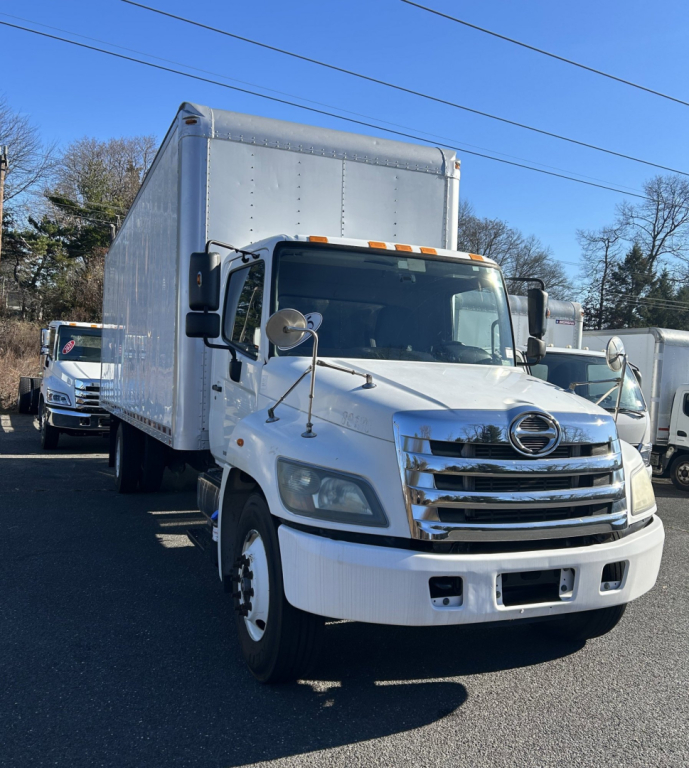

Selling a used 2015 box truck? List your used 2015 box truck for sale and reach thousands of commercial buyers.
Used 2015 Box Trucks
The first buying decision is usually size and weight class. Common 2015 box trucks range from Class 3 through Class 7, with GVWRs around 12,000 to 26,000 pounds. Non-CDL units are often spec'd at 25,999 pounds GVWR, making them popular for rental fleets, moving operations, and urban delivery routes. Box lengths commonly run from 14 to 26 feet, with 16-foot, 20-foot, 24-foot, and 26-foot bodies among the most common. Buyers should confirm inside height, door opening dimensions, payload capacity, and axle ratings, especially if the truck will carry pallets, appliances, beverages, or dense freight. Body details matter too, including roll-up versus swing doors, translucent roofs, E-track, logistics posts, hardwood floors, scuff liners, and tuck-under or rail liftgates.
Powertrain and chassis spec can vary widely in this segment. A 2015 box truck may be built on a cabover chassis from Isuzu, Hino, or Mitsubishi Fuso, or on a conventional platform from Ford, Chevrolet, GMC, Freightliner, or International. Diesel engines are common in heavier applications, while gas engines show up regularly in lighter local-delivery trucks. Automatic transmissions dominate this category because they reduce driver fatigue and suit stop-and-go service. Wheelbase, cab-to-axle measurement, brake type, suspension, and tire size all affect maneuverability, ride quality, and upfit compatibility. In tight city work, a cabover may offer a sharper turning radius, while a conventional chassis can be easier to service and more familiar to drivers.
Condition matters more than badge alone on a used 2015 box truck. Buyers should look closely at maintenance history, idle hours if available, DPF and SCR service records on diesel units, liftgate operation, body leaks, floor wear, door track condition, and signs of previous overloading. Rust around crossmembers, step wells, rear frame sections, and underbody hardware deserves attention, especially in northern climates. It also pays to verify reefer removal history if the truck was previously temperature-controlled, since insulation and body modifications can affect cargo use. A well-matched 2015 box truck can still deliver strong value when the chassis, body, and GVWR are aligned with the route, freight type, and loading method.
Frequently Asked Questions about Used 2015 Box Trucks
What GVWR is most common for a used 2015 box truck?
A common target is 25,999 pounds GVWR because it keeps the truck in the non-CDL range in many applications while still providing strong payload capacity and room for 24-foot to 26-foot bodies. Lighter 2015 box trucks in the 12,000 to 19,500 pound GVWR range are also common for parcel delivery, service work, and city routes where maneuverability matters more than maximum payload.
What body length should I look for in a 2015 box truck?
Body length depends on freight type, dock access, and route density. A 16-foot to 20-foot box is easier in urban service and tight customer locations. A 24-foot or 26-foot box is more common for moving, retail delivery, and higher cube freight. Buyers should compare interior cube, door opening height, and actual payload, because a longer box does not always mean the truck can legally haul heavier freight.
Are 2015 diesel box trucks expensive to maintain?
Maintenance cost depends heavily on engine platform, service history, and duty cycle. Many 2015 diesel box trucks use emissions equipment such as DPF and SCR systems, so buyers should review regeneration history, sensor replacement records, and any aftertreatment repairs. A well-maintained diesel can offer long service life and good torque for heavier work, but neglected emissions systems can quickly become a major expense.
Is a liftgate worth having on a used 2015 box truck?
A liftgate is a major advantage if the truck will handle appliances, palletized goods, vending equipment, office furniture, or deliveries to locations without docks. Tuck-under liftgates are common because they preserve rear access and work well in route delivery. Buyers should check capacity ratings, platform size, hydraulic response, hinge wear, and corrosion, since liftgate condition has a direct impact on safety and productivity.
What should I inspect on a used 2015 box truck before buying?
The key inspection points are engine and transmission operation, brake condition, suspension wear, tire date codes, frame corrosion, and signs of fluid leaks. On the body, inspect the roof, front corners, floor, rear door seals, and sidewall integrity. If equipped, test the liftgate under load. It is also smart to verify axle ratings, box dimensions, odometer accuracy, and maintenance records so the truck matches the intended cargo and operating requirements.