
Used 2011 Box Trucks For Sale
Shop used 2011 box trucks with cargo bodies, liftgate options, diesel or gas power, and GVWR classes suited for delivery and moving work.
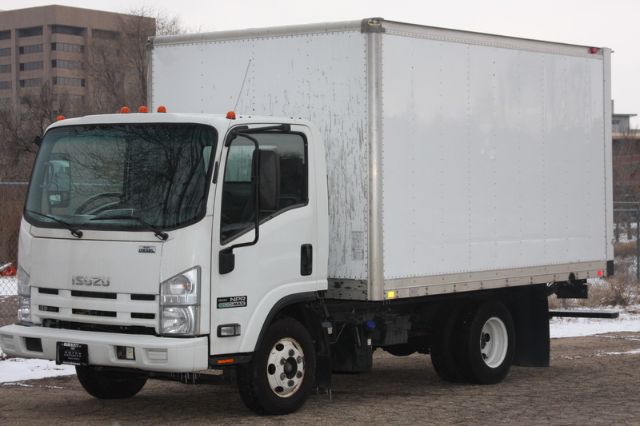
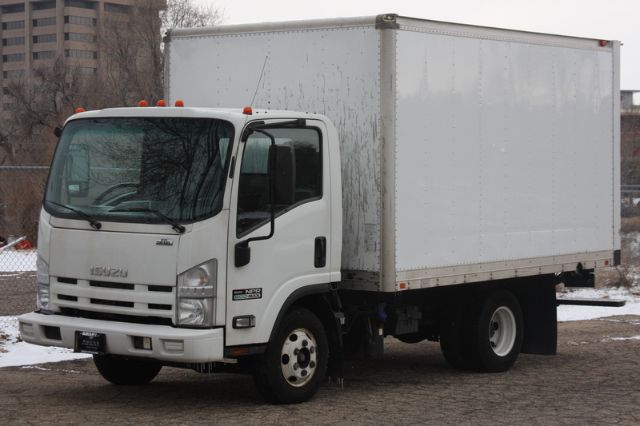
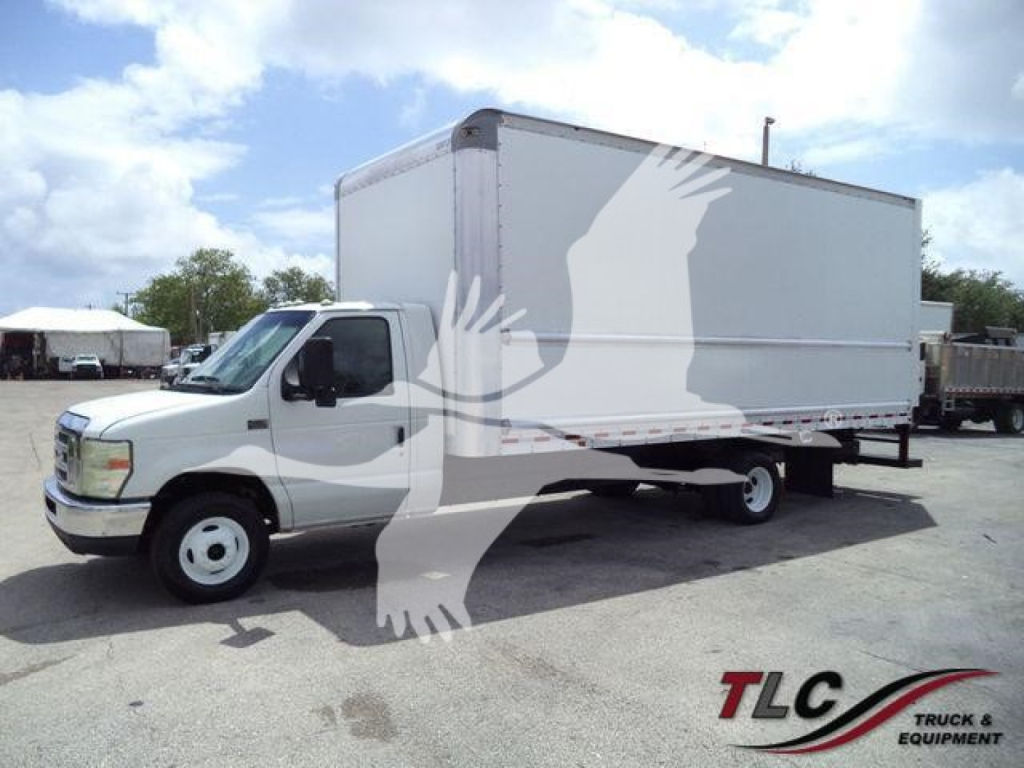
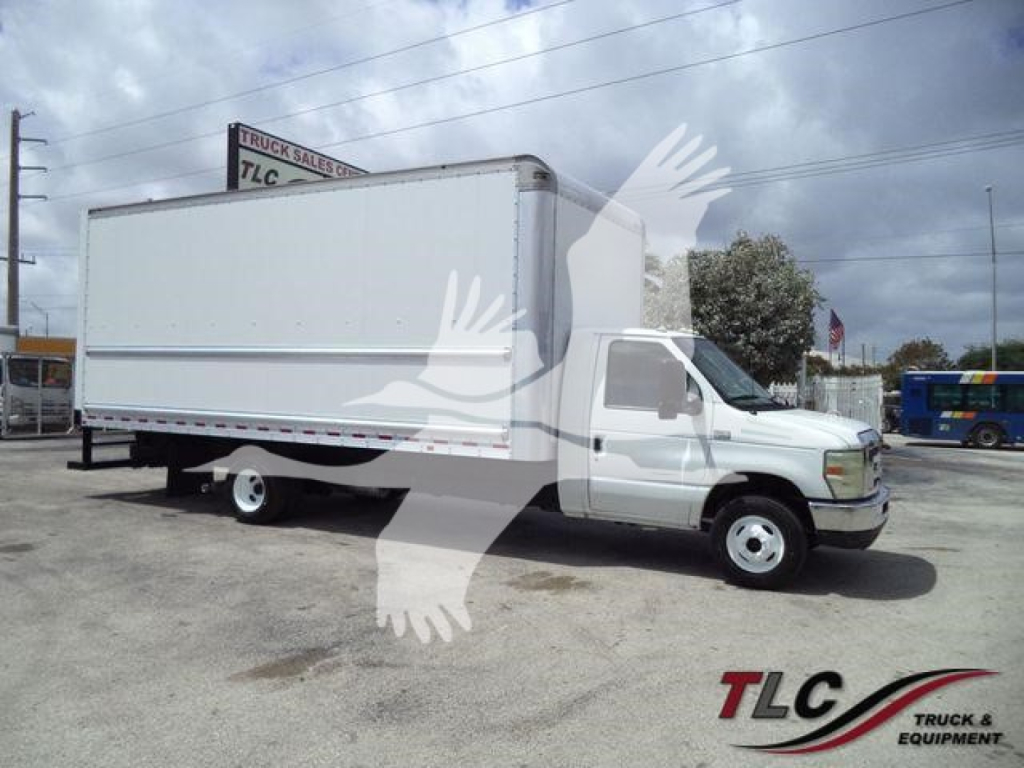
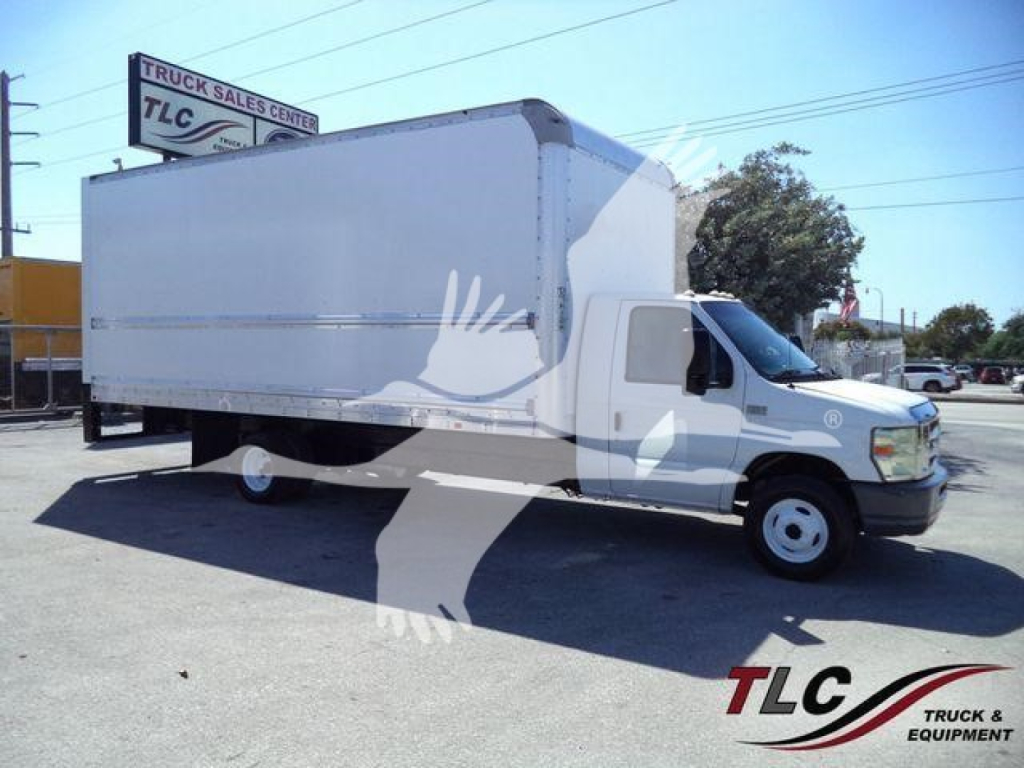
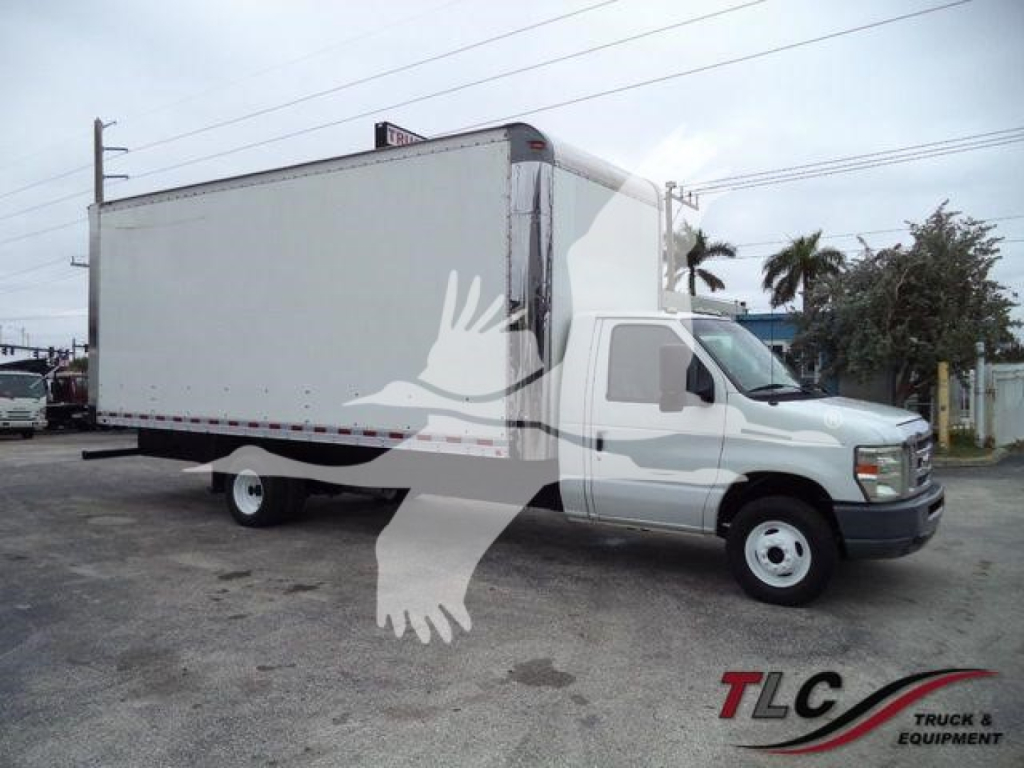
Selling a used 2011 box truck? List your used 2011 box truck for sale and reach thousands of commercial buyers.
Used 2011 Box Trucks
For 2011 model year box trucks, the biggest spec split is usually between Class 4-5 cabover units and Class 6-7 conventional medium-duty trucks. Cabovers such as Isuzu and some Mitsubishi Fuso models are easier in tight urban routes, offer a short overall length for the box size, and are common with 16-foot to 20-foot bodies. Conventional chassis from Freightliner, Hino, International, and Ford are more common in 22-foot to 26-foot boxes, higher GVWR ratings, and heavier commercial use. Powertrains from this era often include diesel engines paired with Allison automatic transmissions, while some lighter units use gas V8 engines. On 2011 trucks, emissions equipment deserves close attention. This was the early DEF era for many makes, so buyers should verify whether the truck uses SCR, review maintenance records, and inspect for fault history tied to DPF, EGR, injectors, or regeneration issues.
Body spec matters as much as chassis condition. A 2011 box truck may have a Morgan, Supreme, Mickey, Kidron, or similar body, and condition varies widely by floor, roof, and rear frame integrity. Look closely at wood versus laminated floors, scuff liners, E-track or logistics posts, translucent roof condition, front wall damage, and roll-up door operation. Liftgates add major value in beverage, appliance, and final-mile work, but they also add weight and require hydraulic and structural inspection. Platform size, tuck-under versus rail style, and rated capacity commonly fall in the 2,000-pound to 4,000-pound range. Buyers should also confirm inside height and door opening dimensions, since a nominal 26-foot box can still be a poor fit for pallet count or tall cargo if the body spec is wrong.
On a used 2011 unit, the right purchase usually comes down to matching route demands to axle ratings, suspension, brake type, and box dimensions. Air brakes are common on larger 25,999-plus GVWR trucks, while lighter non-CDL configurations often use hydraulic brakes and are popular for regional delivery fleets. Wheelbase and cab-to-axle measurement determine what body can be mounted and how the truck balances when loaded. Tire size, rear axle ratio, and suspension type affect drivability and operating cost, especially on stop-and-go routes. A well-matched 2011 box truck can still be a productive asset if the drivetrain has been maintained, the body is structurally sound, and the truck's actual payload capacity fits the job instead of just the advertised box length.
Frequently Asked Questions about Used 2011 Box Trucks
What should I check first on a used 2011 box truck?
Start with GVWR, actual payload, box length, and the condition of the body floor and rear frame. After that, review engine and transmission service history, confirm mileage or engine hours when available, and inspect emissions components because 2011 trucks often fall into early DEF and modern aftertreatment systems. A truck can run well and still become expensive if the DPF, EGR, SCR system, liftgate, or roll-up door has deferred maintenance.
Is a 2011 box truck likely to have DEF?
Many 2011 diesel box trucks do use DEF, but not all of them. The 2010-2011 emissions transition period varied by manufacturer and engine family, so buyers should verify the exact engine model and emissions label rather than assume. Knowing whether the truck uses SCR with DEF is important because it affects maintenance planning, fault diagnosis, and operating habits for fleets that want to avoid downtime from aftertreatment issues.
What box length is most common on a 2011 box truck?
The most common lengths are typically 16 feet, 18 feet, 20 feet, 22 feet, 24 feet, and 26 feet. Lighter cabover trucks often carry shorter bodies for city work, while conventional medium-duty chassis are frequently set up with 24-foot or 26-foot boxes for moving, delivery, and route service. The best length depends on cubic capacity needs, pallet count, dock access, and whether the truck must stay in a non-CDL weight class.
Are liftgates worth it on a used 2011 box truck?
A liftgate is valuable if the truck handles palletized freight, appliances, vending equipment, or deliveries without consistent dock access. It improves route flexibility but reduces payload and adds another system to maintain. On a 2011 truck, inspect the platform structure, hinge points, pins, hydraulic cylinders, hoses, pump operation, and electrical controls, because liftgate repairs can quickly offset any purchase savings.
What is the difference between a box truck and a straight truck?
In most trucking and equipment listings, a box truck is a type of straight truck. The term straight truck means the cab and cargo body are mounted on one chassis, unlike a tractor-trailer combination. Box truck usually refers specifically to a straight truck with an enclosed cargo body, which is why the terms cube truck and moving truck are also commonly used in the same category.