
Used 2018 Box Trucks For Sale
Shop used 2018 box trucks for delivery, moving, and fleet work. Compare body sizes, GVWR, liftgates, diesel options, and cab styles.
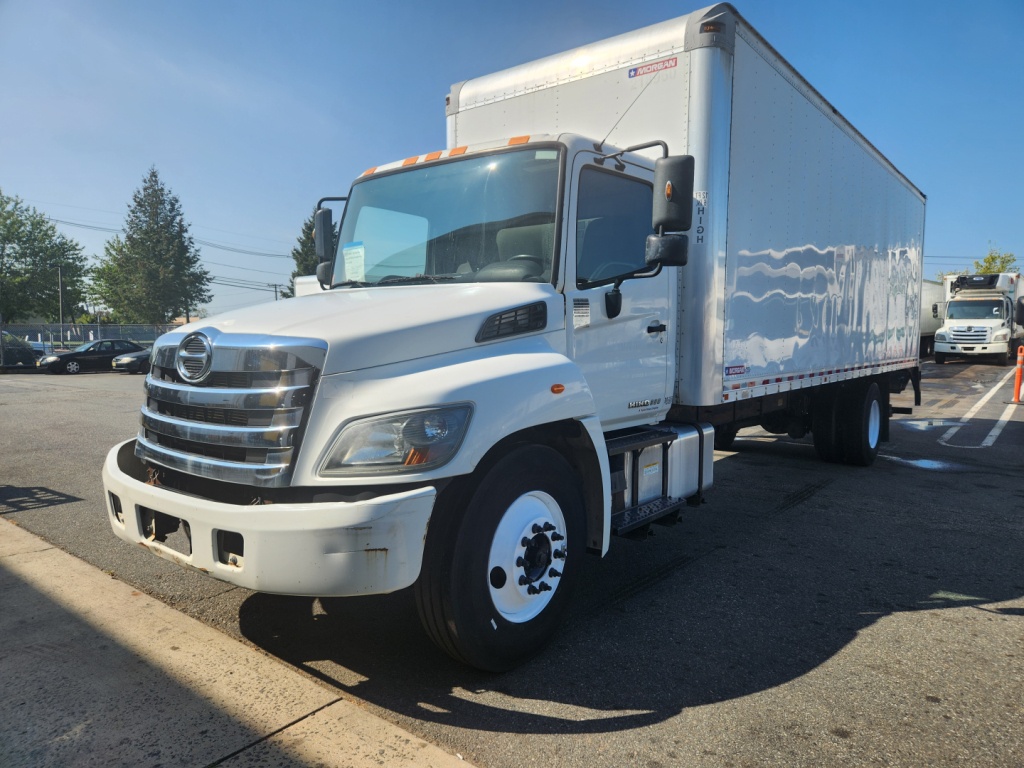
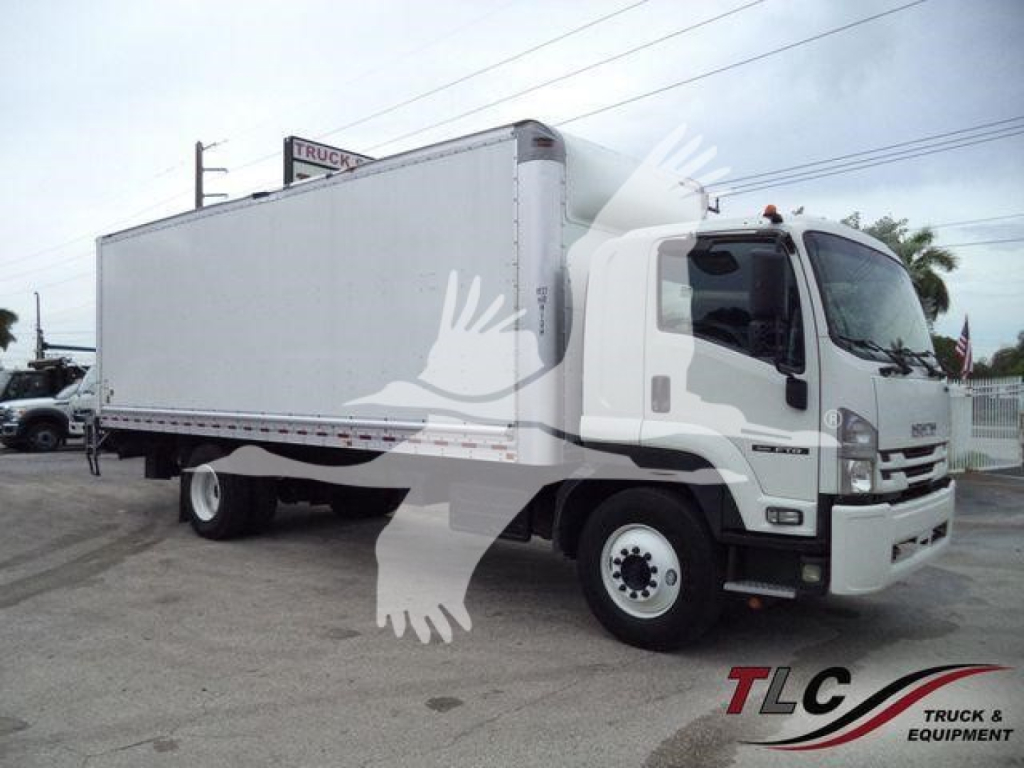
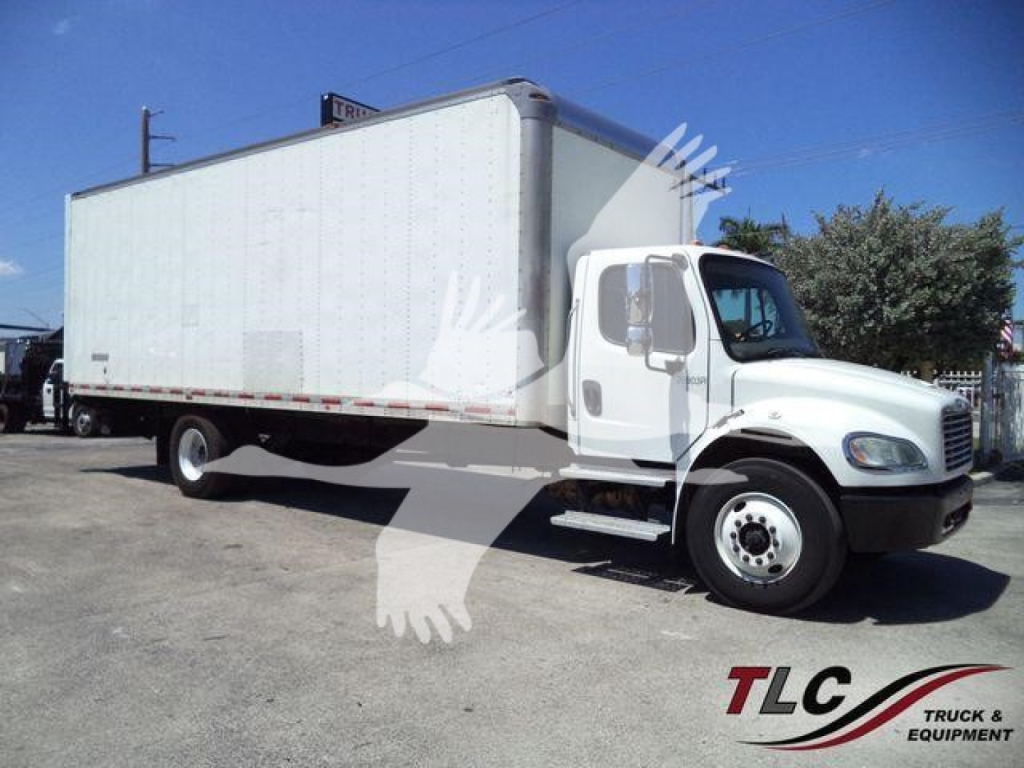
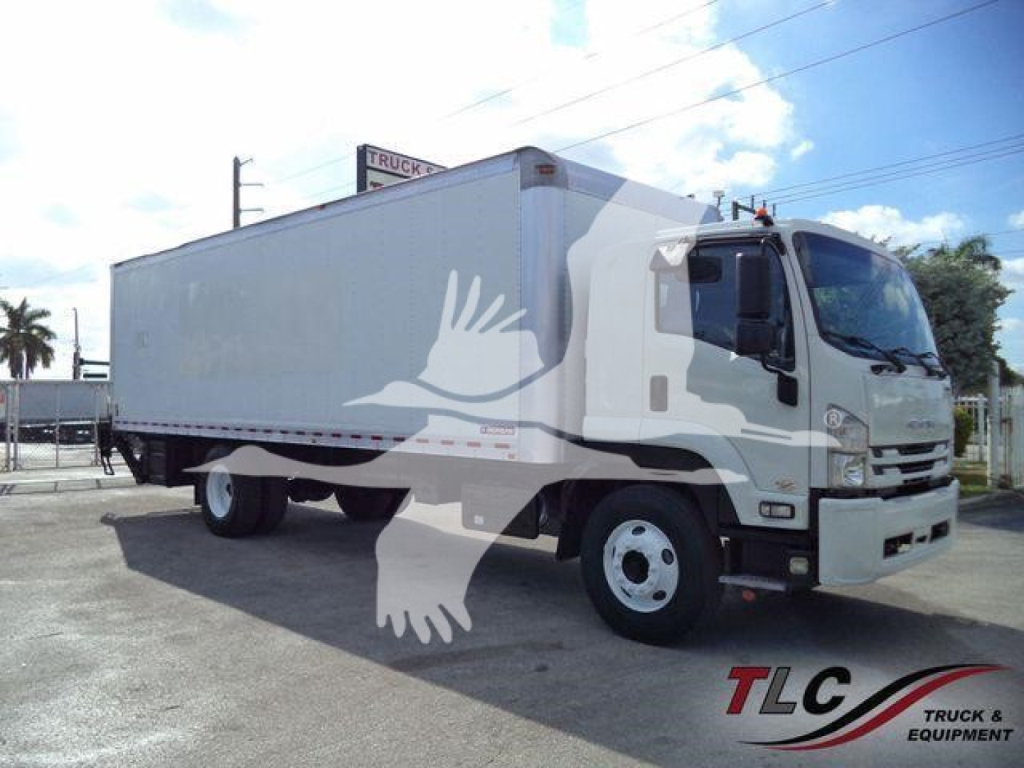
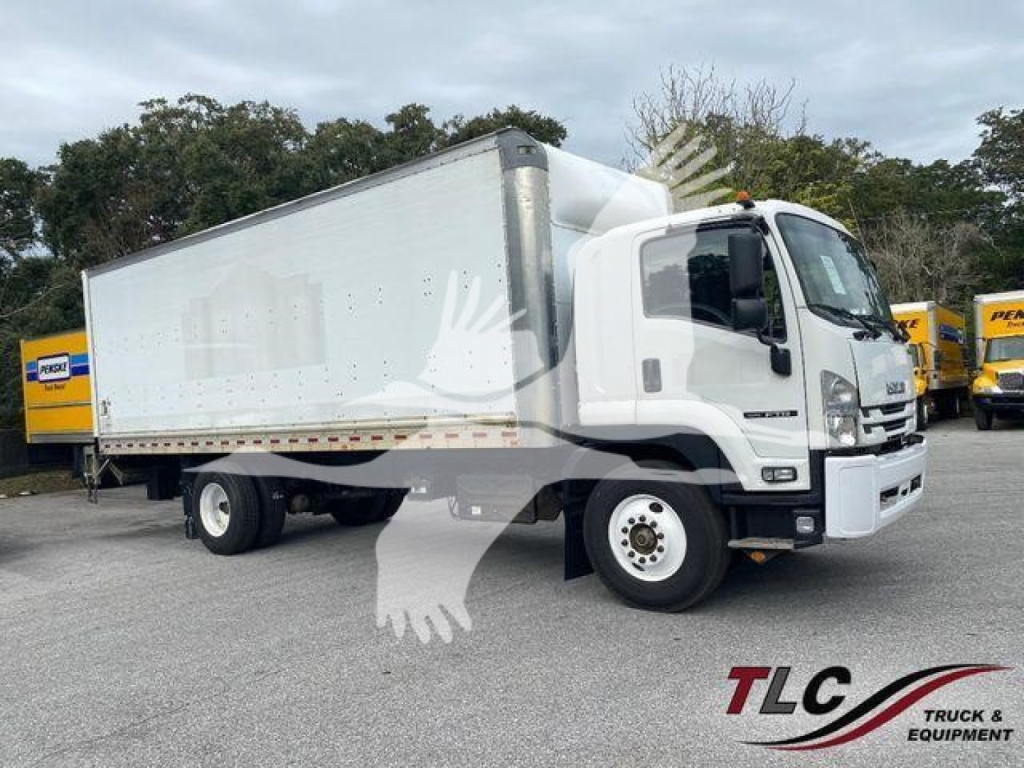
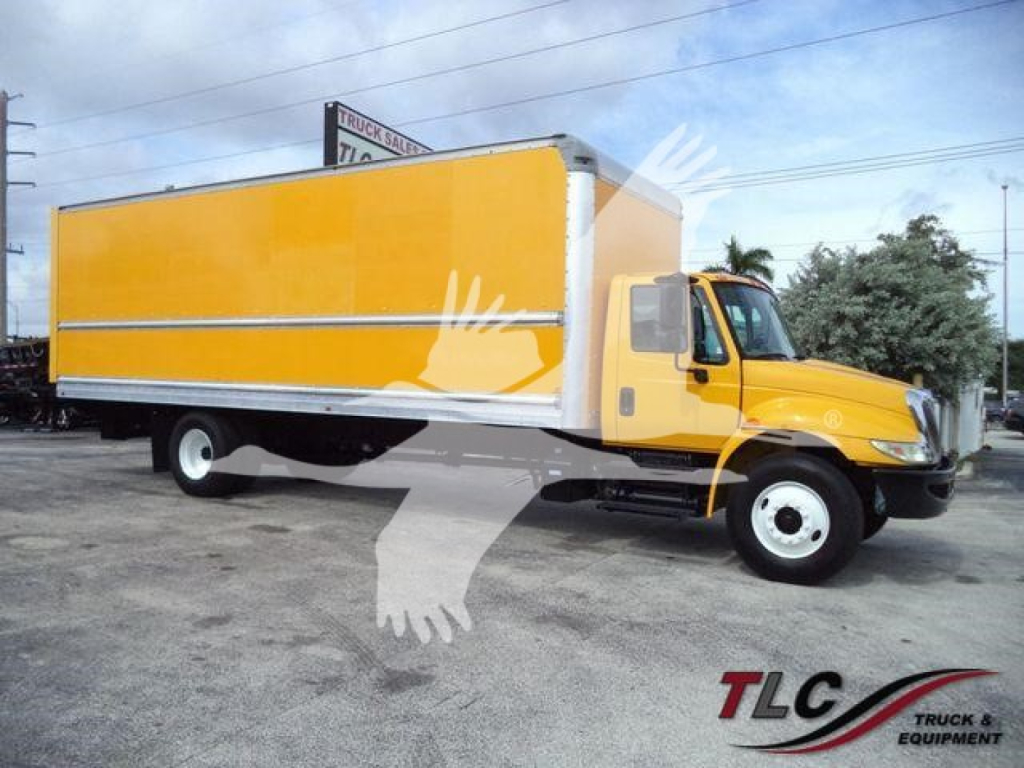
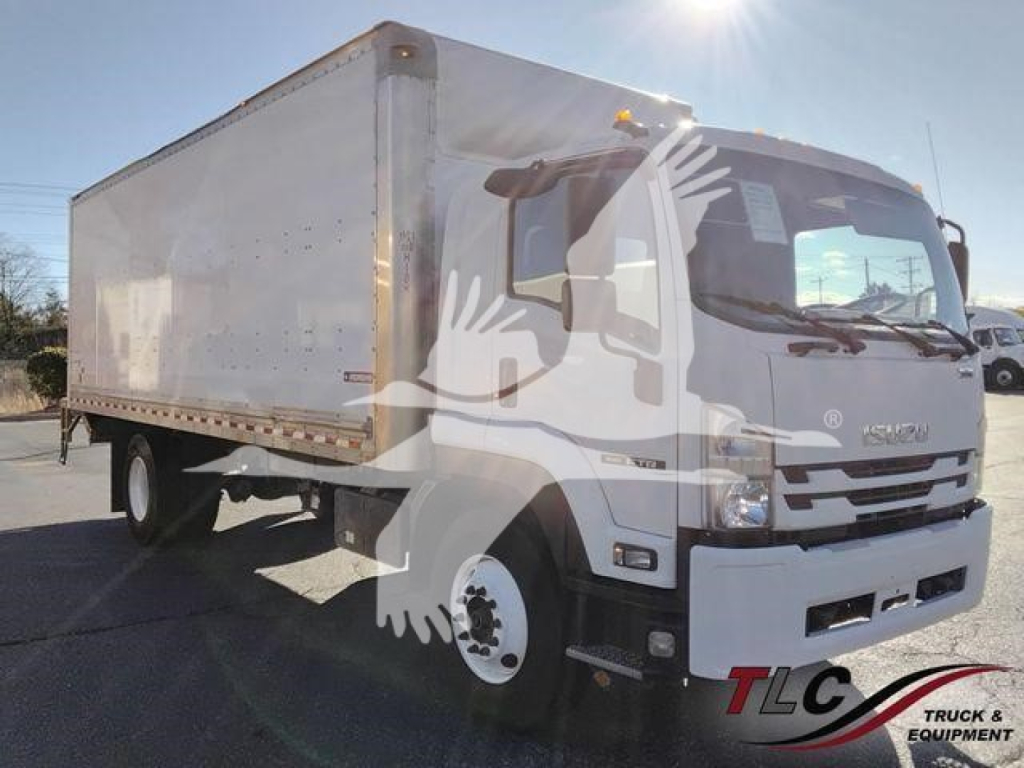
Selling a used 2018 box truck? List your used 2018 box truck for sale and reach thousands of commercial buyers.
Used 2018 Box Trucks
The most common 2018 box truck platforms include Freightliner M2 106, International MV or 4300-series successors, Ford F-650, Chevrolet Express or low-cab-forward variants, and similar medium-duty chassis. Diesel power is common in larger units, often paired with an Allison automatic transmission, while smaller gas-powered cutaway box trucks can make sense for lighter routes and lower annual mileage. Buyers should look closely at axle ratings, wheelbase, suspension type, brake setup, and tire size because these specs affect payload, ride quality, and service costs. Body spec matters just as much as chassis spec. Interior height, roll-up rear door dimensions, scuff liners, wood or composite floors, E-track placement, translucent roof panels, and liftgate capacity all have a direct impact on day-to-day usability.
On a used 2018 unit, condition assessment should go beyond engine hours and odometer readings. Check the box structure for front wall damage, roof leaks, floor rot, and signs of hard forklift loading at the rear threshold. Inspect liftgate operation under load, door balance and track wear, and the condition of hinges, seals, and rub rails. On cab and chassis components, pay attention to steering play, spring or shackle wear, brake life, emissions system history, and any evidence of uneven tire wear that could point to alignment or suspension issues. If the truck will run city routes with frequent stops, transmission behavior, idle hours, and PTO or electrical accessory condition can matter as much as mileage.
A 2018 model year often hits a useful middle ground for commercial buyers. It is new enough to offer modern cab ergonomics, current safety equipment, and widely supported drivetrain parts, but old enough to avoid the pricing of newer late-model trucks. The best fit depends on the freight. Movers and appliance carriers often prioritize liftgates, interior tie-down systems, and 26 foot bodies. Parcel and route delivery operations may lean toward lower step-in height, tight turning radius, and easy dock access. Contractors may prefer shorter boxes with higher payload margin and simpler upfit layouts. The right used 2018 box truck is the one whose body spec, GVWR, and service history match the work instead of forcing the work to fit the truck.
Frequently Asked Questions about Used 2018 Box Trucks
What size box truck is best for commercial delivery work?
The right size depends on freight type, route density, and loading conditions. A 10 to 16 foot box truck is easier to park and maneuver in urban delivery work, service routes, and contractor use. A 20 to 26 foot box truck offers better cubic capacity for pallets, furniture, appliances, and moving jobs. Buyers should compare body length, interior height, door opening size, and payload capacity together because a longer box is only useful if the chassis and axle ratings support the intended load.
Why do many buyers look for a 25,999 lb GVWR box truck?
A 25,999 lb GVWR box truck is popular because it stays just under the 26,000 lb threshold that often triggers CDL requirements in many applications. That can widen the driver pool and simplify fleet staffing. It does not eliminate all regulatory obligations, and state, federal, and use-specific rules still apply, but it is a common target spec for moving, delivery, and regional commercial operations that want medium-duty capacity without stepping into a heavier license class.
What should I inspect first on a used 2018 box truck?
Start with the box body, liftgate, and maintenance history because those areas directly affect revenue use. Inspect the floor for soft spots, water intrusion, and forklift damage near the rear sill. Check the roof, front wall, and corner caps for leaks or collision repairs. Test the roll-up door and liftgate through full operation. Then review engine and transmission service records, brake condition, tire wear, suspension components, and any emissions-related repairs. A clean-looking truck can still hide expensive body or aftertreatment issues.
Are diesel or gas box trucks better for a used 2018 purchase?
Diesel box trucks usually make more sense in larger Class 5 through Class 7 applications where payload, highway time, and durability matter most. They are common in 20 to 26 foot trucks and are often paired with Allison automatics. Gas engines can be a practical choice in smaller cutaway box trucks used for lighter loads, shorter routes, and lower annual miles. The better choice depends on duty cycle, fuel costs, maintenance capability, and whether the truck will spend most of its life in stop-and-go city service or on longer regional runs.
What body features matter most on a box truck?
The most important body features are the ones that speed up loading, protect cargo, and match your freight. Common decision points include liftgate capacity, roll-up versus swing doors, interior tie-down systems such as E-track, scuff liners, floor material, and interior height. For dock work, rear door opening dimensions and floor height matter. For furniture, appliances, or mixed freight, buyers often place extra value on a strong liftgate, clean sidewalls, and a durable floor that can handle dollies, pallets, and repeated loading cycles.