
Used 2018 Box Trucks For Sale in Florida
Shop used 2018 box trucks for sale in Florida. Compare 16 ft to 26 ft dry freight trucks, liftgate options, GVWR classes, and chassis specs.
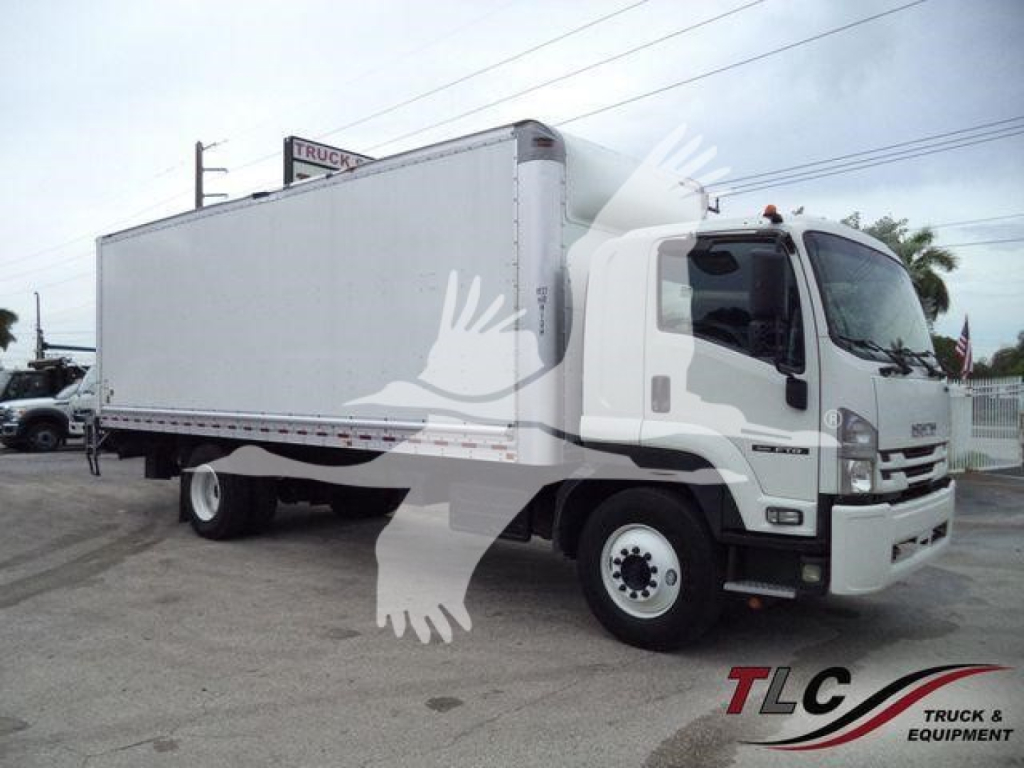
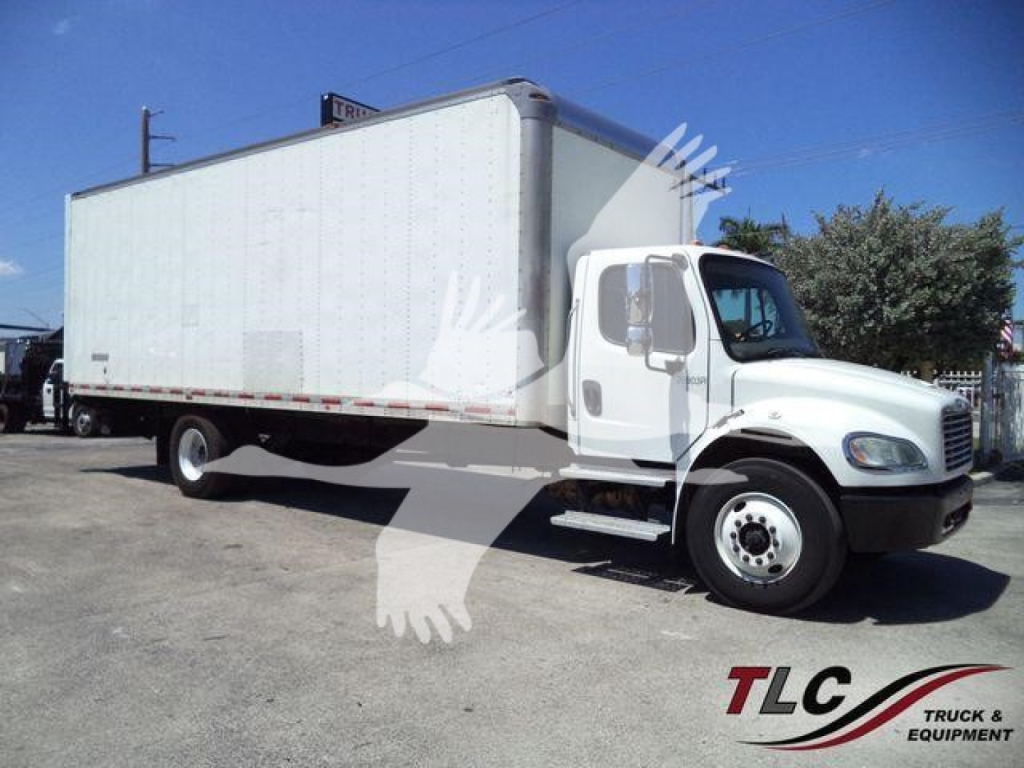
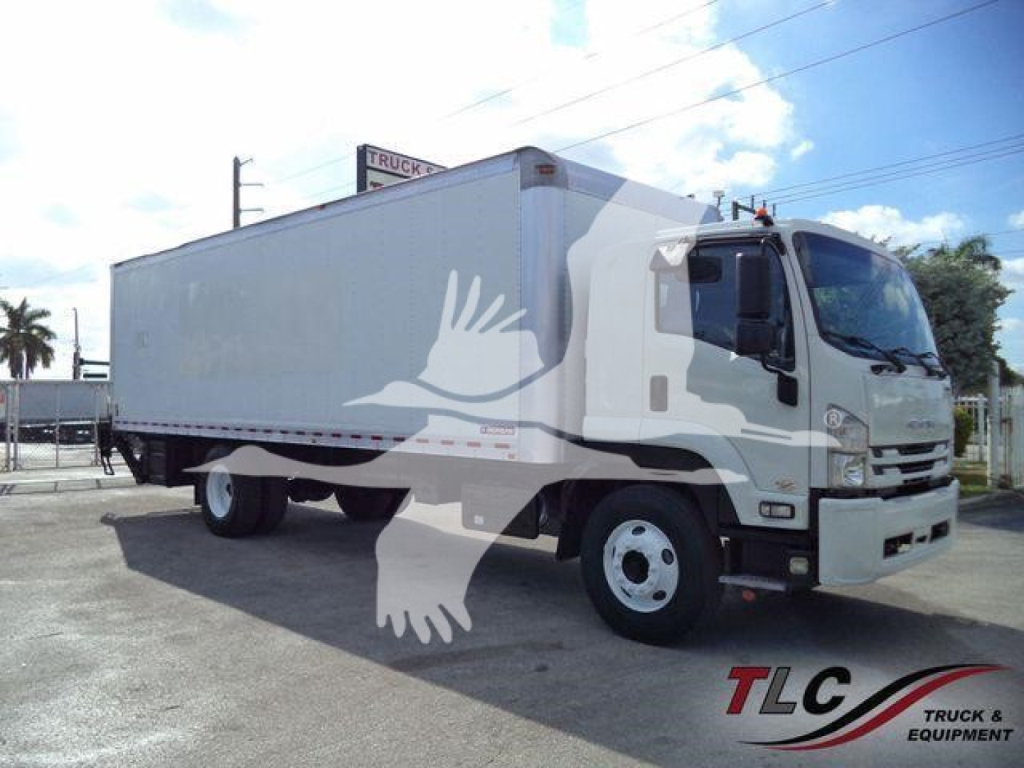
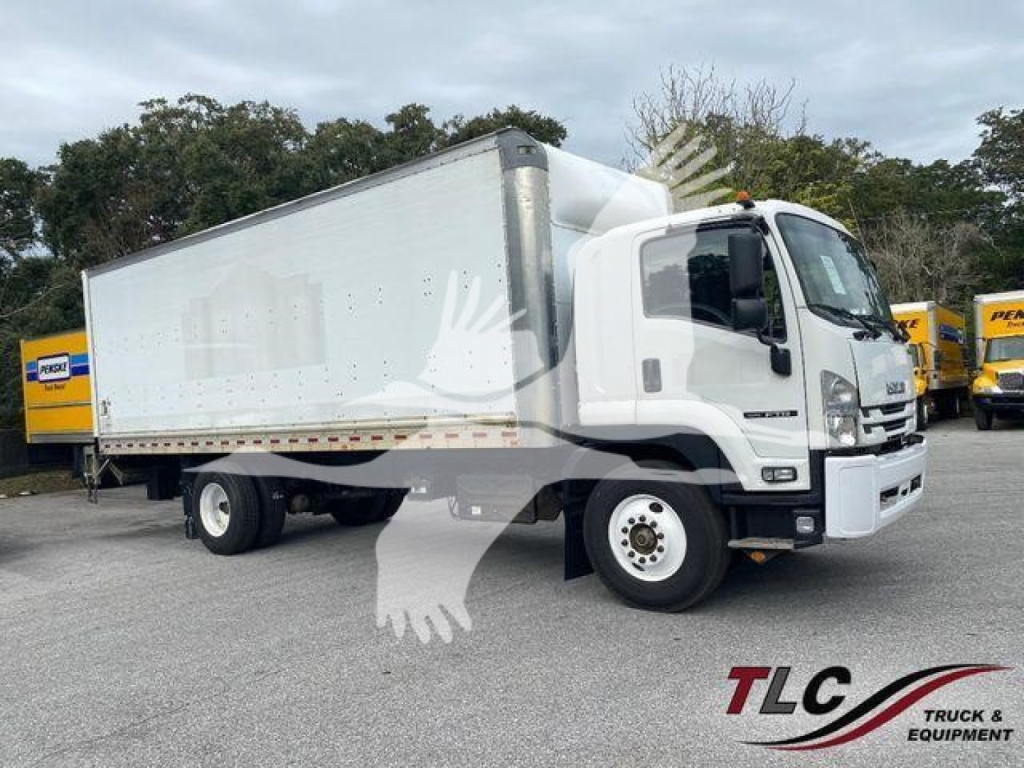
Selling a used 2018 box truck? List your used 2018 box truck for sale and reach thousands of commercial buyers.
Used 2018 Box Trucks in Florida
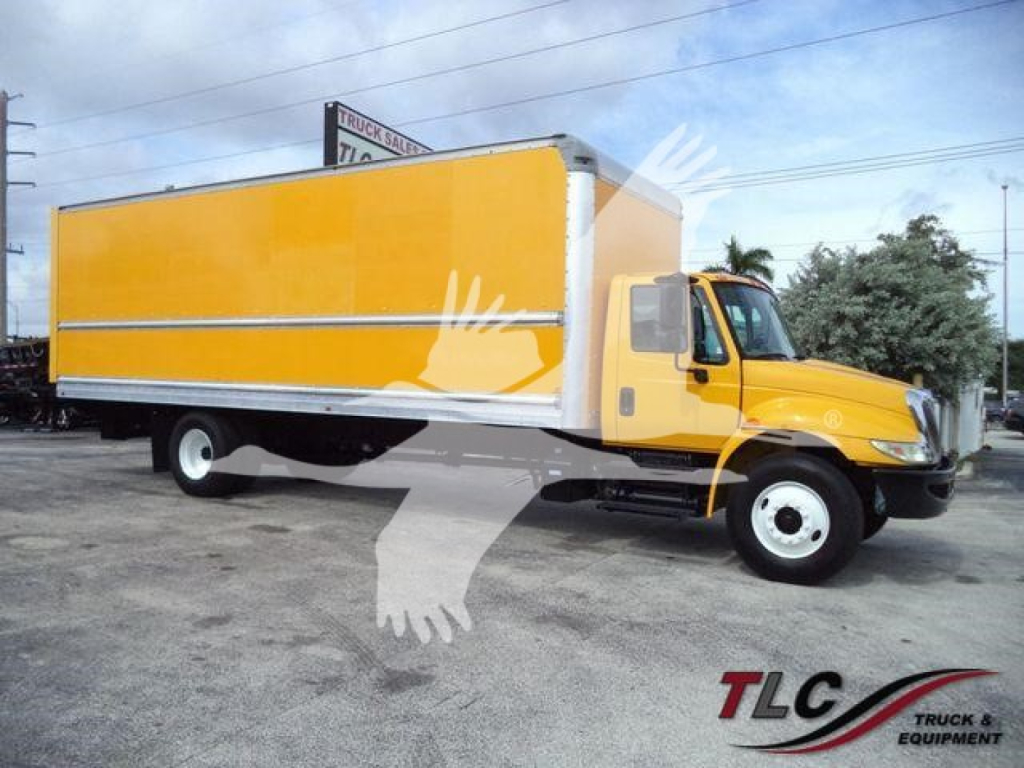
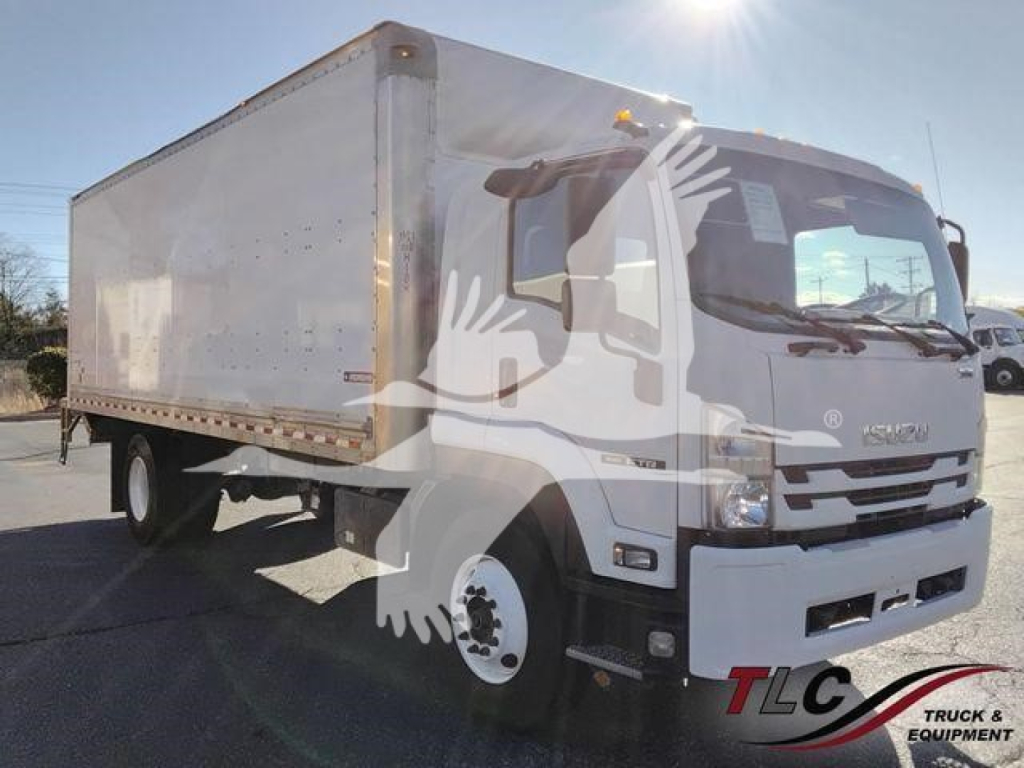
A 2018 model year usually lands in a useful middle ground on depreciation, emissions age, and equipment availability. Common chassis in this segment include Isuzu NPR and NPR-HD gas or diesel trucks in the 14,500-lb GVWR range, along with larger Class 6 and light Class 7 platforms such as the International 4300 or MV around 25,950 lbs GVWR. Buyers in Florida often pay close attention to engine and transmission pairing because stop-and-go delivery routes, heat, and idle time can expose weak maintenance history. Gas cabovers are common in lighter box trucks and can simplify service for local fleets, while diesel power remains common in larger 22-foot to 26-foot units that carry heavier payloads or run longer daily routes. Allison automatic transmissions are especially common and generally preferred for urban delivery duty.
The body matters as much as the chassis. Check inside height and width, roll-up versus swing doors, and whether the truck has E-track, scuff liners, translucent roof panels, cargo tie-downs, or a hardwood versus laminated floor. Liftgate spec is a major buying point. Many used 2018 box trucks will have tuck-under liftgates rated around 2,000 to 3,000 lbs, which can be the difference between a furniture route truck and a dock-dependent freight truck. Wheel size, brake type, rear suspension, and door opening height also affect day-to-day use more than many buyers expect. In Florida, corrosion is usually less severe than in northern road-salt markets, but body seals, roof condition, aluminum corners, and rear frame extensions still deserve close inspection because of humidity, rain exposure, and frequent loading cycles.
A good used 2018 box truck should be matched to the freight first, then to the driver and route. Confirm actual payload after body and liftgate weight, verify whether the truck stays under CDL thresholds, and look at service records for brakes, tires, cooling system, suspension, and emissions components. For local beverage, parcel, vending, and moving applications, turning radius, cab access, and loading height can matter as much as horsepower. For multi-stop operations, buyers usually benefit from simple, proven specs: automatic transmission, common tire size, easy-to-source body parts, and a cargo box configured for the freight they handle every day.
Frequently Asked Questions about Used 2018 Box Trucks in Florida
What size box truck is most common in the used 2018 market?
The most common used 2018 box truck sizes are 16-foot and 26-foot bodies. A 16-foot truck is popular for city delivery, contractor supply, and lighter route work because it is easier to park and maneuver. A 26-foot box truck is common for moving, furniture, and higher-cube final-mile freight, especially when buyers want a non-CDL truck rated around 25,950 lbs GVWR.
Do I need a CDL for a 2018 box truck?
Not always. Many box trucks are spec'd specifically to stay under the CDL threshold with a GVWR of 25,950 lbs or less. Smaller cabover models are often rated at 14,500 lbs GVWR and do not require a CDL in typical operation. Buyers should still verify the truck's exact GVWR on the door label and confirm any state or business-specific licensing, medical card, or air brake requirements that may apply.
Is a gas or diesel engine better in a used 2018 box truck?
It depends on the application. Gas engines are common in lighter 14,500-lb cabover box trucks used for local delivery and can be attractive when fleets want simpler maintenance and lower acquisition cost. Diesel engines are more common in larger Class 6 and Class 7 box trucks where torque, payload, and longer route cycles matter more. The better choice is the one that matches route length, average load, service access, and total operating cost.
What should I inspect on a used 2018 box truck body?
Focus on the cargo box structure and loading components, not just the chassis. Check the roof for leaks, inspect the front wall and corners for impact damage, examine the floor for soft spots or delamination, and confirm the roll-up door tracks operate smoothly. Look at scuff liners, E-track condition, rear frame extensions, and liftgate operation under load. On Florida trucks, weather sealing and signs of moisture intrusion are especially important because humidity can damage floors, hardware, and electrical connections over time.
Why is liftgate capacity important on a box truck?
Liftgate capacity directly affects what the truck can handle without a loading dock. A 2,000-lb to 3,000-lb tuck-under liftgate is common in this category and works well for pallets, appliances, and many moving applications. If the freight regularly includes heavier equipment, beverage loads, or dense palletized cargo, the liftgate rating and platform size need to match the actual product weight. An undersized liftgate limits route flexibility and can create loading delays or safety issues.