
Used 2006 Box Trucks For Sale
Shop used 2006 box trucks for sale. Compare GVWR, box length, liftgate options, door style, and diesel or gas chassis configurations.
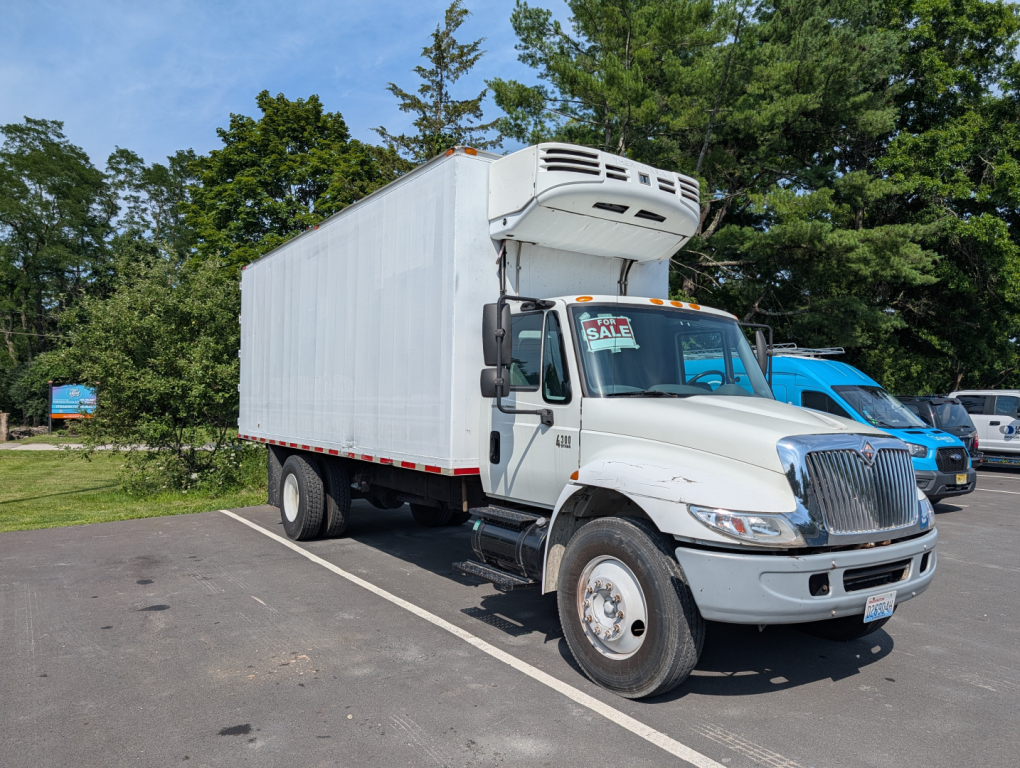
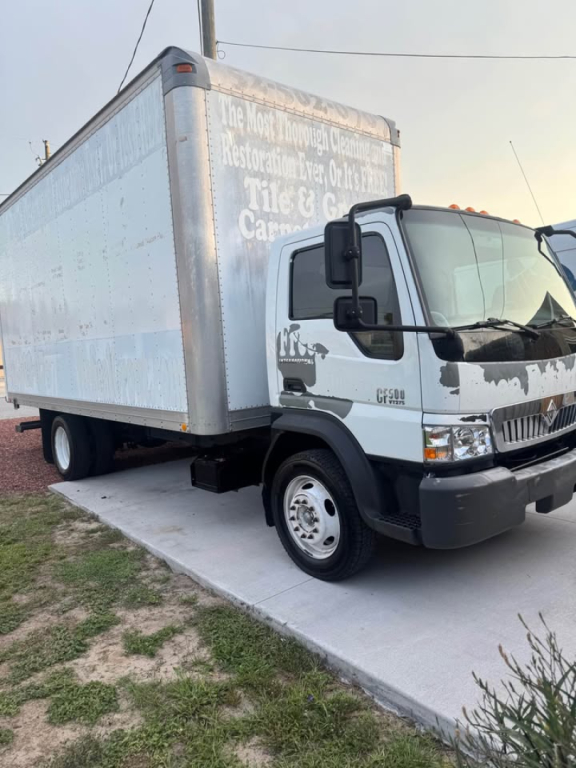
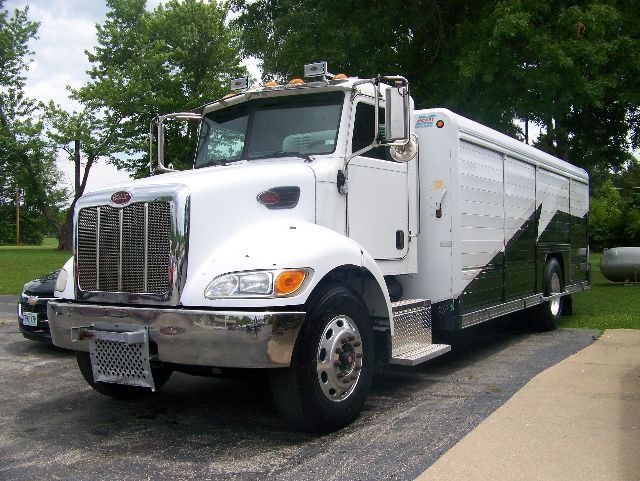
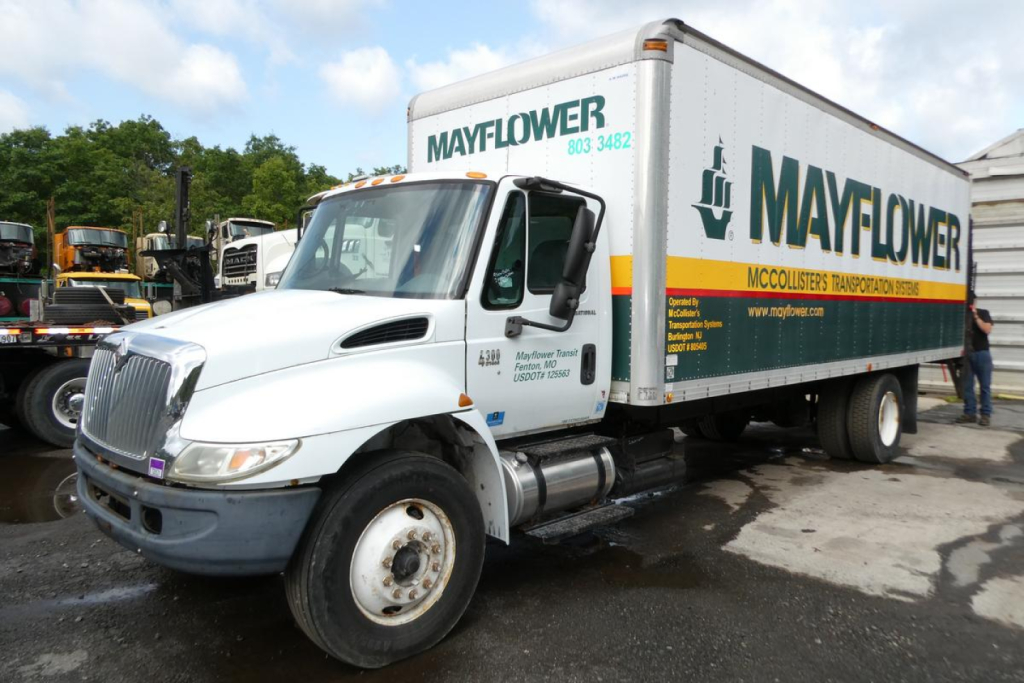

Selling a used 2006 box truck? List your used 2006 box truck for sale and reach thousands of commercial buyers.
Used 2006 Box Trucks
Frequently Asked Questions about Used 2006 Box Trucks
What should I check first on a used 2006 box truck?
Start with the chassis and body as two separate systems. On the chassis side, verify engine type, transmission model, brake system, suspension, tire size, axle ratings, and actual GVWR. On the body side, inspect the box floor, roof bows, front wall, rear frame, roll-up door, and any liftgate operation. A 2006 model can still be a strong value if service records are consistent and there is no major rust, frame damage, water intrusion, or neglected body hardware.
Are 2006 box trucks usually CDL or non-CDL?
Many 2006 box trucks were built in both non-CDL and CDL configurations. A common non-CDL target is 25,950 lb or 26,000 lb GVWR, especially on 22-foot to 26-foot delivery bodies. Smaller cabover models with 14-foot to 18-foot boxes are often much lighter. Always confirm the door sticker and registration rating because body length alone does not determine whether a CDL is required.
What box length is best for a 2006 straight truck?
The right box length depends on freight density, stop frequency, and where the truck operates. A 14-foot to 18-foot box works well for urban delivery, tighter streets, and lighter route work. A 20-foot to 24-foot body is a common middle ground for retail, appliance, and contractor use. A 26-foot box is popular for moving and dry freight because it maximizes cubic capacity, but it also adds turning radius and can reduce maneuverability in dense city work.
Should I look for a liftgate on a used 2006 box truck?
A liftgate adds value when freight is palletized, heavy, or delivered to docks and job sites without forklifts. Common capacities are around 2,500 lb to 3,000 lb, with tuck-under and railgate designs both found in this age range. The key is matching gate capacity and platform size to the actual cargo. Buyers should also inspect hydraulic operation, platform corrosion, hinge wear, and electrical controls because liftgate repairs can be costly on older trucks.
What body features matter most on an older box truck?
Interior cargo features often matter as much as engine specs. Buyers should look for E-track or logistic track, hardwood or laminated flooring condition, translucent roof panels, scuff liners, side access doors, and a rear roll-up door that seals properly. Body inside height and width are important if the truck will handle carts, pallets, or oversized retail freight. A dry, square, and structurally sound box is often the difference between a truck that stays productive and one that creates constant repair downtime.