
Used Sterling Box Trucks For Sale
Browse used Sterling box trucks with common specs, body sizes, liftgate options, and medium-duty diesel chassis details buyers compare.
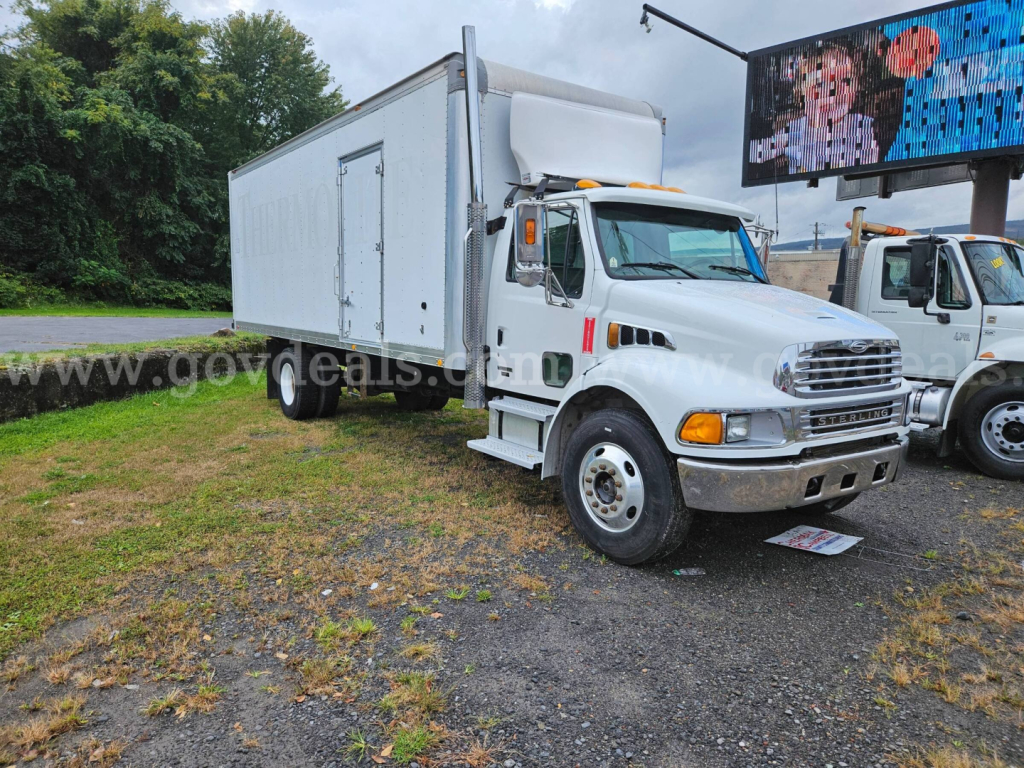
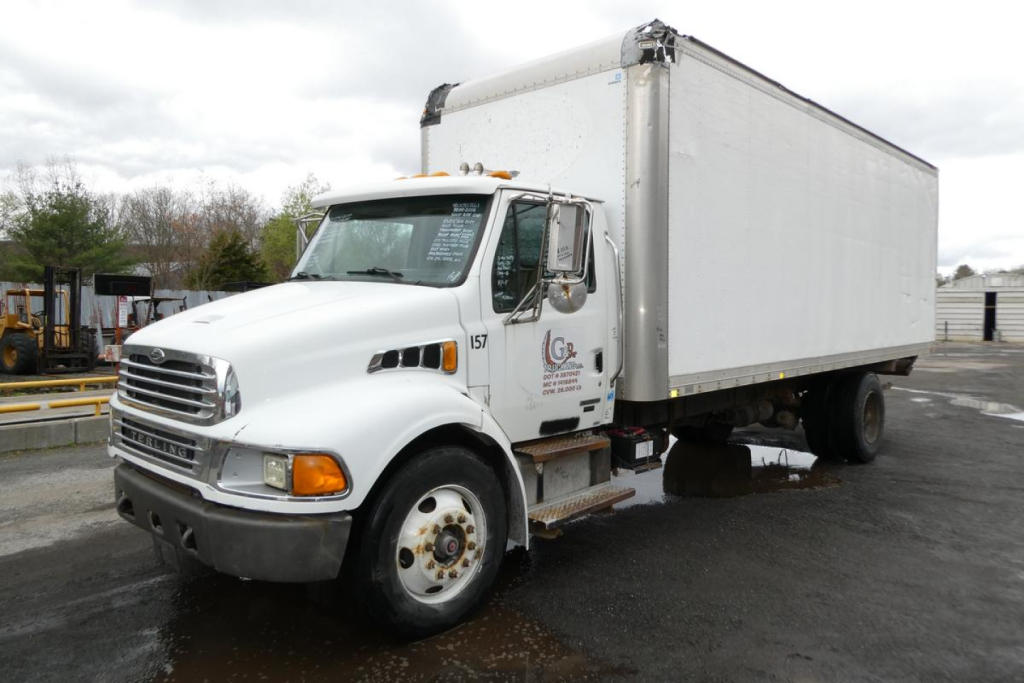
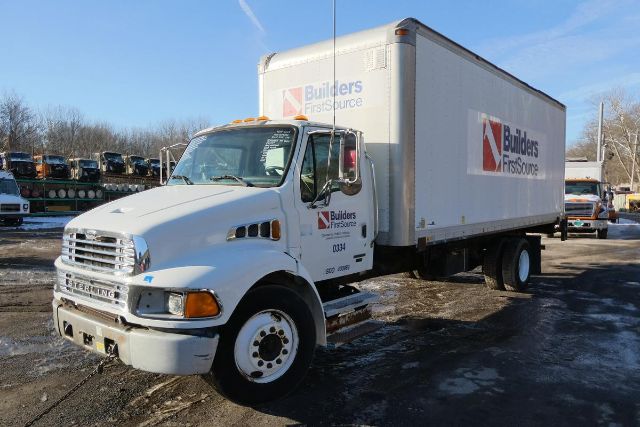
Have used sterling box truck to sell? List it here to reach thousands of buyers.
Used Sterling Box Trucks
The first decision is usually chassis class. A lighter Sterling 360 often falls into the lower GVWR range for tighter urban work, easier maneuvering, and lighter payloads, while an Acterra is more commonly found in Class 6 applications with heavier axles, longer wheelbases, and larger bodies. Buyers should compare cab-to-axle and overall wheelbase to make sure the truck fits the body length and load distribution they need. On used box trucks, axle ratings, suspension type, brake type, and rear axle ratio matter because they directly affect payload, launch feel, and suitability for stop-and-go city work versus longer regional routes.
Sterling box trucks commonly use diesel engines from Mitsubishi, Mercedes-Benz, or Caterpillar depending on model year and chassis spec, paired with manual or automatic transmissions. That makes maintenance history especially important, because parts support and technician familiarity can vary by engine family. On older used units, pay close attention to cooling system performance, injector and turbo history, transmission operation, and any signs of hard commercial use such as frame corrosion, cargo body leaks, floor rot, and rear door wear. If the truck has a liftgate, confirm the platform size, weight rating, cylinder condition, and whether it holds pressure under load. Body condition matters almost as much as chassis condition on a box truck, since roof seams, front wall damage, and scuff liner wear can all point to expensive repairs or water intrusion.
A good used Sterling box truck is usually a fit for operators who need a straightforward medium-duty platform with a full cargo body and commercial-grade running gear. Buyers comparing listings should look closely at interior box height, door opening dimensions, tire size, and whether the truck has spring suspension or other ride upgrades for the cargo being hauled. For furniture, appliances, parcel work, vending, records storage, and contractor supply delivery, the right combination is usually a durable body, a serviceable diesel, and a GVWR that leaves enough legal payload after accounting for liftgate and body weight.
Frequently Asked Questions about Used Sterling Box Trucks
What are the most common uses for a used Sterling box truck?
Used Sterling box trucks are commonly used for local delivery, moving, municipal fleets, contractor supply runs, appliance delivery, and other route-based work that needs enclosed cargo space. Their straight truck design protects freight from weather and theft, and many units include liftgates for loading where no dock is available. The right application usually depends on body length, interior height, and payload capacity rather than just engine size alone.
What should I inspect first on a used Sterling box truck?
Start with the chassis and cargo body together. Confirm engine condition, transmission operation, cooling system performance, brake function, axle ratings, tire wear, and any signs of frame rust or commercial abuse. Then inspect the box for roof leaks, front wall damage, floor rot, roll-up door wear, and liftgate operation if equipped. On an older box truck, body repairs can become just as costly as drivetrain repairs, so both areas deserve equal attention.
How do I choose between a Sterling 360 and a Sterling Acterra box truck?
The Sterling 360 is generally better suited to lighter-duty urban delivery work where maneuverability and a smaller body are priorities. The Sterling Acterra is typically a heavier medium-duty platform with higher GVWR, larger axle ratings, and more room for longer box bodies and heavier payloads. Buyers should compare wheelbase, cab-to-axle measurement, body length, and actual payload needs before deciding between the two.
Are liftgates important on used box trucks?
Liftgates are critical if the truck will handle palletized freight, appliances, vending equipment, or any cargo delivered without a loading dock. A used liftgate should be checked for rated capacity, platform size, hydraulic leaks, cylinder condition, and stable operation under load. A working liftgate adds utility, but a neglected one can quickly turn into a repair item that affects daily productivity.
What specs matter most when comparing used Sterling box truck listings?
The most important specs are GVWR, front and rear axle ratings, body length, interior height, wheelbase, cab-to-axle, engine make, transmission type, and rear axle ratio. Buyers should also verify door opening dimensions, floor construction, suspension type, and tire size. These details determine how much freight the truck can legally carry, how easily it can maneuver, and how well it matches the route and cargo profile.