
Sterling Box Trucks For Sale
Shop Sterling box trucks including Acterra and 360 models. Compare GVWR, box length, liftgate options, and medium-duty delivery specs.
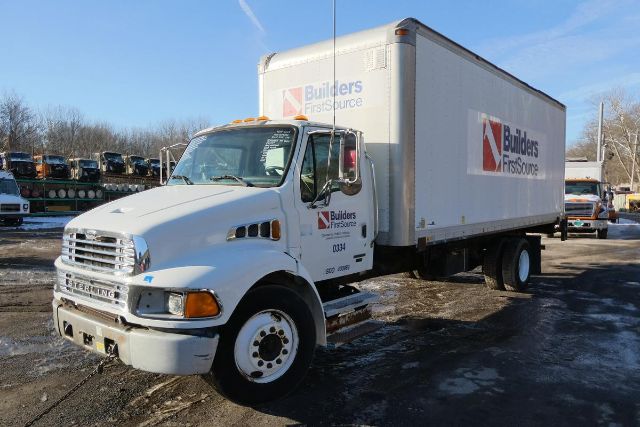
Selling a sterling box truck? List your sterling box truck for sale and reach thousands of commercial buyers.
Sterling Box Trucks
Frequently Asked Questions about Sterling Box Trucks
What should I look at first when buying a used Sterling box truck?
Start with the truck’s GVWR, actual payload capacity, box dimensions, and door opening size. Those four items determine whether the truck fits your freight and route requirements. After that, check engine and transmission type, axle ratings, wheelbase, cab-to-axle measurement, and whether the body has a liftgate, wood floor, scuff liners, E-track, or other delivery equipment. On older Sterling units, overall chassis condition matters as much as mileage, especially cooling system condition, brake type, suspension wear, and any signs of corrosion in the body floor, subframe, or rear door structure.
Are Sterling box trucks good for local delivery work?
Yes. Sterling box trucks were widely used in city and regional delivery fleets because they offered practical medium-duty chassis options with straightforward body upfits. The Sterling 360 is commonly seen in tighter urban applications where maneuverability and lower GVWR are priorities, while the Acterra is better suited for heavier payloads, longer boxes, and more demanding commercial use. The right choice depends on stop frequency, cargo weight, loading dock access, and whether you need a CDL or non-CDL setup.
What box sizes and liftgate options are common on Sterling box trucks?
Many Sterling box trucks are equipped with 16 foot, 18 foot, 20 foot, 24 foot, or 26 foot dry van bodies. Interior height and rear door opening dimensions matter just as much as exterior box length if you load pallets, carts, or bulky retail freight. Liftgates are common and often fall in the 2,500 lb to 3,000 lb class for route work, though heavier capacities are available on larger chassis. Buyers should inspect liftgate platform size, hydraulic operation, hinge wear, and control placement, especially on trucks used for multi-stop delivery.
What engines and drivetrains are common in Sterling box trucks?
Engine and drivetrain combinations vary by model and year. Sterling Acterra box trucks are often found with medium-duty diesel engines paired to manual or automatic transmissions, while Sterling 360 models commonly use smaller diesel platforms designed for lighter delivery service. A 4x2 single-axle configuration is the standard layout for this category. Rear axle ratio, suspension type, and brake system all affect how the truck performs under load, on hills, and in stop-and-go service, so those specifications should be reviewed alongside horsepower and torque.
Can a Sterling box truck be operated without a CDL?
Some can. Many Sterling box trucks are spec'd under the 26,001 lb GVWR threshold, which can make them non-CDL trucks in many applications, assuming no other CDL trigger applies. That said, buyers should verify the door-sticker GVWR, body weight, and usable payload before assuming a truck fits non-CDL operation. A truck close to the limit may lose practical payload once a heavy van body, liftgate, ramps, or delivery equipment are factored in.