
Used Box Trucks For Sale in Utah
Browse used box trucks for sale in Utah, including dry van and curtain side models with liftgates, diesel power, and delivery-ready specs.
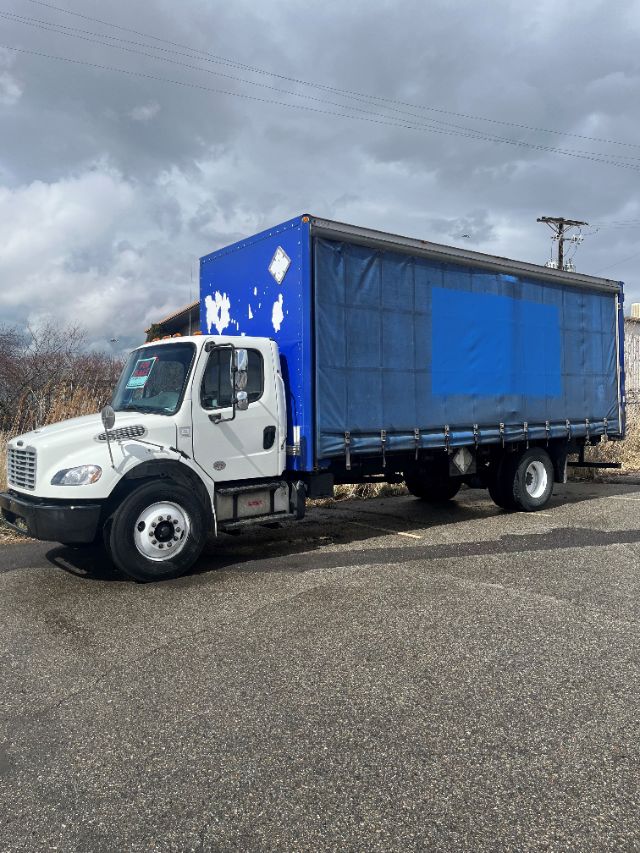

Have used box truck to sell? List it here to reach thousands of buyers.
Used Box Trucks in Utah
One of the first decisions is box size and body style. Common body lengths range from about 14 feet on more maneuverable city trucks up to 24 or 26 feet on medium-duty chassis built for higher cubic capacity. Interior height, door opening dimensions, and overall body width matter just as much as published body length if you are loading pallets, appliances, furniture, or carts. Some used box trucks are straight dry vans with roll-up rear doors, while others are curtain side configurations that improve side access for certain freight. A liftgate is a major value point for final-mile delivery and moving work, especially when regular dock access is not available.
On the chassis side, many used box trucks in this class are built on proven platforms such as the Freightliner M2 106 and International MV series, often powered by medium-duty diesel engines like the Cummins B6.7 paired with an Allison automatic transmission. Buyers should compare GVWR, front and rear axle ratings, suspension type, wheelbase, and tire size before focusing on price alone. A truck with a 25,999 lb GVWR can be attractive for operators managing CDL thresholds, but actual payload still depends on body weight, liftgate weight, fuel, and driver equipment. Service records, engine hours, idle time, brake condition, reefer delete history if applicable, and evidence of past body repairs all deserve close attention on used equipment.
For Utah operations, route profile matters. A box truck running Wasatch Front deliveries has different needs than a truck handling longer rural lanes, construction support, or mountain grades. Look for a combination of wheelbase and body length that matches your stops, backing space, and dock environment. Check the floor condition, roof integrity, scuff liners, E-track, rear frame, and roll-up door operation, since cargo body repairs can add up quickly. The right used box truck should match freight type, loading method, and licensing requirements while keeping maintenance predictable and uptime strong.
Frequently Asked Questions about Used Box Trucks in Utah
What is the difference between a box truck and a straight truck?
A box truck is a type of straight truck. The term straight truck refers to a truck with the cab and cargo body mounted on the same chassis, and a box truck is the enclosed dry freight version of that design. In the market, buyers also use terms like dry van truck or cube truck to describe similar equipment, although exact body size and chassis class can vary.
What box truck size is best for delivery or moving work?
The best size depends on freight density, stop frequency, and where the truck will operate. A 14 to 18 foot body is easier to maneuver in tighter city routes and smaller lots, while a 24 to 26 foot body offers more cubic capacity for furniture, appliances, and route freight. Buyers should compare usable interior dimensions, rear door opening, payload capacity, and turning radius instead of choosing by body length alone.
Is a liftgate worth having on a used box truck?
A liftgate is often worth the added weight and maintenance if the truck will handle heavy freight without consistent dock access. It improves loading efficiency for palletized deliveries, equipment, appliances, and moving work, and it can reduce labor strain and damage claims. Buyers should inspect liftgate operation, platform condition, hydraulic leaks, controls, and rated capacity because repairs can be costly.
What should I inspect on a used box truck body?
The cargo body deserves as much attention as the engine and transmission. Check the floor for soft spots or rot, inspect the roof and front wall for leaks, and look at the corners, rails, and rear frame for collision repair or corrosion. Roll-up doors should track smoothly, seals should be intact, and interior features like scuff liners, E-track, and tie-down points should match the type of freight you plan to haul.
Do I need to pay attention to GVWR on a used box truck?
Yes. GVWR affects licensing, payload planning, and how the truck fits your operation. Many buyers pay close attention to trucks rated at 25,999 lbs GVWR because that rating can help with CDL considerations in some applications, but payload still depends on the actual empty weight of the chassis, body, liftgate, fuel, and installed equipment. Axle ratings and tire capacity also need to support the intended load.