
Used 2005 Box Trucks For Sale
Shop used 2005 box trucks for sale, including common Class 4-6 specs, box lengths, liftgate options, GVWR ranges, and buyer inspection tips.
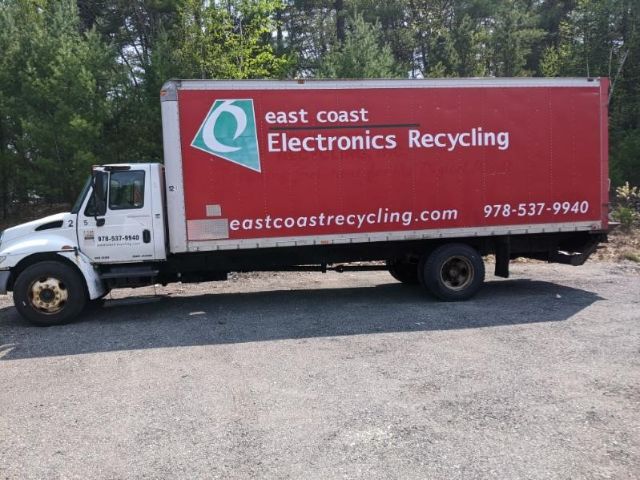
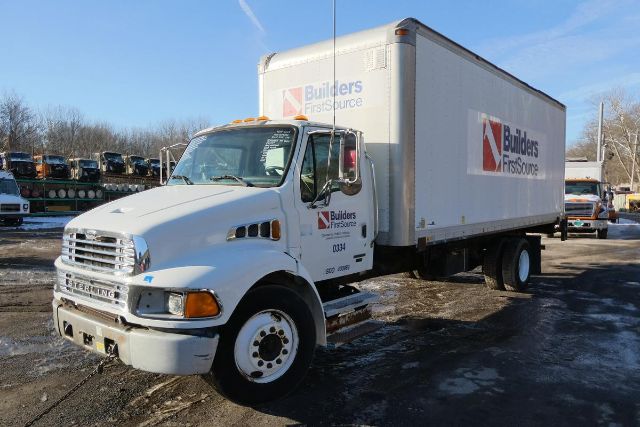
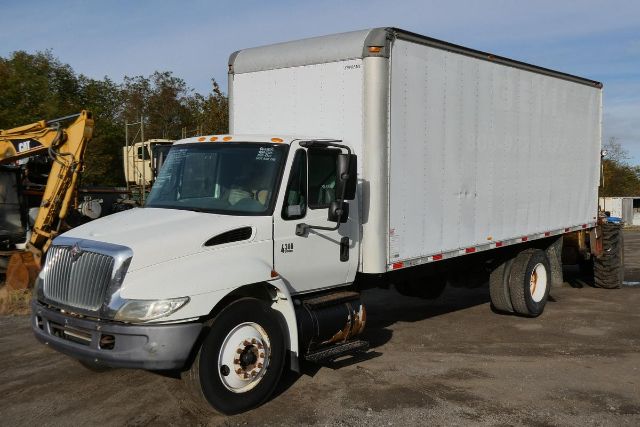
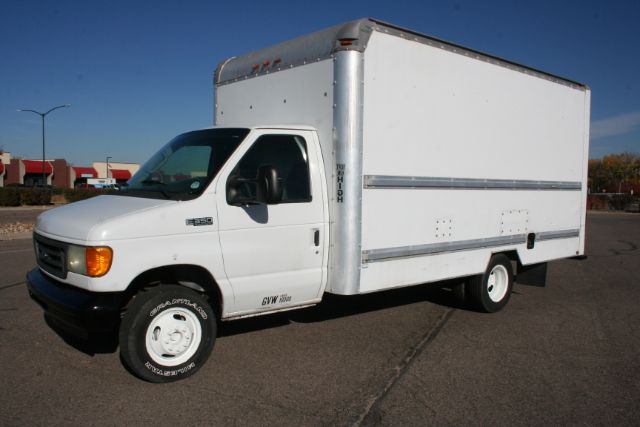
Selling a used 2005 box truck? List your used 2005 box truck for sale and reach thousands of commercial buyers.
Used 2005 Box Trucks
On 2005-era box trucks, body length is one of the biggest value drivers. Common box sizes run from about 14 to 26 feet, with 16-foot, 20-foot, 24-foot, and 26-foot bodies seen often. A shorter body is easier to maneuver in urban routes and tight docks, while longer bodies improve cubic capacity for furniture, parcel, appliance, and light palletized freight. Key body details matter as much as the truck itself: roll-up versus swing doors, wood floor versus laminated floor condition, scuff liners, translucent roof, E-track, reefer prep, and the presence of a tuck-under or rail liftgate. If the truck will handle frequent pallet loading, inspect floor wear, rear frame extension, liftgate capacity, and door opening width before focusing on mileage alone.
Powertrain specs on used 2005 box trucks vary widely by make and class, but many use diesel engines paired with automatic transmissions, especially in medium-duty applications. You will also find gas-powered units in lighter GVWR ranges. Older diesels can appeal to buyers looking for simpler emissions systems, but condition is everything. A 2005 truck should be evaluated closely for cold starts, blow-by, injector performance, transmission shift quality, cooling system health, brake type, and suspension wear. Hydraulic brakes are common on lighter units, while air brakes show up more often on heavier Class 6 configurations. Tire size, rear axle ratio, and spring capacity all affect how well the truck handles stop-and-go delivery loads versus highway operation.
For buyers, the smartest comparison is total remaining work life, not just purchase price. On a used 2005 box truck, inspect the box mounting points, crossmembers, roof seams, cab corners, frame rust, wiring repairs, and any signs of water intrusion in the cargo area. Confirm the actual payload after body and liftgate weight are accounted for, especially on non-CDL trucks near 25,950 GVWR. If the truck will be used for moving, parcel, vending, or route delivery, practical features like a low cargo floor, wide roll-up door, step bumper, grab handles, and a reliable liftgate can matter more than cosmetic appearance. A well-kept 2005 box truck can still fit a cost-conscious fleet or owner-operator operation, but inspection discipline is what separates a usable route truck from a unit that immediately needs downtime and repairs.
Frequently Asked Questions about Used 2005 Box Trucks
What GVWR range is common for a 2005 box truck?
Most 2005 box trucks fall in the medium-duty range, commonly from about 14,000 pounds up to 25,950 pounds GVWR. Lighter models are often used for local delivery and service work, while heavier non-CDL and CDL-range trucks are more common in moving, beverage, and palletized freight applications. The GVWR matters because it affects payload, brake system type, registration requirements, and in some cases whether a CDL is needed.
Is a used 2005 box truck too old for commercial use?
Not necessarily. Age alone does not determine usefulness in this category. A 2005 box truck can still perform well in local or seasonal service if the engine, transmission, frame, brakes, and cargo body are sound. The real issue is maintenance history and current condition. Buyers should expect to inspect for rust, fluid leaks, electrical repairs, box deterioration, liftgate function, and signs of deferred maintenance before judging value.
What box length should I look for on a 2005 box truck?
The right box length depends on the freight and operating environment. A 14-foot to 18-foot body usually works better in dense urban routes, residential deliveries, and tight parking areas. A 20-foot to 26-foot box offers more cubic capacity and is common for moving, furniture, appliances, and route freight. Buyers should match body length to wheelbase, turning radius, dock access, and the typical load profile rather than choosing strictly by maximum size.
What should I inspect first on an older box truck body?
Start with the floor, roof, rear door opening, and the underside of the box. Check for soft spots in the floor, patched crossmembers, roof seam leaks, broken door hardware, and corrosion where the body mounts to the frame. Also inspect scuff liners, interior wall damage, and any signs that the box is out of square. On older units, body condition can change the economics of the purchase as much as the chassis condition.
Are liftgates common on 2005 box trucks, and what should buyers check?
Yes, many 2005 box trucks were equipped with tuck-under or rail liftgates, especially in delivery and moving service. Buyers should verify the liftgate brand, rated capacity, platform condition, cylinder leaks, electrical operation, and whether the gate folds and latches correctly. It is also important to confirm that the liftgate does not reduce the truck's usable payload more than expected, particularly on trucks already close to their GVWR limits.