
Used Lifts - Fork For Sale in New York
Browse used fork lifts for sale in New York, including warehouse and heavy-capacity forklifts with propane or diesel power.
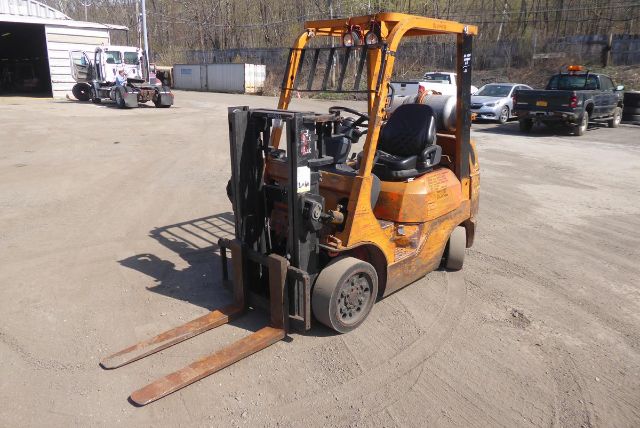
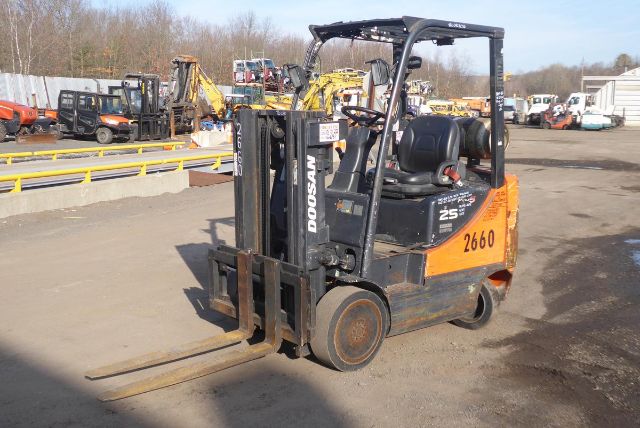
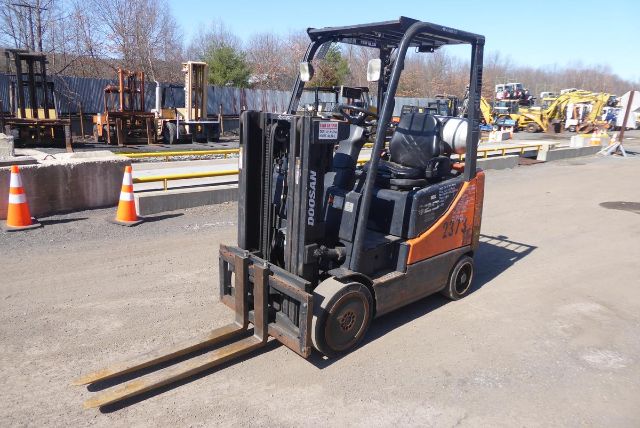
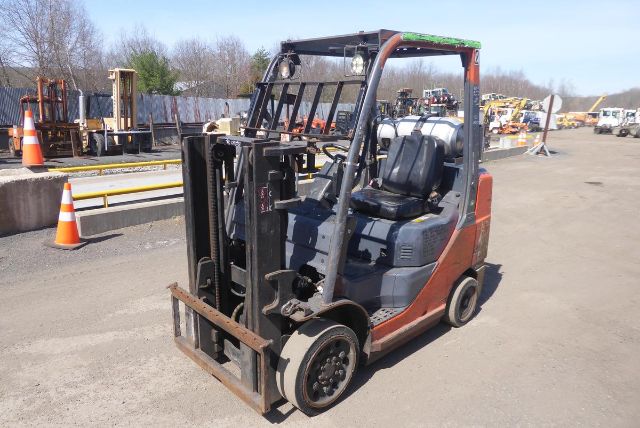
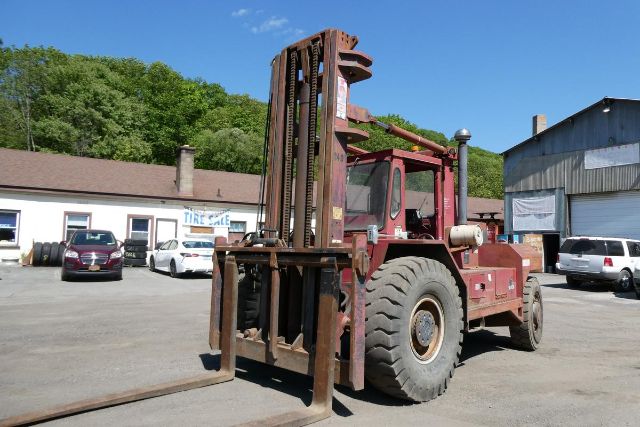
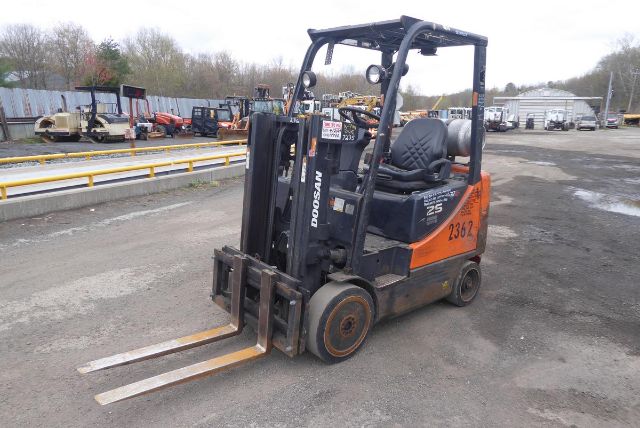
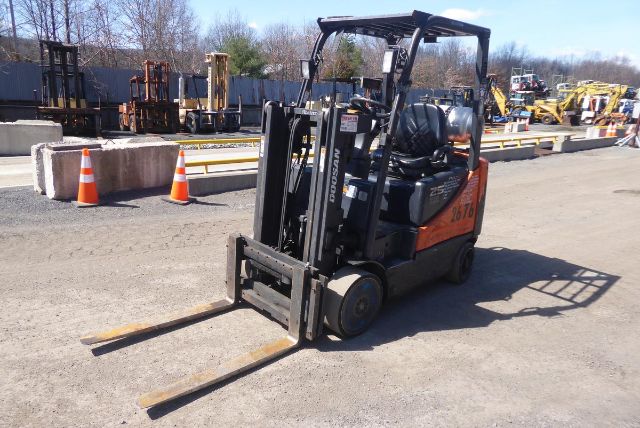
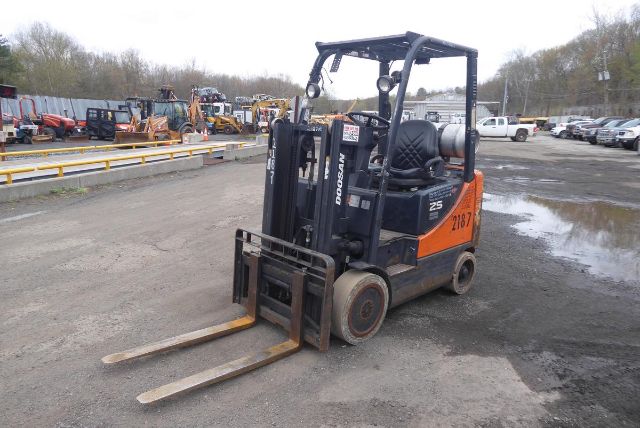
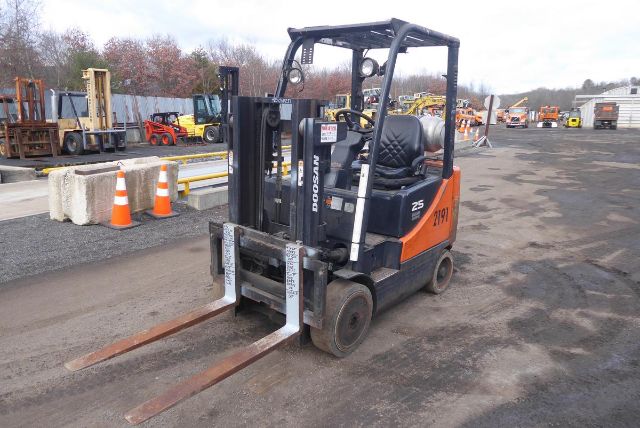
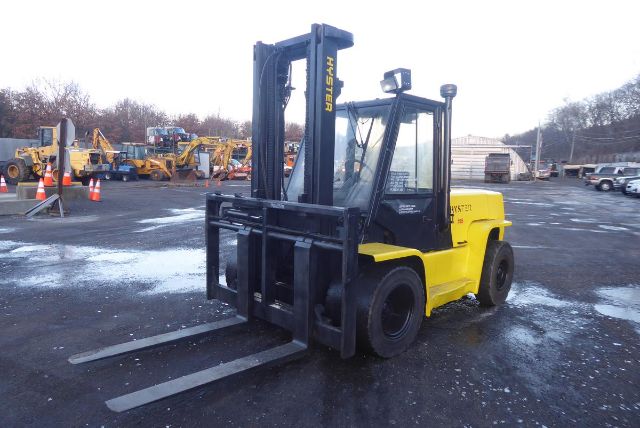
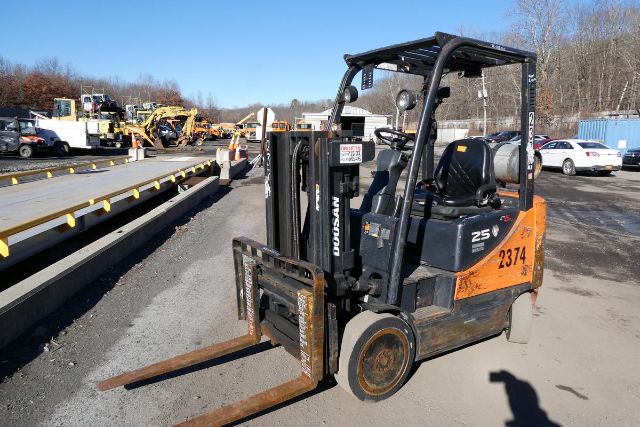
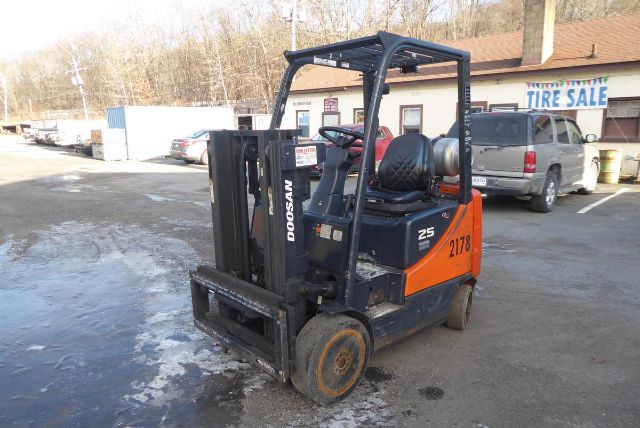
Showing 49 to 72 of 87 results
Have used lifts - fork equipment to sell? List it here to reach thousands of buyers.
Used Lifts - Fork in New York
Mast configuration matters as much as capacity. Dual mast and tri-mast setups affect collapsed height, maximum lift height, and visibility through the carriage. Buyers in older New York warehouses often need a forklift that can clear low door openings or trailers while still reaching rack positions or dock work heights. Check lowered mast height, maximum fork height, overall width, and length without forks before comparing units. Side shift is one of the most useful options on a used forklift because it speeds up pallet placement and reduces repositioning. Fork positioners, auto level functions, and enclosed cabs become more important as loads get heavier or work moves outside in all seasons.
Powertrain and tire choice should match the surface and duty cycle. LP gas forklifts are common for mixed indoor and outdoor work because they refuel quickly and offer good productivity without battery charging downtime. Diesel forklifts are typically chosen for higher-capacity applications and outdoor service, especially where longer run time and torque matter. Cushion tires are usually preferred on smooth concrete floors and tighter warehouse aisles, while pneumatic or air-filled tires handle rougher yards, uneven pavement, and outdoor loading areas better. On any used unit, hour meter reading helps frame wear expectations, but the more important checks are mast and tilt cylinder condition, transmission engagement, steer axle wear, brake response, chain and roller wear, and evidence of leaks at hoses and valve bodies.
Fork length, attachment setup, and operator environment also deserve close attention. Standard fork lengths around 38 to 48 inches are common on general-purpose lifts, while longer forks are often found on larger-capacity machines handling oversized freight. An enclosed cab can be a real advantage in cold-weather states like New York, especially for outdoor yards, port work, building supply operations, and municipal applications. Buyers comparing used forklifts should verify tire type, fuel system, serviceability of the engine or ignition components, and whether the machine has side shift, fork positioners, or specialty attachments already installed. A well-matched used fork lift can deliver strong value, but only if the lift height, turning footprint, and true operating capacity fit the job site and the load.
Frequently Asked Questions about Used Lifts - Fork in New York
What capacity forklift is best for general warehouse use?
For many warehouse and pallet handling applications, a forklift rated around 4,000 to 5,000 pounds is a common fit. That range works well for standard palletized freight, loading docks, and indoor material movement. The key is to confirm the actual load center and attachment setup because a forklift's effective lifting capacity can drop when loads are longer, heavier, or carried with side shift or fork positioners.
Is propane or diesel better on a used fork lift?
Propane is often preferred for mixed indoor and outdoor use because refueling is quick and the machines are common in warehouse fleets. Diesel is usually the better choice for outdoor work, higher-capacity applications, and longer-duty cycles where torque and run time are priorities. The better option depends on ventilation, site rules, load size, and how many hours the forklift will run each day.
What should I inspect first on a used forklift?
Start with the mast, carriage, chains, rollers, and hydraulic cylinders because those components directly affect safe lifting performance. Then check transmission engagement, brake function, steer axle play, tire condition, and signs of hydraulic leaks. On engine-powered units, pay attention to cold start behavior, exhaust quality, idle stability, and overall responsiveness under lift and travel functions.
Why does mast type matter on a forklift?
Mast type affects both the maximum lifting height and the collapsed height of the machine. A dual mast may be simpler and adequate for lower stacking heights, while a tri-mast can provide more lift height while still fitting through lower openings when fully lowered. Buyers working in warehouses, trailers, and older industrial buildings should compare lowered mast height and full lift height before making a decision.
Are side shift and fork positioners worth having on a used forklift?
Yes, for many operations they are highly useful features. Side shift allows the operator to move the forks left or right without repositioning the whole truck, which improves pallet placement speed and reduces minor alignment errors. Fork positioners are especially valuable when handling different pallet widths, irregular freight, lumber, pipe, or other loads that require frequent fork spacing changes.