
Used 2005 Lifts - Fork For Sale in New York
Browse used 2005 fork lifts for sale in New York. Compare lift capacity, mast height, fuel type, tires, side shift, and overall condition.
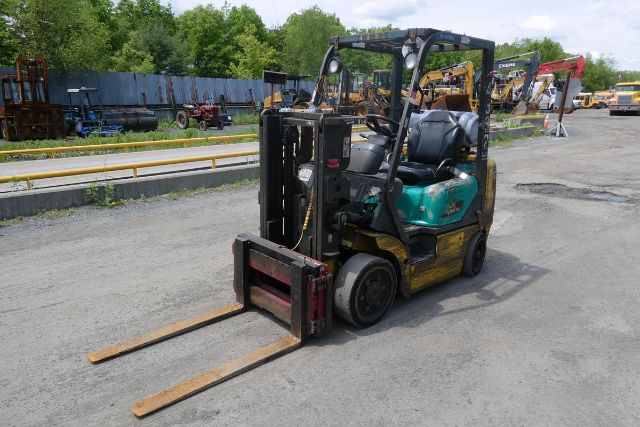
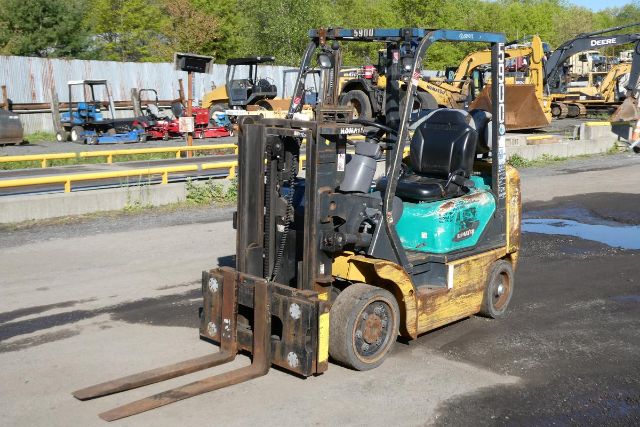
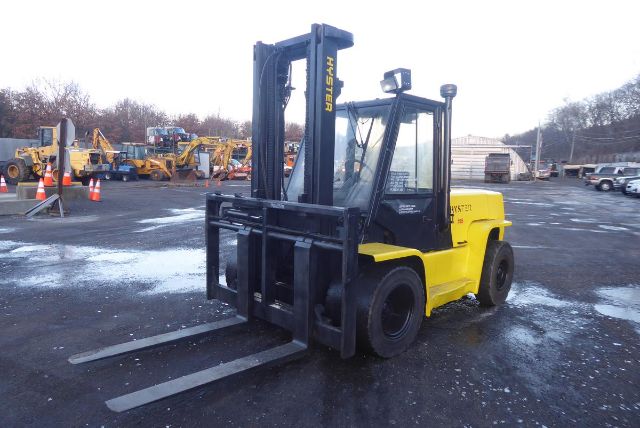
Have used 2005 lifts - fork equipment to sell? List it here to reach thousands of buyers.
Used 2005 Lifts - Fork in New York
Frequently Asked Questions about Used 2005 Lifts - Fork in New York
What should I check first on a used 2005 fork lift?
Start with the data plate, actual lift capacity, mast type, and operating hours, then verify the condition of the engine or power system, transmission, hydraulics, steer axle, and brakes. On an older unit, mast chains, carriage rollers, tilt cylinders, side shift function, and evidence of leaks are critical inspection points. Tire type also matters because cushion or solid tires suit paved warehouse surfaces, while pneumatic-style tires are better for rougher outdoor yards.
Is propane, diesel, or electric better for a used fork lift?
The best fuel type depends on the work environment. Propane fork lifts are common for mixed indoor and outdoor use because refueling is fast and power delivery is consistent. Diesel units are better suited to outdoor and heavy-duty applications where torque and long run time matter most. Electric fork lifts are preferred in enclosed spaces that require low emissions and quieter operation, but battery condition and charger compatibility become major buying factors.
Why does mast height matter so much when buying a fork lift?
Mast height affects both where the truck can work and what it can safely lift. You need enough maximum lift height for racks, docks, and trailer loading, but you also need a collapsed height that clears building openings and overhead obstructions. Triplex masts are often chosen when buyers need high lift capability without giving up low overall travel height. Attachments and lift height can also reduce effective capacity, so the load chart should always be reviewed.
Are side shift and extra hydraulic valves worth having on an older fork lift?
Yes, in many operations they are. Side shift improves pallet placement, reduces repositioning time, and lowers the chance of product damage. A fourth valve or other auxiliary hydraulics can support attachments like fork positioners, clamps, or specialty handling tools. Those options add versatility, but they also increase the importance of inspecting hoses, valve bodies, cylinder seals, and hydraulic response under load.
What matters most for a fork lift used in New York?
In New York, buyers should pay close attention to cold-weather starting, hydraulic performance in low temperatures, and tire selection for mixed indoor and outdoor surfaces. Corrosion on older equipment can be an issue if the truck has worked around snow, salt, or wet yard conditions. If the unit will operate in tighter urban facilities, overall width, turning radius, and mast collapsed height can be just as important as rated capacity.