
Used 2005 Lifts - Fork For Sale
Browse used 2005 fork lifts for sale, including warehouse and yard forklifts with common specs, mast options, fuel types, and lift capacities.
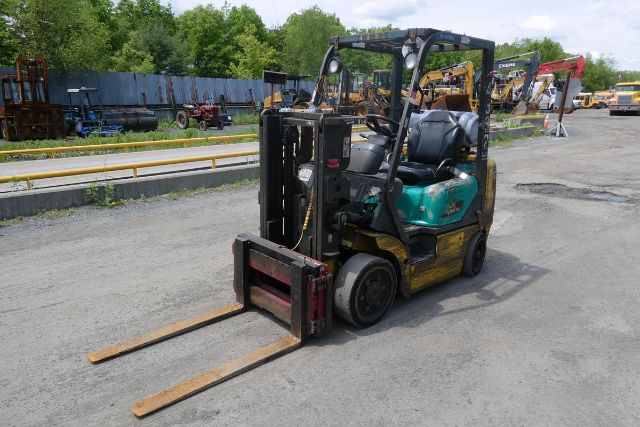
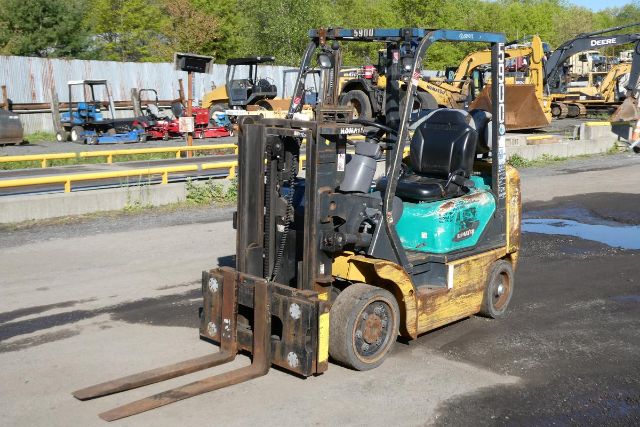
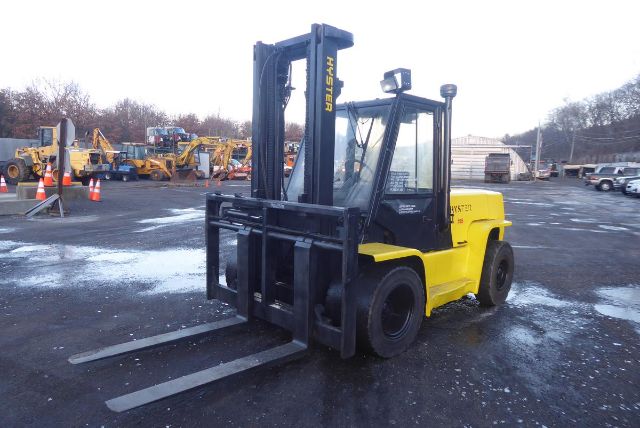
Have used 2005 lifts - fork equipment to sell? List it here to reach thousands of buyers.
Used 2005 Lifts - Fork
Fuel system and application matter more than brand alone. A lot of used fork lifts from this period are LPG or propane-powered, which remain popular for indoor-outdoor use because they refuel quickly and avoid diesel particulate concerns inside buildings. Diesel models are common in heavier-capacity yard and industrial applications, especially where longer run time and higher torque are important. Buyers should also compare transmission type, steer axle condition, and tire construction, since solid tires, air-filled tires, and cushion tires each affect ride quality, floor protection, and stability under load.
Mast setup is another major decision point. Two-stage and three-stage masts are common, along with features like back tilt, side shift, fork position adjustments, and overhead guards or open ROPS-style operator protection. A standard 80-inch loading height works for many dock and warehouse tasks, but higher stacking applications may need significantly more mast reach. Fork length, carriage class, and attachment compatibility should be checked closely if the machine will handle slip-sheet loads, long pallets, or non-standard products. On older used forklifts, mast pins, chains, rollers, tilt cylinders, and side shift hydraulics deserve a careful inspection because wear in those components directly affects lifting accuracy and safety.
Hour meter readings help, but they are only part of the story on a used 2005 fork lift. Service history, brake condition, hydraulic leaks, cold-start behavior, engine response, and mast operation under load tell more about remaining value than age alone. Buyers should also verify data plate legibility, actual rated capacity at the installed mast height, and the condition of forks, steer components, and safety systems. For many operations, a well-kept older forklift is still an efficient material-handling asset if it is spec'd correctly for aisle width, floor conditions, dock work, and the weight of the loads being moved.
Frequently Asked Questions about Used 2005 Lifts - Fork
What lift capacity is common on a used 2005 fork lift?
Many used 2005 fork lifts on the market are in the 4,000 to 5,000 lb class, which covers general warehouse pallets, dock freight, and light industrial material handling. Heavier units in the 8,000 to 10,000 lb range are also common for outdoor yards, machinery handling, and building materials. The key is to confirm rated capacity on the data plate at the actual mast height and load center, because capacity drops as lift height and attachment weight increase.
Is propane or diesel better for a used fork lift?
Propane is often preferred for mixed indoor-outdoor work because refueling is quick and emissions are generally easier to manage inside ventilated buildings. Diesel is usually favored for higher-capacity forklifts and outdoor applications where torque, run time, and rough-surface durability matter more. The better choice depends on where the lift will operate, local emissions requirements, fuel availability, and the type of loads being handled.
What should I inspect first on an older used forklift?
Start with the mast, chains, forks, hydraulic cylinders, brakes, steer axle, tires, and transmission engagement. Then check for hydraulic leaks, engine starting behavior, smoke, warning lights, and smooth operation in forward, reverse, lift, lower, tilt, and side shift functions. On older machines, structural condition and service history usually matter more than cosmetic appearance, especially if the forklift will be used daily under load.
What mast type is best for warehouse use?
A two-stage mast is common for straightforward loading and unloading where overhead clearance is not a major issue. A three-stage mast is often better when higher stacking is needed while still keeping collapsed height low enough for doors, trailers, or low-clearance areas. Buyers should match mast type to rack height, trailer entry height, and building clearance before focusing on brand or hours.
Do fork length and tire type make a big difference?
Yes. Fork length affects pallet support, turning clearance, and suitability for standard versus oversized loads. Tire type also has a major impact on performance. Cushion tires are best on smooth warehouse floors, solid pneumatic tires suit tougher industrial surfaces, and air-filled pneumatic tires can improve ride quality on uneven ground. Matching forks and tires to the work environment improves safety, stability, and productivity.