
Used 2007 Lifts - Fork For Sale in New York
Browse used 2007 fork lifts for sale in New York. Compare lift capacity, mast height, fuel type, tires, and warehouse-ready specs.
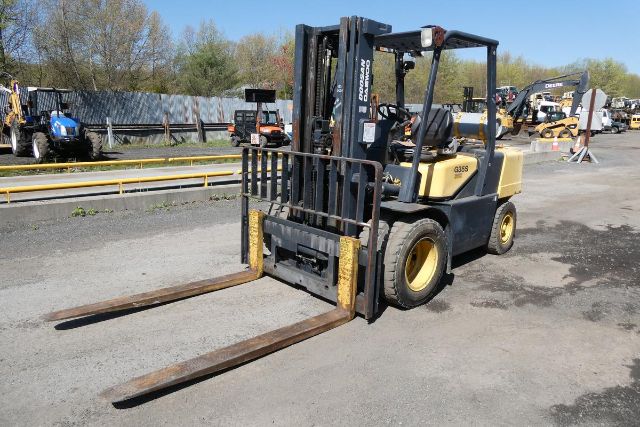
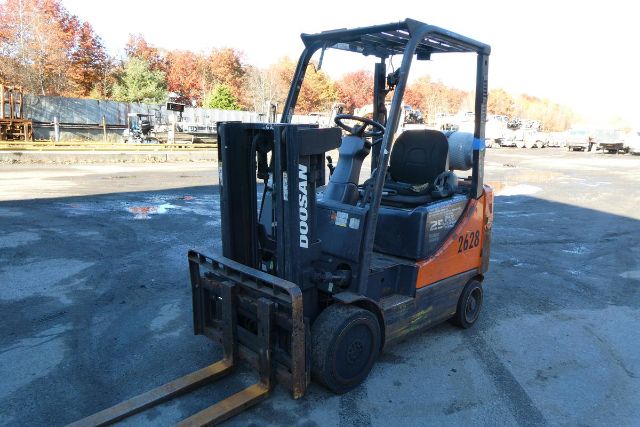
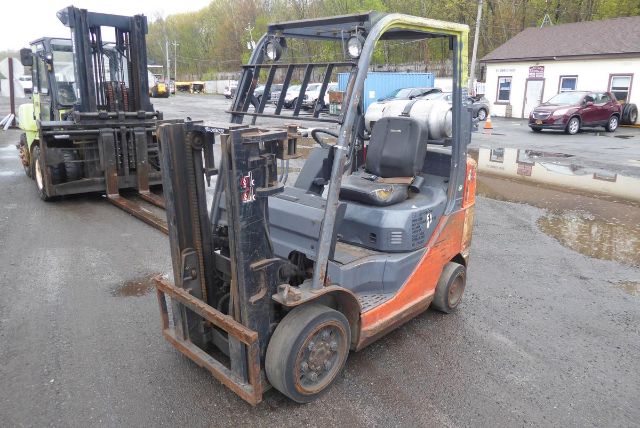
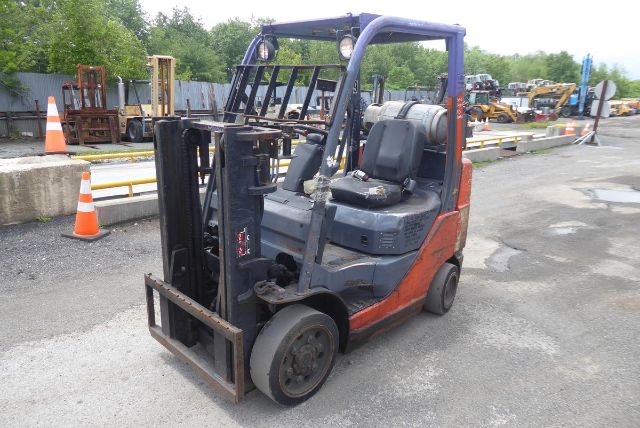
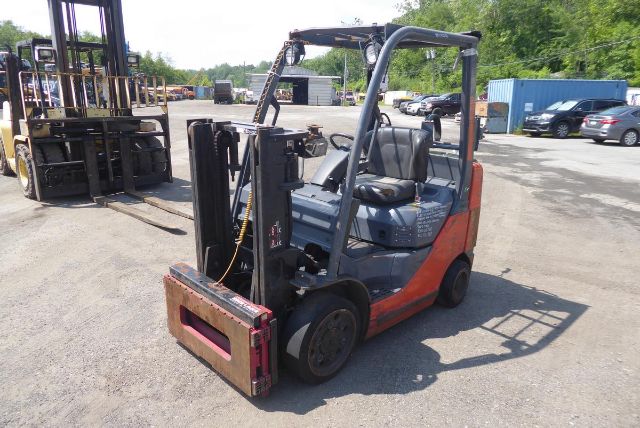
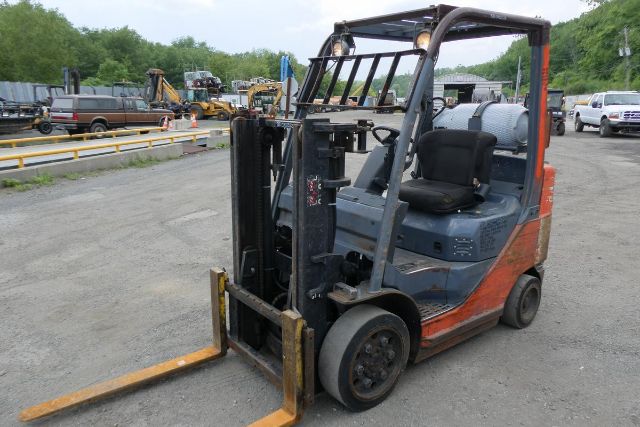
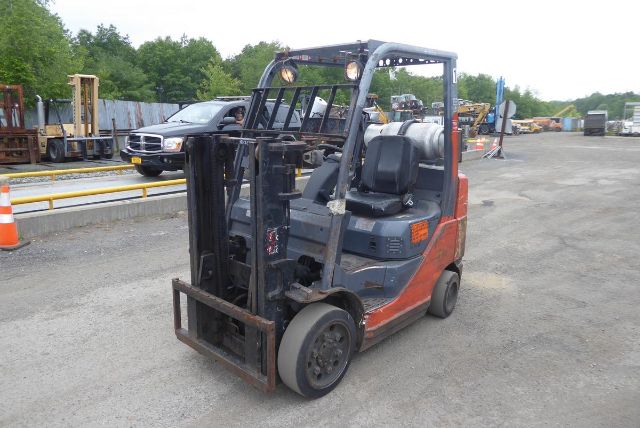
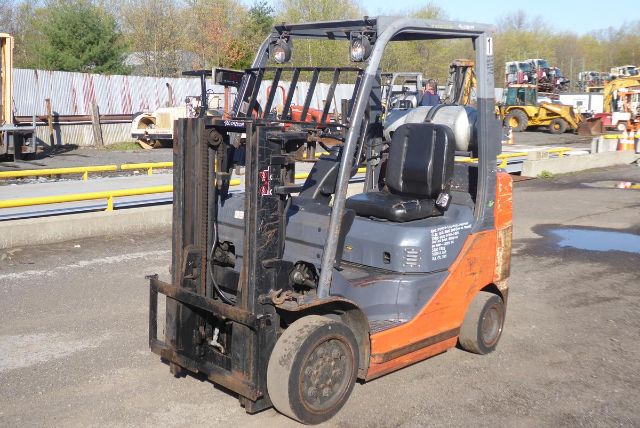
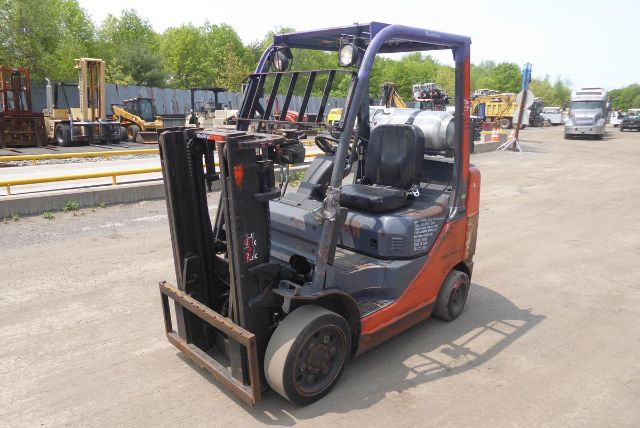
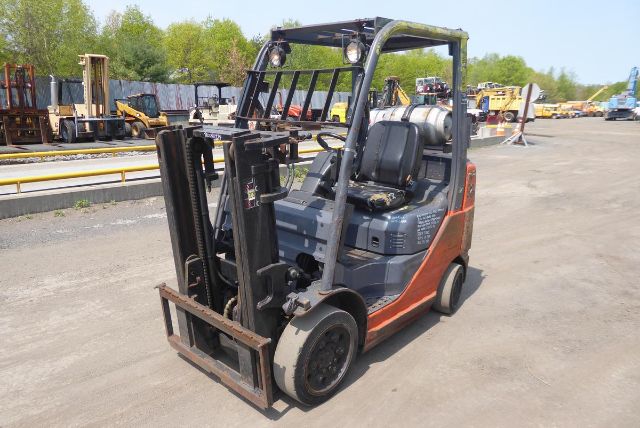
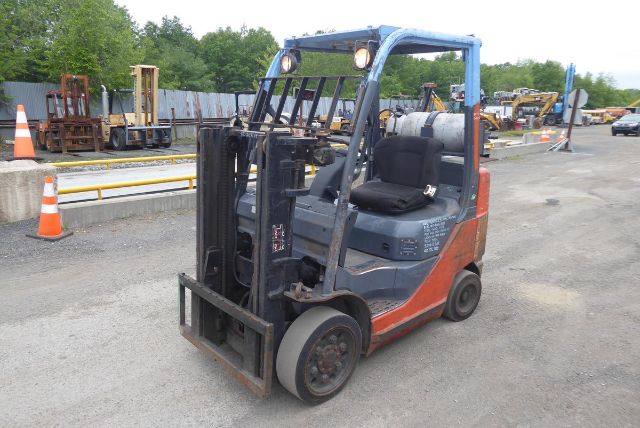
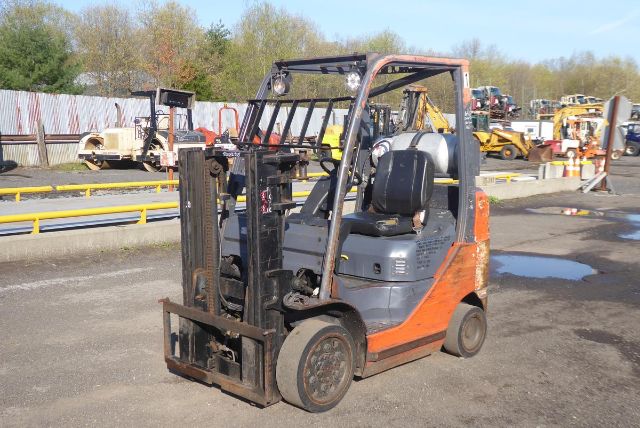
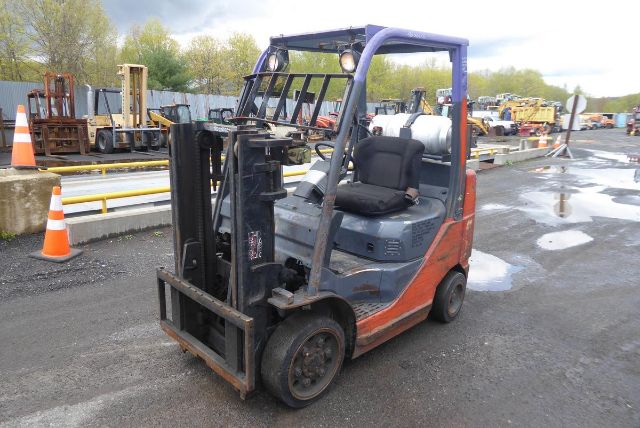
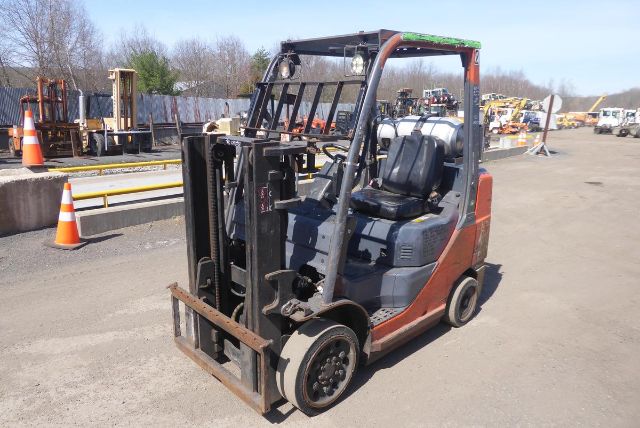
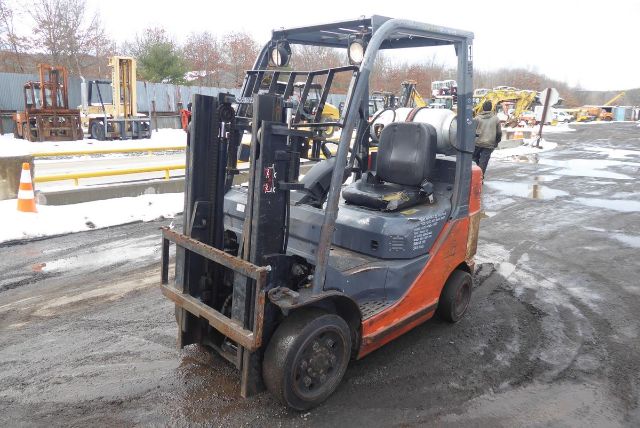
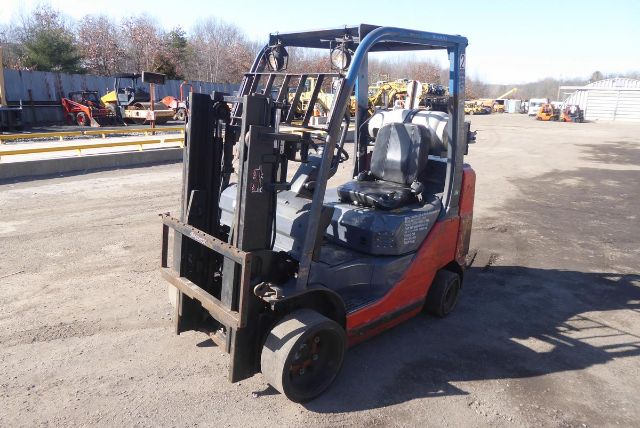
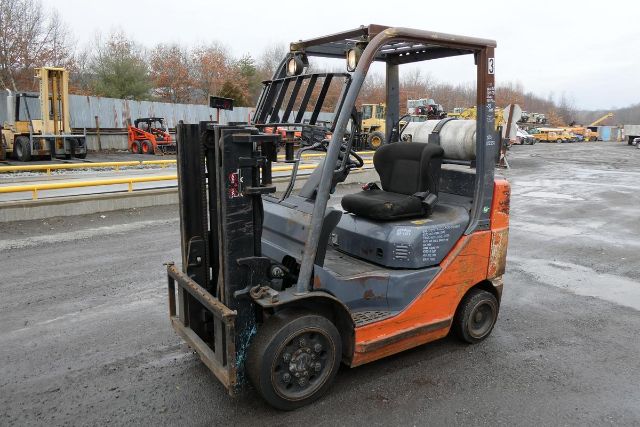
Have used 2007 lifts - fork equipment to sell? List it here to reach thousands of buyers.
Used 2007 Lifts - Fork in New York
A 2007 forklift buyer should focus first on actual lift requirements, not just the nameplate rating. Capacity changes with load center, attachment choice, mast configuration, and fork length. A 5,000 lb truck may handle standard pallets comfortably but lose effective capacity with a side shift, clamp, longer forks, or high stacking. Mast type matters just as much. Two-stage and three-stage masts affect collapsed height, free lift, and maximum lift height, which can determine whether the unit clears door openings, trailers, racking, or low ceilings. If the truck is missing forks or an LP tank, factor that into total acquisition cost along with carriage class, fork dimensions, and attachment compatibility.
Fuel and drivetrain specs are especially important on older used forklifts. Many 2007 units in this class use propane engines because LPG forklifts are practical for indoor-outdoor duty, fast refueling, and steady performance over a full shift. Diesel units still make sense for larger capacity trucks and outdoor work where torque and durability matter more than emissions-sensitive indoor use. Review hour meter credibility carefully, since older forklifts may show non-actual hours or replaced clusters. Hydraulic condition is another priority. Buyers should inspect mast channels, lift chains, tilt cylinders, side-shift circuits, steer axle play, brake performance, and transmission engagement in forward and reverse. Solid tires are common on warehouse forklifts and reduce flats, while air-filled pneumatic tires are better suited to uneven ground.
For New York operations, size and maneuverability can be as important as rated lift. Urban warehouses, loading docks, and older industrial buildings often limit aisle width, overhead clearance, and trailer approach angle. Check overall lowered mast height, truck width, turning radius, and service brake response before committing to a unit. Parts support also matters. Toyota, Clark, Taylor, and other established brands generally remain easier to service than obscure or orphaned models, but availability still varies by engine, mast, and transmission components. A strong used 2007 fork lift is one that matches floor conditions, rack height, attachment needs, and technician support in your region, not simply the lowest-hour machine on paper.
Frequently Asked Questions about Used 2007 Lifts - Fork in New York
What should I check first when buying a used 2007 fork lift?
Start with capacity, mast height, and the operating environment. A forklift must be matched to the load center, pallet weight, stacking height, and floor surface where it will work. After that, inspect hydraulic function, mast wear, chain condition, tilt and lift cylinder leakage, brake response, steering play, tire type, and transmission engagement. Missing forks, LP tanks, or attachments can change the true purchase cost significantly.
Is a propane forklift better than a diesel forklift for this category?
Propane forklifts are often the better fit for mixed indoor-outdoor use because they refuel quickly, run clean enough for many warehouse settings, and are common in the 4,000 to 5,000 lb class. Diesel forklifts are typically preferred for outdoor work, larger lift capacities, and rougher conditions where torque and durability are priorities. The better choice depends on ventilation requirements, shift length, fuel availability, and the surface the truck will run on.
How important is mast type on a used forklift?
Mast type is critical because it affects maximum lift height, collapsed height, and free lift. A truck can have enough rated capacity and still be a poor fit if the lowered mast will not clear a door or trailer, or if the lift height will not reach top rack positions. Two-stage and three-stage masts serve different applications, and attachment use can further affect visibility and capacity.
Do forklift hours matter as much as truck miles do on highway equipment?
Hours matter, but condition and maintenance history matter more. Many older forklifts have replaced hour meters, unreadable gauges, or non-actual hour readings, so the meter should be treated as one data point rather than the whole story. Wear in the mast, pins, bushings, chains, steering components, brakes, and hydraulics often tells you more about how the machine was used and maintained than the displayed hours alone.
What tire type should I look for on a used fork lift?
Cushion or solid tires are common for indoor warehouse use because they perform well on smooth concrete and reduce puncture risk. Pneumatic air-filled tires are better for gravel, broken pavement, lumber yards, and outdoor lots because they provide better traction and ride quality on uneven ground. Tire choice should match the surface, load weight, and travel distance the forklift will see every day.