
Used 2021 Lifts - Fork For Sale in New York
Browse used 2021 fork lifts for sale, including warehouse and yard forklifts with common specs, lift capacities, mast options, and LP power.
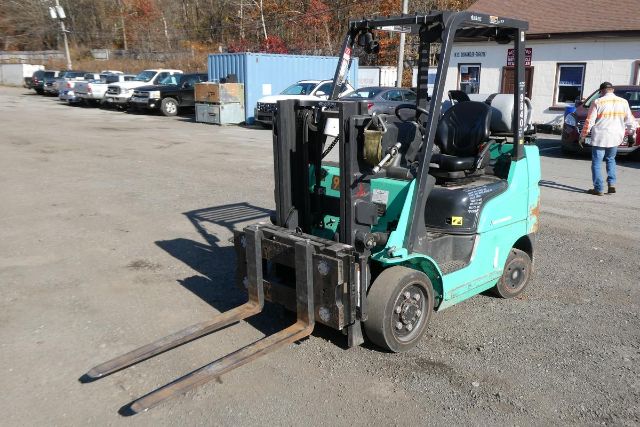
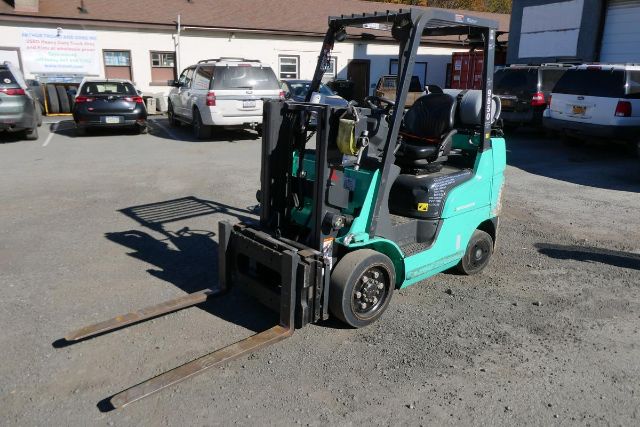
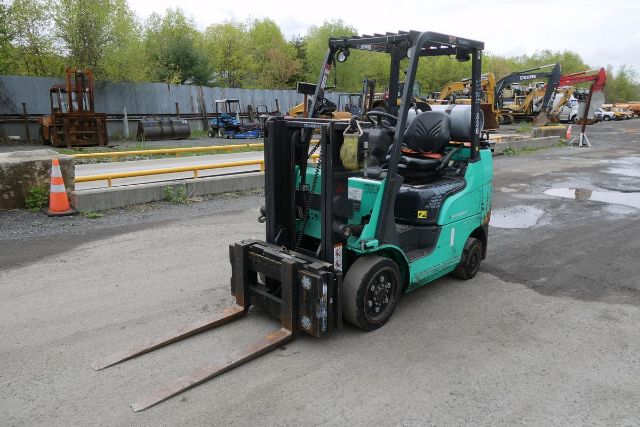
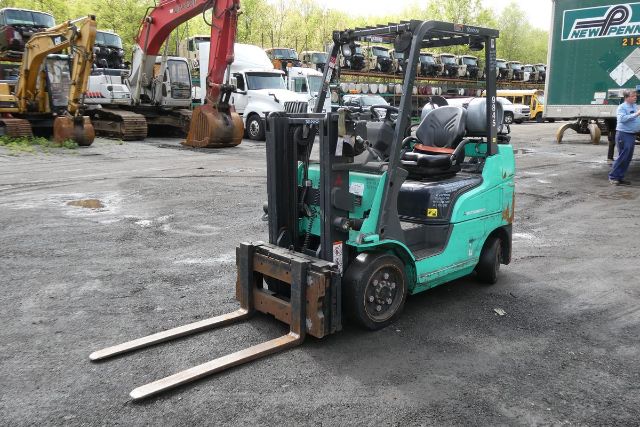
Have used 2021 lifts - fork equipment to sell? List it here to reach thousands of buyers.
Used 2021 Lifts - Fork in New York
Many 2021 forklifts in the used market are LP gas units, also known as propane forklifts, although some buyers may also compare gasoline, diesel, or electric models depending on the application. LP forklifts remain popular because they refuel quickly, deliver steady run time, and work well in mixed indoor and outdoor use when ventilation is appropriate. Buyers should verify whether the truck uses cushion tires or pneumatic tires, since that affects ride quality, floor impact, and performance on rough pavement or yard surfaces. On a typical sit-down counterbalance forklift, details like fork length, carriage class, side shifter function, mast tilt, and hydraulic response tell you more about real-world usability than paint condition alone.
For a used 2021 model, hours and maintenance history are key value drivers. A low-hour truck can be attractive, but service records, cylinder condition, steer axle wear, chain and roller condition, brake feel, and cold-start behavior often matter more than the meter by itself. Buyers should also inspect mast channels for wear, check for leaks at lift and tilt cylinders, confirm parking brake operation, and make sure the data plate matches the current mast and attachment setup. If the forklift will be used for palletized freight, building materials, bundled products, or trailer loading, confirm the actual load center and residual capacity with the attachment installed. A side shifter, fork positioner, or longer forks can change the truck’s usable rating.
In New York, buyers often need forklifts that can handle tight indoor storage layouts, dock work, and seasonal outdoor use. That makes visibility, cold-weather starting, tire selection, and parts support practical considerations. A used 2021 fork lift can offer a good balance of modern ergonomics, emissions-era engine updates, and manageable ownership cost, especially for fleets replacing older warehouse trucks or adding lift capacity for regional distribution. The best choice usually comes down to matching the truck’s capacity, mast height, fuel system, and tire type to the floor conditions and load profile it will see every day.
Frequently Asked Questions about Used 2021 Lifts - Fork in New York
What capacity range is most common for used 2021 fork lifts?
A common capacity range is roughly 3,000 to 5,000 pounds, which covers many warehouse, dock, and light industrial applications. The right rating depends on the load center, lift height, and any attachment installed. A forklift rated at 5,000 pounds at a 24-inch load center may handle less at full height or with a side shifter, clamp, or longer forks, so buyers should verify the actual capacity on the data plate.
Should I choose a propane forklift or an electric forklift?
A propane forklift is often preferred when quick refueling, longer operating cycles, and mixed indoor-outdoor use are important. An electric forklift can be the better fit for enclosed indoor environments that prioritize low noise and reduced local emissions. The decision usually comes down to ventilation, shift length, charging or fuel access, floor conditions, and the total cost of ownership for the specific duty cycle.
What should I inspect on a used 2021 forklift before buying?
Key inspection points include hour meter accuracy, mast and carriage wear, chain condition, hydraulic leaks, tilt and lift cylinder performance, steer axle play, brake operation, and transmission response in forward and reverse. Buyers should also check fork heel wear, tire condition, parking brake function, warning lights, and cold-start behavior. The data plate should match the current mast, attachment, and rated capacity configuration.
What mast type is best for warehouse work?
For warehouse work, buyers usually compare two-stage and three-stage masts based on ceiling clearance and required lift height. A two-stage mast can be simpler and may offer strong visibility, while a three-stage full free-lift mast is often preferred for trailer loading and low-clearance indoor work because it allows the forks to raise without extending the mast immediately. Lowered mast height is critical if the forklift must pass through doors or operate inside trailers.
Do tire type and fork length really matter on a forklift?
Yes. Tire type affects traction, ride quality, floor wear, and suitability for indoor concrete versus rougher outdoor surfaces. Cushion tires are common in warehouses, while pneumatic-style tires are often better for uneven pavement or yard conditions. Fork length also matters because it affects pallet handling, trailer work, and stability. A truck set up with the wrong forks or tires may still run well but perform poorly in the actual job.